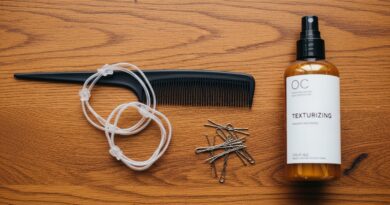
Maintain 20 Braided Edge Protection Using Silk Durags Nightly
Okay, let’s be real. You spent good time and money on those gorgeous braids. The edges are laid, the style is flawless. But then, a few weeks in, you feel that familiar tug. You see those baby hairs starting to say their goodbyes. We’ve all been there, and it’s the worst feeling.
Protecting your edges isn’t just about keeping your style looking fresh—it’s about keeping your hair healthy for the long run. It’s what lets you switch from braids to that sleek asymmetrical lob or soft old money hair look without any stress.
The good news? The solution is probably already in your drawer. I’m talking about a simple silk durag. Used the right way, nightly, it’s a total game-changer. Let’s break down exactly how to use this humble accessory to maintain those edges and make your braids last.
Why Your Edges Are So Vulnerable
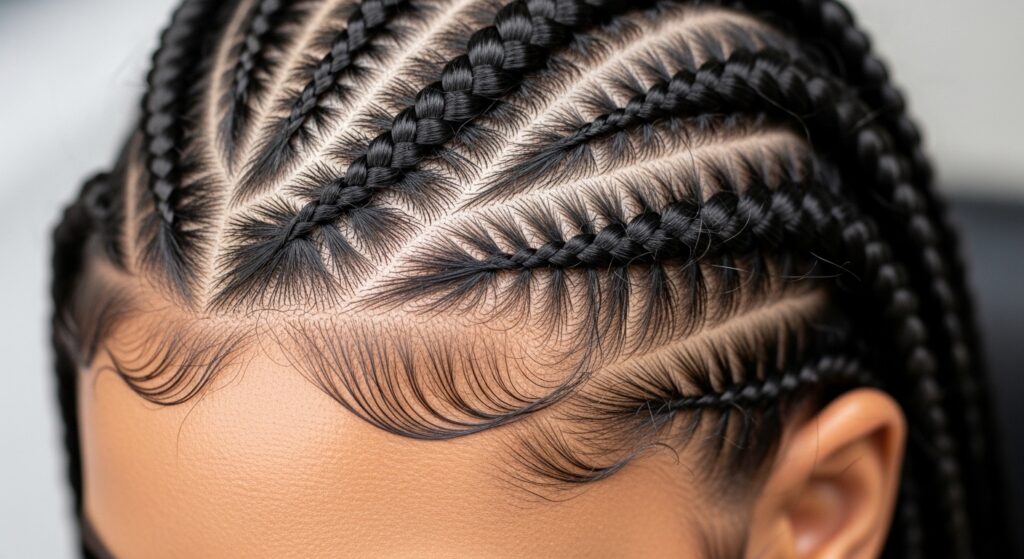
Those front hairs are finer and more delicate than the rest of your hair. They take the brunt of the tension from braiding, ponytails, and even just sleeping on cotton pillowcases. Friction is their biggest enemy.
When you add nightly rubbing against rough fabrics, it’s a recipe for breakage. This isn’t just about braids; it’s about preserving your natural hairline for any style, whether you’re dreaming of a vampire haircut or a classic bob.
The Magic of Silk (Not Satin!)
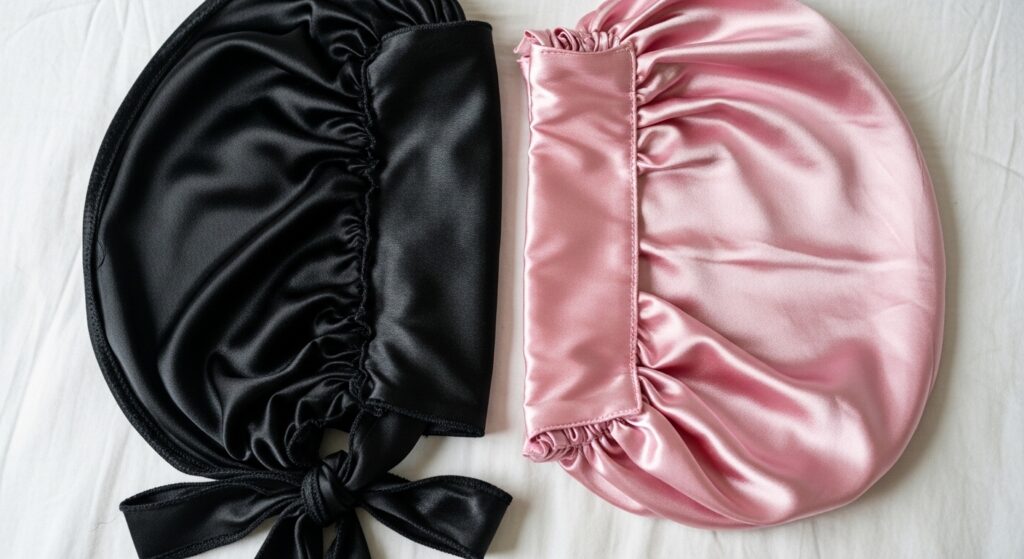
Let’s clear this up. Satin is a weave; silk is a fiber. Real mulberry silk has natural proteins and a smoother surface that creates less friction. It also helps retain your hair’s natural moisture.
Think of silk as the ultimate slip. It allows your hair to glide as you sleep, preventing the snagging and pulling that weakens your edges. For maximum edge protection, a durag that ties is often better than a loose bonnet.
Choosing Your Perfect Silk Durag

Not all durags are created equal. Look for 100% mulberry silk or charmeuse for the best quality. The tie strings should be long and sturdy enough to secure without slipping.
- Material: 100% Mulberry Silk is the gold standard.
- Fit: It should feel snug but not painfully tight.
- Ties: Long, smooth ties that won’t dig in.
- Care: Opt for machine-washable options for easy upkeep.
The Nightly Prep Routine (5 Minutes Max)

Protection starts before you even put the durag on. First, gently moisturize your edges and scalp with a light oil or cream. I love a mix of jojoba and almond oil.
Then, lightly brush or pat your edges down with a soft brush. The goal is to lay them without aggressive tension. This prep ensures your hair isn’t dry and brittle under the durag, which can lead to breakage.
How to Tie It: The Protective Method

- Place the main cap over your head, ensuring it covers your entire hairline.
- Pull the front flap down firmly (but gently) over your edges to lay them flat.
- Cross the long ties at the back of your head and bring them to the front.
- Tie a secure knot or bow at your forehead, and tuck any loose ends in.
Why a Durag Beats a Bonnet for Edges
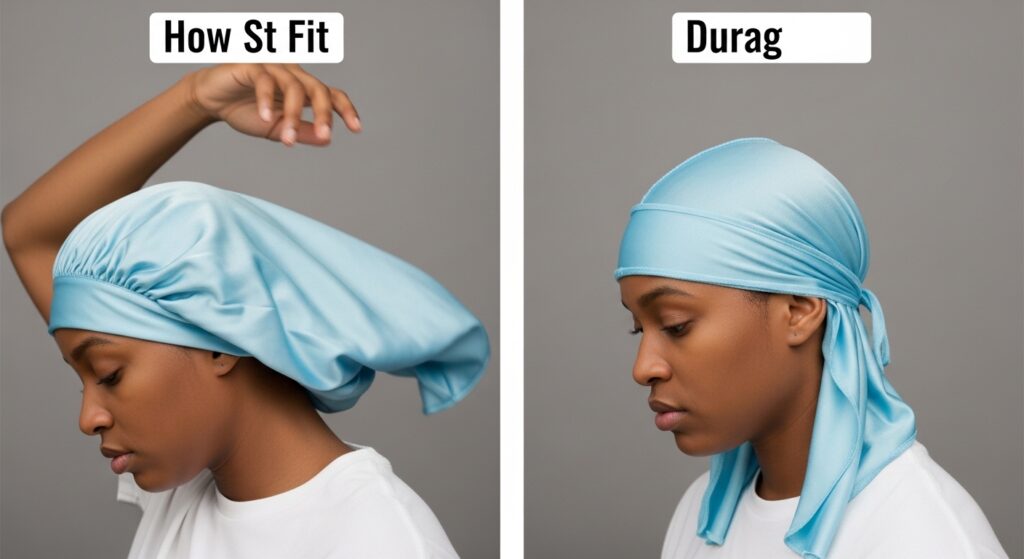
Bonnets are great for volume, but they can shift and slide at night. That movement creates friction right on your hairline. A properly tied durag stays put.
The front flap applies gentle, even pressure to keep your edges flat and protected all night long. It’s targeted protection exactly where you need it most.
Morning Removal: Don’t Just Rip It Off

Be as gentle taking it off as you were putting it on. Slowly untie the knot and loosen the ties. Don’t yank it forward over your edges.
Instead, remove it by lifting it up and back. Once it’s off, you can lightly fluff your braids at the roots. Your edges should still be perfectly laid, ready for the day.
Combining with a Silk Pillowcase

For double defense, use your silk durag on top of a silk pillowcase. This is your ultimate safety net. If the durag shifts a little (though it shouldn’t), the pillowcase has your back.
This combo is a powerhouse for preventing breakage. It also keeps your skin glowing and helps prevent sleep wrinkles—a major bonus!
Washing Your Silk Durag Regularly
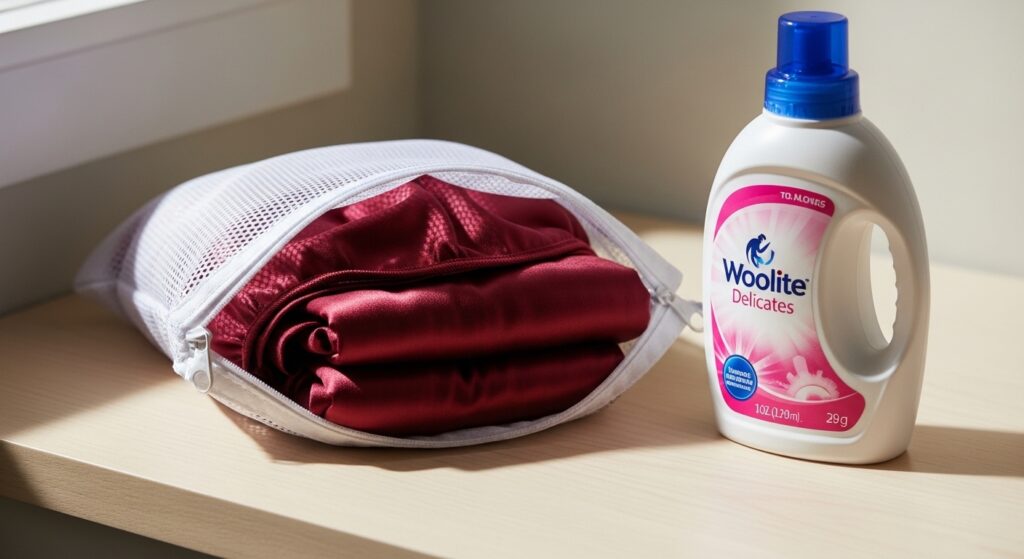
Oil and product buildup can stain the silk and reduce its effectiveness. Wash it once a week to keep it performing at its best. Always use cold water and a gentle, sulfate-free detergent.
Put it in a mesh laundry bag for protection. Never use fabric softener. Air dry it flat or on a drying rack—never in the dryer.
What to Do If Your Edges Feel Tender
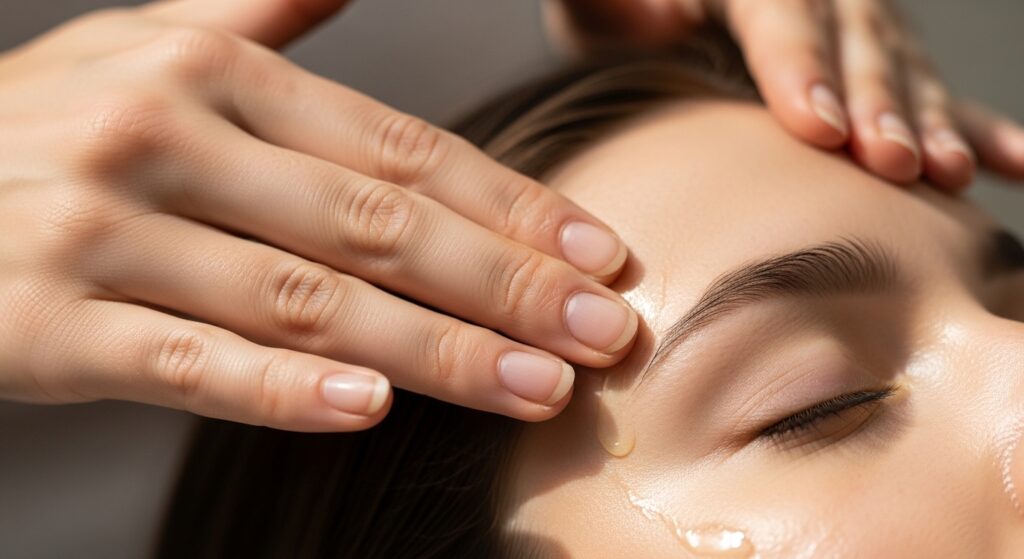
If your scalp or edges feel sore, give them a break. Skip the durag for a night or two and just use the silk pillowcase. Do a very gentle massage with oil to stimulate blood flow.
This is a sign your style might be too tight. Listen to your hair. Healthy hair is the foundation of every great style, from romantic goth hairstyles to the simplest ponytail.
Traveling with Your Braids & Durag
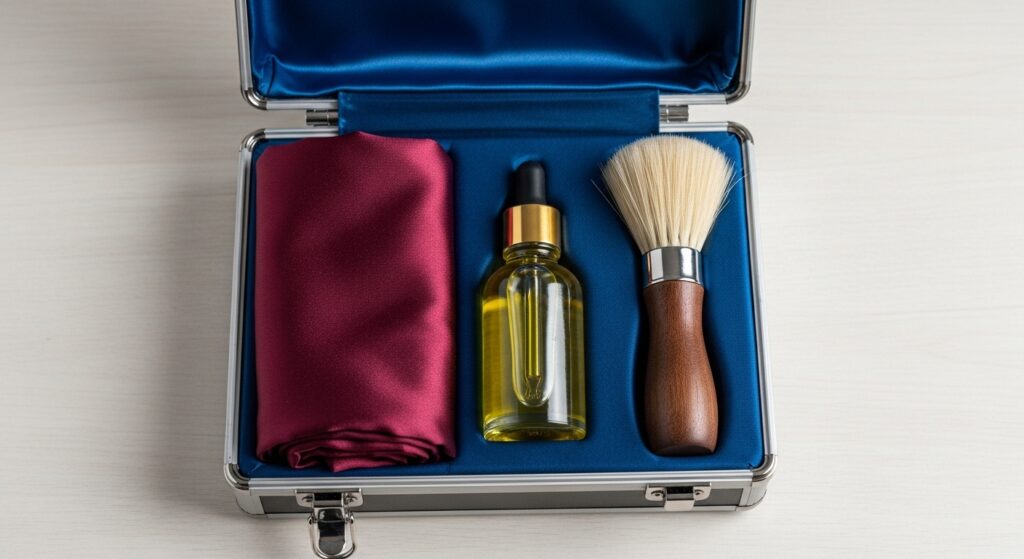
Never skip your routine on the road! Pack your durag first. It’s small and non-negotiable. I also pack a travel-sized silk pillowcase.
Staying consistent while traveling is what allows you to step off a plane with your style still intact. It’s the easiest way to maintain that “just done” look.
Beyond Braids: Protecting Natural Styles

This method isn’t just for braids. If you’re wearing a twist-out, wash-and-go, or even a sleek bun, the durag is your friend. It preserves definition and prevents frizz at the roots.
Protecting your edges nightly means more versatility. You can wear your natural hair out confidently one day and try a glitchy glam hair look the next.
Common Tying Mistakes to Avoid
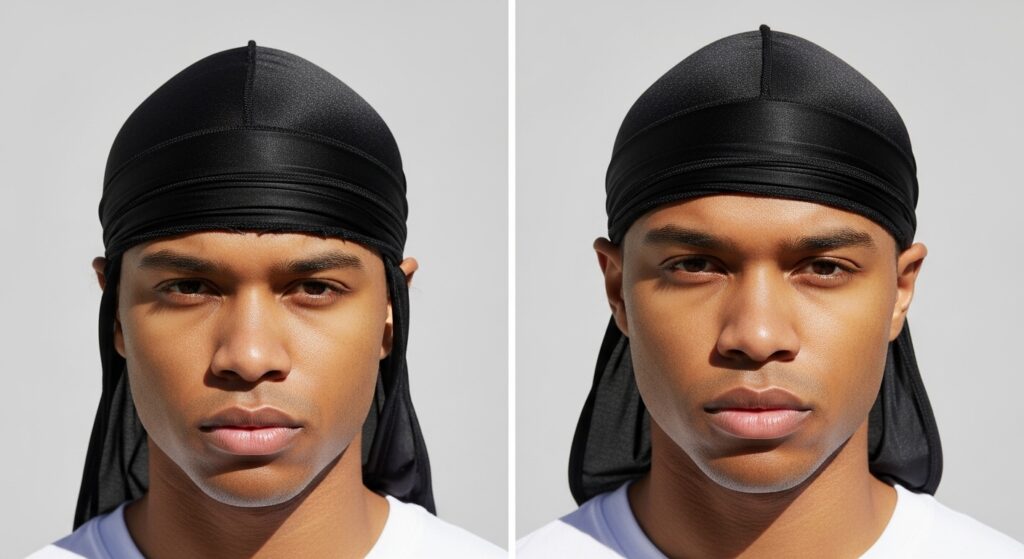
- Too Tight: Causes tension alopecia. It should be snug, not a headache.
- Too Loose: Will slip off, making it useless.
- Wrong Placement: The seam should run down the middle of your head, front to back.
- Rough Fabric: Using polyester “satin” defeats the purpose. Stick to real silk.
The Long-Term Benefits for Hair Growth
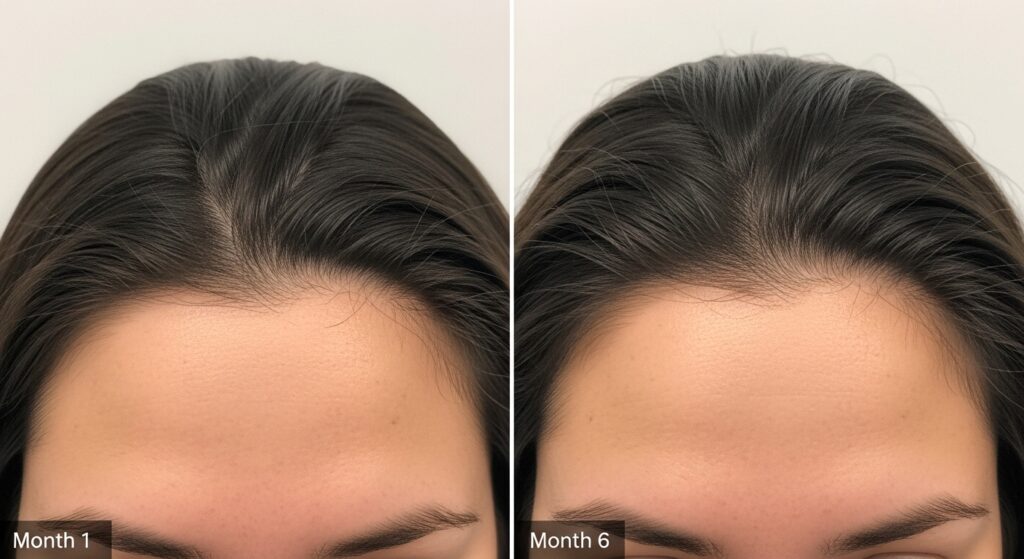
This isn’t a quick fix; it’s a long-term strategy. By eliminating nightly friction and tension, you create an environment where your edges can thrive and even regrow.
Consistency is everything. Think of it as part of your skincare routine, but for your hairline. Healthy edges frame your face for any 2026 hairstyles that catch your eye.
Styling Your Braids with Confidence

When your edges are intact, you can style your braids in so many ways. Try a high ponytail, a chic updo, or leave them down without worrying about your hairline.
That security lets you play with different aesthetics, whether you’re feeling a hime cut vibe with your bangs or channeling a quiet luxury bob with the length of your braids.
When to Retouch vs. When to Rest

Even with perfect care, braids need maintenance. A good rule is 6-8 weeks max. If your new growth is significant and causing tension, it’s time for a retouch or take-down.
If your edges are thinning, take a full break between styles. Let your hair breathe with low-manipulation, protective styles like wigs or headwraps.
My Favorite Products for Edge Health

I keep it simple. A lightweight oil (like grapeseed or jojoba), a water-based edge control for daytime, and a silk pillowcase spray. Less is more.
Avoid heavy, sticky gels that can cause buildup and breakage when you try to wash them out. Your goal is health, not just a hard hold.
Myth: “Durags Are Only For…”

Let’s end this myth right now. Durags are for anyone who wants to protect their hair. Period. They are a functional, practical tool for hair health.
Whether your hair is natural, relaxed, curly, or straight, if you need to protect your style and edges, a silk durag is a brilliant solution. Embrace the tool!
Creating a Relaxing Nightly Ritual

Tying your durag shouldn’t be a chore. Make it part of your wind-down. Do it after you’ve washed your face and applied your skincare.
This turns a simple hair care step into an act of self-care. You’re not just protecting your hair; you’re signaling to your brain that it’s time to rest.
Your Questions, Answered

Can I use a satin durag? Yes, a high-quality satin is better than cotton, but real silk is the top tier for moisture and slip.
What if it comes off at night? You might be tying it too loose. Practice the method, and the silk pillowcase is your backup. It takes a few tries to get it perfect.
You’ve Got This!
Seriously, you do. Protecting your edges is about consistency, not complexity. The simple act of tying a silk durag every night is the most powerful thing you can do for your braids.
It’s a small habit with huge rewards. You’ll save money on constant retouches, reduce breakage, and keep your hairline healthy for all the styles you love.
So, that’s the real tea on keeping those edges flawless from day one until take-down day. It’s not about a magic product or a complicated ten-step routine. It’s about that one, consistent, gentle habit every single night.
Think of your silk durag as the best friend for your braids—quiet, reliable, and always having your back (or rather, your edges). When you pair this with listening to your hair and giving it breaks, you’re setting yourself up for amazing hair health for years.
Save this post to Pinterest to keep this routine handy! And I’d love to know—what’s your biggest win or challenge with protecting your edges? Let’s chat in the comments below.