Micro Layers: Tiny Gradations for Subtle Movement
In the world of animation and motion design, the grand gestures often steal the show: the explosive action sequence, the sweeping camera move, the character’s broad, theatrical expression. Yet, nestled between these monumental keyframes lies the true soul of believable movement—the almost imperceptible shift, the whisper of motion, the breath of life. This is the domain of micro layers, a foundational technique where the magic of authenticity is woven from countless tiny gradations.

The Philosophy of the Almost-Unseen
Why invest precious time and resources into details that most viewers won’t explicitly notice? The answer lies in the subconscious language of perception. Our brains are exquisitely tuned to the rhythms of the natural world, where movement is never singular or perfectly linear. A leaf doesn’t just fall; it flutters, catches air, rotates, and trembles. A person’s gaze is never static; it is punctuated by micro-saccades and fleeting focuses.
Micro layers speak directly to this subconscious understanding. When animation lacks these granular gradations, it feels robotic, stiff, or “floaty”—our perceptual brains flag it as unnatural, even if we can’t pinpoint why. By incorporating micro layers, you are essentially encoding the noise and nuance of reality into your work. This builds a bridge of believability, fostering emotional connection and immersion. It’s the animation equivalent of high-fidelity audio; you may not hear every isolated instrument, but their combined presence creates a rich, full-spectrum experience that feels complete and authentic.
Deconstructing Movement: Where to Apply Micro Layers
The application of micro layers is both an art and a science. It begins with observational skills—learning to see movement not as a whole, but as a symphony of parts. Here are key areas where introducing tiny gradations yields transformative results:
Overlapping Action & Follow-Through: This classic principle is a prime candidate for micro-layering. Instead of having a character’s hair or clothing settle simply, break its recovery into multiple layered phases with different timing and decay. The heaviest masses stop first, the finest tips flutter last.
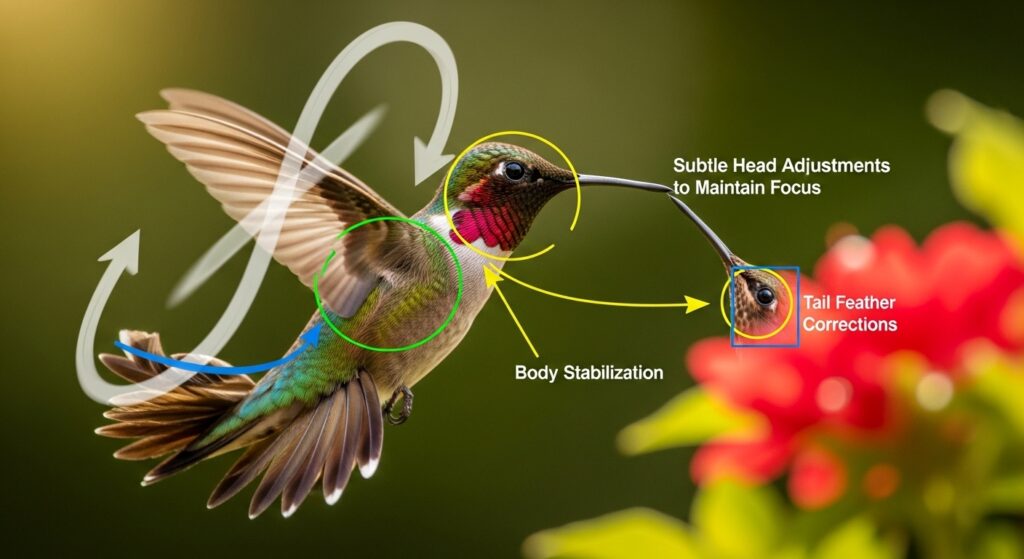
Facial Expression & Eye Movement: The face is a landscape of micro-muscles. A genuine smile isn’t just an upturned mouth; it’s a crinkling of the eyes (crow’s feet), a slight lift of the cheeks, and maybe a barely-there eyebrow raise. Similarly, eyes should live. Add micro-darts between holds, a slow blink that starts at the bottom lid, or a slight defocus before a thought.
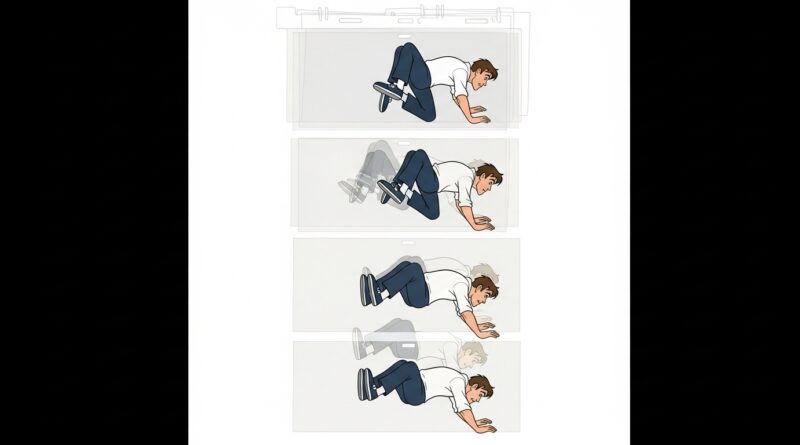
Weight and Settling: When a character lands from a jump, the impact isn’t absorbed instantly. Micro-layering involves separating the compression of the ankles, knees, hips, and spine, each with their own timing and rebound. Even a character shifting weight while standing can involve a heel lift, a knee adjustment, and a hip sway as separate, layered thoughts.
Atmospheric and Environmental Effects: Smoke, dust, magic sparkles, and light rays gain immense realism through micro-layering. Instead of animating one dense cloud of smoke, animate several layers of wisps at different speeds and opacities, creating a complex, evolving texture that feels gaseous and alive.
The Toolbox: Techniques for Creating Gradations
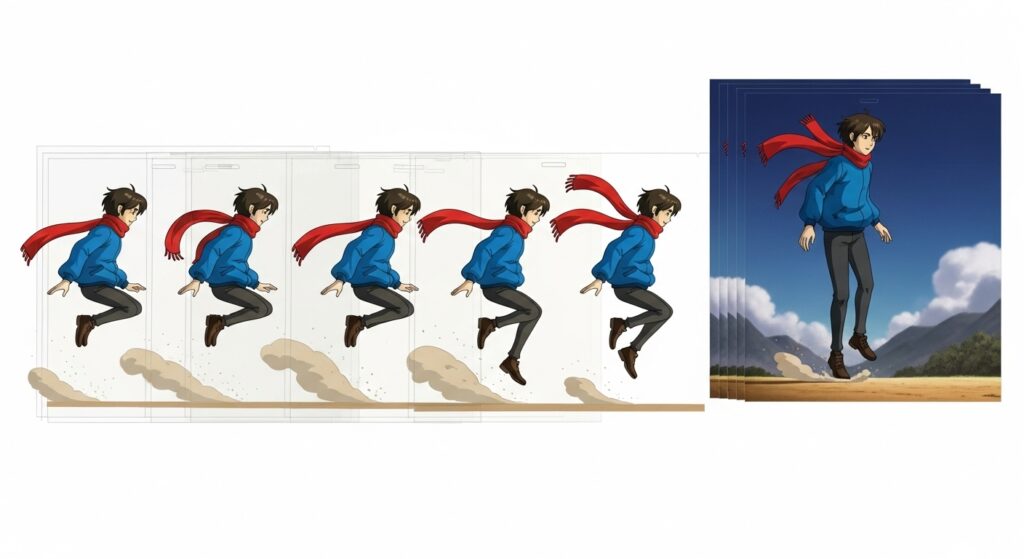
Implementing micro layers varies by medium, but the core concepts are universal. In traditional 2D animation, this meant countless hand-drawn in-betweens and separate cel layers for different elements. In the digital realm, the toolkit has expanded:
Multi-Pass Animation: Animate the primary action on one layer. Then, create new layers for secondary, tertiary, and overlapping actions. Animate each pass separately, focusing on its unique timing and physics. This is non-destructive and offers maximum control.
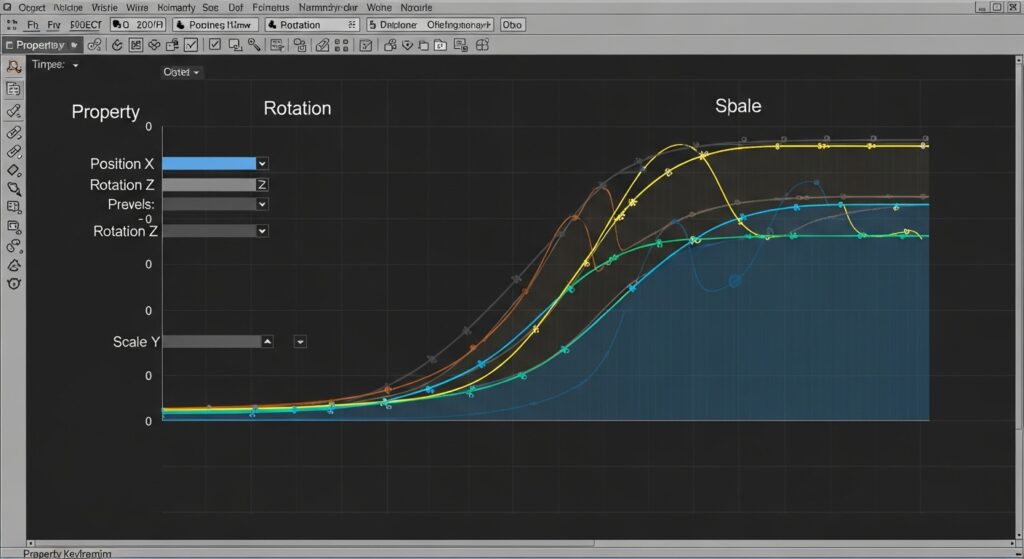
Offset Keyframing & Graph Editor Mastery: In software like After Effects or 3D suites, you can create complex movement on a single layer by strategically offsetting keyframes for different properties. The Graph Editor is your best friend here, allowing you to craft custom easing curves for each property (position, rotation, scale) so they each have their own distinct, nuanced timing.
Procedural Assistance: Tools like wiggle expressions (in After Effects), noise modifiers, or spring dynamics can be used to generate base layers of micro-movement. However, the artist’s role is crucial to curate, direct, and layer this procedural noise so it serves the intention, rather than appearing random.
The Power of the Hold: Crucially, micro layers are not about constant motion. They are about the quality of motion between holds. A well-animated hold is still active, filled with these tiny life-giving gradations—a breath cycle, a slight balance correction, the slow blink. It’s alive, not frozen.
Case Study: The Micro-Layered Breath
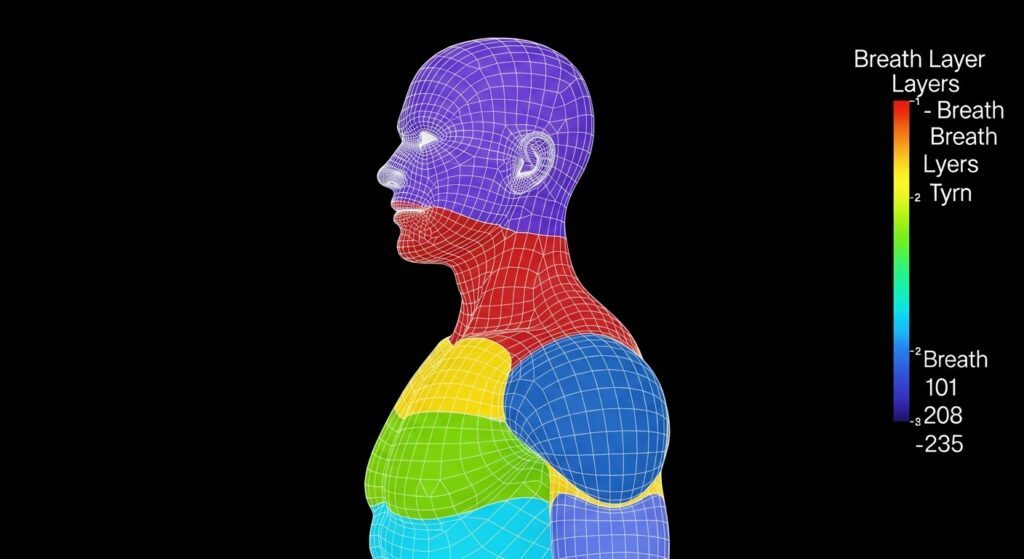
Let’s examine a universal action: a character taking a breath. A simple approach is a uniform chest expansion and contraction. A micro-layered approach transforms it into a story.
Layer 1 (Core Drive): The main chest and abdomen expansion on the inhale.
Layer 2 (Sequential Flow): A slight delay in the shoulder lift, following the chest’s lead.
Layer 3 (Counter Movement): As the chest expands forward, the upper back may subtly arch backward for balance.
Layer 4 (Subtle Extremities): The fingertips might rotate outward a few degrees on the inhale, and relax back on the exhale.
Layer 5 (Facial Integration): The nostrils may flare slightly, and the jaw can relax, causing a tiny drop of the lower lip.
Individually, each layer is almost trivial. Combined, they create a breath that feels organic, weighted, and emotionally resonant. It signals a living, thinking being, not a posed mannequin.
The Pitfall of Overcomplication
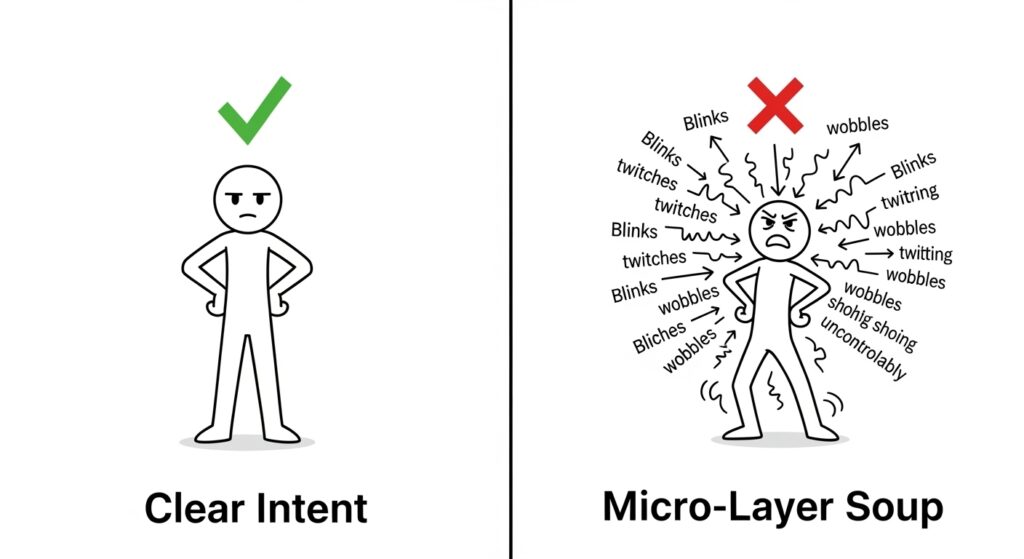
With such power, there is a temptation to overdo it. The goal of micro-layering is subtlety, not chaos. More is not always better. The key is intentionality. Every micro layer must serve the core action and the emotional beat of the scene. A tense, held pose will have different—and fewer—micro-movements than a relaxed, contemplative one.
Over-layering can lead to a “busy” or jittery performance that distracts from the narrative. Always review your work at full speed and in context. If a micro layer draws attention to itself, it has failed its purpose. Dial it back until it contributes to the whole without announcing its presence.
Weaving the Tapestry of Life
Mastering micro layers is a lifelong pursuit for an animator or motion designer. It moves you from being an operator of software to a choreographer of life’s invisible rhythms. It demands patience, observation, and a deep respect for the complexity of the natural world.
Start small. Choose one element in your next project—the sway of a pendant, the drift of hair, the idle cycle of a background character—and dedicate a few extra layers to it. Break it down. Offset its keys. Give it a life of its own. You will quickly see how these tiny gradations begin to elevate your work from the mechanical to the magical, from movement to meaning.
In the end, the most powerful animation connects with us on a human level. It reminds us, subconsciously, of the beautiful, intricate noise of being alive. And that connection is built, layer by tiny, meticulous layer.