Modern Hairstyles That Avoid Overlayering
For decades, layering has been the go-to technique for adding movement, volume, and shape to hair. But in the quest for texture, a common pitfall emerges: overlayering. This occurs when too many layers are cut, too short, or without enough regard for the hair’s natural weight and growth pattern. The result? Hair that can look thin, frayed, and lacking in substance, often becoming frustratingly difficult to style. The good news is that modern hairstyling has evolved, offering a plethora of chic, contemporary styles that prioritize healthy density and clean lines over excessive thinning. This guide explores the art of strategic cutting, showcasing hairstyles that deliver style, volume, and movement—all while keeping your hair looking and feeling full and robust.
The Problem with Overlayering: Why Less Can Be More
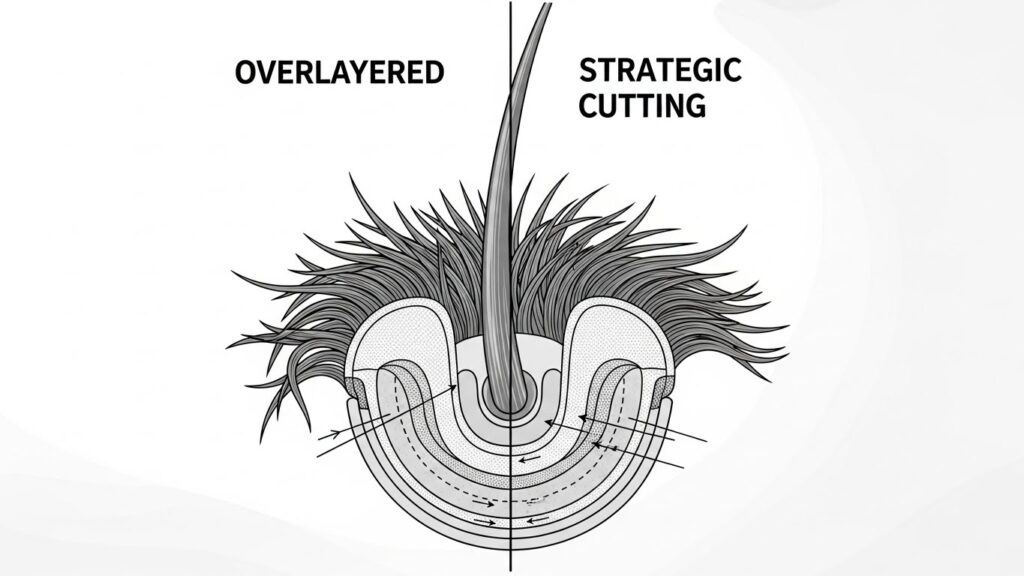
Before diving into the solutions, it’s crucial to understand the problem. Overlayering isn’t just an aesthetic issue; it can impact the long-term health and manageability of your hair. When hair is over-layered, especially on finer hair types, it removes the necessary weight that gives hair its swing and shape. This can lead to a top-heavy appearance where the crown has volume but the ends appear sparse and feathery. For those with curly or wavy hair, excessive layering can disrupt the natural curl pattern, causing frizz and uneven shape. Furthermore, over-layered hair often lacks the necessary structure to hold a style, making it fall flat quickly or poof out unpredictably. The modern approach shifts focus to precision placement and retaining internal weight, creating styles that are both stylish and sustainable.
The Modern Blunt Cut: Precision and Power
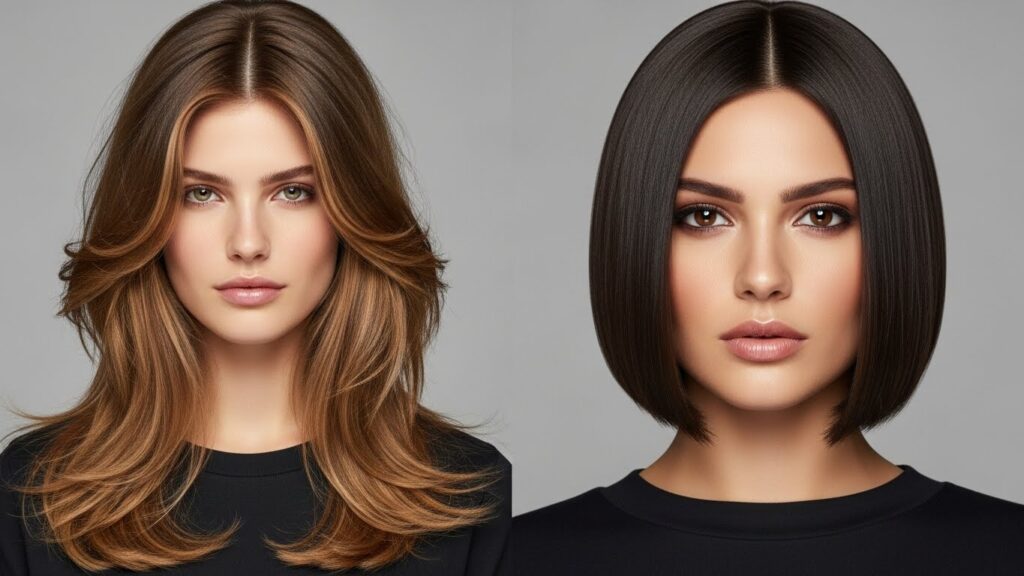
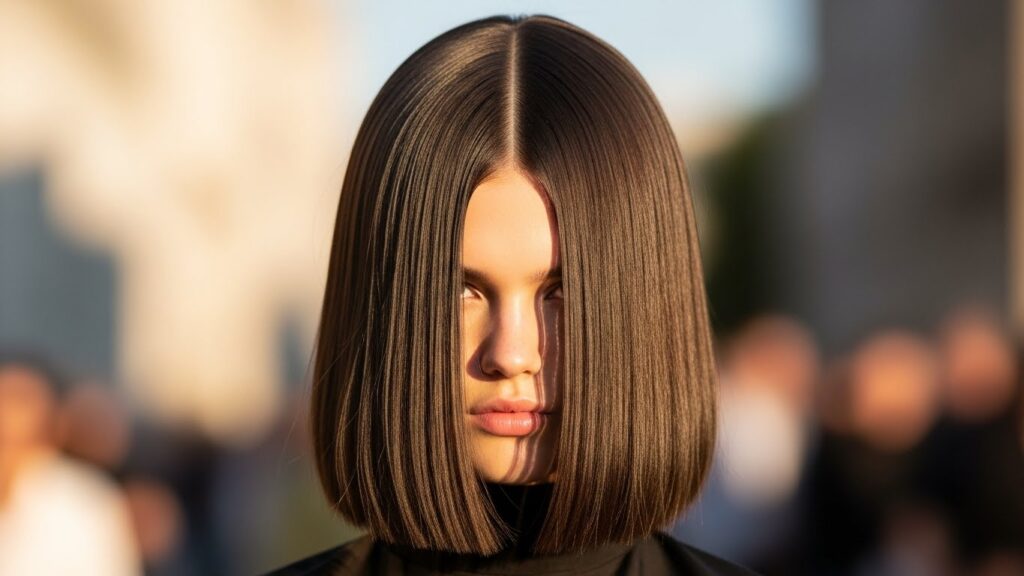
Once considered simple or severe, the blunt cut has been reinvented as the ultimate modern style that defiantly avoids overlayering. Today’s blunt cuts are about sharp, clean lines and maximized density. This technique involves cutting the hair to one length, which allows the ends to stack together, creating an illusion of thickness and incredible shine. The contemporary twist includes subtle variations like blunt lobs (long bobs), face-framing blunt bobs, or blunt cuts with barely-there texture only at the very ends. This style is perfect for showcasing hair health, making fine hair look fuller, and giving thick hair a sleek, polished appearance. It’s a powerful statement that proves avoiding layers doesn’t mean sacrificing style.
The Updated Shag: Controlled Texture, Not Chaos
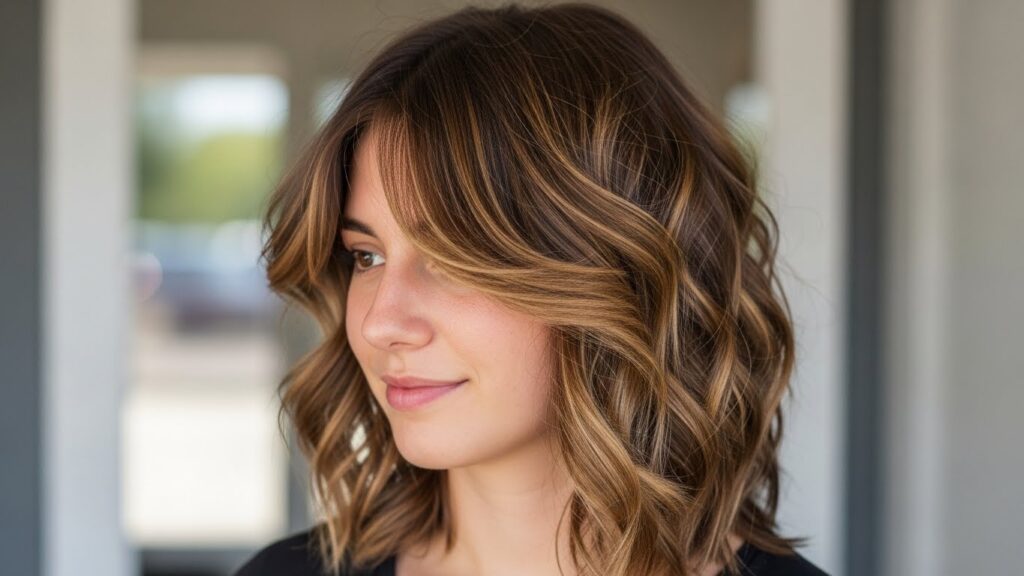
The shag haircut has made a triumphant return, but the 2024 version is a masterclass in avoiding traditional overlayering. The modern shag uses cleverly placed, longer layers around the interior and perimeter to create volume and texture without compromising the hair’s overall integrity. Instead of short, choppy layers throughout, today’s shag focuses on face-framing pieces and strategic layering primarily at the crown and front. The back and sides maintain more length and weight, preventing the “triangle” effect of old shags. This cut works brilliantly with waves and curls, as the layers are cut to work with the natural pattern, not against it. It’s all about effortless, piece-y texture that looks intentional, not thinned out.
Long Layers with a “Bottom-Up” Approach
For those who love the versatility of layers but fear the wispy ends, the solution lies in the “bottom-up” layering technique. This method starts by establishing a strong, healthy perimeter (the bottom length). Then, longer layers are cut from below, starting higher up the hair shaft. This means the shortest layers are still quite long, and they blend seamlessly into the longer length without creating noticeable, stair-step shortness. The goal is to remove weight from the interior of the haircut to encourage movement, while preserving a solid, thick-looking hemline. It’s the ideal compromise for long hair that needs shape and reduced bulk without the fragility of over-layered ends.
The Face-Framing Focus: Targeted Layering
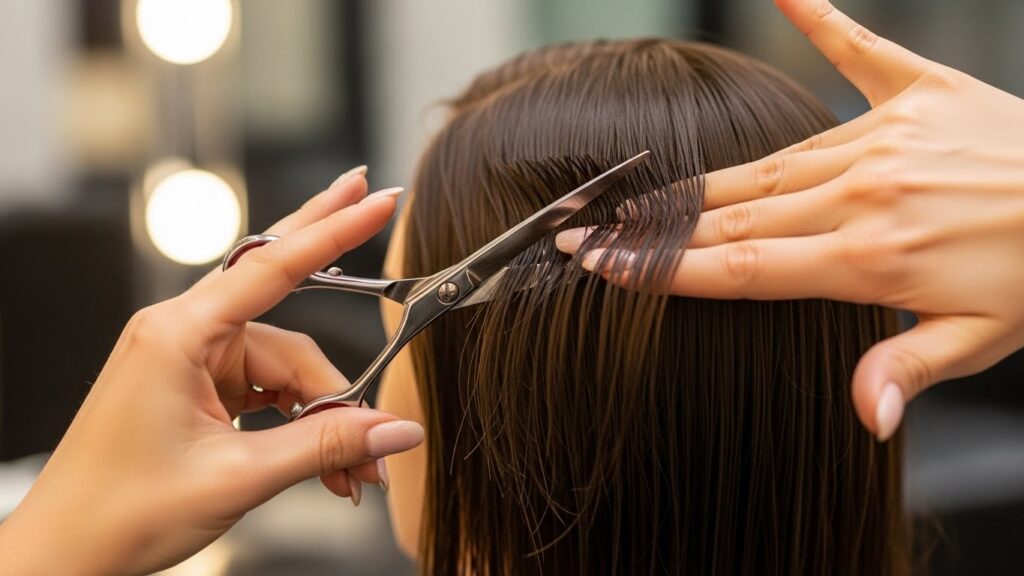
Sometimes, all you need is a little strategic definition. Targeted face-framing is a minimalist’s approach to layering that completely avoids the pitfalls of overlayering. This involves cutting only a few select pieces around the face—typically from the cheekbone to the chin area—to highlight your features and soften the haircut. The rest of the hair remains untouched, either blunt or with very long layers. This technique gives you the benefit of customizable, flattering layers where you want them most, while 100% of the bulk and length is preserved everywhere else. It’s a low-commitment, high-impact style that grows out beautifully.
Blunt Ends with Internal Texturizing
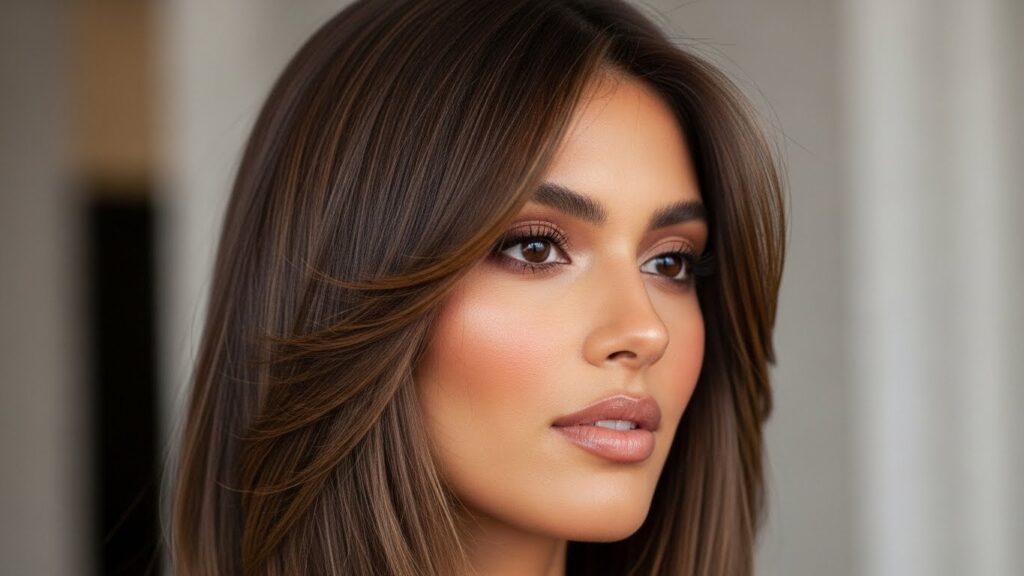
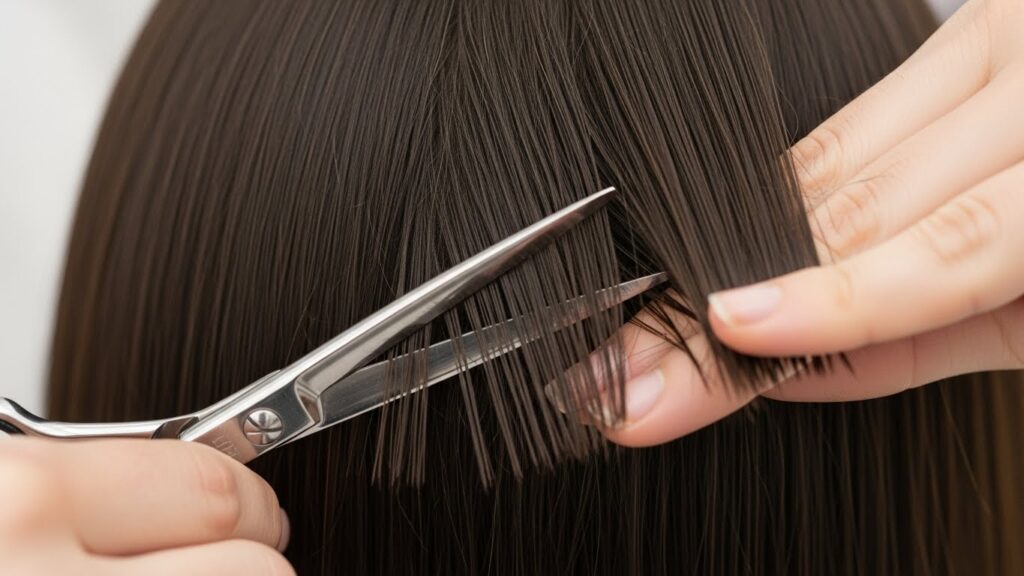
This advanced cutting method is the secret weapon for hairstylists who want to add movement without sacrificing the appearance of fullness. The haircut maintains a strong, blunt perimeter, so the outer silhouette looks full and solid. Then, using techniques like point cutting or slide cutting, the stylist carefully texturizes the interior of the hair mass. This removes some internal weight to reduce bulk and allow the hair to bend and move more freely, but it does not affect the clean line of the ends. It’s like hollowing out the inside of a sculpture—the outside shape remains impressively intact, but it’s lighter and more dynamic.
How to Communicate Your “No Overlayering” Goals to Your Stylist
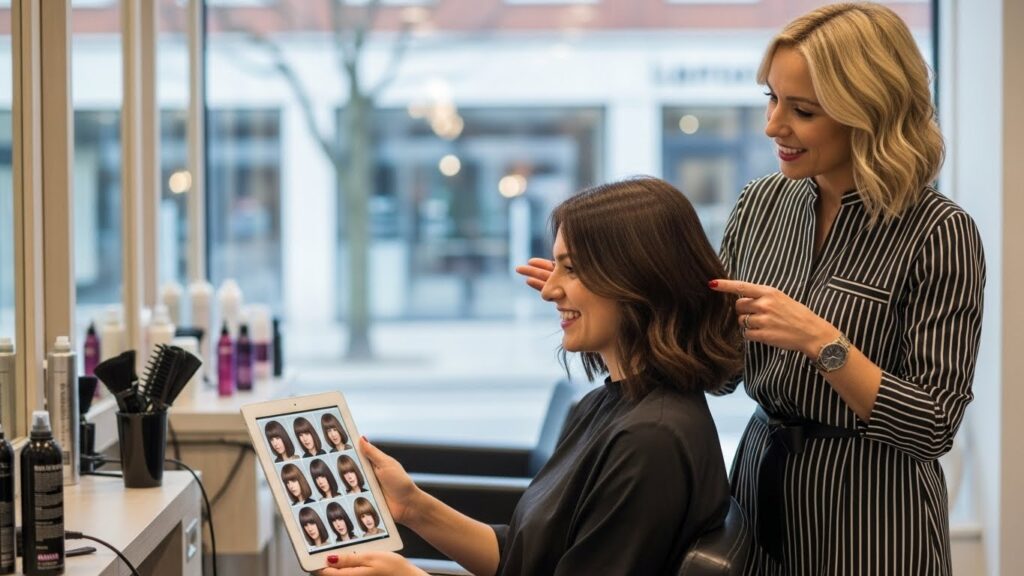
Getting the right cut starts with a clear consultation. Use specific language to ensure you and your stylist are aligned. Say things like: “I want to maintain as much density and weight as possible,” or “I’d like to avoid short layers and wispy ends.” Ask for “long, blended layers” or a “strong perimeter.” Bring photos that showcase the solidity you like, even if the color or length differs. A skilled stylist will appreciate this direction and can recommend the best technique—whether it’s a blunt cut, bottom-up layers, or internal texturizing—for your hair type and face shape. Remember, the goal is a partnership for a haircut that grows out as beautifully as it looks on day one.
Embrace the Weight: The Future of Hair is Full
The trend towards hairstyles that avoid overlayering is more than a passing fad; it’s a shift towards celebrating hair’s natural strength and vitality. Modern techniques prove that you can have a stylish, dynamic, and manageable haircut without resorting to excessive thinning or short layers. Whether you opt for the sharp sophistication of a blunt cut, the cool-girl texture of a modern shag, or the cleverly concealed movement of internal texturizing, the key is intentionality. By choosing a cut that respects the integrity of your hair’s length and density, you’re investing in a style that not only looks incredible today but also sets the foundation for healthier, fuller-looking hair tomorrow. Ditch the wispy ends and embrace the power of a precise, weight-conscious cut.