Modern Takes on Classic Haircuts
In the cyclical world of beauty and fashion, what’s old is perpetually becoming new again. Yet, the most exciting moments occur not when a trend simply returns, but when it is reimagined. Classic haircuts carry with them decades of cultural significance, from the rebellious bobs of the 1920s to the voluminous shags of the 1970s. Today, these iconic styles are not being copied; they are being evolved. Modern takes on classic haircuts blend the timeless structure and sophistication of the originals with contemporary texture, customization, and a liberated approach to personal expression. This isn’t about nostalgia—it’s about creating something entirely fresh from a beloved blueprint.

The Timeless Bob: From Precision to Personality
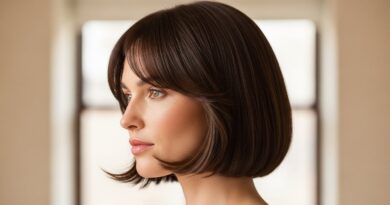
The bob is arguably the most influential haircut in modern history. Its original incarnation was a symbol of liberation and modernity. Today’s bob has shattered its own rigid rules. Gone is the requirement for knife-sharp, chin-length perfection. The modern bob celebrates asymmetry, wearability, and individuality.
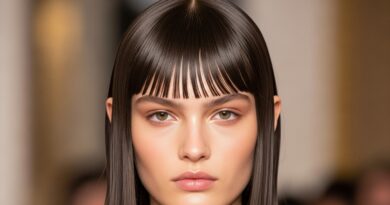
Think less “pageboy” and more “effortless cool.” The lob (long bob) offers a versatile entry point, often with subtle, disconnected layers for movement. The curtain bang bob pairs the classic length with face-framing bangs that part in the center, softening the entire look. For a bolder statement, the blunt bob with shaved nape or undercut details juxtaposes clean, heavy lines with hidden, edgy elements. The finish is also key—today’s bobs are often styled with a piecey, textured feel using pomades or sea salt sprays, rather than the sleek, helmet-like shine of the past.

The Pixie Cut: Softened and Sculptural
The pixie cut, popularized by icons like Audrey Hepburn and Mia Farrow, was once the epitome of gamine chic—short, neat, and perfectly coiffed. The contemporary pixie, however, has traded some of that polish for raw texture and sculptural shape. It’s less about looking “cute” and more about projecting confidence and artistry.
Modern versions often feature disconnected layers, longer, sweeping fringe, and intentionally messy texture. Think of a grown-out pixie as a starting point, not a style in need of a trim. Stylists use razor cutting and point cutting to create internal movement, making the style easier to manage and style with just fingers and a bit of product. The “lived-in” pixie might have a tousled top with closely shaved or faded sides, creating a beautiful contrast. Color also plays a huge role, with shadow roots, money pieces, and balayage adding dimension and modernizing the silhouette even further.

The Shag: The Return of Radical Texture
Born in the 70s, the shag was the haircut of rock stars and free spirits. Its hallmark was layers, layers, and more layers, creating a halo of volume. The 2020s shag revival, sometimes called the “modern shag” or “curtain shag,” has taken that foundation and refined it. It’s no longer just about maximum volume; it’s about strategic, face-framing layers and a seamless blend.
The modern shag is defined by its soft curtain bangs, rounded layers that follow the head’s shape, and a focus on creating movement without sacrificing weight. It works miraculously well with wavy and curly hair textures, embracing natural pattern rather than fighting it. The “mullet-shag” hybrid embraces a shorter, tapered back with longer front pieces, appealing to a more avant-garde aesthetic. This cut is perfectly imperfect, designed to look best when air-dried and scrunched, making it a favorite for its low-maintenance, high-impact appeal.

The Men’s Classic Crew Cut & Side Part: Relaxed Refinement
Men’s classic haircuts are undergoing a similar revolution. The military-inspired crew cut and the corporate side part have been liberated from their strict associations. The modern crew cut, or textured crop, often features a slightly longer length on top with a scissor-cut finish for texture, fading softly into the sides rather than a harsh line. It’s athletic yet artistic.
The side part has evolved into the textured side-swept style or the “soft part.” The hard, razor-straight part lines are out; instead, hair is trained to fall naturally with a loose parting, styled with matte products for a flexible, touchable hold. These updates prioritize a man’s natural hair texture and growth patterns, creating a look that is polished but not stiff, professional but not impersonal. It’s a shift from uniform conformity to personalized grooming.

The Modern Mullet: Business in the Front, Party in the Back Reimagined
Perhaps the most surprising and bold revival is that of the mullet. Once a symbol of 80s excess, it has been fully reclaimed by the fashion and alternative scenes. The modern mullet is intentional, artistic, and often gender-fluid. It sheds the fluffy permed top and ventures into punk, indie, and high-fashion territory.
Today’s versions might feature a sharp, graphic undercut at the sides, a disconnected long layer in the back, and a variety of textures on top. It can be worn sleek and severe or wildly curly and untamed. The key is the dramatic contrast in length and the statement it makes. This isn’t an accidental haircut; it’s a deliberate choice that celebrates non-conformity and has been spotted on runways and red carpets, lending it a new, edgy credibility.

How to Choose & Request Your Modern Classic
Inspired to update a classic? The most important step is communication with your stylist. Bring visual references—not just of the classic cut, but of the modern elements you love (e.g., “I want a bob, but with the texture and curtain bangs from this picture”). Discuss your hair’s natural texture, your daily styling routine, and how much maintenance you’re willing to commit to.
Use descriptive language: ask for “softer lines,” “lived-in texture,” “disconnected layers,” or “a blended fade.” Emphasize that you want a version that works with your hair, not against it. Remember, the goal of these modern takes is to enhance your natural features and lifestyle, creating a haircut that feels uniquely yours while tipping its hat to the iconic styles of the past.

Conclusion: The Future is a Fusion
The beauty of modern takes on classic haircuts lies in their fusion of respect for the past with a fearless approach to the present. They prove that style is not about erasing history, but about building upon it. These updated versions offer more versatility, inclusivity, and alignment with how we live today—valuing ease, individuality, and authentic expression.
Whether you’re drawn to the sleek history of the bob or the rebellious spirit of the shag, there is a contemporary interpretation waiting for you. By embracing updated textures, personalized lengths, and a looser philosophy, these modern classics ensure that the most legendary hairstyles continue to evolve, inspire, and empower wearers for decades to come. Your next signature look might just be a timeless cut, waiting for your modern twist.