Now 23 Silk Protein Treatments Rebuilding Damaged Cuticles Internally
Okay, let’s be real. We’ve all been there. You chase the perfect 2026 hairstyles—maybe that chic asymmetrical lob or a romantic goth wave—and your hair ends up paying the price. Heat, color, even the weather can leave it feeling like straw. You’re putting the style on the outside, but what about the inside?
That’s where the real magic happens. For years, I thought deep conditioners were the answer. They’d smooth things over for a day, then it was back to frizz city. I felt like I was just covering up the damage, not fixing it.
Then I tried a silk protein treatment. And not just any treatment, but one specifically designed to rebuild. It was a total game-changer. This isn’t a surface-level fix. We’re talking about actually helping your hair rebuild its strength from the inside out. Let’s break down exactly how it works and why your damaged strands are begging for it.
What Is a Silk Protein Treatment, Really?
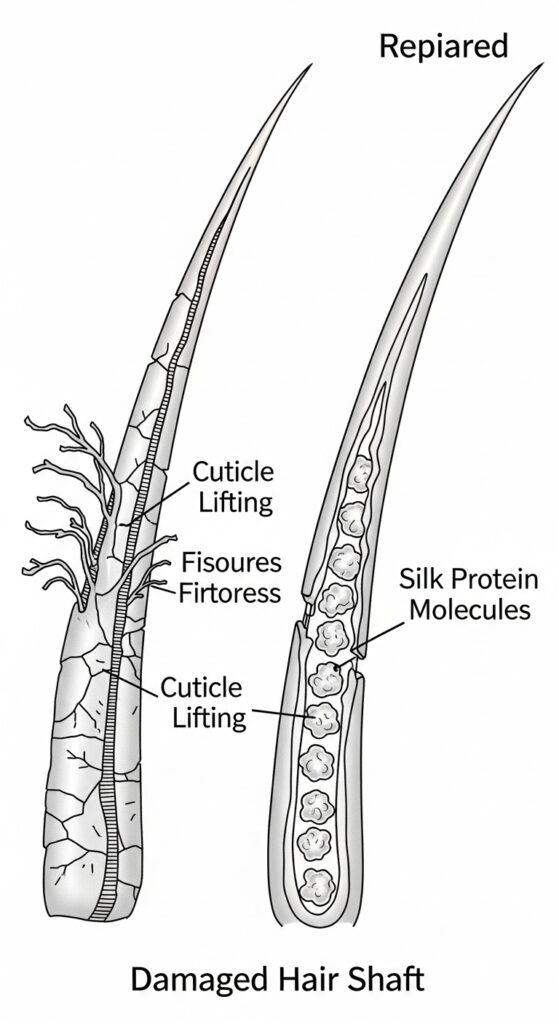
Think of your hair’s outer layer, the cuticle, like shingles on a roof. When it’s damaged, those shingles are cracked and lifted. That’s why hair gets frizzy, dull, and breaks easily.
Most conditioners just sit on top of those broken shingles. A true rebuilding silk protein treatment is different. The molecules are small enough to slip inside the hair shaft, where they bind to the areas that are weak and broken. It’s like giving your hair the building blocks it needs to repair its own structure.
Why “Rebuilding” is the Key Word You Need
Lots of products claim to “repair” hair. But rebuilding is a more active, long-term process. It’s the difference between putting a bandage on a cut and your body actually growing new skin.
Silk protein is similar to the keratin your hair is made of. Because of this, your hair recognizes it and uses it to reinforce its natural framework. This internal reinforcement is what leads to lasting change—less breakage, more elasticity, and a healthier foundation for any style.
When your hair is structurally sound, everything looks better. Whether you’re rocking an old money hair look or a bold glitchy glam hair color, it starts with a strong base.
The Science of Internal Repair vs. Surface Smoothing
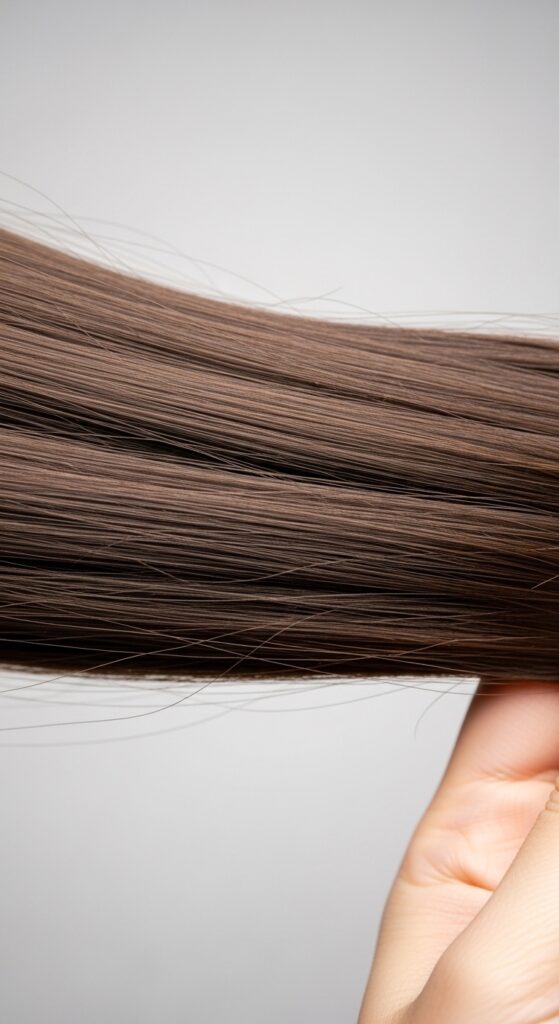
Surface smoothers, like silicones, coat the hair. They create a temporary illusion of shine and smoothness by filling in gaps on the outside. They wash out, and the damage is still there.
Internal repair works from the inside. Silk protein integrates into the hair’s cortex. It doesn’t wash away completely because it becomes part of the hair’s improved structure. The benefits accumulate over time with consistent use.
You’ll notice the difference when your hair is wet. If it feels stronger and less mushy when wet, that’s a sign of true internal improvement, not just a coating.
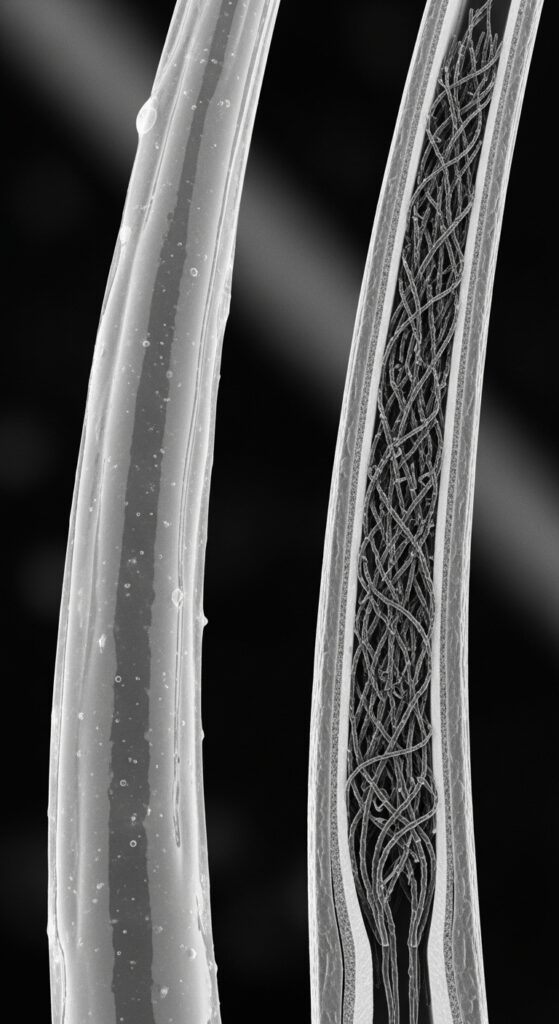
Signs Your Hair Cuticles Are Damaged
How do you know if you need this level of help? Your hair tells you. Listen to it. Here are the big red flags:
- Constant frizz, even in humidity you used to handle.
- It feels rough when you run your fingers down a strand.
- Extreme tangling right after you wash it.
- Your color fades super fast because the cuticle can’t hold it in.
- It breaks easily, especially when wet or brushing.
If you’re nodding along, your cuticles are likely raised and damaged. They need rebuilding, not just calming down.

How Silk Protein Bonds to Damaged Areas
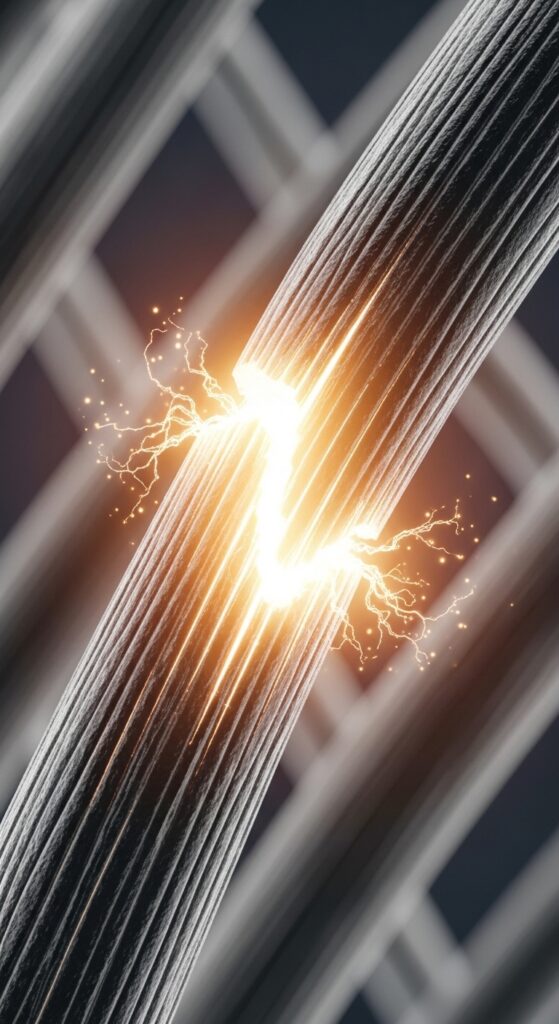
Damaged hair is porous. It has tiny holes and cracks in the cuticle layer. This is actually the entry point for the treatment.
The hydrolyzed silk protein in these treatments is broken down into tiny particles. These particles are attracted to the damaged, negatively charged spots on your hair. They literally bond to them through electrostatic attraction.
Once bonded, they fortify those weak spots, helping to “glue” the cuticle back down and add density to the hair shaft. It’s a targeted repair job.
The 23-Minute Miracle? Why Timing Matters
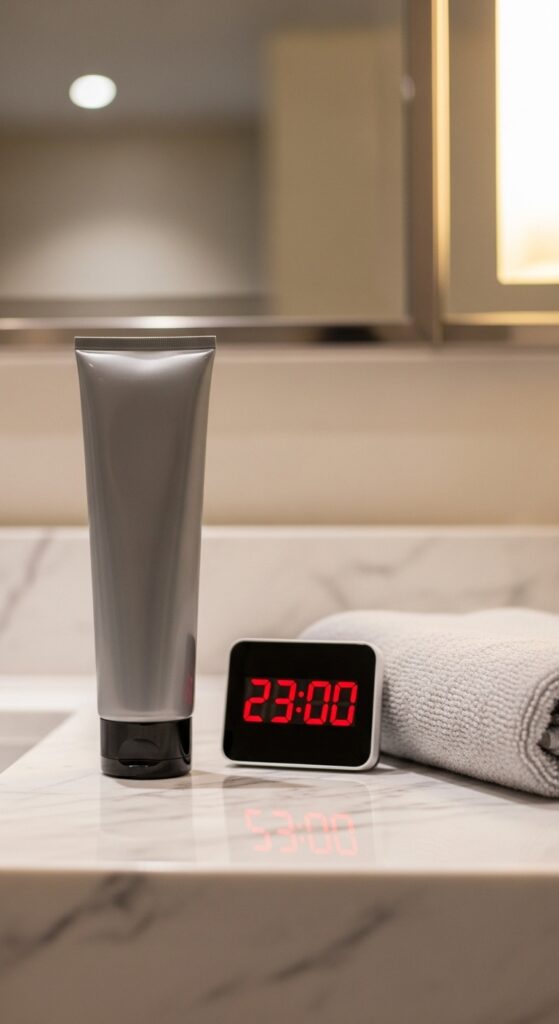
You might see “23” on a treatment bottle. This often refers to the ideal processing time. It’s not a random number. This timeframe allows for optimal penetration without over-saturating the hair.
Too short, and the proteins don’t have time to fully travel inside. Too long, and you risk slight over-proteinization, which can make some hair types feel stiff. The 23-minute sweet spot ensures deep, balanced rebuilding.
Set a timer! Use that time to relax. This is your hair’s therapy session.
Step-by-Step: How to Apply for Maximum Results
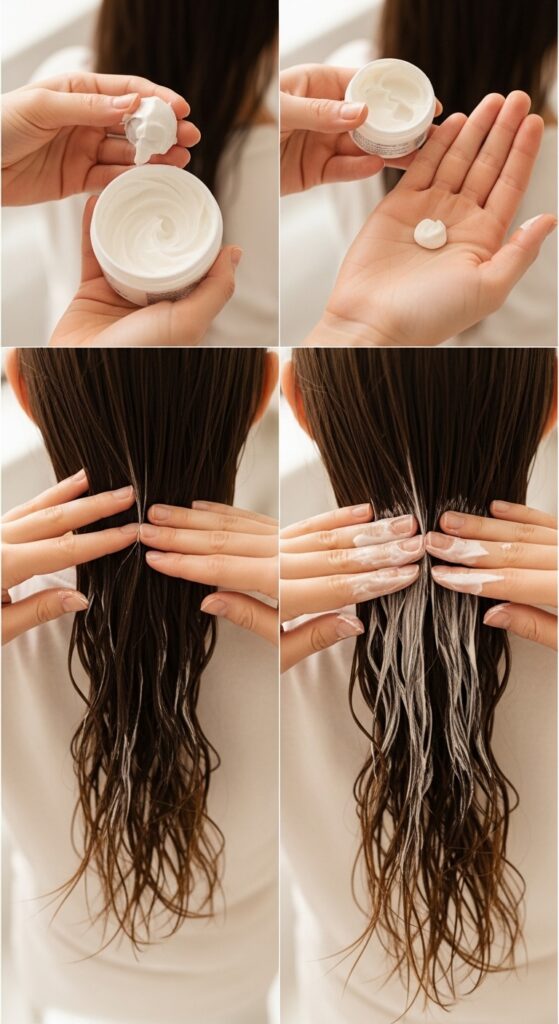
- Start with shampooed, gently towel-dried hair. It should be damp, not dripping.
- Section your hair to ensure even application. Focus on the mid-lengths and ends where damage is worst.
- Apply the treatment generously, using a wide-tooth comb to distribute it perfectly.
- Pop on a shower cap. The heat from your head will help the process.
- Set your timer for 23 minutes. Rinse thoroughly with cool water to seal the cuticle.
Follow with your favorite conditioner if the treatment directions suggest it.
Will It Weigh Down Fine Hair?
This is the number one question I get. The answer is no, if you use the right product and apply it correctly. Look for treatments labeled “lightweight” or “for fine hair.”
The key is to avoid the roots. Start your application at least an inch from your scalp. The goal is to rebuild the damaged lengths, not your fresh, healthy roots.
For fine hair, a thorough rinse is extra important. You’ll be left with strength and body, not flatness. It can actually make your quiet luxury bob look more expensive by adding healthy volume.
Transforming Color-Treated and Bleached Hair
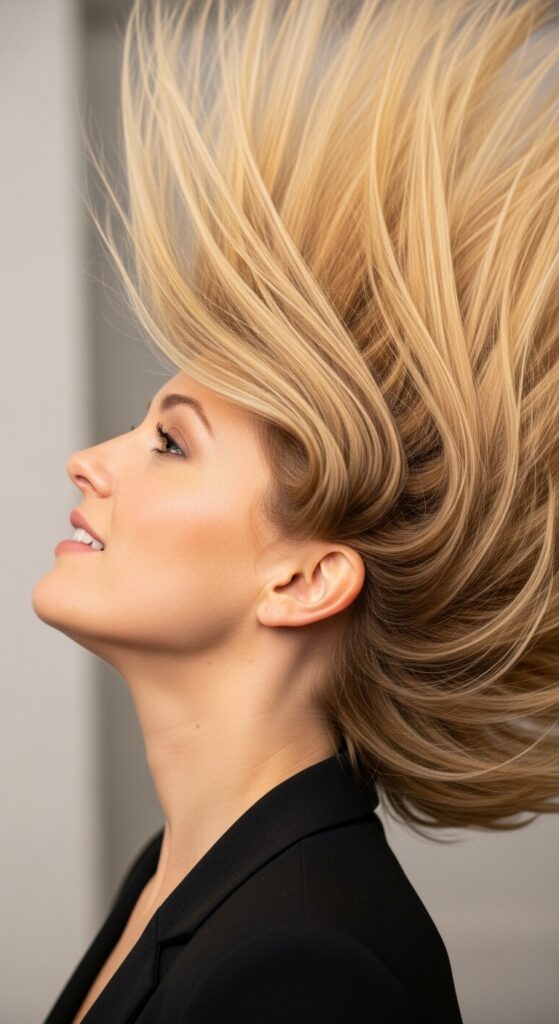
If you have color, especially bleach, your hair is highly porous. It drinks up treatments but also loses moisture fast. Silk protein is a savior.
By filling in those gaps, it helps lock in your color molecules, making your vibrancy last longer. It also prevents color from “bleeding” out as quickly. It creates a smoother canvas, so your glitchy glam hair or vivid hues look even more stunning.
Stronger hair also holds curls and styles from your tools better, so your look endures.
Perfect Prep for Heat Styling
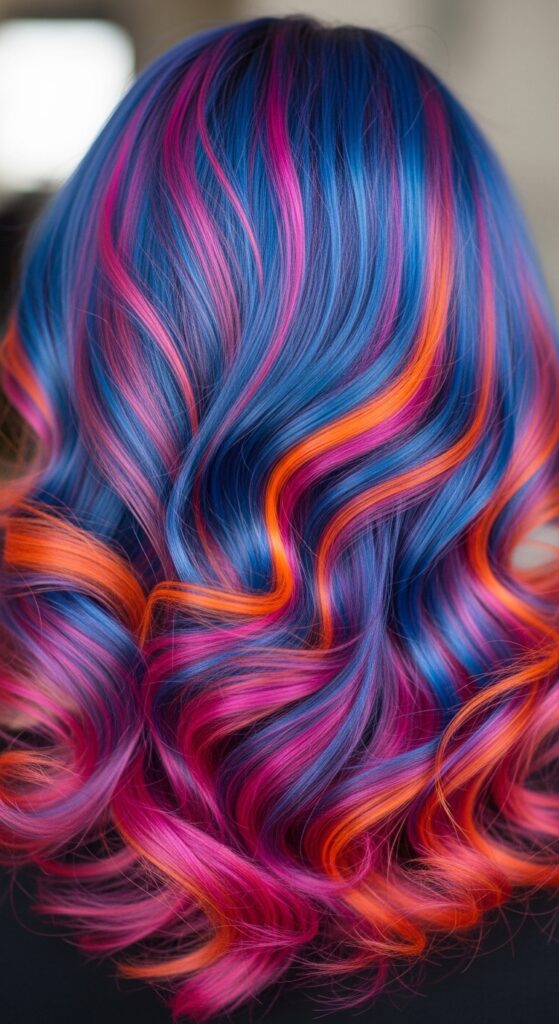
Want your blowout to last longer and your curls to hold? Rebuilt hair is the best prep. A smooth, sealed cuticle resists humidity better, which is what causes styles to fall.
When the hair is strong internally, it can withstand heat better. You might even find you can lower the temperature on your tools. This sets you up for flawless 2026 hairstyles at home.
Always use a heat protectant on top of the treatment. Think of the treatment as your foundation, and the protectant as your daily shield.
Making Your Blowout Last 3 Days (Seriously)
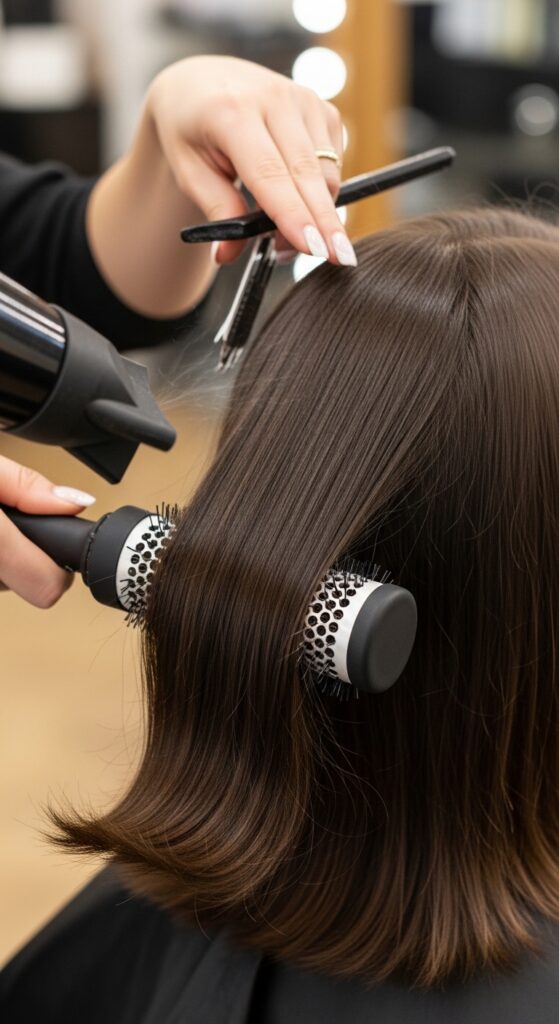
A solid silk protein treatment every few weeks is the secret to multi-day hair. Here’s why: with a sealed cuticle, less moisture from the air gets in to cause frizz and puffiness.
Your style stays smoother, closer to its original shape. Dry shampoo works better on this smoother surface, too. You can stretch that asymmetrical lob or sleek look way longer.
It saves you time and stress on busy mornings. Who doesn’t want that?
The Old Money Hair Secret: Internal Health
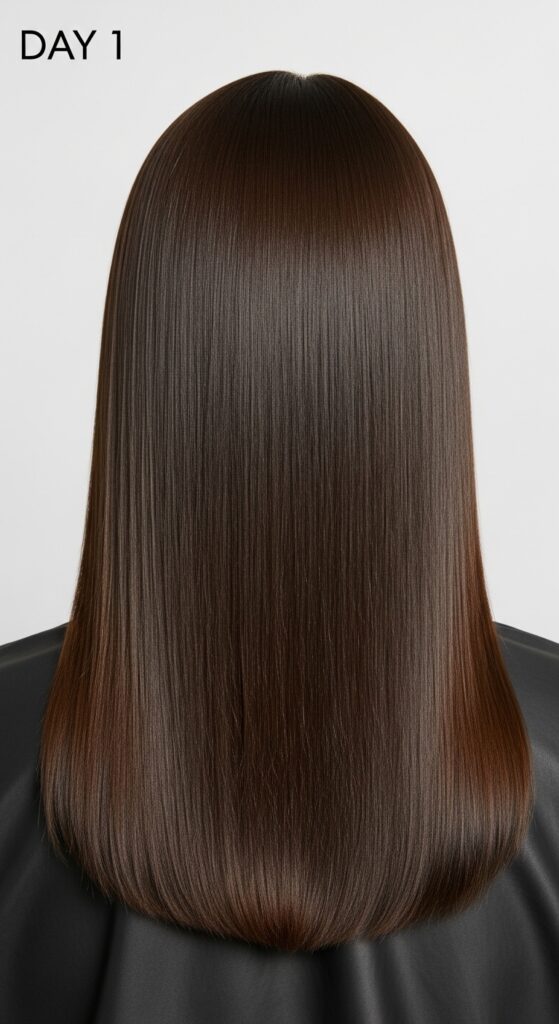
Old money hair isn’t about a specific cut. It’s an aura of health, thickness, and natural shine. It looks expensive because it is healthy.
That “lived-in but perfect” texture comes from hair that is fundamentally strong. Regular internal rebuilding with silk protein creates that dense, shiny, touchable quality. It makes even simple styles look incredibly intentional and luxe.
It’s the ultimate quiet luxury for your beauty routine.
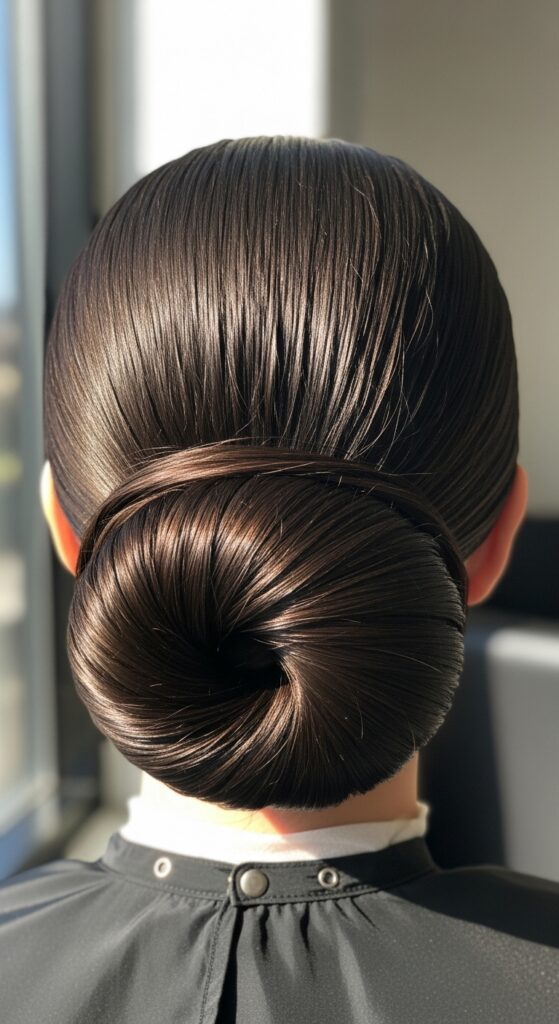
Building a Foundation for Edgy Cuts
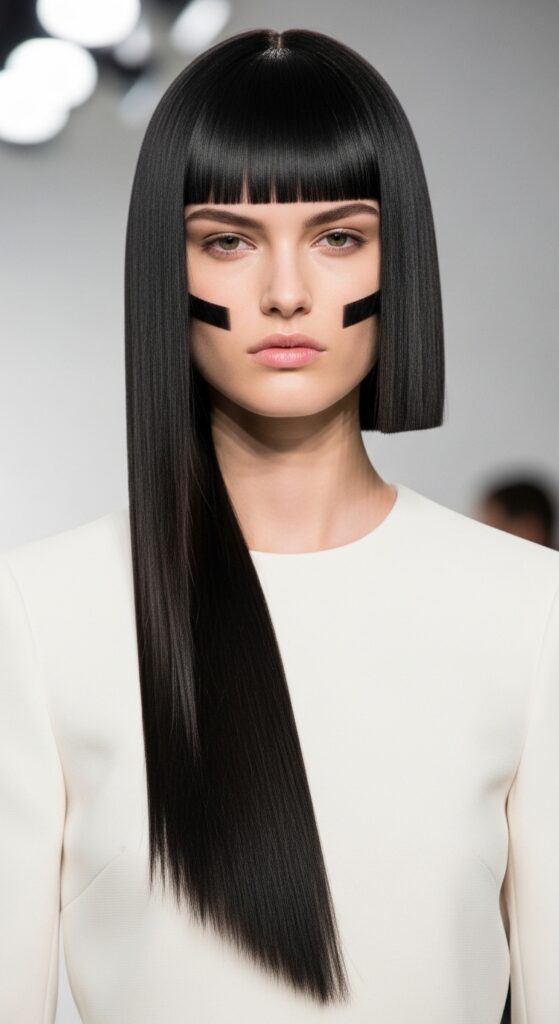
Thinking of a vampire haircut or a sharp hime cut? These styles rely on sharp lines and defined shapes. If your hair is fried, those lines will look frayed and fuzzy.
Rebuilding treatments ensure your ends are solid, not see-through or split. This lets your stylist create crisp, clean lines that last. Healthy hair holds the geometry of an edgy cut perfectly.
Talk to your stylist about treatments before your big chop for the best possible canvas.
Adding Movement to Romantic Goth Hairstyles
Romantic goth hairstyles are all about soft waves, texture, and a touch of drama. Damaged hair can’t hold a soft wave—it either goes limp or frizzy.
When your hair is rebuilt, it has better elasticity. This means it can hold a curl pattern beautifully, creating those soft, romantic waves without falling flat. The shine also adds to that luxurious, darkly romantic feel.
It’s the health that makes the fantasy look believable.

Frizz Control That Actually Works
Frizz is raised cuticles. You can’t fight it by just slapping on serum. You have to address the root cause: the lifted, damaged cuticle layer.
By bonding to the hair and helping to smooth that layer down from the inside, silk protein treatments reduce frizz at its source. Your hair becomes more resistant to humidity because there are fewer gaps for moisture to swell.
This leads to naturally smoother hair, requiring less product to control it day-to-day.
How Often Should You Do This Treatment?
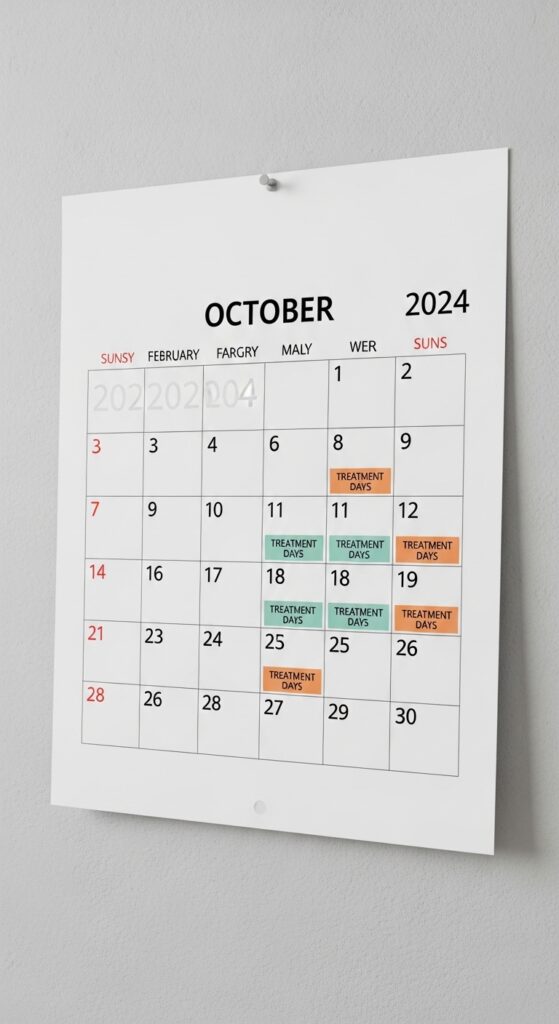
This depends on your damage level. For severely damaged hair, once a week for a month can work wonders. For maintenance, every 2-4 weeks is perfect.
Listen to your hair. If it starts to feel a bit stiff or straw-like (rare, but possible), you might be overdoing it. Switch to a moisturizing mask for a session.
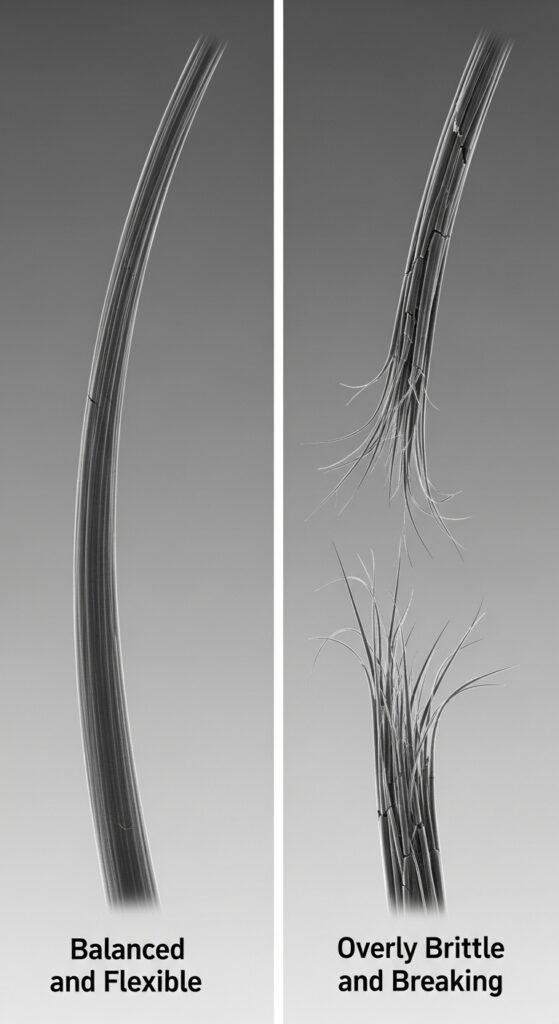
The goal is a balance between protein (for strength) and moisture (for flexibility).
Can You Overdo Protein? The Moisture Balance.
Yes, you can have too much of a good thing. “Protein overload” happens when hair gets too much protein and not enough moisture. It can feel brittle, stiff, and straw-like.
The fix is easy. If this happens, just take a break from protein treatments. Use a deep, moisturizing conditioner (look for words like “hydrating,” “moisture,” or “butter”) for your next few washes.
Once your hair feels soft and flexible again, you can reintroduce your silk protein treatment on a less frequent schedule.
My Personal Before & After Journey
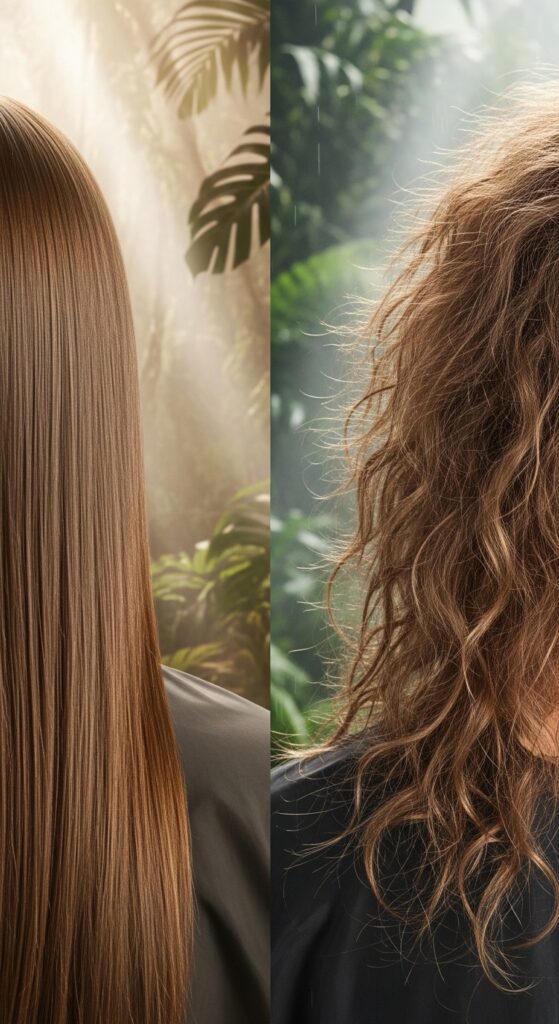
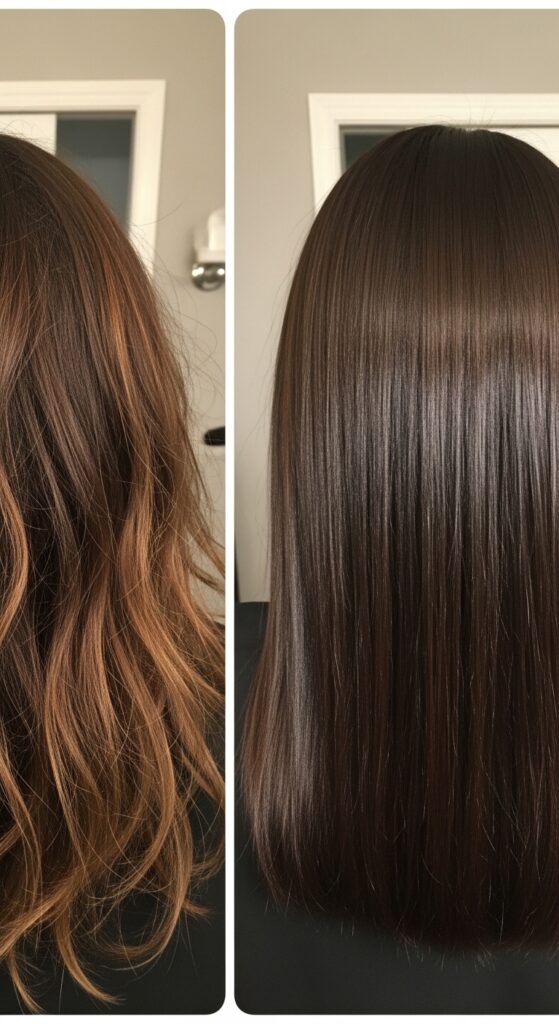
My hair was a mess from constant coloring. It was breaking, tangling, and my asymmetrical lob looked sad and frayed. I felt like I had to choose between style and health.
I committed to a silk protein treatment every two weeks. Within a month, the change was undeniable. My hair felt stronger in my hands. It air-dried smoother. My color looked brighter. The breakage nearly stopped.
It was the practical solution I needed to keep my hair looking styled and feeling healthy.
Choosing the Right Product: What to Look For
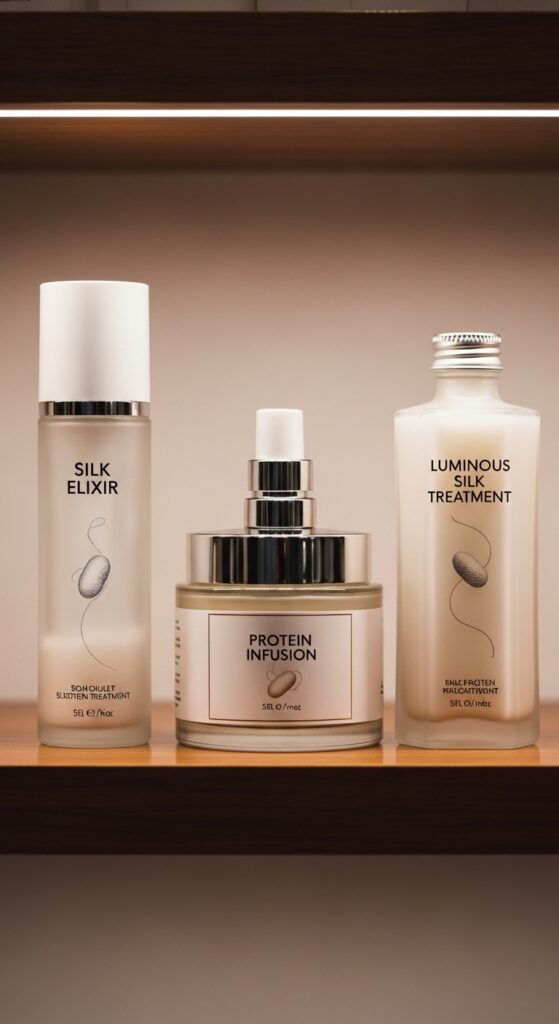
Not all treatments are created equal. Read the label. Here’s your shopping list:
- Hydrolyzed Silk Protein should be high on the ingredients list.
- Look for words like “rebuilding,” “bond repair,” or “internal treatment.”
- Avoid heavy waxes or mineral oil as the main ingredients.
- Choose one for your hair type (fine, color-treated, coarse).
Invest in a quality treatment. It’s the foundation for everything else.
DIY vs. Professional Salon Treatments
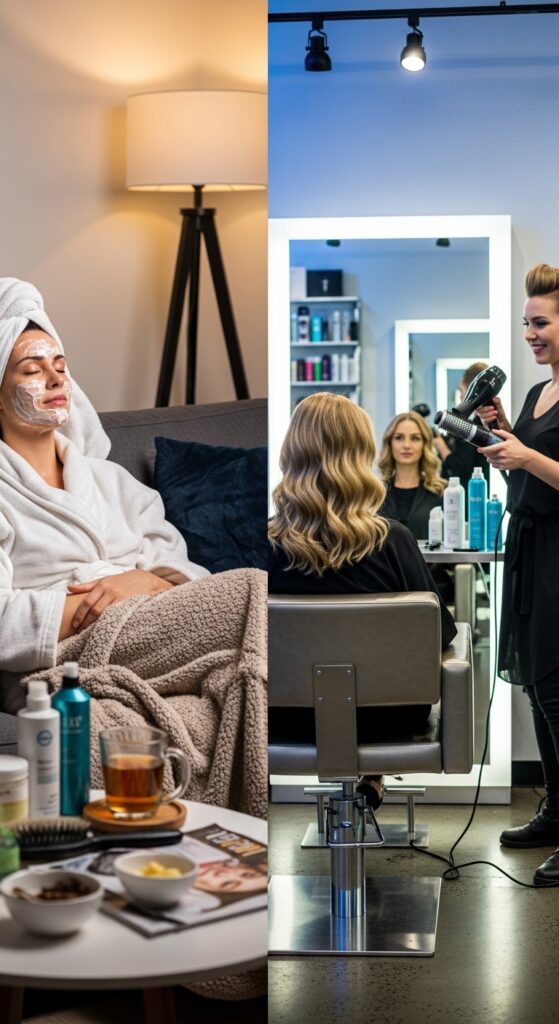
You can get great results at home! The at-home versions are designed to be effective and safe. They’re perfect for maintenance between salon visits.
In-salon treatments are often more concentrated and paired with heat or technology for deeper penetration. They’re great for an initial rescue mission or a quarterly boost.
Both have their place. A consistent at-home routine is the key to lasting health.
The Long-Term Investment in Your Hair
Think of this as a long-term investment, not a quick fix. Every time you rebuild a little strength, you prevent future breakage.
This means you can grow your hair longer, if you want, because the ends aren’t constantly snapping off. It means your haircuts last their full shape. It means you spend less on products trying to fix surface issues.
Healthy hair is easier, cheaper, and more fun to style in the long run.
Your New Hair Care Routine Simplified
Let’s make this easy. Here’s your new, simplified routine framework:
- Cleanse: With a gentle shampoo.
- Rebuild: With your silk protein treatment every 2-4 weeks.
- Moisturize: With a conditioner or mask after every wash.
- Protect: With a heat protectant before styling.
- Maintain: With a light oil or serum on ends for shine.
That’s it. Consistency beats complexity every time.
So, that’s the real tea on rebuilding your hair from the inside. It changed the game for me, and I’ve seen it do the same for so many friends. It’s not just another product promise—it’s a practical way to get the healthy, stylish hair you actually want.
When your hair is strong on the inside, you can play with any style on the outside with confidence. From that sleek quiet luxury bob to those romantic goth hairstyles, it all starts with a solid foundation. Your hair deserves that kind of care.
Save this post to Pinterest to keep this guide handy! And tell me in the comments—what’s the first hairstyle you want to try on your newly strengthened hair? I love hearing from you!