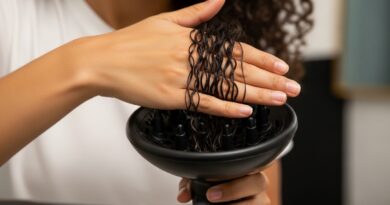
Piecey Layers: Separated Sections for Texture
In a world that often celebrates sleekness and seamless blends, there’s a rebellious, artful beauty in things that are deliberately piecey, separated, and textured. This aesthetic—found in the choppy ends of a haircut, the deconstructed layers of an outfit, or the raw materials in interior design—speaks to a desire for dimension, movement, and individuality. It’s the opposite of flat uniformity. It’s about creating visual interest through strategic separation.
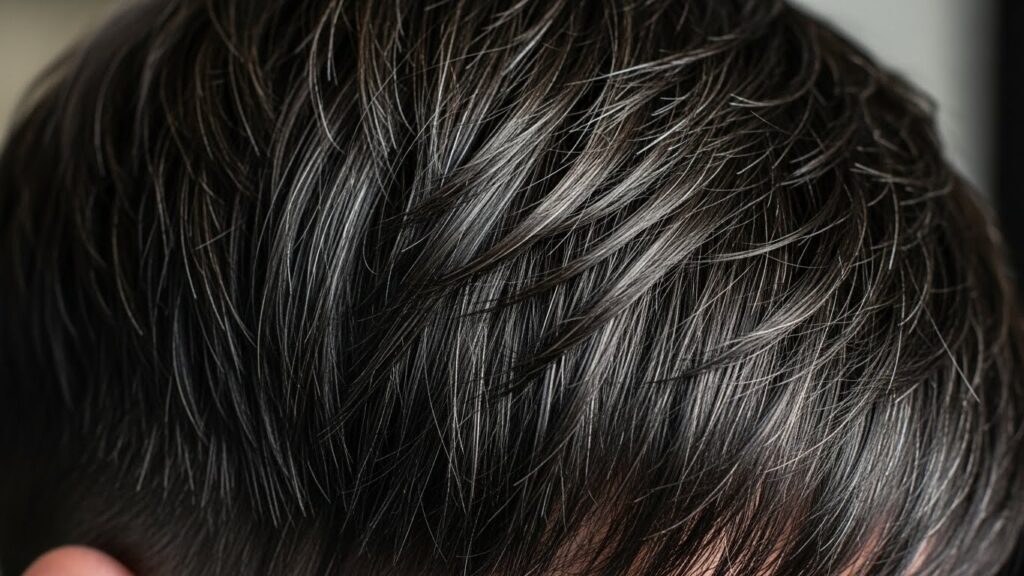
The Philosophy of Piecey: Why Separation Creates Interest
At its core, the power of piecey layers lies in fundamental principles of visual perception. Our eyes are drawn to contrast, to edges, and to points of difference. When something is too smooth or monolithic, it can be read quickly and then ignored. But introduce separation—breaks in the form, spaces between layers, variations in length or material—and you create a path for the eye to travel.
Think of a monolithic block of color versus a mosaic made of fragmented tiles. The mosaic, with its thousands of tiny separations, holds our gaze infinitely longer because it offers complexity and a story in every piece. Piecey layers function as a wearable, tangible mosaic. The separation between each section creates shadows and highlights, adds movement (as in hair or fabric), and suggests a tactile quality that begs to be touched. It transforms a single note into a chord, adding richness and resonance.
This approach also embraces authenticity and effortlessness. It says, “This wasn’t forced into a perfect mold; it has life and character of its own.” It’s a style that works with natural form and movement rather than against it, making it feel modern, organic, and deeply human.
Mastering Piecey Layers in Hair: The Art of the Choppy Shag
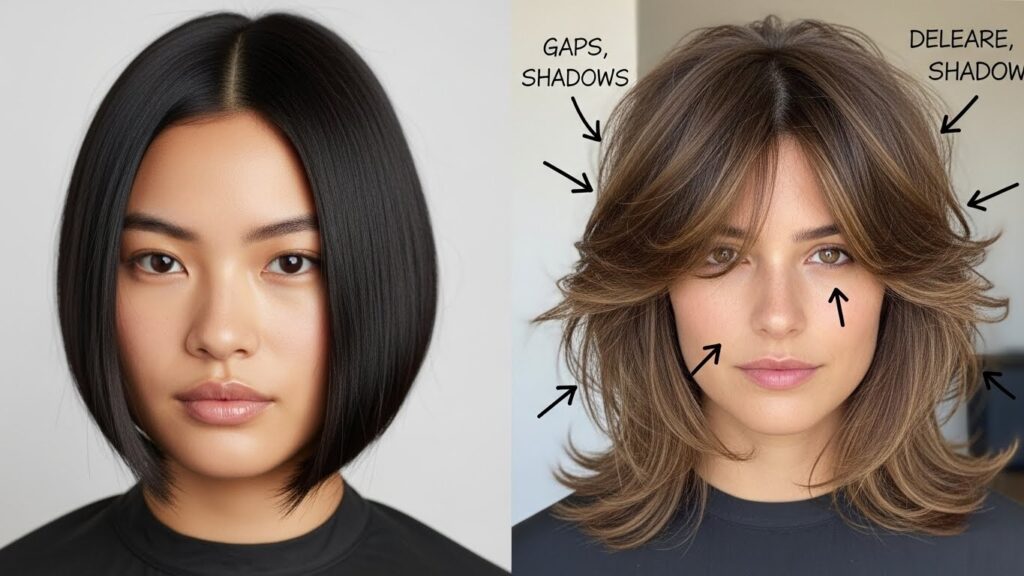
Nowhere is the concept of piecey layers more celebrated than in hairstyling. The evolution from the uniform, geometric cuts of the past to today’s textured shags, bobs, and pixies is a direct embrace of separation for texture. The goal is to create a shape that looks full of air, movement, and individuality.
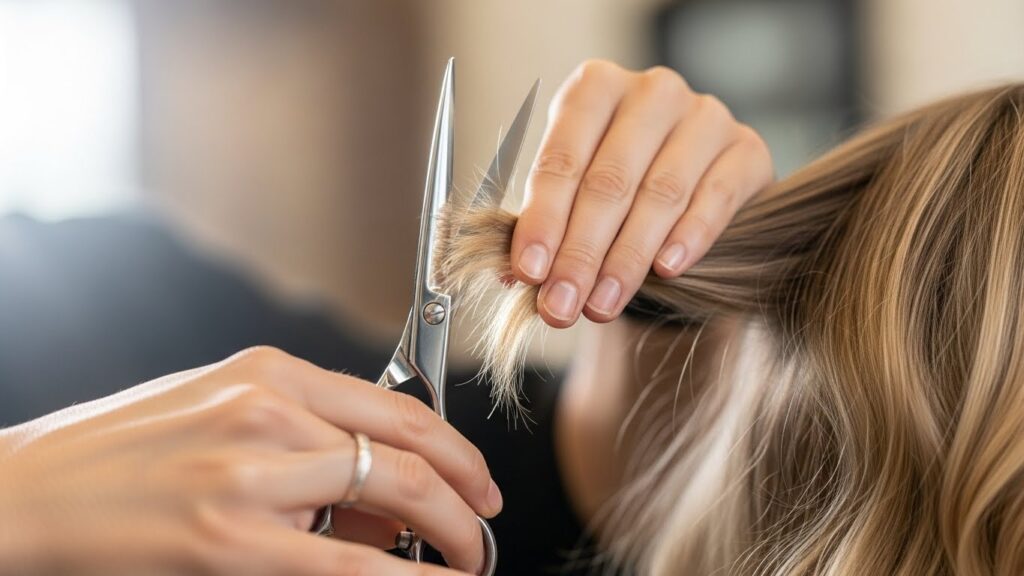
The technique is everything. It’s not just about cutting hair at different lengths; it’s about creating disconnected weight lines. Stylists use methods like point cutting (cutting into the ends of the hair at an angle with the tips of shears) and notching (removing small, strategic sections) to break up solid lines. This prevents layers from falling together in a single, bulky block. Instead, each layer sits independently, allowing light to pass through the gaps and creating a feathered, translucent effect.
Product application is equally crucial for maintaining separation. Heavy creams and gels will weigh layers down and clump them together. To enhance the piecey look, stylists recommend texturizing sprays, light pomades, or sea salt sprays. The key is to apply these products on the mid-lengths and ends, often by scrunching or twisting small sections individually, to define and “separate” each piece. This is the maintenance magic that turns a great cut into an everyday textured masterpiece.
Fashion’s Textural Play: Layering Beyond Warmth
In fashion, piecey layering has moved beyond mere practicality into the realm of high art. It’s the antithesis of the minimalist, single-silhouette look. Here, the separation is achieved through the combination of disparate fabrics, lengths, and volumes that are intentionally not blended smoothly.
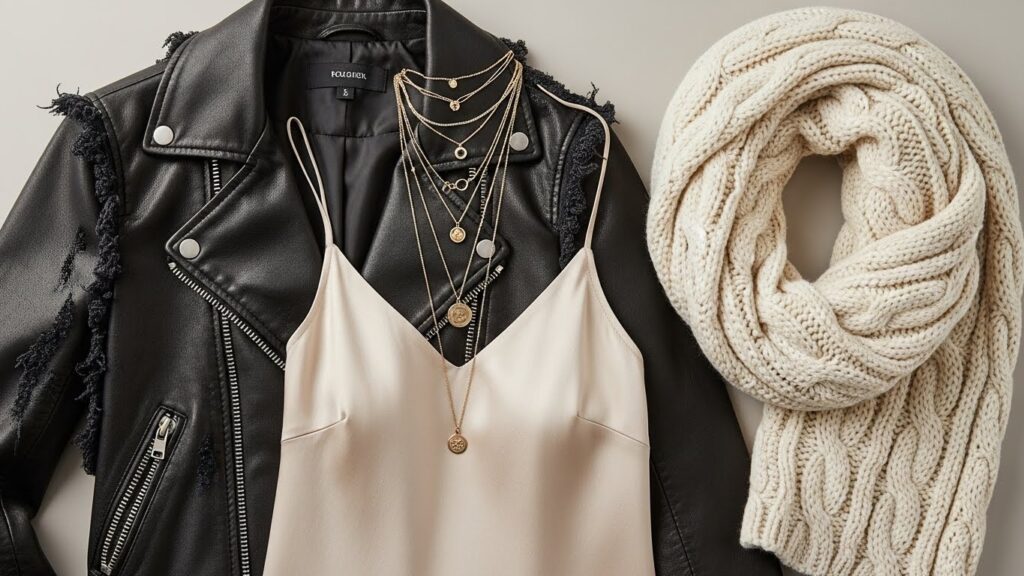
Imagine a sheer mesh top over a structured tank, a chunky, open-knit sweater worn over a silky slip dress, or a tailored blazer with raw, deconstructed edges layered atop a flowing linen shirt. The visual interest comes from the contrast between the sections—the hard versus the soft, the opaque versus the transparent, the rigid versus the fluid. Each layer maintains its own identity, yet together they form a cohesive, complex whole.
Accessories play a huge role in this textural narrative. Layering delicate, piecey necklaces of different lengths, stacking rings on multiple fingers, or choosing a bag with frayed edges or dimensional weaving all contribute to the separated sections aesthetic. The fashion mantra here is “add, don’t blend.” It’s about building a visual story where each chapter—each layer—is distinct yet essential to the plot.
Interior Design: Architectural and Decorative Separation
The principle of piecey layers translates powerfully into our living spaces. Textural separation in interior design prevents rooms from feeling flat, sterile, or overly curated. It introduces warmth, history, and a sense of collected comfort.
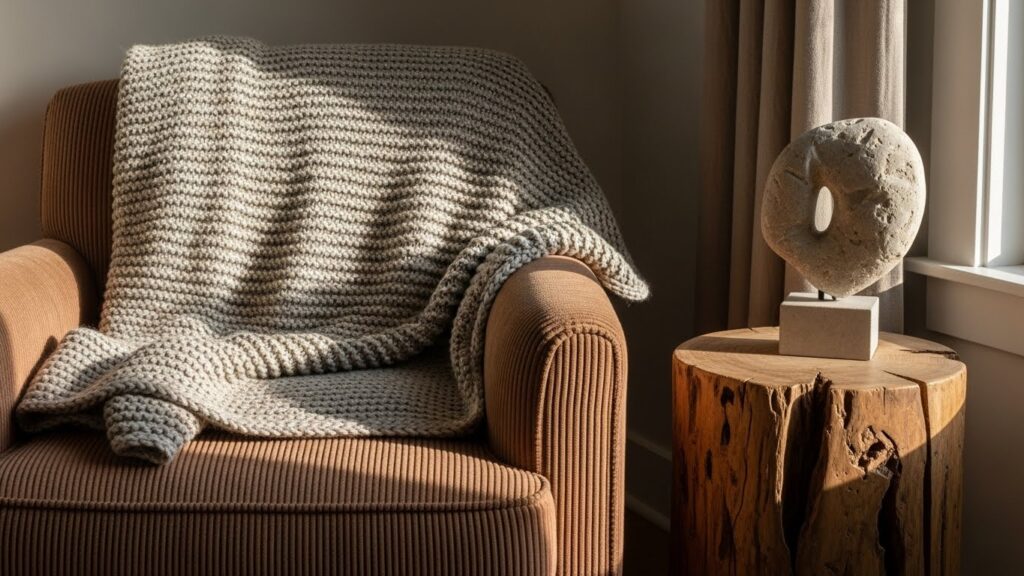
Architecturally, this can be achieved through exposed beams, reclaimed wood paneling with visible grain variation, or brick walls where the mortar is recessed. These elements break up large wall and ceiling planes, creating shadow lines and a tactile history. Decoratively, the magic is in the mix. A smooth, velvet sofa against a rough, jute rug. A sleek marble coffee table topped with a hammered metal tray and a chunky, organic ceramic vase.
The layering of textiles is perhaps the most direct parallel to hair and fashion. Drape a nubby wool throw over the corner of a linen-covered chair. Layer a small, patterned kilim rug over a larger, neutral sisal. The goal is to create a sense of depth where your eye can move from one textural element to the next, each clearly defined yet harmoniously connected through color, form, or function. This approach makes a space feel lived-in, dynamic, and deeply personal.
The Common Thread: How to Apply the Piecey Principle Anywhere
So, how can you harness this concept, regardless of your medium? The universal rules for creating piecey layers are surprisingly consistent.
First, seek out contrast and variation. In any project, ask: where can I introduce a different material, length, weight, or finish? Second, prioritize definition. Use techniques (like point cutting in hair or strategic placement in decor) to ensure the layers don’t muddle together. Create space—literal or visual—between them. Third, embrace imperfection. The beauty is in the irregularity. The frayed edge, the uneven hem, the asymmetrical chunk—these are features, not flaws.
Finally, remember that restraint is still key. The goal is intentional separation, not chaotic clutter. A few well-chosen, texturally distinct layers will always be more effective than a dozen competing ones. Start with a solid base and add piecey elements one at a time, assessing the balance as you go.
Conclusion: The Textured Life
Adopting the piecey layers philosophy is about more than just aesthetics; it’s a shift in perspective. It’s choosing depth over flatness, character over conformity, and dynamic interaction over static presentation. It celebrates the unique identity of each component while understanding that the whole becomes greater through their distinct contributions.
From the way we style our hair and assemble our outfits to how we design our homes, introducing separated sections for texture invites movement, light, and story into our everyday lives. It’s a reminder that beauty often resides in the breaks, the gaps, and the beautifully imperfect spaces in between. So go ahead—chop, layer, deconstruct, and separate. Embrace the piecey, and add a new dimension to your world.