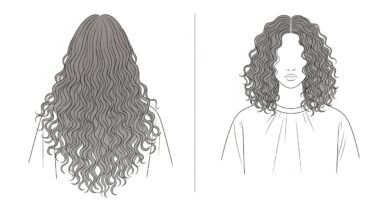
Protein Deficiency: How It Affects Hair Growth
You notice more strands in your brush, a thinner ponytail, or a lackluster shine that just won’t return. You’ve tried every shampoo, serum, and scalp treatment on the market, but nothing seems to work. Before you blame genetics or stress alone, it’s time to look inward—specifically, at your diet. Could a lack of a fundamental building block be sabotaging your locks from the inside out?
The answer, for many, is a resounding yes. Protein is not just for bodybuilders; it’s the very bedrock of life, and your hair is one of its most visible creations. When your body is running low on this crucial nutrient, your hair is often the first to sound the alarm. This comprehensive guide will unravel the intricate connection between protein deficiency and hair growth, empowering you with the knowledge to identify the signs and take restorative action for a healthier, fuller head of hair.
Hair Anatomy 101: Understanding the Protein Structure of Your Hair
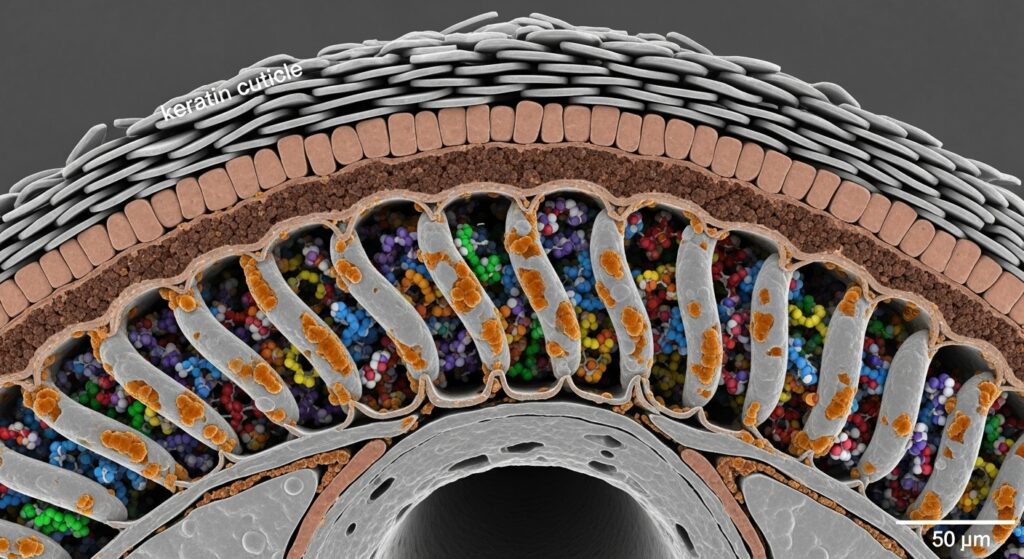
To truly grasp why protein is so vital, you need to understand what your hair is made of. At its core, hair is a non-living filament composed almost entirely of a tough, fibrous protein called keratin. This isn’t a minor ingredient; keratin makes up approximately 85-90% of your hair’s structure.
Imagine a single strand of hair as a long, twisted rope. This rope is built from smaller protein chains, which are themselves made from amino acids—the individual building blocks you get from digesting the protein in your food. These amino acids link together to form a strong, resilient structure that gives your hair its strength, elasticity, and shine. The hair follicle, the living part buried in your scalp, is a hub of rapid cell division. This process is incredibly energy and nutrient-intensive, requiring a steady supply of protein to manufacture new hair cells and push the growing strand upward.
Without an adequate supply of dietary protein, your body simply cannot produce robust keratin or support the demanding growth cycle of your hair. The construction project grinds to a halt, and the results become painfully visible on your head.
The Direct Link: How Protein Deficiency Disrupts the Hair Growth Cycle
Your hair doesn’t grow randomly; it follows a meticulous, multi-phase cycle. Protein deficiency directly interferes with this delicate process, throwing it into disarray. Let’s break down the three main phases:
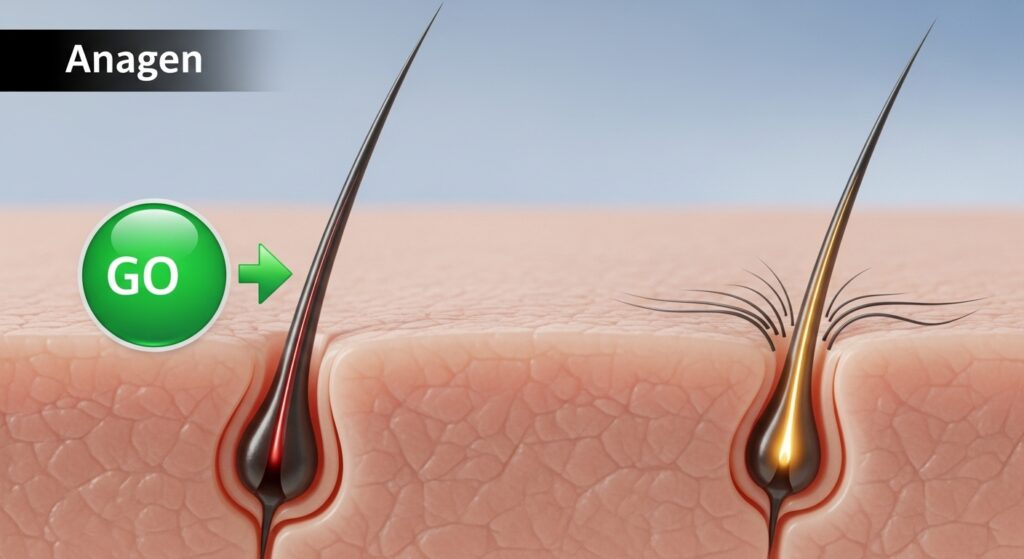
1. Anagen (Growth Phase): This is the active growth period, lasting anywhere from two to seven years. During anagen, the hair follicle is working at full capacity, dividing cells rapidly to form the hair shaft. This phase is highly dependent on a constant stream of protein and other nutrients. A deficiency can shorten the anagen phase, meaning your hair stops growing before it reaches its full potential length.
2. Catagen (Transition Phase): A brief, two-week transitional period where growth stops and the outer sheath of the root shrinks and attaches to the hair root.
3. Telogen (Resting/Shedding Phase): This is the final phase, lasting about three months. The hair follicle is at rest, and the old hair is eventually shed to make way for new growth. Normally, only about 10-15% of your hairs are in this phase at any given time.
When you are protein deficient, your body goes into conservation mode. It recognizes that processes like hair growth are not essential for survival compared to critical functions like maintaining organ tissue and immune function. As a result, it prematurely pushes a much larger percentage of hair follicles from the growing (anagen) phase into the resting (telogen) phase. This condition is known as Telogen Effluvium. A few months after the dietary insult, you experience a massive, diffuse shedding of hair as all these telogen hairs are shed simultaneously.
Beyond Shedding: Key Signs Your Hair is Craving Protein
Hair loss is the most dramatic symptom, but it’s often preceded by other telltale signs that your hair is protein-starved. Pay close attention to these changes in texture and behavior:
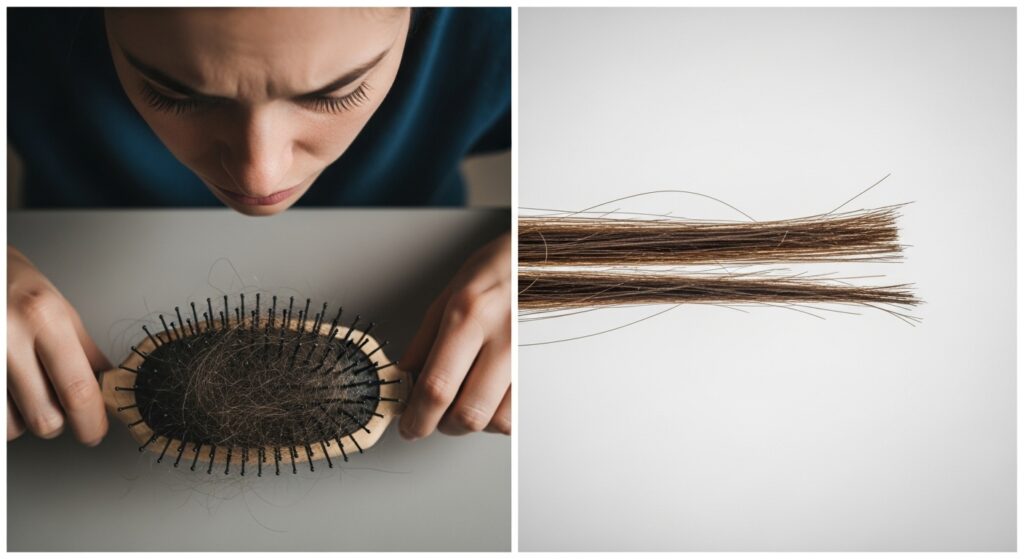
Excessive Shedding: This is the big one. While losing 50-100 hairs a day is normal, finding clumps in the drain, seeing your brush full after every use, or noticing a visibly thinner ponytail are red flags.
Slow Growth: Has your hair seemed stuck at the same length for months, despite regular trims? Without the raw materials to build new hair, growth slows to a crawl.
Weak, Brittle Strands: Hair that snaps easily when brushed or styled, or feels like straw to the touch, is a classic sign of weakened protein structure. It has lost its strength and elasticity.
Loss of Color and Shine: Keratin helps form the smooth, protective outer layer of the hair shaft (the cuticle). When this layer is compromised due to lack of protein, it becomes rough and uneven, unable to reflect light effectively. This leads to dull, lackluster hair that can also lose its vibrancy.
Increased Tangling: A damaged, raised cuticle caused by protein deficiency makes strands rough, causing them to catch and tangle on each other much more easily.
Are You at Risk? Common Causes of Protein Deficiency
Protein deficiency isn’t always about outright starvation. In the modern world, it can creep up in several subtle ways. You might be at risk if you fall into any of these categories:
Restrictive or Fad Diets: Highly restrictive calorie diets, juice cleanses, or unbalanced eating plans often fail to provide adequate protein. If you’re drastically cutting calories, you’re likely also cutting protein.
Vegan and Vegetarian Diets (Without Proper Planning): While entirely possible to get enough protein on a plant-based diet, it requires conscious effort. Those who newly transition without learning about complementary proteins (like combining beans and rice) can easily fall short.
Increased Nutritional Needs: Athletes, pregnant or breastfeeding women, and individuals recovering from surgery or illness have significantly higher protein requirements to support repair and growth. A standard diet may not be sufficient.
Digestive and Malabsorption Issues: Conditions like Celiac disease, Crohn’s disease, or IBS can impair your body’s ability to break down and absorb protein from the food you eat, leading to a functional deficiency even with adequate intake.
Age-Related Factors (Sarcopenia): As we age, our bodies can become less efficient at processing protein, and appetite may decrease, leading to an unintentional decline in intake.

The Road to Recovery: Replenishing Protein for Hair Regrowth
The good news is that hair loss from protein deficiency is almost always reversible. By addressing the root cause, you can restart the hair growth cycle and restore your hair’s health. Here’s how to get back on track:
1. Calculate Your Needs: A general guideline is 0.8 grams of protein per kilogram of body weight (or 0.36 grams per pound) for the average sedentary adult. However, if you are active, stressed, or recovering, your needs may be closer to 1.2-1.7 grams per kilogram. Use an online calculator or consult a nutritionist for a personalized target.
2. Prioritize High-Quality Sources: Focus on incorporating complete proteins—those containing all nine essential amino acids that your body can’t make itself.
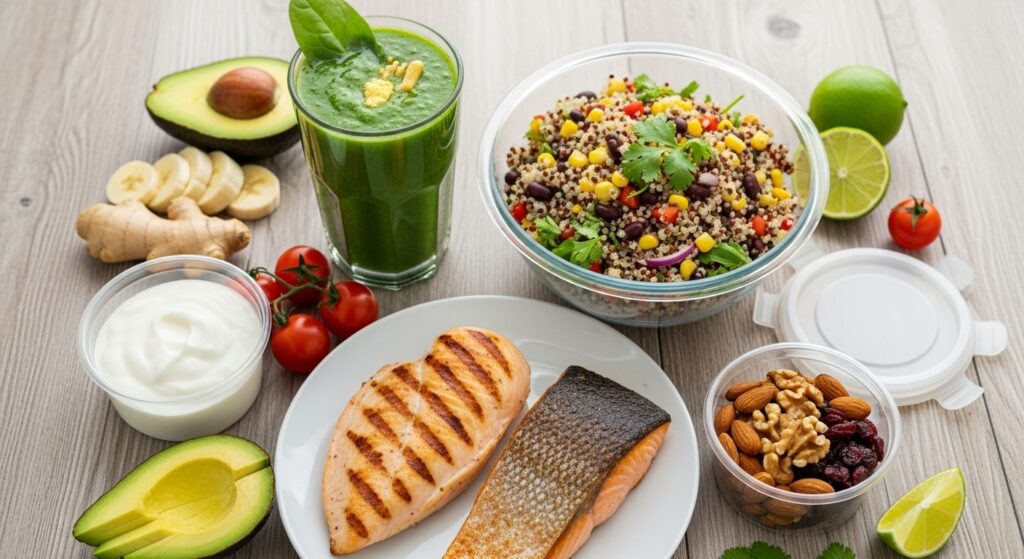
Excellent Animal Sources: Lean chicken, turkey, fish, eggs, Greek yogurt, cottage cheese, and whey protein. These are highly bioavailable, meaning your body can use them efficiently.
Excellent Plant Sources: Tofu, tempeh, edamame, lentils, chickpeas, black beans, quinoa, hemp seeds, chia seeds, and spirulina. For plant-based eaters, eating a variety of these throughout the day ensures you get all the essential amino acids.
3. Distribute Intake Throughout the Day: Instead of loading up on protein at one meal, aim to include a source of protein in every meal and snack. This provides a steady stream of amino acids to your hair follicles and body tissues.
4. Be Patient and Consistent: Hair growth is a slow process. After you’ve corrected your protein intake, you must wait for the hair cycle to reset. The old, telogen hairs will shed over a few months, and new anagen hairs will begin to grow. It can take 6 to 12 months to see significant, visible improvement in density and length. Consistency is key.
When to See a Professional: It Might Not Be Just Protein
While addressing your diet is a powerful first step, it’s crucial to recognize that hair loss can be multifactorial. If you’ve increased your protein intake for several months and see no change, or if your hair loss is severe and accompanied by other symptoms, it’s time to seek professional help.
Consult a Doctor or Dermatologist to rule out other underlying conditions such as:
Thyroid Disorders: Both an overactive and underactive thyroid can cause significant hair loss.
Iron Deficiency (Anemia): This is another very common nutritional cause of hair loss, especially in women.
Hormonal Imbalances: Issues like Polycystic Ovary Syndrome (PCOS) or changes in birth control can impact hair growth.
Scalp Conditions: Fungal infections, psoriasis, or seborrheic dermatitis can inflame follicles and hinder growth.
Genetic Hair Loss (Androgenetic Alopecia): This requires a different treatment approach altogether.
A healthcare provider can run blood tests to check your protein status, ferritin (iron stores), thyroid hormones, and other key markers to get a complete picture of your health.

Conclusion: Feed Your Follicles from Within
Your hair is a powerful barometer of your internal health, and a lack of protein is one of the most direct dietary signals it can send. Thinning, shedding, and brittle hair are not just cosmetic concerns; they are your body’s plea for more fundamental building blocks. By understanding the critical role of protein in the hair growth cycle, you can move beyond topical fixes and address the problem at its source.
Embrace a diet rich in high-quality, diverse protein sources, be patient with the natural timeline of hair regeneration, and don’t hesitate to seek professional guidance for persistent issues. With consistent care and the right nutritional foundation, you can create the ideal environment for strong, vibrant, and healthy hair to flourish once again.