Razor Layers: Feathered Edges Created with a Blade
In the world of hair styling, tools are more than just instruments; they are extensions of the artist’s vision. While scissors have long reigned supreme for precision and structure, there’s another tool that unlocks a uniquely soft, dynamic, and effortlessly cool result: the razor. Razor layering isn’t just a cutting technique; it’s a philosophy of hair design that trades hard lines for feathered edges, bulk for movement, and crispness for a beautifully lived-in texture.
What Are Razor Layers? The Science of Softness
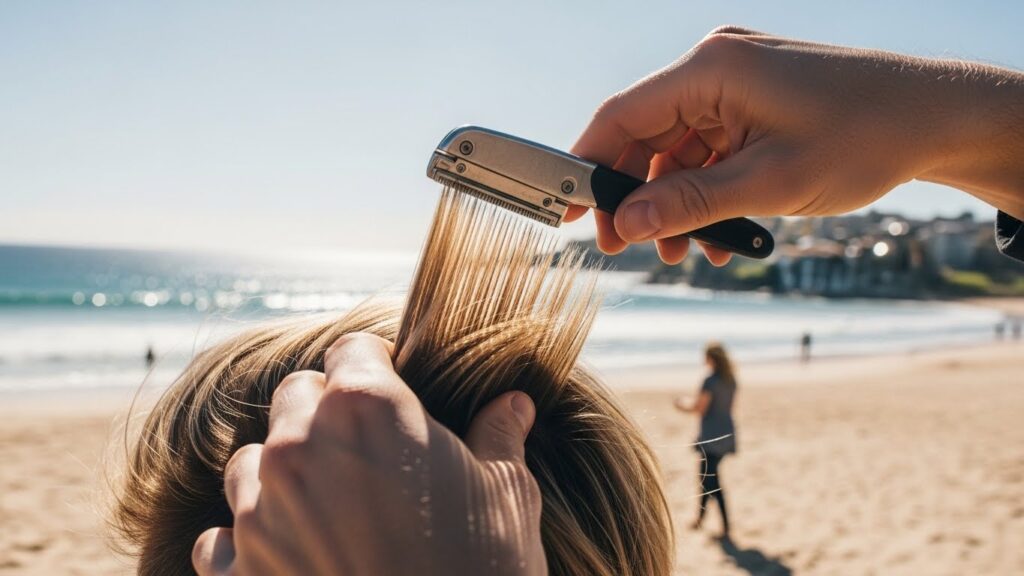
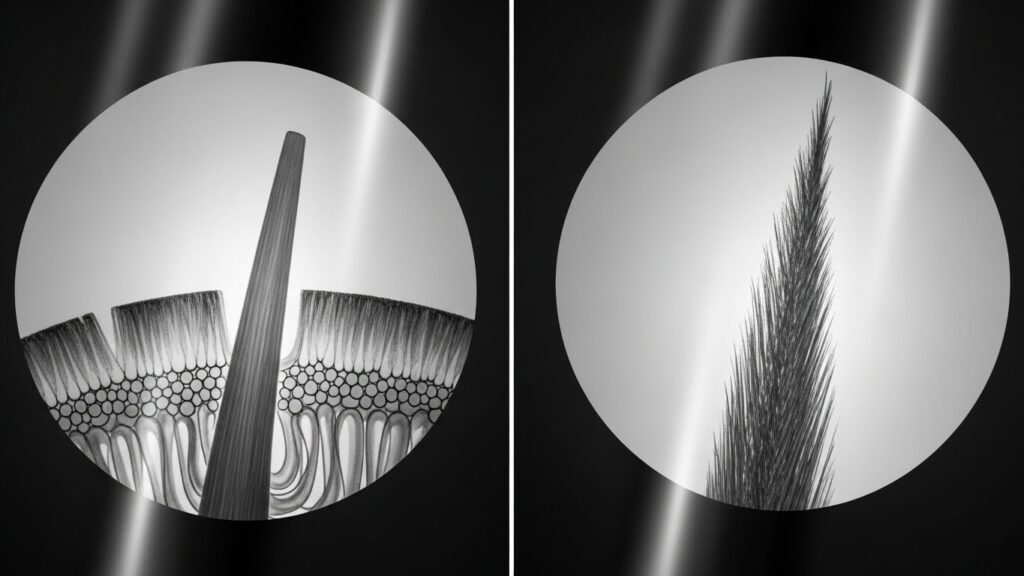
At its core, razor layering is a texturizing technique. Unlike scissors, which create a blunt, clean cut by squeezing two blades together, a razor slides diagonally across a section of hair. This action thins the hair strand from the midpoint to the end, creating a tapered, feathered point rather than a solid, weighty end. The result is a reduction of overall density without sacrificing length, allowing layers to blend seamlessly and move independently.
The magic lies in the edge. Scissor-cut hair has a uniform, closed end. Razor-cut hair has an open, varied end that reflects light differently, feels softer to the touch, and resists the dreaded “helmet head” or triangular shape. It’s this fundamental difference in the hair’s terminus that gives razor layers their signature ethereal, piecey, and modern appearance.
Why Choose a Razor Over Scissors? The Key Benefits
Choosing between a razor and scissors depends entirely on the desired outcome. Razor layering is not a replacement for scissor work but a powerful complementary technique. Here’s when and why the razor shines:
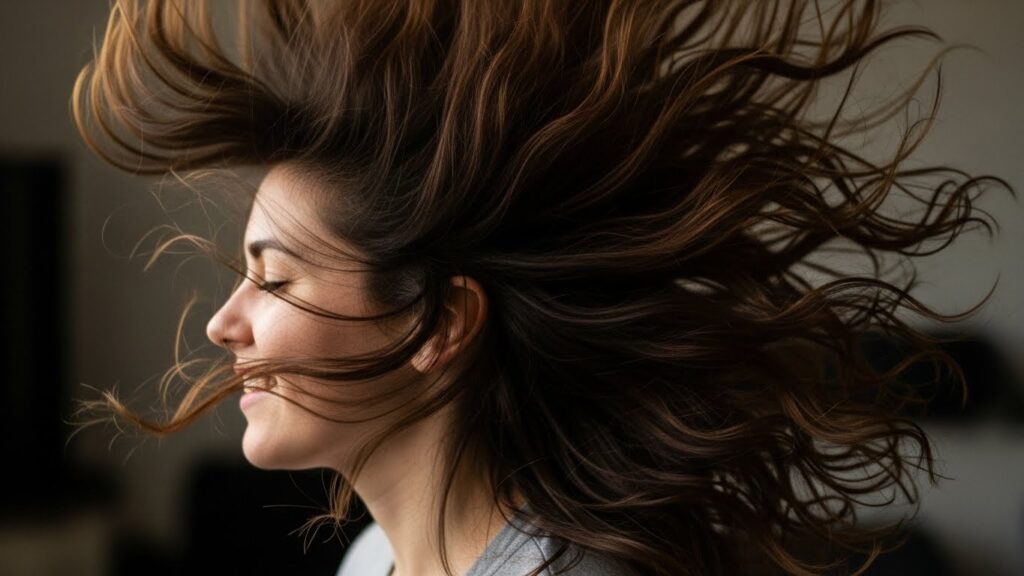
Unmatched Texture and Movement: Razors excel at creating internal movement. By removing weight from within the hair shaft, they allow layers to fall with a natural, cascading effect. This is ideal for shag cuts, bobs with movement, and any style where “swing” is a priority.
Eliminating Bulk Without Shortening: For clients with thick, heavy hair who want to retain length but lose the weight, razoring is a godsend. It thins from within, creating airiness and shape without visibly shortening the hair, which is often a challenge with texturizing scissors alone.
The “Lived-In” & Effortless Aesthetic: Razor layers are the cornerstone of the popular bedhead, rock-and-roll, and beachy wave looks. The feathered ends naturally separate, creating that piecey, undone texture that looks stylish with minimal styling effort.
Softer Blending and Transition: When connecting very short layers to longer lengths, a razor can create a much softer, more diffused transition line than scissors, avoiding any harsh or obvious “steps” in the haircut.
The Toolbox: Essential Implements for Razor Layering
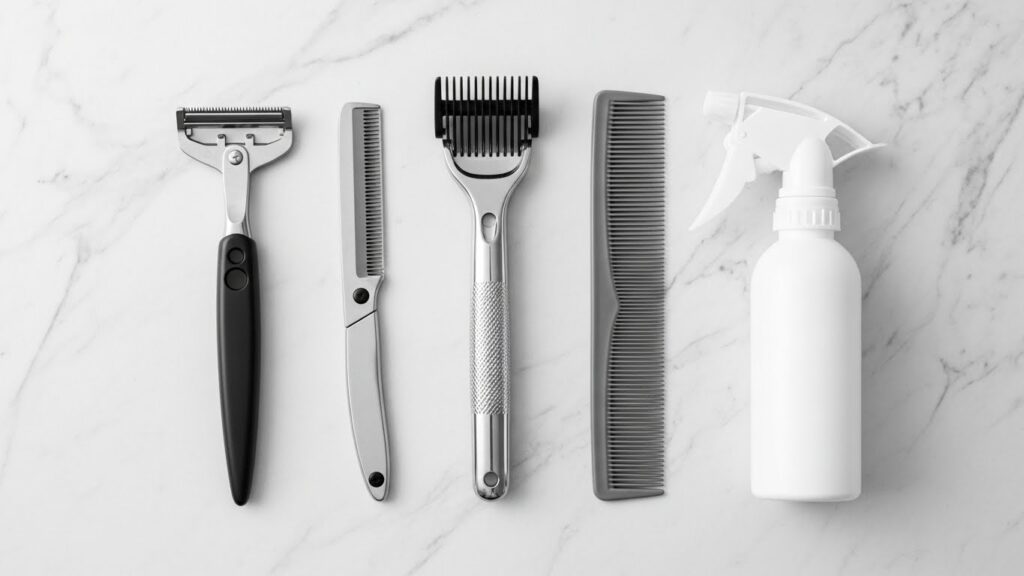
Not all razors are created equal. Using the right tool is critical for safety and achieving the desired effect.
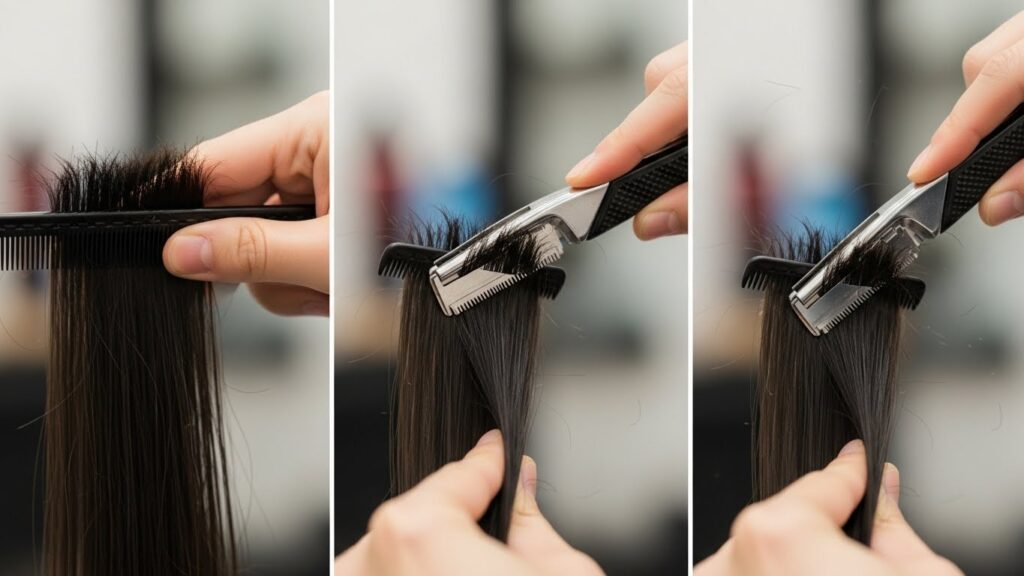
Professional Haircutting Razors: These feature a straight, surgical-grade blade that can be replaced. They offer the most control and are used with a sliding technique. Brands like Feather and Kasho are industry standards.
Guard-Combed Razors: These have a comb-like guard that helps control the amount of hair removed and can be safer for beginners or for more conservative texturizing.
Razor Attachments for Clippers: Some clipper systems offer razor attachments for texturizing, which can be useful for shorter styles or very specific techniques.
Important Note: Never use a standard shaving razor or a razor blade alone on hair. Professional tools are designed for safety, control, and precision in a salon setting.
Mastering the Technique: How to Create Feathered Edges
Razor cutting requires a different hand motion and mindset than scissor cutting. Here’s a breakdown of the fundamental technique. Disclaimer: This is for educational insight. Professional training is essential before attempting this on a client.
1. Preparation is Everything: Hair should be clean, damp (not dripping wet), and neatly sectioned. Damp hair offers more resistance and control than dry hair, which can be too slippery for a beginner.
2. The Grip and Angle: Hold the razor like a pen, with a relaxed but firm grip. The angle of the blade to the hair is crucial. A low angle (closer to parallel with the hair strand) removes more weight and creates stronger texture. A higher angle (more perpendicular) creates softer, more subtle feathering.
3. The Sliding Motion: Unlike the chopping motion of scissors, you will slide the razor down the hair section. Start the slide about midway down the strand (never at the scalp) and glide smoothly towards the ends. Use the comb to hold tension on the section.
4. Point Cutting with a Razor: For even softer ends, use the tip of the razor to make small, vertical “nicking” motions into the ends of the hair. This breaks up the line further and enhances the feathered effect.
5. Check and Balance: Constantly check your work by dropping sections and observing the shape and movement. Razor cutting is often about removing weight from within the shape created by scissors.
Ideal Hair Types and Cuts for Razor Layering
While versatile, razor layering is particularly transformative for certain hair types and styles.
Thick, Coarse, or Wavy Hair: This is where razors truly excel. They can tame bulk, enhance natural wave patterns, and prevent the “poof” that can come with layering thick hair using only scissors.
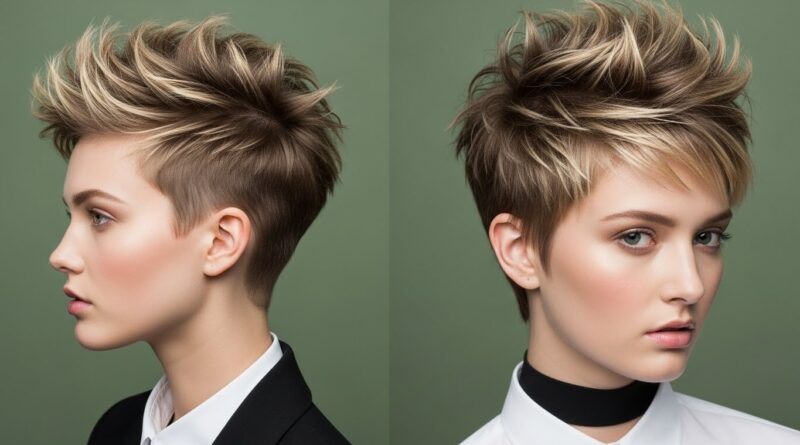
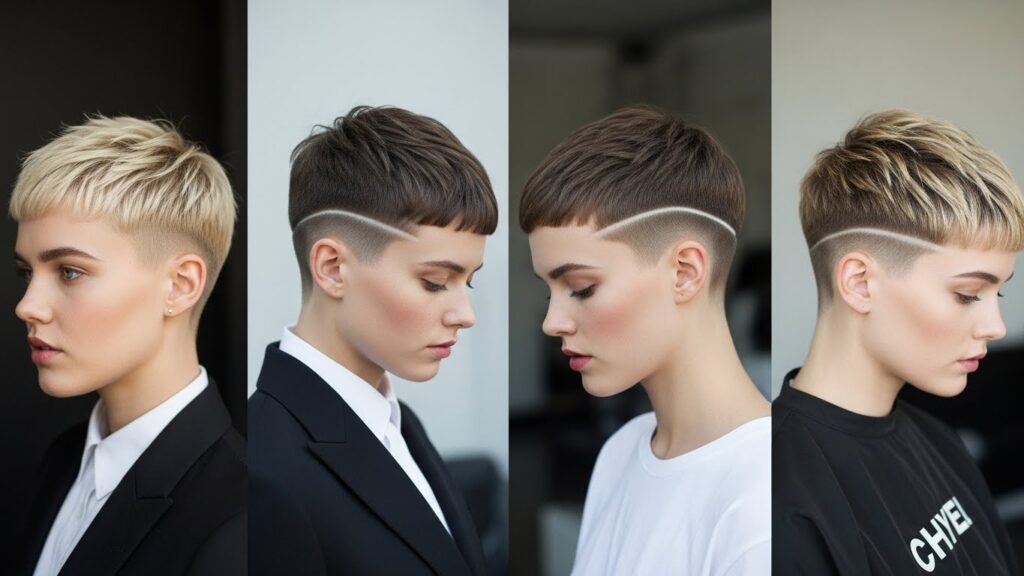
Shags and Mullets: The rock-and-roll spirit of these cuts is built on texture and separation. Razor layers are essential for creating the signature wispy, feathered fringe and choppy, disconnected layers.
Textured Bobs and Lobs: A razor can turn a blunt bob into a piecey, modern masterpiece. It softens the perimeter, adds internal movement, and makes the style easier to style with a tousled, air-dried look.
Hair to Approach with Caution: Very fine, thin, or chemically damaged hair may not be ideal candidates. Razoring can further weaken fragile strands, leading to breakage or a sparse appearance. For these hair types, texturizing with specialized thinning shears is often a safer choice.
Maintaining Your Razor-Layered Hair: Care and Styling Tips
Feathered ends require specific care to keep them looking healthy, not frayed.
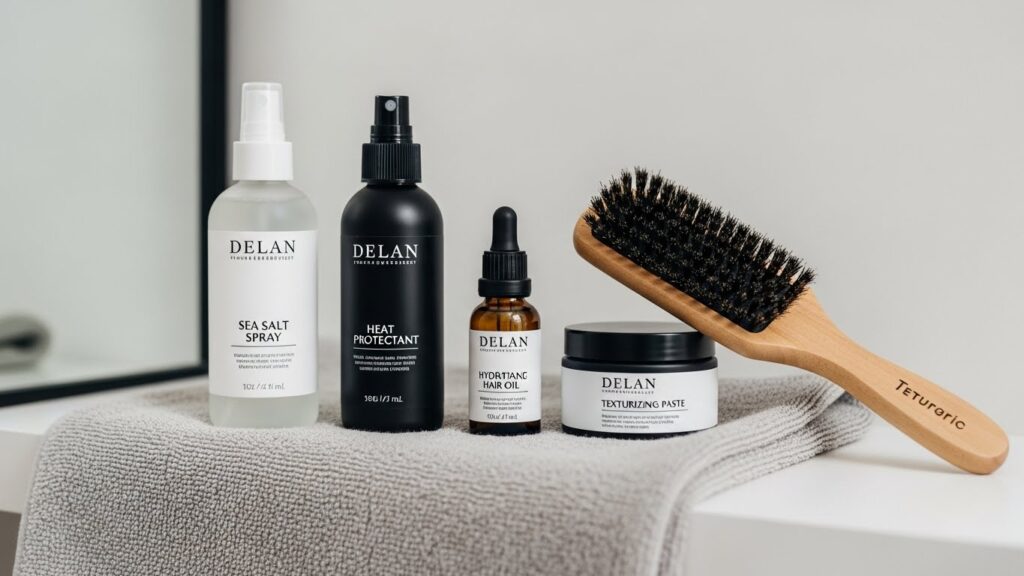
Nourish and Hydrate: Regular conditioning and weekly hair masks are non-negotiable. The tapered ends are more susceptible to dryness, so keeping them moisturized maintains the soft feel and prevents splitting.
Heat Protection is Mandatory: Always use a heat protectant spray before using hot tools. The delicate ends are the first to suffer heat damage.
Embrace Texturizing Products: Sea salt sprays, light texturizing mousses, and dry shampoos are your best friends. They enhance the piecey, separated look and add grip and definition to the layers.
Regular Trims: To prevent the feathered ends from becoming thin and wispy, schedule regular trims every 8-10 weeks. This allows your stylist to maintain the shape and remove any old, over-texturized ends.
Conclusion: Embracing the Art of the Edge
Razor layering is more than a trend; it’s a timeless technique that brings a unique dimension of softness, movement, and modern texture to haircutting. By mastering the blade and understanding how to create those perfect feathered edges, stylists can offer clients a look that is both artfully crafted and effortlessly wearable. It bridges the gap between precise salon cut and natural, lived-in beauty.
For anyone seeking a haircut that moves with you, catches the light in a soft haze, and feels as good as it looks, the question isn’t just about layers—it’s about how those layers are cut. Ask your stylist about razor layers, and discover the transformative power of a feathered edge.