Razored Tips: Blade-Softened Ends
In the world of hair, there’s a distinct difference between hair that simply ends and hair that flows, moves, and finishes with intention. If you’ve ever admired a hairstyle that seemed to melt seamlessly into airy, textured waves or a blunt cut that somehow avoided a harsh, helmet-like line, you’ve likely witnessed the magic of razored tips. This isn’t about choppy, uneven layers from decades past. Today’s razor cutting is a precise, artistic technique used to soften, texturize, and liberate the ends of your hair, creating a look that is inherently modern and beautifully undone.
What Are Razored Tips? Deconstructing the Technique
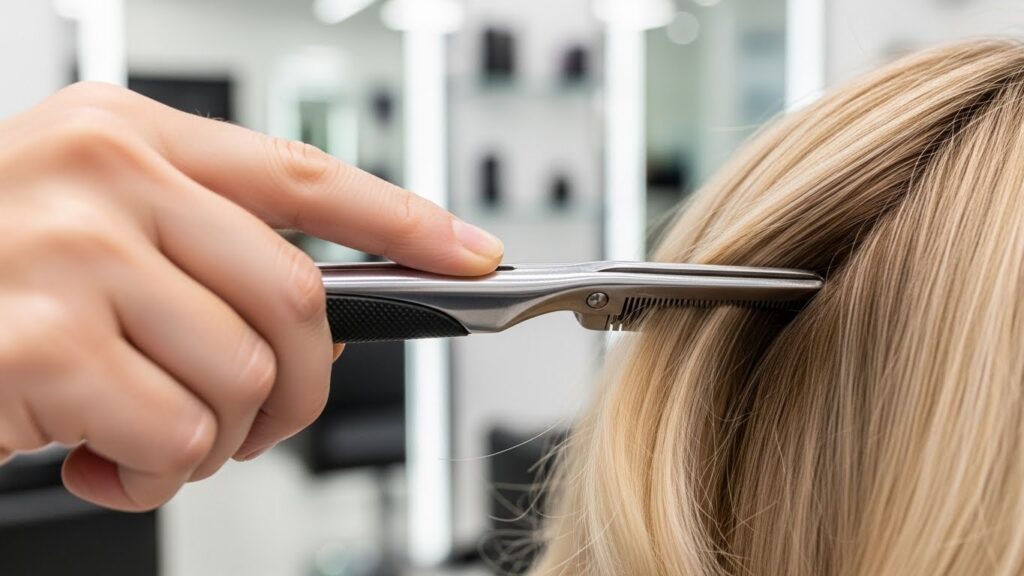
At its core, razoring is the use of a straight-edge blade with a guarded or exposed sharp edge to slice into the hair shaft. Unlike scissors which create a clean, compressed line, the razor skims and slices at an angle, removing hair in a tapered fashion. This action opens up the cuticle slightly along the length it touches, which is why razored hair often feels softer and looks more piece-y.
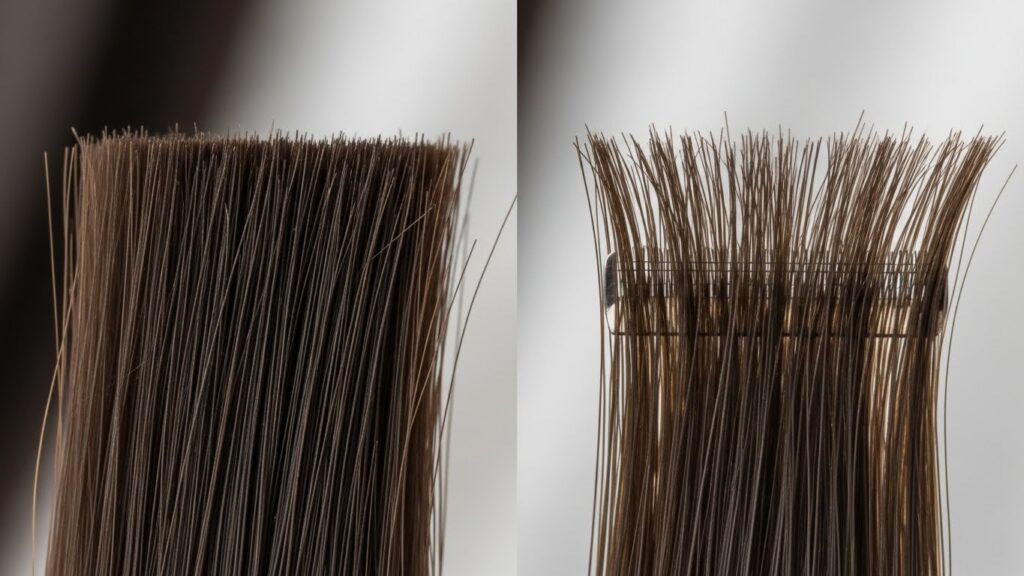
The goal with “blade-softened ends” is specifically to target the last inch or two of the hair. Instead of a straight-across cut, the stylist uses the razor to point cut or slice vertically into the ends, removing weight and creating irregularity. This irregularity is the secret: it prevents ends from clumping together in a solid, heavy line, allowing them to fall separately for a feathered, airy effect. It’s the difference between a solid block of color and a watercolor painting—both are beautiful, but one is distinctly softer and more blended.
The Transformative Benefits: Why Your Hair Needs This
Why choose a razor over traditional shears? The benefits are tangible and transformative, addressing common hair grievances with a surprising level of finesse.
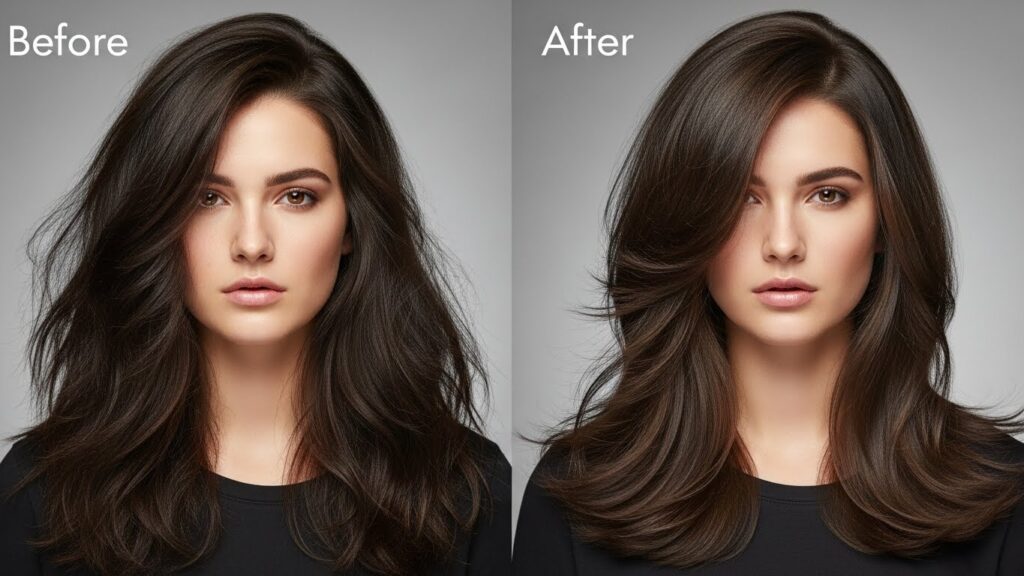
Eliminates Bulk and Weight: For those with thick, dense hair, razoring is a salvation. It thins out interior sections and ends without removing length, allowing heavy hair to gain movement and become more manageable.
Creates Instant Texture and Movement: Fine, flat hair gains a new lease on life with subtle razor work. By creating slight variations in length and removing weight, hair is encouraged to bend and separate, resulting in natural-looking volume and a tousled texture that products alone can’t achieve.
Softens Harsh Lines: Even the most severe blunt bob can be transformed with a softened perimeter. Razoring the very edge breaks up that sharp line, making a bold cut more wearable, modern, and less “done.”
Enhances Natural Waves and Curls: Contrary to popular belief, a skilled hand with a razor can beautifully enhance curls by removing excess mass that weighs down curl patterns. It encourages spirals to spring up with more definition and less triangular shape.
Promotes a “Lived-In” Grow-Out: A razor-softened haircut grows out more gracefully. The diffused ends blend with new growth seamlessly, meaning you can go longer between cuts without your style looking unkempt.
Ideal Hair Types and Cuts for Razored Ends
While versatile, the razor isn’t a one-tool-fits-all solution. Its application depends greatly on your hair type and desired cut.
Perfect Candidates: Those with straight to wavy, medium to thick hair see the most dramatic benefits. It’s also excellent for creating texture in shags, modern mullets, textured bobs, and long layers. Individuals seeking a piece-y, grunge-inspired, or effortlessly cool aesthetic will find their match in this technique.
Proceed with Caution: If you have very fine, fragile, or chemically damaged hair, a heavy-handed razor technique can cause splitting and frizz. The key is a highly skilled stylist who uses the tool sparingly. Most experts also advise against razoring curly hair that is prone to dryness or has a very tight coil pattern, as the angled cut can lead to fraying. Always consult with a professional who can assess your hair’s integrity.
The Salon Consultation: What to Ask Your Stylist
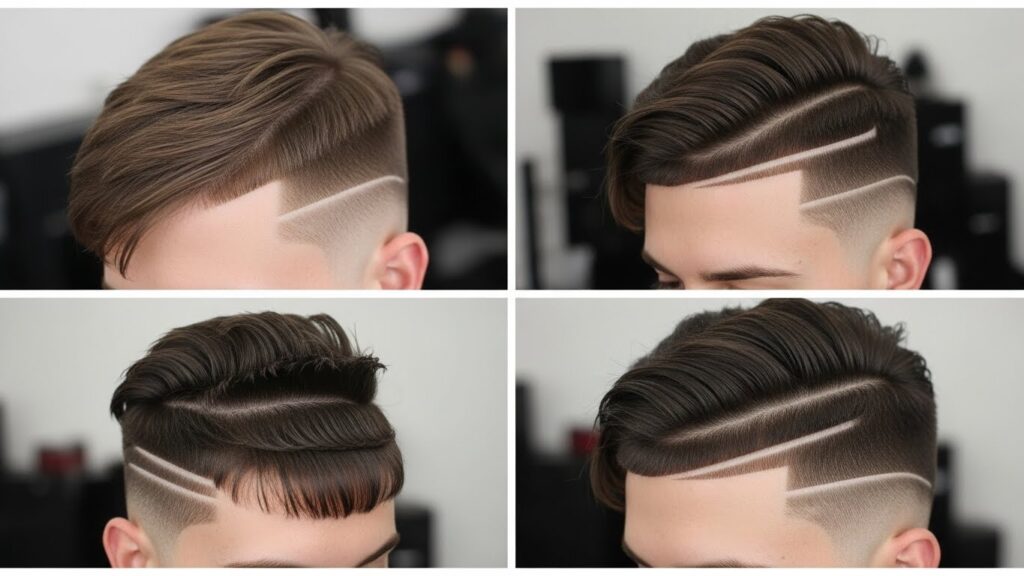
Walking into a salon and asking for “razored ends” can mean different things to different stylists. Clear communication is paramount to ensure you leave with the textured dream, not a thinning nightmare.
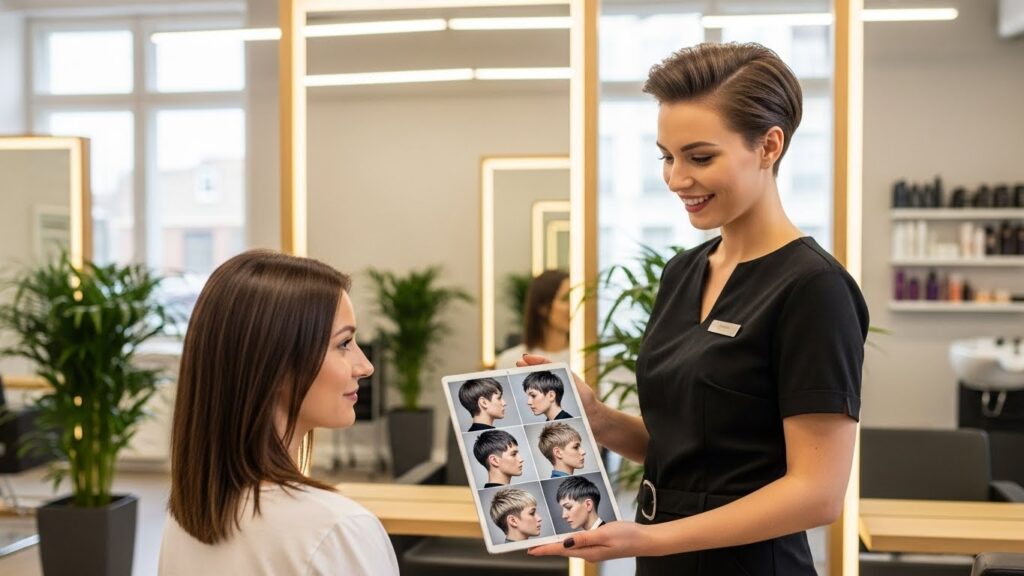
First, ask if they regularly use a razor and can show you examples of their work. Not all stylists are trained or comfortable with the tool. Then, be specific about your goals: “I’d like you to soften and texturize my ends to remove bulk,” or “I want a lived-in, piece-y finish on my bob, not a solid line.”
Discuss the level of texture you want. A light point-cutting on the very ends yields a subtle softness, while more aggressive slicing up the shaft creates a heavily textured, shaggy look. Bring photos that illustrate the effect you desire (soft ends, volume, movement) rather than just the cut itself.
Maintaining Your Blade-Softened Hair: Care and Upkeep
Razored hair requires a slight shift in your maintenance routine to keep those ends looking their best. Because the cuticle is opened slightly, the ends can be more susceptible to dryness and splitting if neglected.
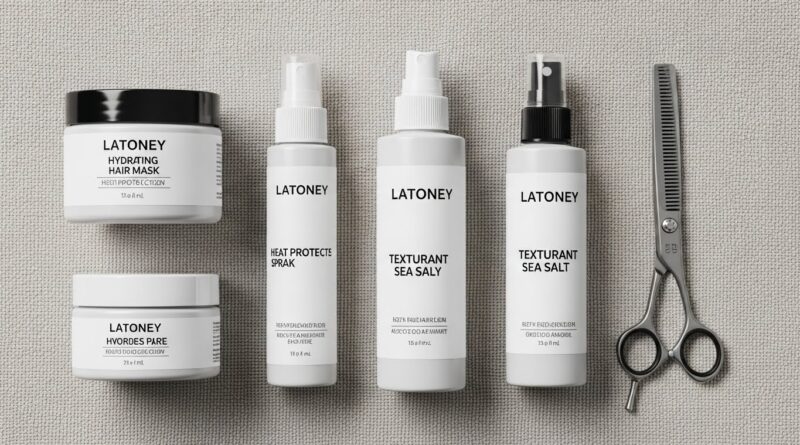
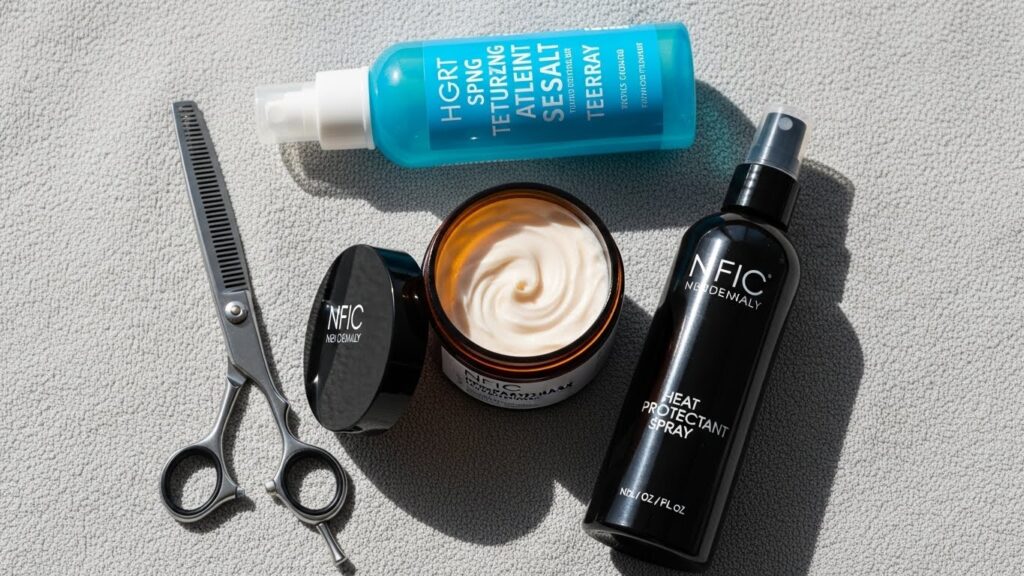
Hydration is Key: Incorporate a weekly hydrating mask or deep conditioner focused on the mid-lengths to ends. This helps seal the cuticle and maintain smoothness.
Heat Protection is Non-Negotiable: Always apply a heat protectant spray or serum before using hot tools. The feathered ends are more delicate and can become dry and brittle faster than blunt ends.
Embrace Texturizing Products: Enhance your stylist’s work with sea salt sprays, light texturizing mists, or dry shampoos at the roots. These products amplify the separation and piece-y effect created by the razor.
Regular Trims: To prevent the feathered ends from looking frayed or damaged, schedule regular micro-trims every 10-12 weeks. This maintains the shape and health of the softened perimeter without sacrificing length.
Beyond the Ends: The Bigger Picture of Razor Cutting
While our focus is on the tips, the razor’s artistry extends far beyond. Master stylists use it to create seamless layering, remove interior weight for unparalleled movement, and carve out face-framing pieces that blend perfectly. It’s a tool of subtraction for the sake of addition—taking away weight to add movement, removing bulk to add shape, and softening lines to add attitude.
This technique represents a broader shift in beauty ideals: away from the perfect, helmet-like polish and towards a celebration of individual texture, movement, and a touch of beautiful imperfection. Razored tips don’t just change how your hair looks; they change how it behaves, how it feels, and ultimately, how you carry yourself.
Conclusion: Embrace the Softened Edge
In the pursuit of great hair, sometimes the most impactful move is to soften the edge—literally. Razored tips and blade-softened ends are more than a passing trend; they are a sophisticated technical approach to creating hair that looks and feels inherently natural, dynamic, and stylishly effortless. It’s a collaboration between skilled hands and a precise tool, resulting in ends that don’t just stop, but fade, flutter, and finish with artful grace.
If your hair feels heavy, lifeless, or too rigidly geometric, consider the transformative potential of the razor. Book a consultation with a trusted, experienced stylist and explore how softening your ends can liberate your entire look. The result is hair with a story, texture with intention, and a style that’s uniquely, effortlessly you.