Reverse Layers: Longer on Top, Shorter Underneath
For decades, the classic layered haircut followed a familiar blueprint: shorter layers on top for volume, gradually lengthening towards the bottom. It was a trusted formula. But what happens when you flip that script entirely? Enter the reverse layer haircut, a contemporary technique that strategically places longer layers on top and shorter layers underneath. This isn’t just a stylistic whim; it’s a calculated approach to shape, movement, and modern aesthetics that is revolutionizing salons. If you crave hair with incredible body, a sleek exterior, and an undone, effortless texture, this guide to the reverse layering method is your new blueprint.
What Exactly Are Reverse Layers?
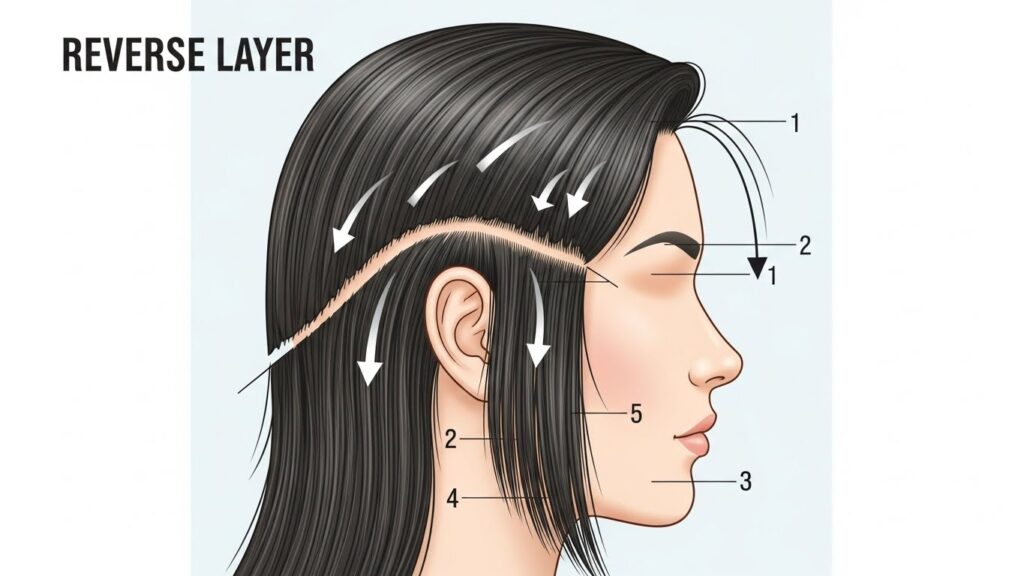
Let’s break down the anatomy. A traditional layered cut is cut at an inward angle, removing weight from the top and leaving length at the bottom. The reverse layer technique does the opposite. Your stylist will often section the hair, working on the underlayers first and cutting them at a shorter length. The top sections are then left longer, often significantly so, and laid over this shortened base. The result is a hidden framework of support. Think of it like architectural cantilevering: a shorter, structured foundation allows the longer, top layers to float and flow with a sense of weightlessness and built-in volume that starts at the roots, not the ends.
The Magic of the Flip: Key Benefits
Why choose this inverted approach? The benefits are tangible and address common hair frustrations head-on.
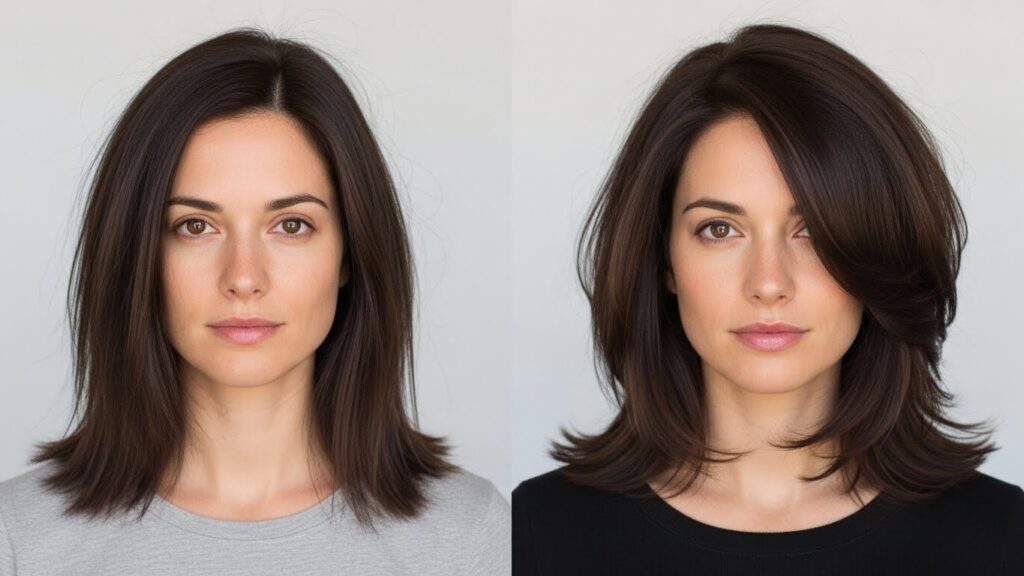
Unshakeable Volume and Lift: This is the hallmark benefit. By removing bulk and weight from the underneath sections, the hair at the crown and parietal areas (the sides of your head) naturally lifts away from the scalp. You get root volume that lasts without backcombing or excessive product. The shorter underlayer acts as a permanent push-up bra for your hair.
A Sleek, Polished Exterior: Despite the volume within, the surface of your hair—the longer top layers—can fall smoothly and seamlessly. This creates a beautiful contrast: hair that feels full and thick but looks polished and controlled. It’s the answer to “I want volume, but not frizz or puffiness.”
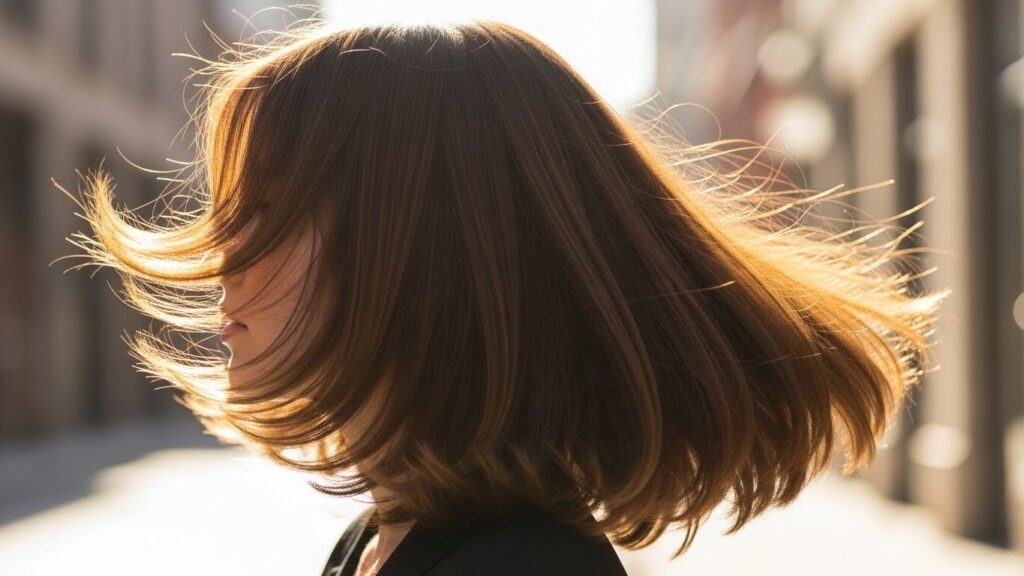
Enhanced Shape and Movement: Reverse layers create a beautiful, rounded shape that follows the natural curve of the head. The hair doesn’t just fall flat; it moves. Each layer has its own space, allowing for natural swing and separation, which is especially stunning on wavy and curly hair types.
Ideal for Fine to Medium Hair: If you have fine or thin hair, traditional layering can sometimes make ends look wispy and sparse. Reverse layering preserves the length and density on the surface, making hair appear thicker overall, while the undercutting creates the illusion of massive fullness.
Who is the Reverse Layer Cut For?
This technique is remarkably versatile, but it shines brightest on certain hair types and styles.
Fine or Flat Hair Seekers: As mentioned, this is a game-changer. It creates volume that fine hair often lacks genetically.
Medium to Long Hair Lengths: The effect is most pronounced and aesthetically intentional on hair that is at least shoulder-length. There needs to be enough length on top to gracefully cover the shorter underlayers.
Wavy and Curly Hair: For curly girls, reverse layers can help manage bulk at the bottom (which can drag curls down) and redistribute volume to the top and sides, promoting a more balanced, rounded curl shape and reducing triangle-head syndrome.
The Modern Bob and Lob: A reverse-layered bob is a masterclass in chic. It creates an “A-line” or “inverted” shape that is sharp at the back and longer in the front, offering a dramatic yet wearable look.
It’s important to note: Those with very thick, coarse hair should proceed with caution. Removing too much weight from underneath can sometimes lead to excessive bulk at the top. A skilled stylist will adjust the weight removal to suit your specific density.
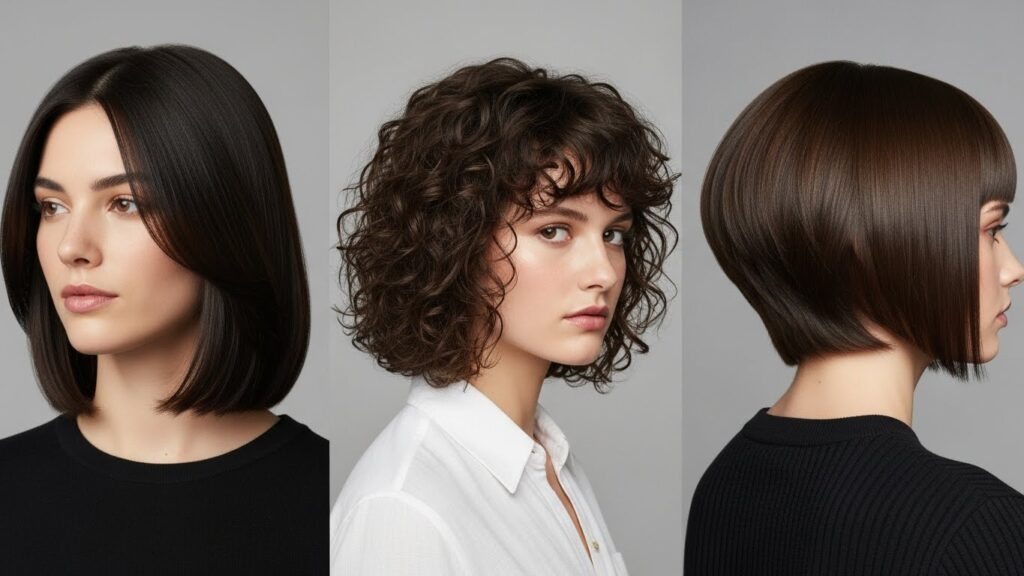
Consultation is Key: Talking to Your Stylist
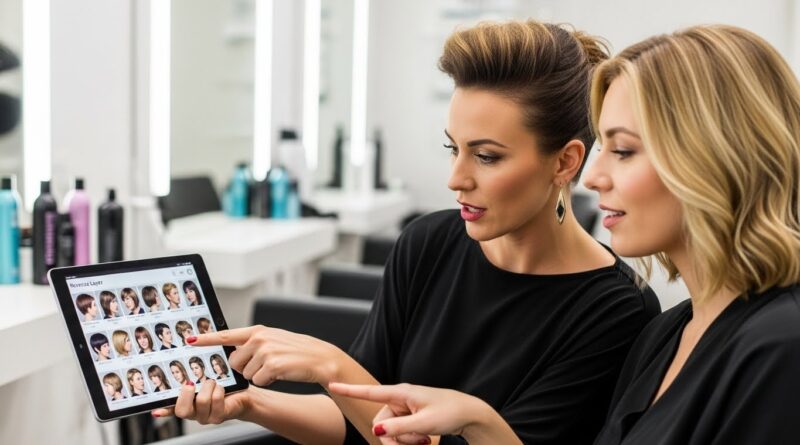
Walking into the salon and saying “give me reverse layers” might not yield the perfect result. Communication is crucial. Bring visual references—photos of the volume, shape, and movement you desire. Use precise language: “I want longer layers on top to cover shorter layers underneath for root lift.” Discuss your daily routine. Do you air-dry or blow-dry? This cut often looks its best with a bit of styling, as the layers are designed to work together with texture. A great stylist will assess your hair’s density, texture, and growth patterns to customize the degree of underlayer shortening and top layer graduation.
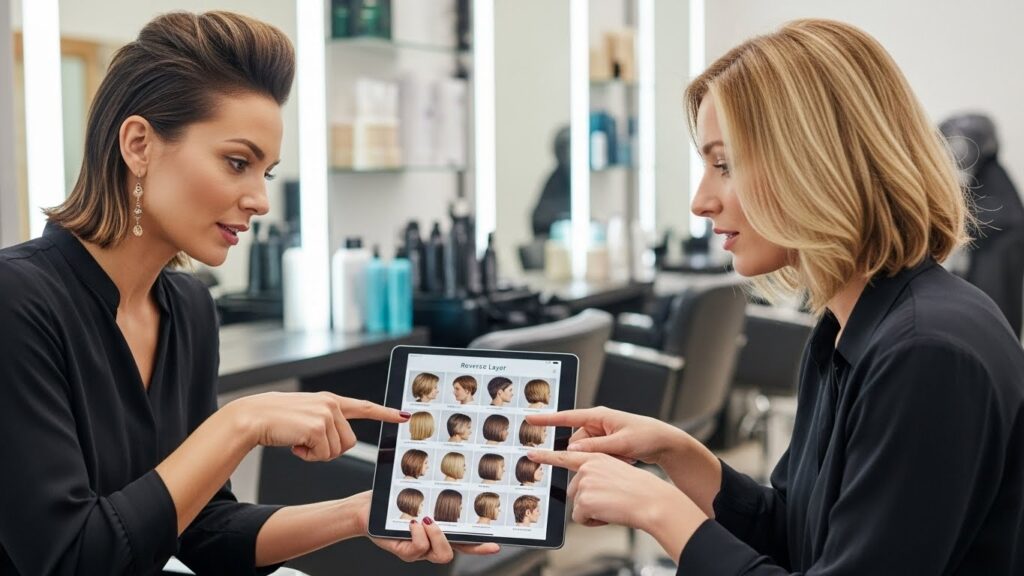
Styling Your Reverse Layers for Maximum Impact
The beauty of this cut is that it styles beautifully with minimal effort, but a few tricks will elevate it further.
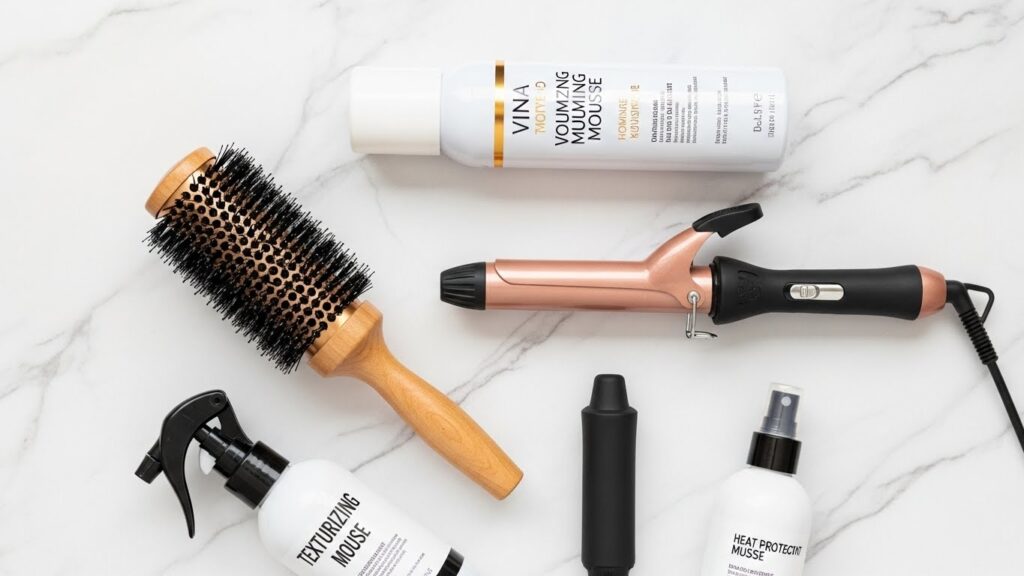
For Volume: Apply a volumizing mousse or root-lift spray to damp hair, especially at the crown. When blow-drying, use a round brush to lift the roots of the top sections away from the head. The cut will do most of the work, but this amplifies it.
For Smoothness: To accentuate the sleek exterior, use a flat brush or paddle brush while blow-drying, directing the top layers smoothly down. A drop of smoothing serum on the mid-lengths and ends will enhance the polished effect.
For Texture and Waves: This is where the cut truly sings. Use a curling wand or iron to create loose, broken waves. The different layer lengths will cause the waves to fall at different heights, creating a perfectly undone, beachy look with incredible dimension. Scrunch in a texturizing salt spray or dry shampoo at the roots for added separation and grip.
The Parting Power: Experiment with your part. A deep side part can dramatically drape the long top layers, while a center part showcases the symmetrical volume. Even a slight change in parting can give you a completely new look.
Maintenance and Growing Out Considerations
Reverse layers require thoughtful maintenance. Because the shape relies on the contrast between the top and bottom lengths, regular trims (every 10-12 weeks) are essential to prevent the underlayers from growing out and blending, which would slowly revert the shape to a more traditional, heavier one. The good news? Growing out a reverse layer cut is often easier than a heavily layered traditional cut. The longer top layers gracefully camouflage the growing underlayers, and the shape gradually softens into a more uniform length without awkward, spiky stages.
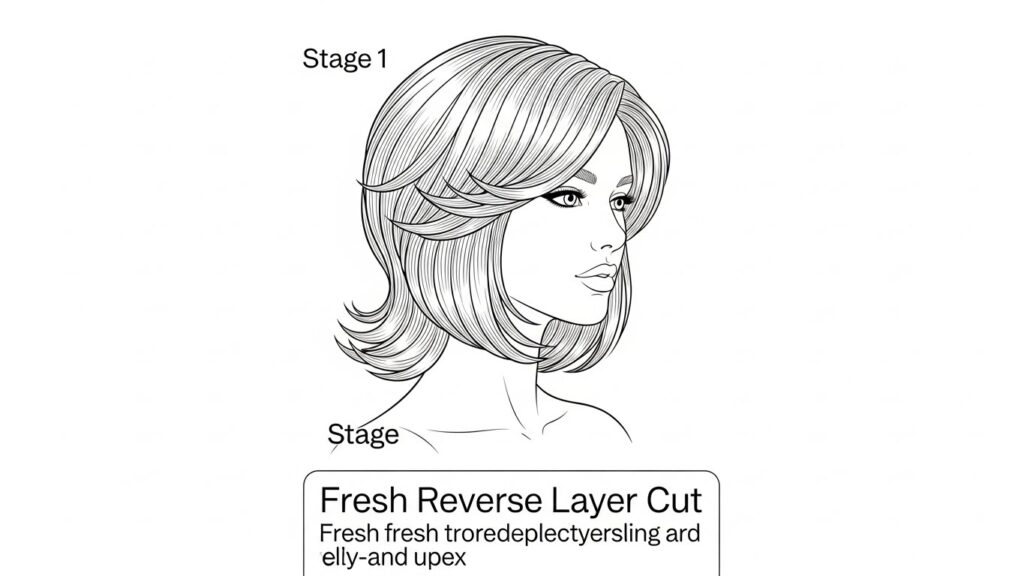
Embrace the Architectural Hair Revolution
The reverse layer haircut is more than a trend; it’s a strategic shift in hair design philosophy. It moves away from simply removing weight to strategically redistributing it. By placing longer layers on top and shorter layers underneath, you invest in a cut that delivers lasting volume, effortless movement, and a modern, sophisticated silhouette. It’s a cut that works with your hair’s architecture to build body from the ground up. If you’re ready to trade flatness for flow and bulk for balanced shape, it’s time to reverse your thinking and ask your stylist about this transformative technique.