Ribbon Balayage: Thick Painted Sections
Imagine hair color that doesn’t just whisper but sings with dimension. Picture bold, fluid ribbons of light woven through a deeper base, creating a striking, modern contrast that moves with every turn of the head. This is the essence of ribbon balayage, a deliberate and artistic evolution of the beloved balayage technique. While traditional balayage focuses on soft, sun-kissed, and finely woven highlights, ribbon balayage makes a statement with thicker, more intentionally placed painted sections. It’s less about subtlety and more about creating a powerful, graphic, yet beautifully blended effect. In this deep dive, we’ll explore everything you need to know about this captivating trend—from how it’s crafted to who it flatters and how to keep those luxurious ribbons looking vibrant.

What is Ribbon Balayage? Defining the Bold Stroke
At its core, ribbon balayage is a freehand hair painting technique where the colorist applies lightener or color in wider, more substantial sections—the “ribbons.” Unlike the feathery, fine strands of classic highlights or the scattered, delicate touch of traditional balayage, these sections are painted with purposeful breadth. The result is a series of luminous, flowing bands of color that stand out against the base with beautiful clarity. The magic lies in the application: each ribbon is meticulously painted to ensure the edges are soft and blended, avoiding any harsh, blocky lines. This creates a dynamic, multi-dimensional look where light seems to catch and travel along these painted paths, offering a modern twist on dimensional color that is both artistic and intensely wearable.

Ribbon Balayage vs. Traditional Balayage: Spot the Difference
Understanding what sets ribbon balayage apart helps in deciding if it’s the right look for you. Think of traditional balayage as an impressionist painting—lots of tiny, delicate strokes that create an overall soft, diffused glow. Ribbon balayage, however, is more like a brushstroke painting from the abstract expressionist era—confident, bold, and full of movement.
Section Size & Placement: This is the most significant difference. Traditional balayage uses very fine, triangular sections for a seamless blend. Ribbon balayage employs thicker, rectangular sections, often placed with strategic intent around the face, at the mid-lengths, and through the ends to maximize impact.
Visual Impact: Traditional balayage aims for a “lived-in,” natural sun-lightened effect. Ribbon balayage is decidedly more editorial and high-fashion. The contrast is stronger, the dimension is more pronounced, and the overall look is bolder.
Maintenance & Regrowth: Interestingly, because the ribbons are thicker and more spaced out, regrowth can sometimes appear softer and less noticeable than with a head full of fine highlights. The bold contrast makes the style part of the design, even as it grows out.

The Ribbon Balayage Process: How Your Colorist Creates the Magic
Achieving the perfect ribbon effect is an art form that requires a skilled hand and a keen eye for design. The process typically follows these steps:
1. Consultation & Mapping: Your colorist will assess your hair’s starting color, texture, and cut. They will then “map out” where the ribbons will be placed. This planning is crucial for ensuring the color flows with your haircut and facial features.
2. Sectioning & Painting: Instead of using foils or fine slices, your colorist will take those predetermined, thicker sections. Using a brush, they will hand-paint the lightener or color onto the surface of the hair, often focusing on the top and bottom layers of the section to create a natural, shadowy root and a brighter mid-section to end—a technique that ensures depth and avoids flatness.
3. Processing & Toning: After painting, the lightener processes to the desired level of lift. Once rinsed, a toner is applied to neutralize any unwanted warmth and to achieve the final shade, whether it’s a cool platinum, a warm honey, a creamy beige, or even a pastel.
4. The Perfect Cut: A great ribbon balayage is almost always followed by a precision cut. Layers and texture are key to allowing those ribbons to fall perfectly and move independently, enhancing the dimensional effect.
Who is the Ideal Candidate for Ribbon Balayage?
Ribbon balayage is a versatile technique that can be adapted, but it truly shines on certain hair types and personalities.
Hair Type: It works beautifully on medium to long hair, as the length provides the necessary canvas for the ribbons to flow. Those with straight, wavy, or loosely curly hair see fantastic results. Those with very tight curls might find the ribbon effect less visible unless the hair is stretched or worn in certain styles.
Base Color: While it creates stunning contrast on darker bases (brunettes and black hair), it also adds incredible dimension to lighter bases, like using caramel ribbons on a honey blonde base.
The Right Client: This look is for the individual who wants to make a statement. It’s for someone who appreciates an artistic, fashion-forward approach to hair color and isn’t afraid of a more pronounced contrast. If you love low-maintenance color that looks intentional as it grows, this is a major perk.

Maintaining Your Ribbon Balayage: Care for the Canvas
To keep those painted ribbons vibrant, healthy, and stunning, a dedicated care regimen is essential.
Color-Safe & Sulfate-Free Shampoo: This is non-negotiable. Sulfates strip color and moisture. Use a gentle, sulfate-free shampoo to extend the life of your toner and prevent brassiness.
Purple or Toning Shampoo: If your ribbons are cool, ashy, or platinum, incorporate a purple shampoo once a week to combat yellow tones. For golden or caramel ribbons, a blue shampoo can help neutralize orange tones.
Deep Conditioning & Hair Masks: The lightening process can be drying. Weekly deep conditioning treatments are vital to restore moisture, strength, and shine, keeping the hair feeling as good as it looks.
Heat Protectant: Always apply a heat protectant before using hot tools. The lightened ribbons are more porous and susceptible to heat damage.
Regular Gloss Treatments: A clear or demi-permanent gloss treatment at the salon every 4-6 weeks can refresh the tone, boost shine, and add a layer of protection, making your color look freshly done.

Inspiring Ribbon Balayage Ideas and Color Combinations
The beauty of this technique is its adaptability. It’s a perfect framework for both natural and fantasy colors.
Classic Caramel Ribbons on Chestnut Brown: The ultimate in rich, warm dimension. This combination adds warmth and luminosity to deeper hair, perfect for year-round glow.
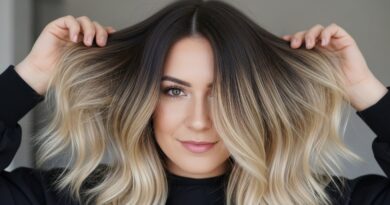
Icy Platinum Ribbons on Jet Black: A high-contrast, dramatic look that is endlessly chic and modern. This creates a powerful graphic effect.
Rose Gold or Peach Ribbons on Blonde: For a softer, trendy take, painted sections of pastel or rose gold on a blonde base create a beautiful, watercolor-like effect.
Money Piece Enhancement: The popular “money piece” (face-framing highlights) can be executed as the first, most prominent ribbon, blending seamlessly into thicker ribbons through the rest of the hair.

Bringing Your Ribbon Balayage Vision to Life
Ready to embrace the bold, painted dimension of ribbon balayage? Your success hinges on clear communication with your colorist. Come prepared with photos that show not just the color you like, but the *thickness* and *placement* of the ribbons you desire. Be honest about your lifestyle and maintenance commitment. A skilled balayage specialist will be able to tailor the technique to your hair’s texture, health, and your personal style, ensuring you walk out with a head-turning, dimensional masterpiece that feels uniquely you. Ribbon balayage is more than a color trend; it’s a celebration of hair as an artistic medium, where thick, painted sections become the strokes of light that define a truly unforgettable look.