Rosemary Water for Hair: The TikTok Trend That Science Supports
Scroll through any beauty or wellness corner of TikTok, and you’re bound to stumble upon a serene video showcasing a simple jar of golden-brown liquid: rosemary water. Hailed as a miracle elixir for hair growth, thickness, and scalp health, this aromatic trend has taken social media by storm. But is it just another fleeting viral fad, or is there genuine substance behind the hype?
Surprisingly, this modern beauty hack is rooted in ancient herbal medicine. For centuries, rosemary has been revered for its medicinal properties. Today, a growing body of scientific research is catching up, providing compelling evidence that supports what herbalists have known all along. This isn’t just a trend; it’s a time-tested remedy getting a well-deserved moment in the spotlight.
If you’re battling with hair thinning, slow growth, or a lackluster mane and are skeptical of expensive, chemical-laden solutions, you’ve come to the right place. Let’s untangle the facts, explore the science, and learn how to harness the power of rosemary water for your own hair care routine.
What is Rosemary Water and Why is it Suddenly Everywhere?
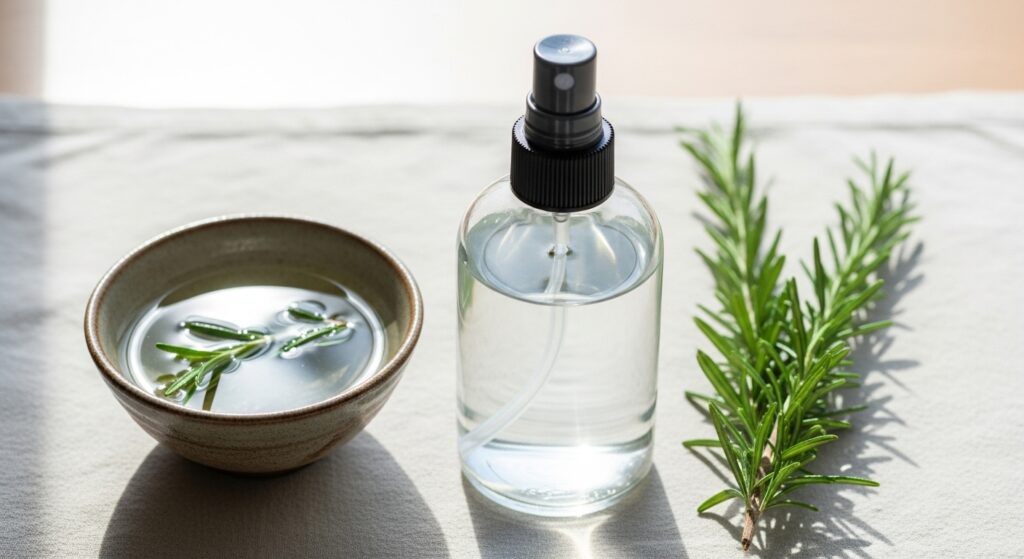
At its core, rosemary water is a simple infusion made by steeping fresh or dried rosemary leaves in hot water, much like brewing a potent tea. This liquid is then cooled and used as a leave-in treatment, scalp spray, or final hair rinse. Its rise to fame on platforms like TikTok and Instagram can be attributed to its accessibility, affordability, and the powerful allure of a natural, DIY solution to a common problem.
Users across the globe flood feeds with their “glow-ups,” showcasing before-and-after photos that promise remarkable transformations: reduced hair fall, new baby hairs sprouting along the hairline, and a noticeable increase in overall thickness and shine. The visual proof is compelling, creating a wave of collective experimentation. But beyond the viral videos lies a rich history. Rosemary (Rosmarinus officinalis) has been a staple in Mediterranean folk medicine for millennia, traditionally used to improve memory, soothe muscle pain, and, yes, stimulate hair growth.
This modern trend is essentially a rediscovery of an ancient practice, repackaged for the digital age. It speaks to a growing desire to understand and utilize plant-based ingredients, moving away from complex product labels and towards simpler, recognizable components.

The Science Behind Rosemary and Hair Growth
This is where the trend separates itself from mere folklore. Scientific inquiry has begun to validate the hair-growing properties of rosemary, with several studies pointing to its efficacy. The most cited piece of evidence is a 2015 clinical trial that directly compared rosemary oil to the popular hair loss treatment minoxidil (Rogaine).
In this study, participants with androgenetic alopecia (common pattern hair loss) used either 2% minoxidil or rosemary oil for six months. The remarkable findings showed that both groups experienced a significant increase in hair count at the endpoint. While the minoxidil group showed a slightly better effect early on, the rosemary oil group caught up by the six-month mark. Crucially, the rosemary oil group reported less scalp itching as a side effect, highlighting its potential as a gentler alternative.
So, how does it work? Researchers believe rosemary benefits hair through several key mechanisms:
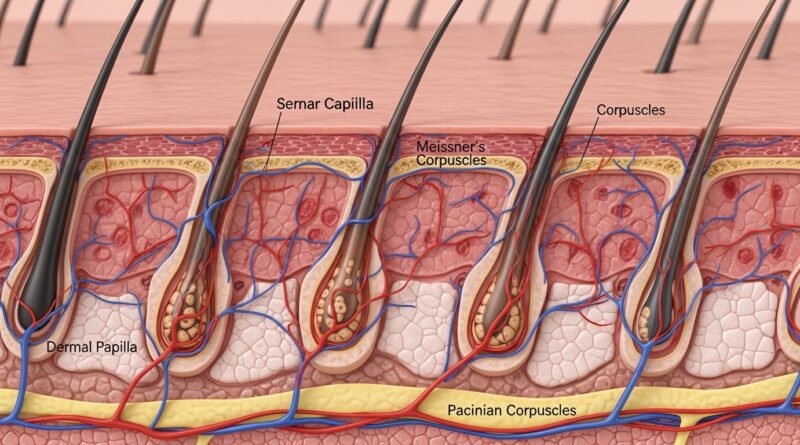
1. Improved Blood Circulation: Rosemary is known to be a circulatory stimulant. When applied to the scalp, it helps increase blood flow to the hair follicles. Think of this as delivering a supercharged dose of oxygen and essential nutrients directly to the roots, creating an optimal environment for hair growth.
2. Anti-inflammatory and Antioxidant Properties: A stressed, inflamed scalp is not a healthy ground for hair growth. Rosemary contains potent anti-inflammatory compounds like carnosic acid and antioxidants that help soothe scalp irritation and protect hair follicles from damage caused by free radicals.
3. DHT Blockage Potential: Dihydrotestosterone (DHT) is a hormone that can shrink hair follicles, leading to pattern baldness in both men and women. Some studies suggest that rosemary oil may help inhibit the binding of DHT to its receptors, similar to how some pharmaceutical treatments work, thereby helping to prevent follicle miniaturization.
While much of this research focuses on rosemary oil, the water-based infusion carries many of the same beneficial compounds, albeit in a milder, less concentrated, and water-soluble form. This makes it an excellent daily treatment, especially for those with sensitive scalps who may find the essential oil too potent.
Beyond Growth: The Multitude of Rosemary Water Benefits
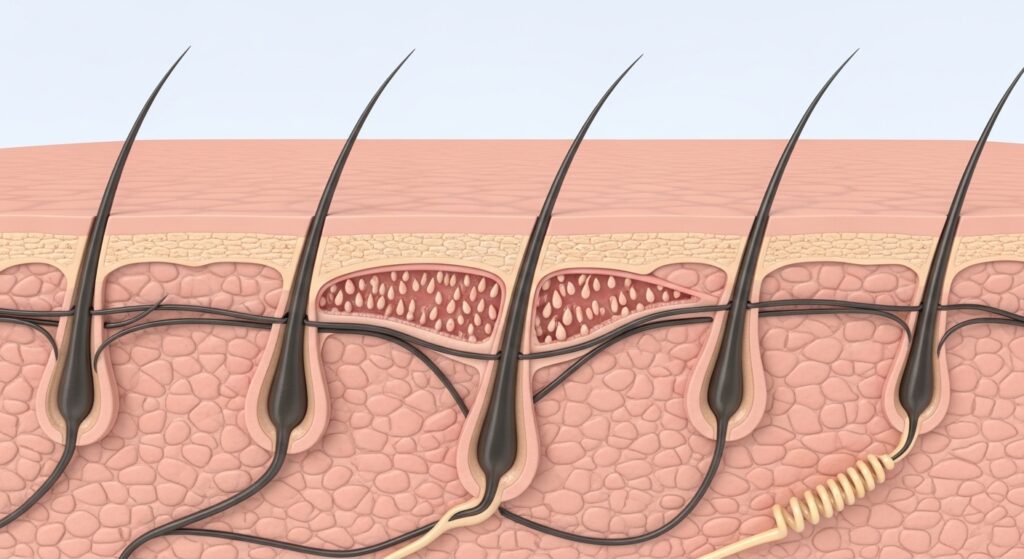
While hair growth is the headline-grabber, the advantages of incorporating rosemary water into your routine extend far beyond just length. Its holistic benefits contribute to overall hair and scalp health, which is the true foundation of beautiful hair.
Soothes an Itchy, Irritated Scalp: Thanks to its anti-inflammatory properties, rosemary water can provide relief from conditions like dandruff and seborrheic dermatitis. A calm scalp is a healthy scalp, and a healthy scalp is the first step toward reducing hair fall.
Strengthens Hair and Reduces Breakage: The antioxidants in rosemary help fortify the hair shaft, making it more resilient to damage from styling, environmental stressors, and manipulation. Stronger hair means less breakage, which naturally leads to the appearance of fuller, thicker hair over time.
Adds Brilliant Shine: Using rosemary water as a final rinse after conditioning can help smooth the hair cuticle. A flat, smooth cuticle reflects light better, resulting in instant, noticeable shine without the need for heavy silicone-based serums.
Natural Antimicrobial Protection: Rosemary has natural antimicrobial properties that can help keep the scalp’s microbiome in balance, potentially warding off infections or imbalances that could impede hair health.
How to Make Your Own Rosemary Water at Home
One of the biggest appeals of this trend is its simplicity and cost-effectiveness. You can easily create a batch of potent rosemary water in your own kitchen with just two ingredients. Here’s a straightforward method:
Ingredients:
– A large handful of fresh rosemary sprigs (or 2-3 tablespoons of dried rosemary)
– 2-4 cups of filtered water
Instructions:
1. The Simmer Method (Most Potent): Add the rosemary and water to a pot. Bring it to a boil, then reduce the heat and let it simmer for 15-25 minutes with the lid on. The longer you simmer, the more concentrated the infusion will be.
2. The Steeping Method (Easiest): Simply pour boiling water over the rosemary in a heat-proof jar or bowl, cover, and let it steep for several hours, or even overnight, until the water cools and takes on a rich amber color.
Once your infusion is ready and has cooled completely, strain out the rosemary leaves and transfer the liquid to a clean spray bottle. Store it in the refrigerator to preserve its freshness, where it should last for up to two weeks. You may notice a subtle, herbal scent—this is perfectly normal and a sign of a good, potent brew.

How to Use Rosemary Water Correctly for Maximum Results
Consistency and correct application are key to seeing results. Integrate rosemary water into your routine in one or more of the following ways:
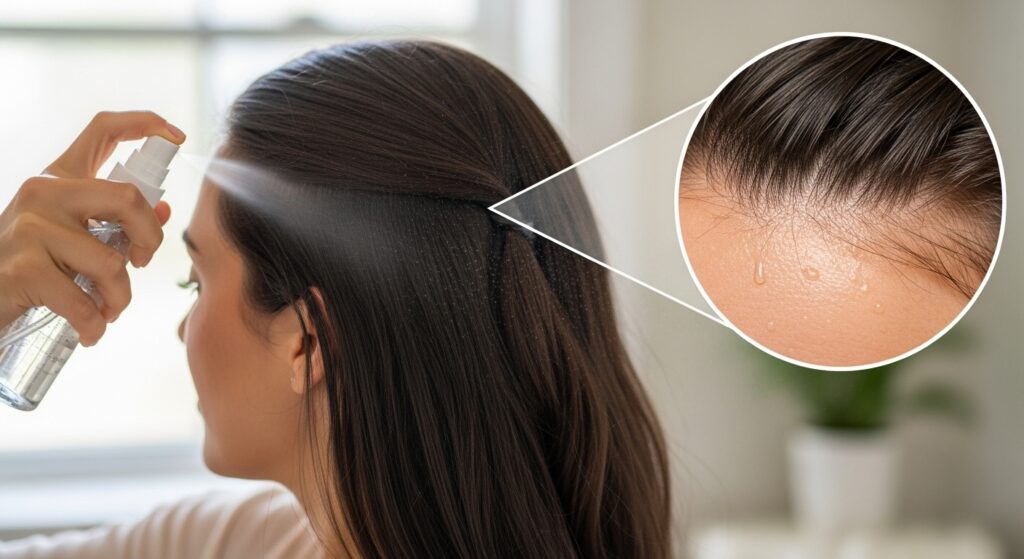
As a Pre-Shampoo Scalp Treatment: Section your dry or damp hair and generously spray the rosemary water directly onto your scalp. Gently massage it in with your fingertips for a few minutes to stimulate circulation. Leave it on for at least 30 minutes, or even overnight, before washing your hair as usual.
As a Leave-In Tonic: After washing and conditioning your hair, spray the rosemary water onto your scalp and along the lengths of your hair. There’s no need to rinse it out. This can be done daily or every other day. It’s a refreshing and invigorating treatment that delivers a consistent dose of benefits.
As a Hair Rinse: After your final conditioner rinse, pour the rosemary water over your hair as a final step. You can either rinse it out with cool water after a minute or two or leave it in for extra conditioning and shine.
A Word of Caution: While rosemary water is generally very safe, it’s always wise to perform a patch test. Spray a small amount on your inner arm and wait 24 hours to check for any allergic reaction. If you have very sensitive skin, consult with a dermatologist before trying any new scalp treatment.

Rosemary Water vs. Rosemary Oil: Which is Right for You?
It’s easy to get confused between the water and the oil, but they are used quite differently. Understanding the distinction will help you choose the best option for your needs.
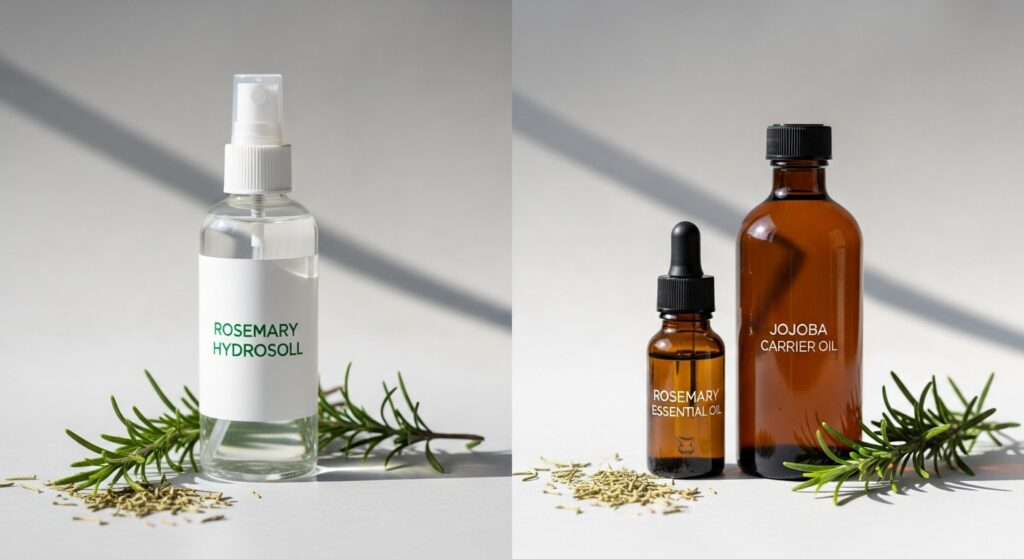
Rosemary Water: This is a mild, hydrating, and water-based infusion. It’s perfect for daily use, for those with sensitive skin that may react to essential oils, and as a refreshing scalp toner. It’s incredibly easy to apply and requires no dilution.
Rosemary Essential Oil: This is an extremely potent, concentrated oil extracted from the plant. It must never be applied directly to the skin or scalp as it can cause severe irritation. It must always be diluted in a carrier oil (like jojoba, coconut, or argan oil) before use—typically 3-5 drops of essential oil per tablespoon of carrier oil.
For a powerful, intensive treatment once or twice a week, a diluted rosemary oil scalp massage may be more effective. For a gentle, consistent, and hydrating daily ritual, rosemary water is the superior choice. Many find that using both in tandem—the water daily and the oil weekly—provides the most comprehensive approach.
The Final Verdict: A Trend Worth Trying
The explosion of rosemary water on TikTok did more than just create a viral moment; it introduced a scientifically-backed, accessible, and natural remedy to a mass audience. While it may not be a magical potent that will give you waist-length hair overnight, the evidence suggests it is a legitimate and beneficial addition to a holistic hair care regimen.
It works by creating a healthier scalp environment, strengthening hair from the root, and providing gentle, consistent stimulation that can lead to reduced hair fall and improved growth over time. Paired with a balanced diet, proper hydration, and good hair care practices, rosemary water can be a powerful ally in your journey to stronger, thicker, and more vibrant hair.
So, is the rosemary water trend just hype? The answer, supported by both science and centuries of tradition, is a resounding no. It’s a simple, affordable, and effective practice that empowers you to take your hair health into your own hands. Why not brew a batch and see what it can do for you?