Shattered Edge: Fragmented Perimeter Texture
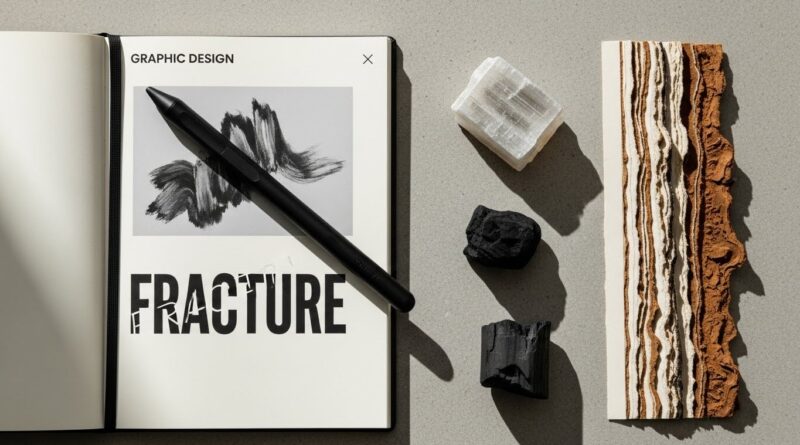
Look at the world around you. For centuries, human design has chased the smooth, the seamless, the perfectly finished edge. From classical architecture to minimalist UI, the unbroken line has been a symbol of order, control, and completion. But now, a compelling counter-narrative is emerging from the cracks—literally. Enter the fragmented perimeter texture, often evocatively termed the “Shattered Edge.” This is not a sign of damage or neglect, but a deliberate, powerful aesthetic choice that injects raw energy, dynamic movement, and profound metaphor into our visual landscape.
Beyond the Border: Defining the Fragmented Perimeter
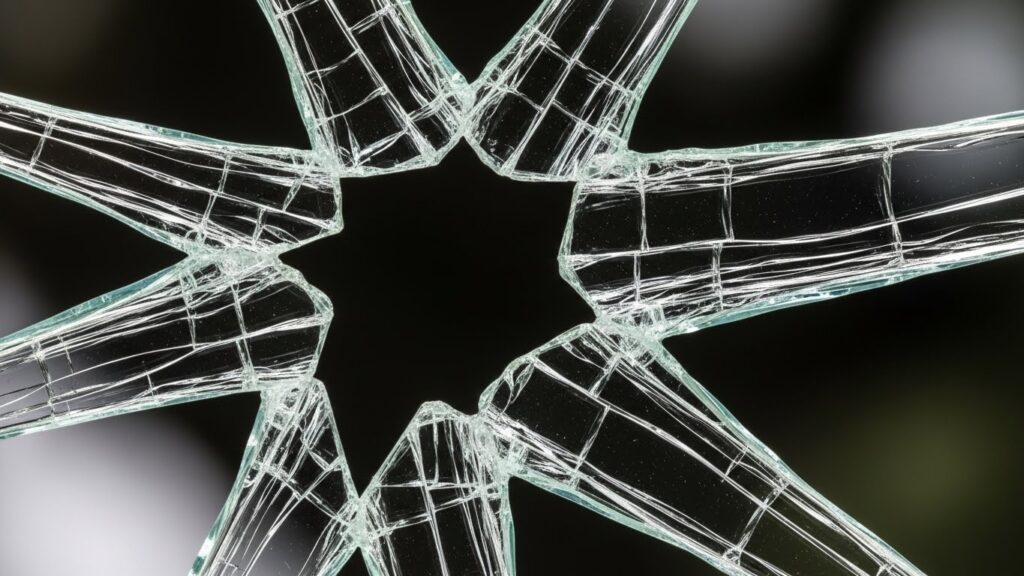
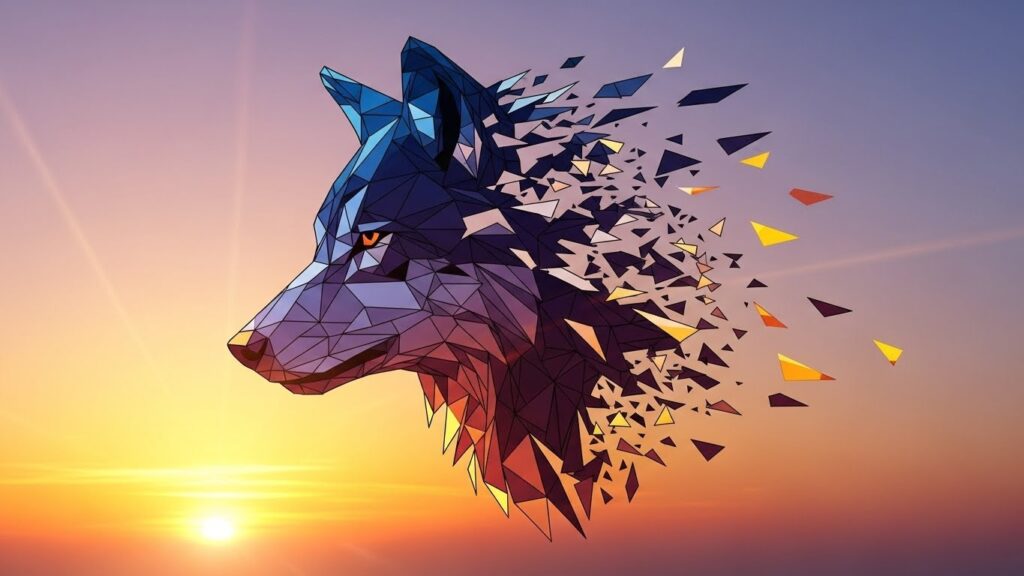
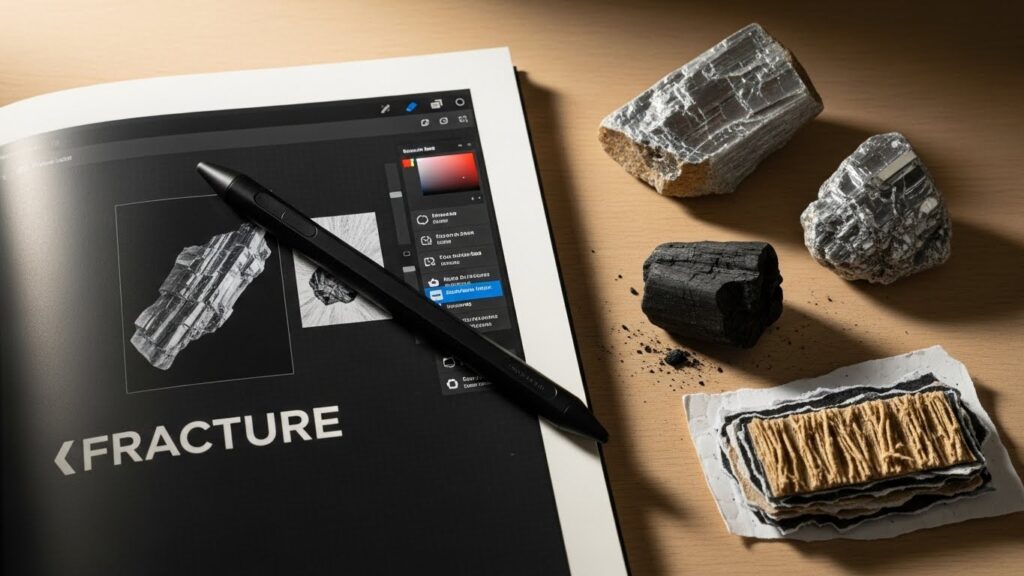
So, what exactly is a fragmented perimeter texture? At its core, it is any boundary or edge that is intentionally irregular, non-linear, and complex. Instead of a clean, continuous line separating an object from its surroundings, the edge becomes a zone—a textured transition filled with peaks, valleys, splinters, and voids. Think of the eroded coastline of a cliff, the feathered edge of torn paper, the explosive silhouette of a shattered gemstone, or the digital glitch that corrupts a smooth vector shape.
This texture lives in the tension between form and formlessness. It challenges the binary of object and negative space, often allowing them to intermingle. The “Shattered Edge” effect is particularly potent because it implies a story. It suggests a moment of impact, a process of decay, a release of energy, or a natural, organic formation. It’s dynamic, suggesting a frozen instant rather than a static, forever state. This narrative quality is a key part of its emotional pull.
Aesthetic and Psychological Impact: Why Broken Feels Beautiful
The appeal of the shattered edge isn’t accidental; it taps into deep-seated psychological responses. In a world often oversaturated with sleek, homogenous design, fragmentation breaks the pattern. It creates visual complexity and intrigue, demanding closer inspection. Our brains enjoy solving mild visual puzzles, and a fragmented edge provides just enough chaos to engage without overwhelming.
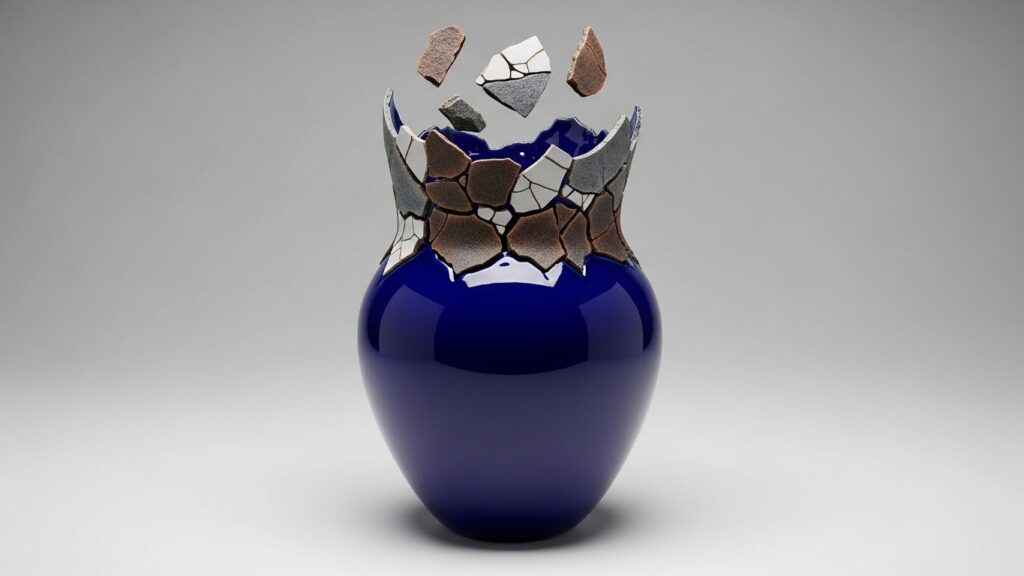
Furthermore, this texture carries potent metaphorical weight. It can represent breakthrough, transformation, or resilience—beauty forged from rupture. In Japanese aesthetics, the concept of Kintsugi (repairing broken pottery with gold) celebrates flaw and imperfection as a history that adds value. The shattered edge operates in a similar philosophical realm, but often halts at the moment of breakage, celebrating the power and potential of the fragment itself. It can also evoke digital age themes: data corruption, information overload, the fragmentation of identity, or the beautiful glitch in the system.
Digital Realms: Fractured Edges in UI and Web Design
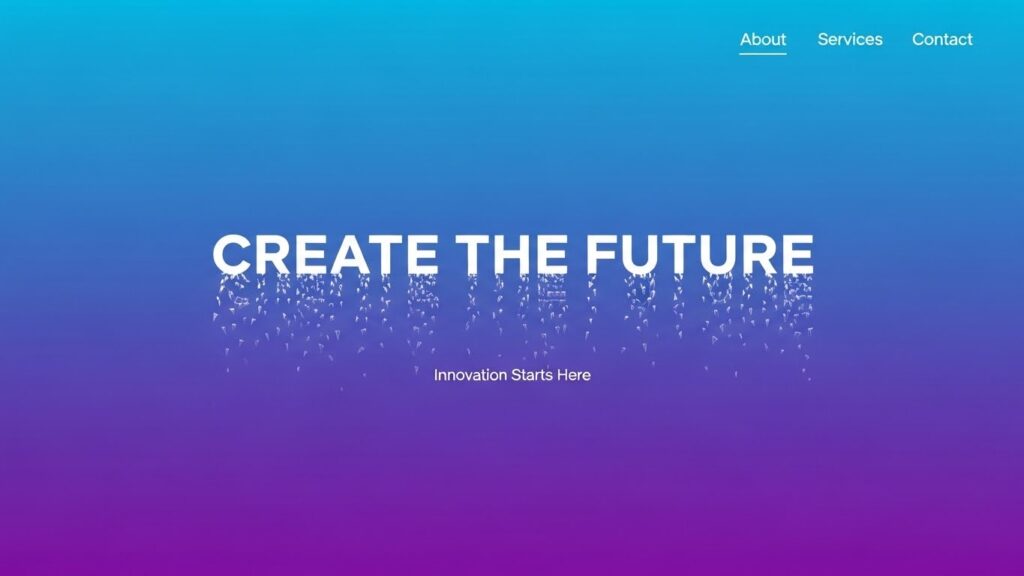
The digital world has embraced the fragmented perimeter with open arms. Here, it serves as a powerful tool to break the rigid grid of the screen. Designers use shattered-edge textures in hero section dividers, as masks for vibrant background videos, or to frame bold typography. A website for a cutting-edge tech company might use a fragmented header to imply innovation and disruption. A portfolio for an artist or musician might use it to convey raw, unpolished creativity.
In User Interface (UI) design, used sparingly, it can draw intense focus to a specific element, like a call-to-action button with a gritty, textured border that makes it feel tactile and urgent. The key in digital application is balance. Too much fragmentation can harm readability and usability. The most effective implementations use it as a bold accent against a more structured layout, creating a focal point that pulses with energy.
Physical Manifestations: From Architecture to Product Design
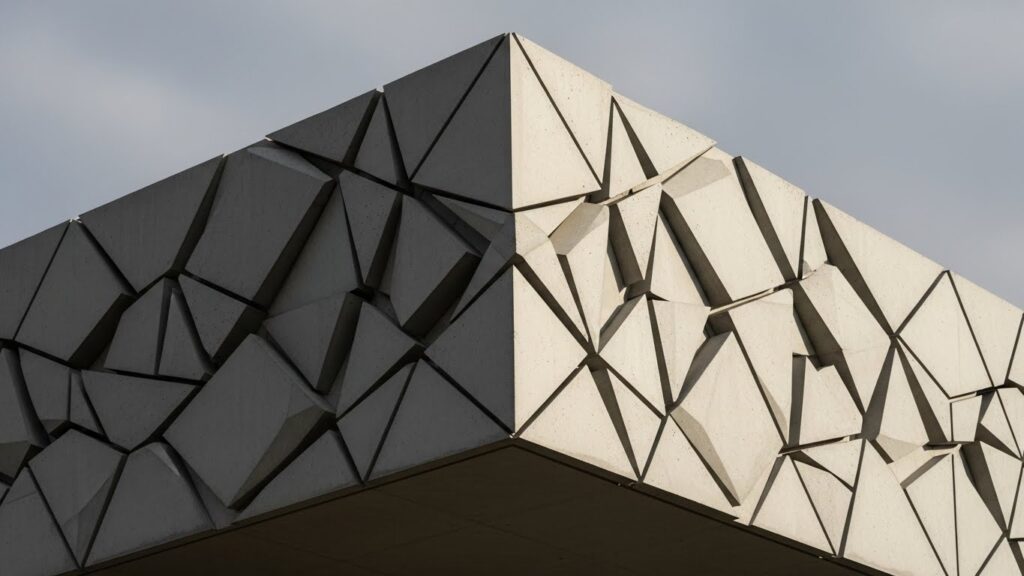
The fascination with fragmentation has powerfully crossed over into the physical world. In architecture, we see buildings with facades that appear to crumble or peel away, revealing structure or creating dramatic light patterns. Think of brickwork with intentionally irregular, protruding edges or concrete surfaces with aggressively textured perimeters that change with the sun’s angle.
In product and furniture design, the shattered edge transforms ordinary objects into conversation pieces. A mirror with a perimeter that looks like frozen broken glass. A wooden dining table with a live edge that’s not just natural, but artfully splintered. A fabric with a frayed, complex border used as a deliberate design element, not an unfinished mistake. These applications invite touch and exploration, adding a tactile, sensory dimension to the visual experience.
Crafting Your Own Shattered Edges: Tools and Techniques
Inspired to incorporate this texture into your own work? The methods vary by medium. For digital artists and designers, tools like Adobe Photoshop’s custom brushes (grunge, splatter, or crystal brushes) are perfect for painting fragmented edges manually. Illustrator’s Width Tool or effects like Roughen and Tweak can deform clean vector paths. For 3D work, displacement maps using fractal or noise textures can create incredibly realistic shattered perimeters on models.
Photographers can seek out natural or man-made fragmentation—cracked mud, ice formations, crumbling walls—and isolate these edges through macro photography and careful composition. For hands-on creators, techniques like controlled breaking (with scoring), resin casting with inclusions, aggressive carving, or using materials like fractured glass or shattered ceramic tiles can yield stunning results. The process often involves embracing chance and imperfection, guiding the break rather than dictating it.
The Future of the Fragment: An Evolving Aesthetic
The fragmented perimeter texture is more than a passing trend; it’s a reflection of a cultural mindset. As we grapple with non-linear narratives, complex identities, and the beauty of imperfection in an age of AI-polished content, the shattered edge gives form to these ideas. We can expect to see it evolve further, perhaps merging with biomorphic design to create edges that look like cellular structures or fungal growth, or with light-based art to create ephemeral, glowing fractures in space.
Its power lies in its duality. It is both destructive and creative, chaotic and intentional, unsettling and mesmerizing. It reminds us that not all boundaries are meant to be clean, and not all edges are meant to contain. Sometimes, the most compelling beauty and the most potent stories are found not in the whole, but in the break—in the dynamic, dazzling, and defiant space of the shattered edge.Have you used fragmented textures in your projects? What emotions or stories do they help you convey? The edge is just the beginning—the conversation starts in the fragments.