Shattered Ends: Heavily Textured Tips
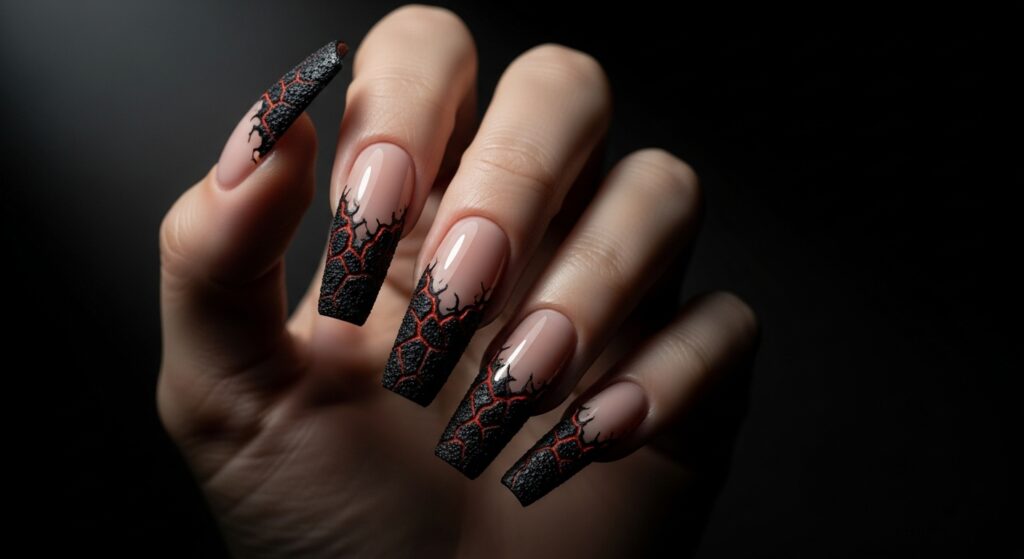
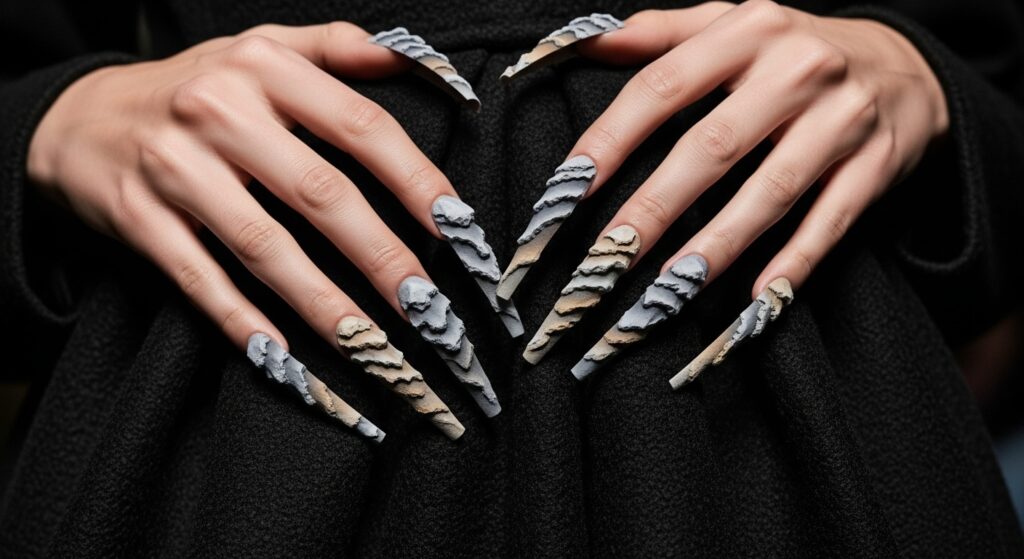
In the ever-evolving universe of nail art, where minimalism and maximalism constantly vie for attention, a new trend has emerged from the shadows, capturing the imagination of beauty rebels and fashion futurists alike. It’s raw, it’s edgy, and it defies every rule of the “perfect manicure.” Welcome to the era of Shattered Ends—the heavily textured tip trend that looks less like a salon finish and more like a piece of wearable, abstract art. This isn’t about smooth, glossy perfection; it’s about embracing beautiful decay, controlled chaos, and a tactile experience that begs to be touched.
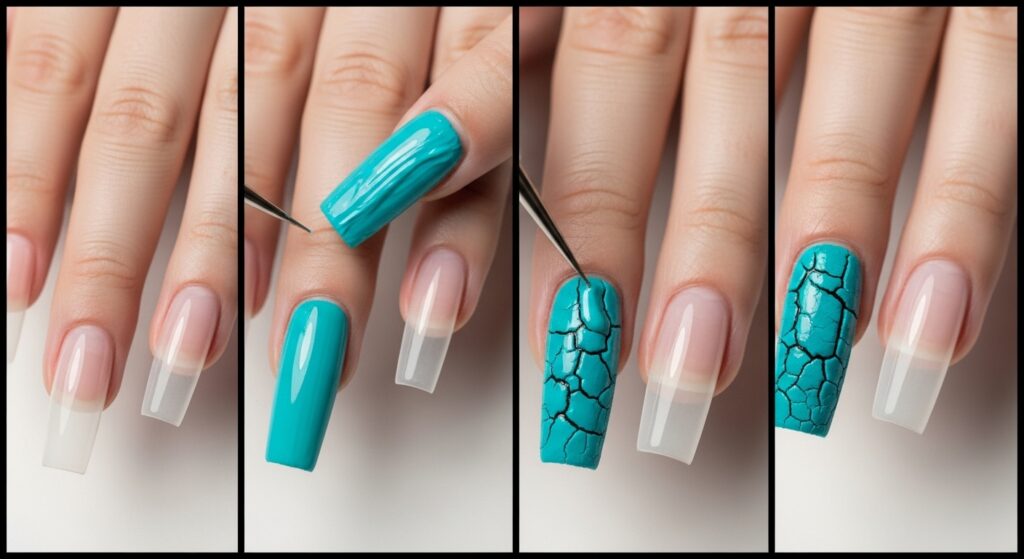
Imagine the delicate crackle of a dried riverbed, the intricate web of a shattered windshield, or the raw, crumbling edge of ancient pottery. Now, translate that onto your fingertips. That’s the essence of this movement. It’s a deliberate departure from the pristine, offering a deeply personal and artistic statement that challenges conventional beauty standards. This blog post will deconstruct the Shattered Ends trend, exploring its origins, the techniques behind the texture, and how you can incorporate this daring look into your style repertoire.
From Avant-Garde Runways to Mainstream Madness
The story of Shattered Ends doesn’t begin at your local nail salon. Its roots are firmly planted in the soil of high fashion and avant-garde artistry. We first saw whispers of this textured future on international runways, where designers’ visions extend beyond clothing to complete bodily aesthetics. Nail artists, acting as sculptors, began experimenting with building out nails using acrylics, gels, and unconventional materials like clay, sand, and even crushed shells to create extreme textures.
This aesthetic aligns with broader fashion movements like “gorpcore” and “post-apocalyptic chic,” which celebrate utility, rawness, and a certain weathered beauty. The shattered, crumbling tip is a natural extension of this—a visual narrative of strength, resilience, and having been through something interesting. It moved from editorial spreads to celebrity stylists, and finally, thanks to social media platforms like TikTok and Instagram, it has exploded into a trend accessible to anyone craving a nail look with a story and a soul.
Deconstructing the Texture: How Are “Shattered Ends” Created?
So, how does one achieve this masterfully destroyed look? It’s a fascinating process that blends traditional nail techniques with artistic modeling. The goal is to create a stark contrast between a relatively smooth nail bed and a dramatically textured free edge.
The most common method involves using hard gel or acrylic to build an extended tip. Once the basic extension is formed and cured, the magic begins. The artist will then apply additional layers of a specially formulated texture gel, builder gel, or even acrylic putty. This material is manipulated before it fully sets using a combination of tools: dotting tools, silicone brushes, orange wood sticks, or even the edge of a file to poke, drag, and pull the product into peaks, craters, and fissures. Some artists use additives like acrylic powder, glitter, or pigment powders to enhance the dimensional, crumbling effect before a final seal.
Color plays a crucial role. While monochromatic looks (like all-black or all-white) are powerfully stark, many designs use ombré techniques or contrasting colors to highlight the texture. A deep burgundy fading into a cracked, matte black tip, or a milky nude base ending in a shattered, crystal-clear texture are stunning examples. The finish is almost always matte, as it amplifies the shadows and depth of the texture, making every crack and ridge more visible.
Why This Trend Resonates: More Than Just a Manicure
The popularity of Shattered Ends speaks to a deeper shift in how we view beauty and self-expression. In a world of filtered perfection, this trend is a breath of authentic, tangible air.
First, it’s inherently tactile and sensory. People don’t just want to look at their nails; they want to feel them. The ridges and valleys provide a sensory feedback loop that’s uniquely satisfying. Secondly, it embodies a “perfectly imperfect” philosophy. It celebrates uniqueness and artistry—no two shattered ends are ever identical. It allows for personal storytelling; your nails can look like weathered stone, cracked ice, or fractured gemstones, each conveying a different mood.
Furthermore, it’s a powerful form of non-conformist expression. In professional or social settings, it’s a subtle yet undeniable statement of creativity and confidence. It says you’re not afraid to challenge norms and wear your artistry on your sleeves—or rather, on your fingertips. It turns nails from a polished accessory into a central conversation piece.

Can You Wear Shattered Ends? Styling the Look
You might think such a bold trend requires a full wardrobe overhaul, but its beauty lies in its surprising versatility. The key is balance.
For a high-fashion minimalist approach, pair monochromatic shattered nails (think all white or grey) with clean, structured silhouettes—a tailored blazer, wide-leg trousers, and simple jewelry. The nails become the singular, dramatic focal point. To embrace the edgy aesthetic fully, lean into the trend with distressed denim, leather pieces, chunky boots, and metallic accessories. The nails complement the overall texture-rich outfit.
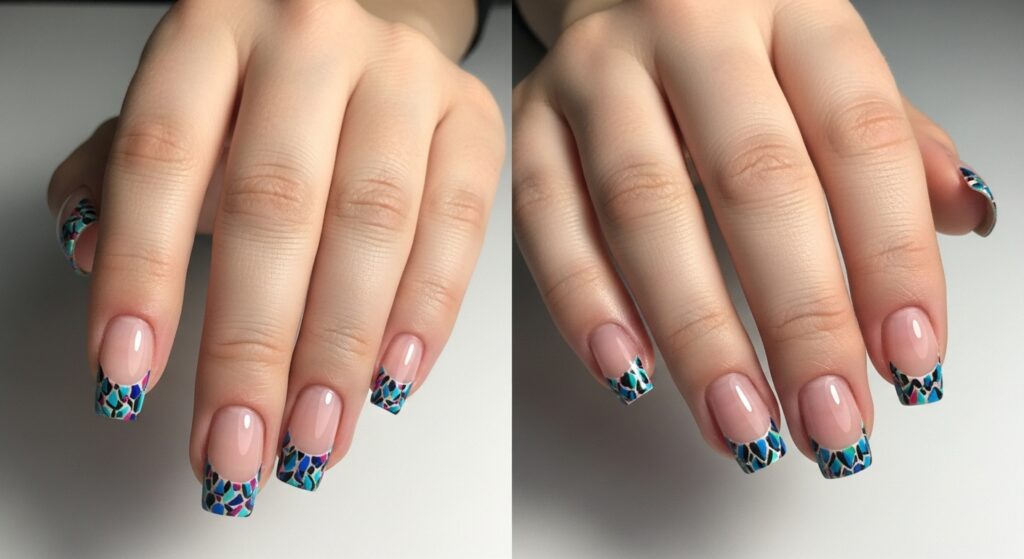
Perhaps the most striking combination is the juxtaposition of raw and refined. Imagine heavily textured, earthy-toned nails against the delicate silk of a slip dress or the soft cashmere of a sweater. This contrast highlights the artistry of the nails and creates a compelling, multi-dimensional style narrative. When it comes to length, while longer tips amplify the drama, shorter, squoval nails can also rock a subtle shattered edge, making the trend more accessible for everyday wear.

Maintenance and Longevity: Embracing the Evolution
Given their complex nature, Shattered Ends require a bit more consideration than a standard polish. They are typically done with hard gel or acrylic, meaning they are a long-wear manicure that can last 3-4 weeks with proper care. The textured tips, while durable, can catch on very fine fabrics, so a slight awareness is needed.
As your natural nails grow, the most noticeable area will be the regrowth at the cuticle, not the textured tip itself. Many find that the look evolves beautifully, and a fill is easy for a skilled technician. Removal is crucial: never pick or peel them off. Professional soaking or filing is necessary to prevent damage to your natural nail plate. The investment is in the artistry and the enduring, statement-making wear you’ll get from them.
The Future of Texture: Where Do We Go From Here?
Shattered Ends are more than a fleeting fad; they are a signpost pointing toward the future of nail art—a future that is increasingly dimensional, artistic, and personalized. We can expect to see this philosophy of texture expand further: perhaps combining shattered effects with encapsulated dried flowers, metallic foils, or glow-in-the-dark pigments. The technique might migrate to more subtle placements, like just the corners of the nail or in geometric sections.
This trend democratizes nail art, positioning the nail technician as a true artist and the client as a patron of wearable art. It challenges the industry to innovate with new materials and techniques. As we move forward, the desire for self-expression through beauty will only grow more nuanced, and textures like those seen in Shattered Ends offer a profound new language to speak in.
In conclusion, Shattered Ends: Heavily Textured Tips is a defiant, beautiful, and intelligent trend. It’s for those who see their body as a canvas for storytelling, who find beauty in asymmetry and texture, and who aren’t afraid to let their fingertips do the talking. It’s a reminder that sometimes, the most captivating finishes are the ones that look intriguingly unfinished.