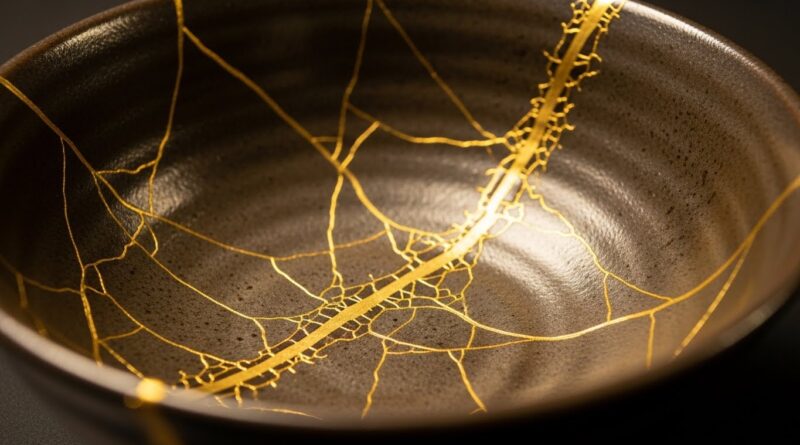
Shattered Perimeter: Fragmented Edge Texture
In a world often obsessed with smooth finishes and perfect lines, there exists a powerful, visceral counterpoint: the fragmented edge. This is not merely a visual style; it is a language. A shattered perimeter speaks of resilience, of rupture, of a story interrupted and compellingly reassembled. It is the crack in the ancient vase that maps its history, the weathered cliff face standing against millennia of waves, the torn paper revealing layers beneath. To incorporate fragmented edge texture into design—whether graphic, digital, architectural, or physical—is to invite a raw, emotional, and deeply human dialogue.
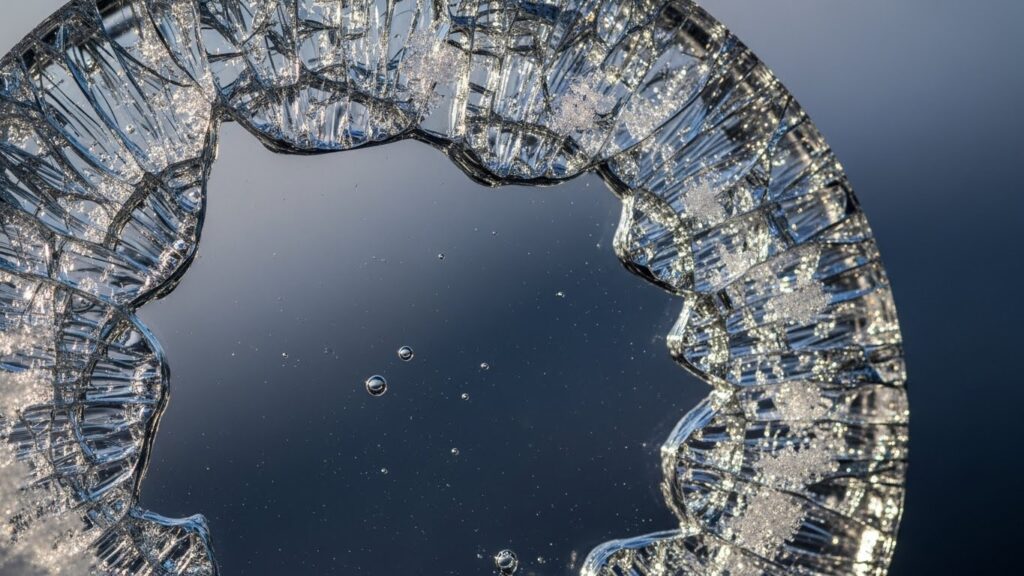
The Psychology of the Break: Why Fragmented Edges Captivate Us
Before we apply the technique, we must understand its impact. A smooth, continuous edge implies safety, completion, and control. In contrast, a fragmented or shattered edge immediately introduces narrative. Psychologically, it triggers a sense of intrigue and vulnerability. It represents a moment frozen in time—a impact, a decay, a deliberate deconstruction.
This texture communicates concepts that polished finishes cannot. It can signify organic authenticity, as seen in hand-torn paper or natural stone. It can express urban grit and industrial decay, like peeling posters on a concrete wall. In a digital context, glitch art and fragmented UI elements convey a sense of cutting-edge technology, system failure, or cyberpunk rebellion. The key is intention. The break is not a mistake; it is the message. It tells the viewer that the object or image has endured, has been through something, and carries a history within its jagged lines.
Manifestations of the Shattered Perimeter: From Canvas to Concrete
The beauty of this concept is its universal application. The fragmented edge is a versatile texture that transcends medium.
In graphic design and photography, it’s used through masking techniques, brush strokes, and overlays. A photograph with a shattered, torn-edge border feels immediate and archival. Text that appears to be breaking apart or made from fractured glass commands attention and suggests fragility or power, depending on the context. Think of a bold headline where letters look like cracked porcelain—it’s both beautiful and unsettling.
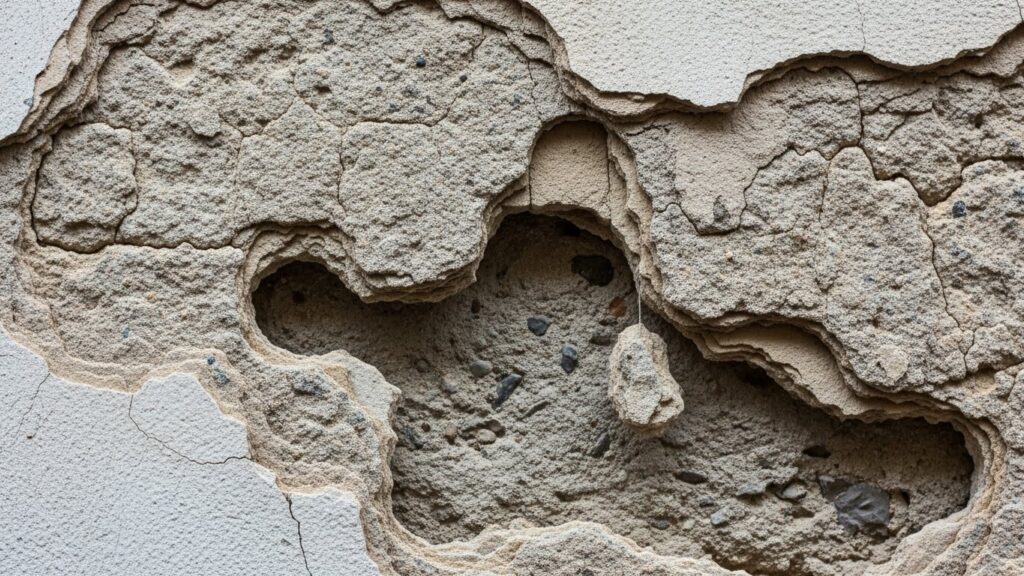
In architecture and interior design, the principle moves into the physical realm. Think of a sleek, modern concrete wall with a section that appears to have sheared away, revealing rough aggregate beneath. Or consider the intentional use of broken tile mosaics, where the fragmented edges become part of a larger, cohesive pattern. Furniture with live-edge wood, where the natural, irregular border of the tree is preserved, is a direct embrace of organic fragmentation.
Product design and fashion also play with this texture. A ceramic vase with a deliberate crackle glaze, a garment with raw, frayed seams, or a piece of jewelry with a geode-like, broken-edge stone all speak to this aesthetic. They reject mass-produced perfection in favor of unique, tactile character.

Crafting the Crack: Techniques for Implementing Fragmented Texture
How do you intentionally create this effect? The method depends on your medium, but the philosophy remains consistent: interrupt the expected flow.
For digital artists and designers, tools are plentiful. Use custom brushes in Photoshop or Procreate that mimic chalk, cracked paint, or splintered wood. Employ layer masks with grunge or fracture textures to break up the clean edges of shapes. Experiment with displacement maps to make images look like they are cracking or peeling. In UI/UX, subtle fragmentation on hover states or section dividers can add dynamic, edgy flair without sacrificing usability.
Photographers can capture fragmentation in-camera. Focus on subjects with inherently broken edges: shattered windows, eroded rocks, disintegrating leaves. Use lighting to exaggerate the texture, casting deep shadows into the cracks and highlights on the raised fragments. Double exposures or intentional camera movement can also create a sense of perceptual shattering.
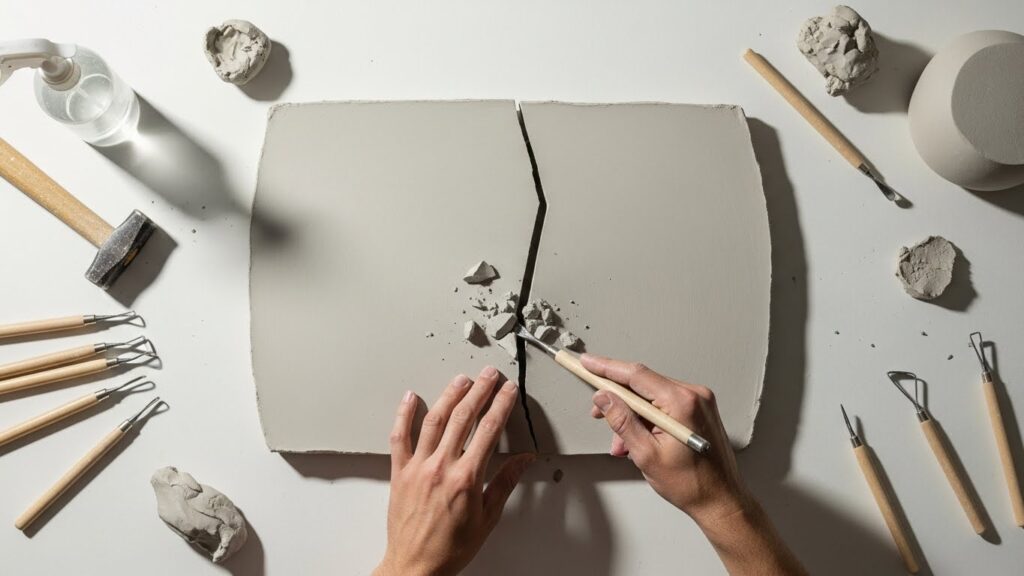
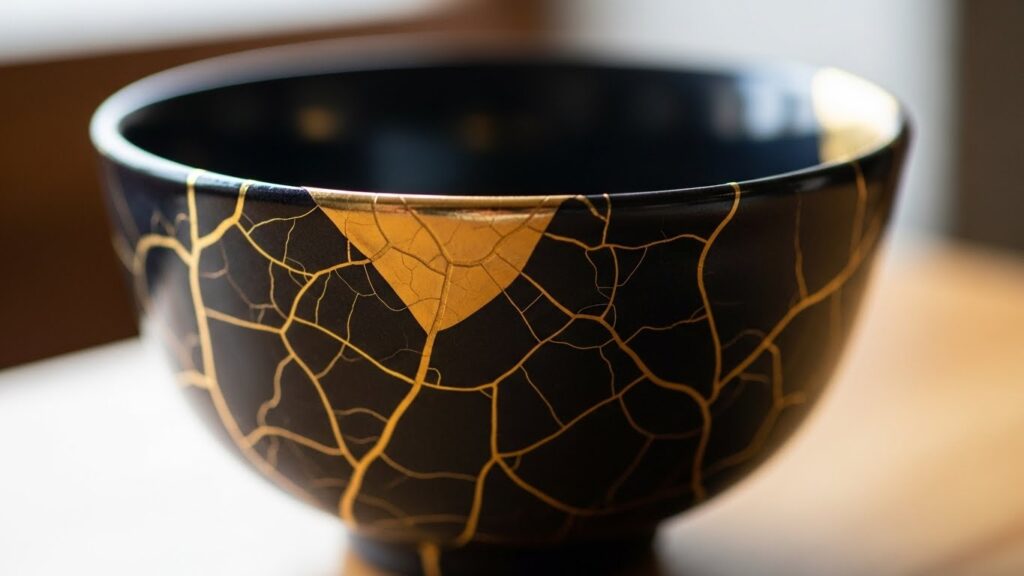
In physical crafts and fine art, embrace materiality. Crack paint mediums, break and reassemble tiles (kintsugi is the ultimate philosophy of fragmented edges), use a chisel on wood, or allow clay to crack as it dries. The process itself becomes part of the art, and the resulting texture is impossible to perfectly replicate, guaranteeing a one-of-a-kind piece.
The Balance of Chaos and Control: Principles for Effective Use
Powerful as it is, fragmented edge texture can become overwhelming or clichéd if applied without restraint. The goal is controlled chaos, not visual noise.
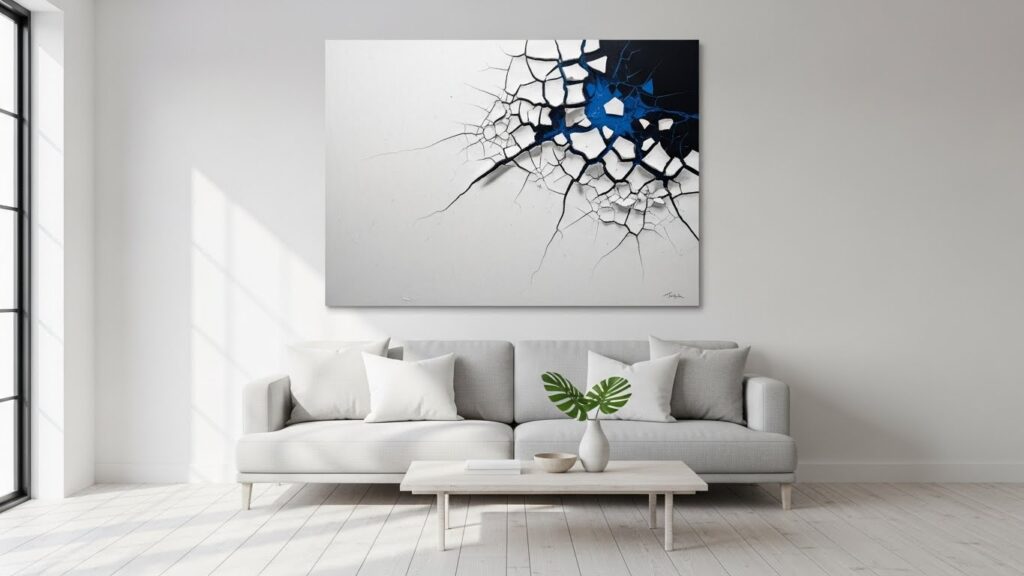
First, consider contrast and context. A shattered edge has maximum impact when placed against—or emerging from—a field of order and simplicity. A single, fragmented element on a minimalist layout becomes a powerful focal point. Conversely, a design where everything is broken and textured loses its meaning and becomes simply messy.
Second, mind the direction and energy of the fragmentation. Are the shards radiating outward (explosive, energetic) or falling inward (collapsing, decaying)? Is the break clean and geometric (modern, deliberate) or organic and irregular (natural, accidental)? The direction tells a sub-story.
Finally, remember legibility and function. In communication design, the message must still be received. If text is too fragmented, it becomes unreadable. In product design, a fragmented edge must not harm the user or compromise structural integrity. The break should serve the concept, not sabotage the purpose.
Beyond the Visual: The Philosophy of Kintsugi and Embracing Flaws
To truly grasp the depth of the shattered perimeter, we must look to the Japanese art of kintsugi (golden joinery). This practice involves repairing broken pottery with lacquer mixed with powdered gold, silver, or platinum. Rather than hiding the break, kintsugi highlights it, treating the fracture lines as a valued part of the object’s history and beauty.
This philosophy is the soul of fragmented edge texture. It teaches us that breakage and repair are part of a narrative of worth. In design, this translates to honoring process, history, and authenticity. A digital composition that shows its layers, a building that incorporates its old, crumbling wall into a new structure, a brand identity that embraces rough, hand-drawn elements—all are expressions of this idea. The fragmented edge becomes a symbol of resilience, transformation, and unique beauty born from imperfection.
Conclusion: Integrating the Shattered Perimeter Into Your Creative Voice
The journey into fragmented edge texture is more than a stylistic choice; it is an expansion of your creative vocabulary. It allows you to communicate complexity, history, and emotion in a way that pristine designs often cannot. It adds a layer of tactile reality and psychological depth that resonates on a primal level.
Start by observing the fragmented edges in your world—the cracked pavement, the torn book page, the lightning bolt in the sky. Analyze what they make you feel. Then, experiment. Introduce a single shattered element into your next project. Break a rule, interrupt a flow, and see what story emerges from the cracks.
Remember, a shattered perimeter does not signify an end. It marks a moment of transformation, a line where one state changes into another, more compelling one. It is in these fragmented edges that we often find the most compelling texture, the deepest stories, and the most authentic connection to the beautifully imperfect world around us.