Simple Styling That Looks Intentional
We’ve all seen it: that person who walks into a room looking impeccably put-together, yet somehow completely at ease. Their outfit isn’t loud or overly complicated, but every element feels considered, cohesive, and undeniably chic. This is the magic of simple styling that looks intentional. It’s the opposite of throwing on random clothes; it’s the art of dressing with quiet purpose.
The Foundation: Cultivating a Cohesive Color Palette
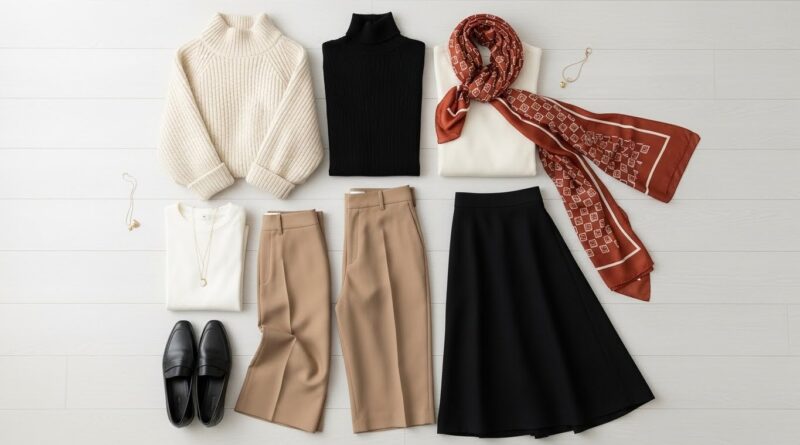
The first and most powerful step towards intentional simplicity is defining a personal color palette. This doesn’t mean you can only wear black, white, and beige (though you certainly can!). It means identifying a core set of colors that work harmoniously together. This creates a built-in cohesion in your wardrobe, making nearly every item mix-and-matchable.
Start with two or three neutral base colors (like charcoal, oat, and navy). Then, add two or three complementary accent colors that you genuinely love and that flatter your complexion (like terracotta, sage green, or a soft slate blue). By limiting your spectrum, you remove the guesswork. Getting dressed becomes like painting with a curated set of paints—every combination works, and the result feels designed, not accidental.
The intentional touch: Use your accent colors strategically. Let your neutral base form the outfit, and use the accent for a single item—a bag, a shoe, a scarf—to create a focal point. This deliberate use of color signals thoughtfulness.

Fit is Everything: The Non-Negotiable Element
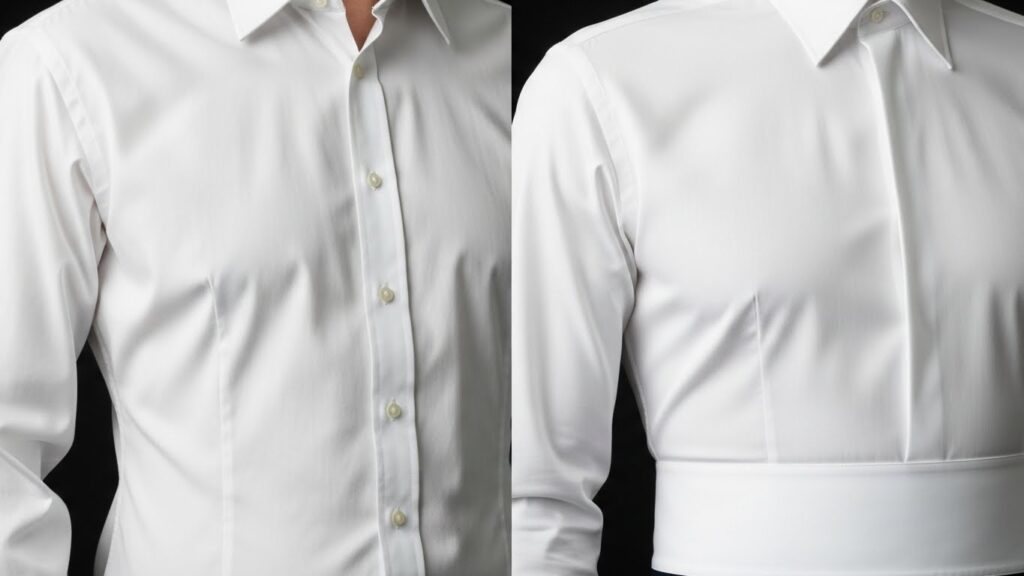
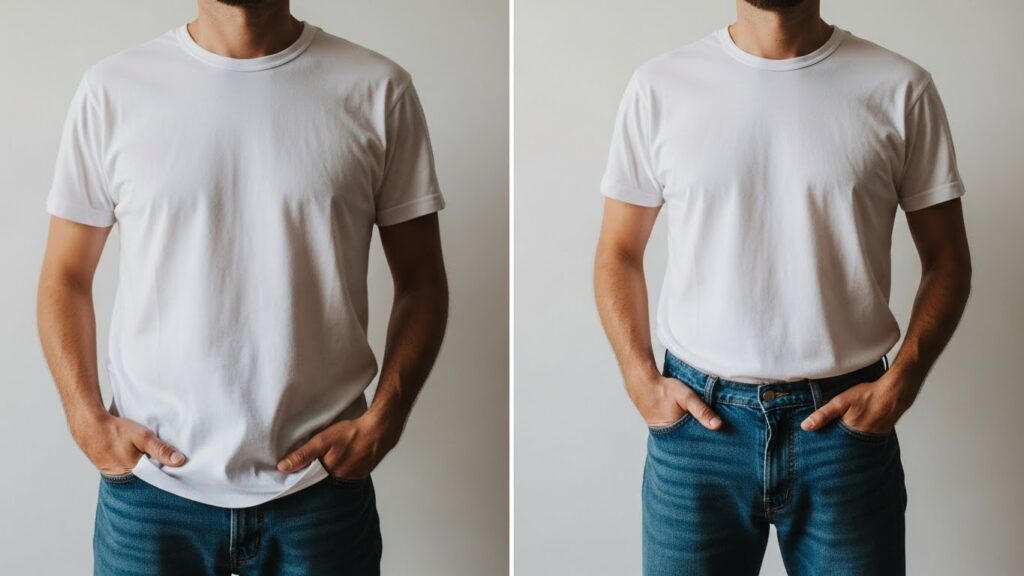
You can have the most expensive, beautifully designed simple piece, but if it doesn’t fit you well, it will never look intentional. Ill-fitting clothes look haphazard; clothes that skim your body in the right places look chosen. Fit is the silent language of quality and care.
This goes beyond just size. It’s about proportion and how clothing interacts with your unique shape. Seek out a good tailor. Hemming pants to the perfect length, taking in the waist of a blazer, or adjusting a sleeve can transform an “okay” item into a wardrobe staple that looks custom-made for you. Intentional styling understands that off-the-rack is a starting point, not a finish line.
Pay special attention to shoulders (they should sit neatly), waistlines (they should define your shape, not drown it), and lengths (whether cropped or full-length, they should look decisive). When every item fits perfectly, even the most basic tee and jeans ensemble looks polished.
The Power of the “Third Piece” Rule
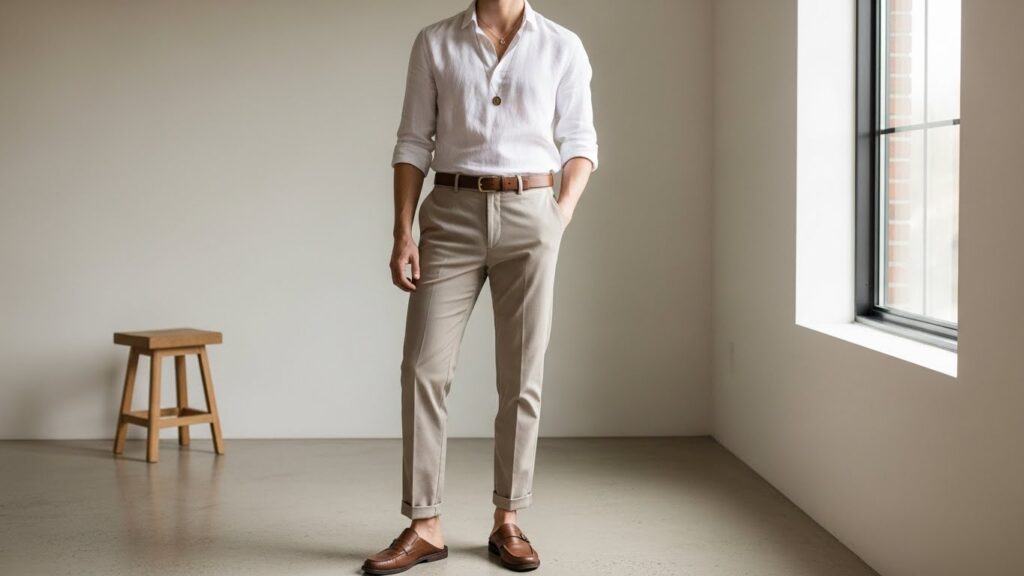
This is a legendary stylist’s secret for a reason. The “third piece” rule states that a simple base (like a top and bottom) is elevated by adding a third, non-essential element. This is what bridges the gap from “dressed” to “styled.” It’s the layer, accessory, or detail that shows you didn’t just get dressed—you created an outfit.
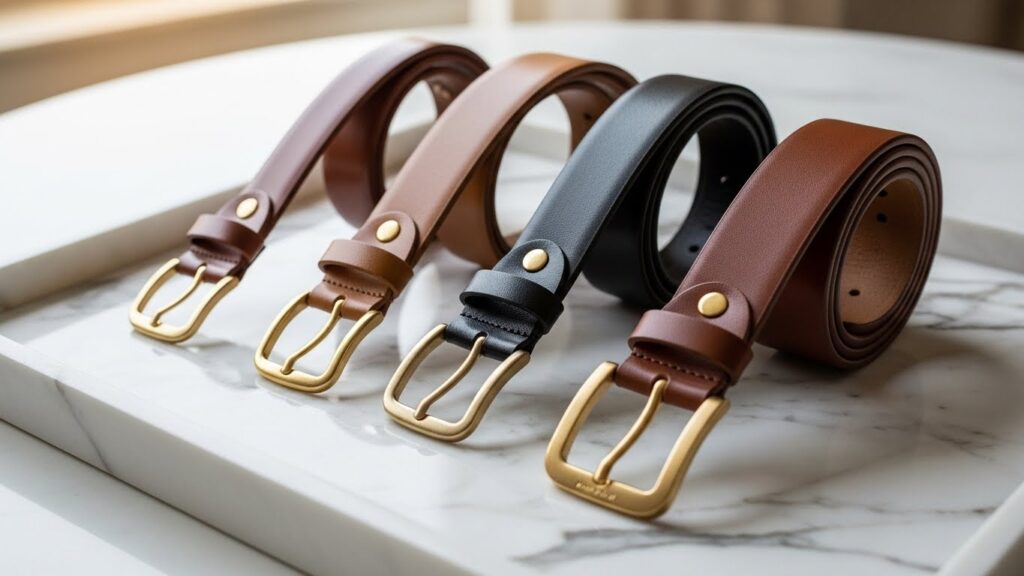
Your third piece is where intention becomes visible. It could be a structured blazer thrown over a t-shirt and jeans, a bold belt cinching a dress, a statement necklace with a simple sweater, or even a sleek hat. The key is that it’s additive and purposeful. It introduces texture, a new color, or an interesting shape that completes the narrative of your look.
Without a third piece, an outfit can feel basic or unfinished. With it, you achieve that coveted balance of effort and ease. It’s the simplest hack to look like you tried, even when your foundation was incredibly simple.
Embracing Texture and Fabric for Depth
When your color palette is restrained, texture becomes your primary tool for adding visual interest and luxury. A monochromatic outfit in varying textures looks profoundly sophisticated and deeply intentional. Think of a chunky knit wool sweater paired with sleek leather pants and a soft cashmere scarf. The color story is simple, but the tactile experience is rich and complex.
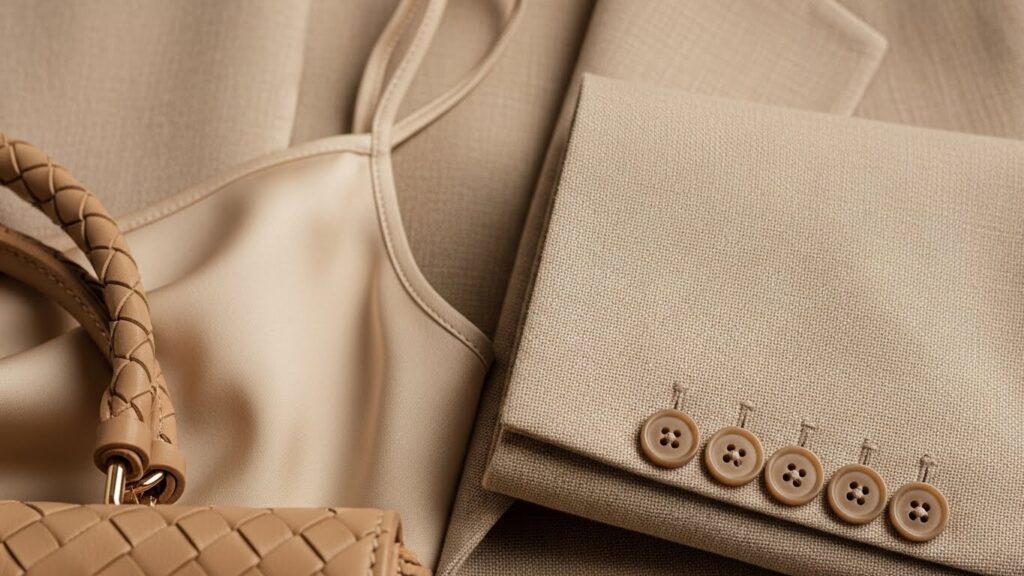
Seek out natural fabrics like linen, cotton, wool, silk, and leather. They not only feel better but also drape and wear in a way that synthetic fabrics often cannot. The slight wrinkle of linen, the soft fold of cashmere, the crispness of a high-grade cotton poplin—these are details that communicate quality. Intentional styling pays attention to how fabrics interact, creating a layered sensory experience that goes beyond the visual.
The intentional touch: Combine at least two different textures in every outfit. A smooth silk blouse with rough denim. A ribbed cotton knit with a fluid satin skirt. This contrast is where simplicity gains its depth.
Mindful Editing: The Courage to Subtract
Perhaps the most intentional act of all is editing. This applies both to your closet and your final look before you walk out the door. A simple, intentional style requires a curatorial eye and the courage to remove what isn’t serving the whole.
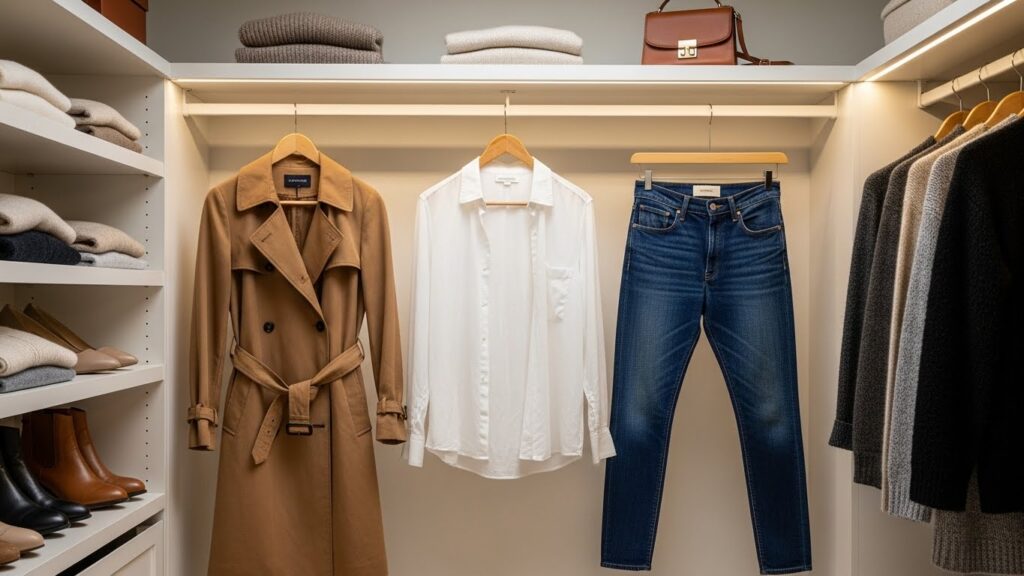
In your closet, this means letting go of items that don’t fit your palette, your lifestyle, or your body well. It’s about quality over quantity. When getting dressed, it means looking in the mirror and asking, “Is this necessary?” Sometimes, taking off one accessory or swapping a busy pattern for a solid is the final, crucial step. The goal is a sense of resolved completeness, where nothing feels missing but nothing feels extra either.
This principle of subtraction ensures that every item you own and wear has a reason to be there. It eliminates visual noise and allows the strength of your chosen pieces to shine through without competition.
Signature Elements: Your Personal Style Anchor
What makes your simple style uniquely yours? Intentional stylists often have a signature element—a consistent touch that becomes part of their personal brand. This could be a specific way you wear your hair, a preference for statement earrings, a love for always having a polished manicure, or a collection of interesting eyewear.
This signature acts as an anchor. Even if your outfit is built on the simplest of bases, this repeated element personalizes it and makes it recognizably you. It’s a low-effort but high-impact way to ensure your style feels considered and consistent. People will start to associate that detail with you, which is the ultimate sign of defined, intentional style.
Your signature shouldn’t be complicated; in fact, it should be something you enjoy and can maintain easily. It’s the finishing touch that whispers, “This is me.”
Confidence: The Ultimate Accessory
All these techniques are underpinned by one non-negotiable ingredient: confidence. An intentional style requires you to trust your choices and wear them with ownership. The most perfectly curated outfit can fall flat if worn with hesitation, while a simple t-shirt and jeans can look iconic when worn with sheer self-assurance.
Confidence comes from knowing that what you’re wearing aligns with your personal aesthetic and fits you beautifully. It comes from the practice of mindful dressing. When you stop following every micro-trend and start building a wardrobe that truly reflects you, getting dressed becomes an act of self-expression, not anxiety. That inner certainty radiates outward and completes the look.
Simple styling that looks intentional is, at its heart, about clarity. It’s clarity of color, fit, and purpose. It’s a rejection of clutter in favor of meaning. By embracing these principles, you build a wardrobe that is not only easy to wear but also powerfully communicates who you are—with quiet, undeniable intention.