Soft Layers That Don’t Sacrifice Density
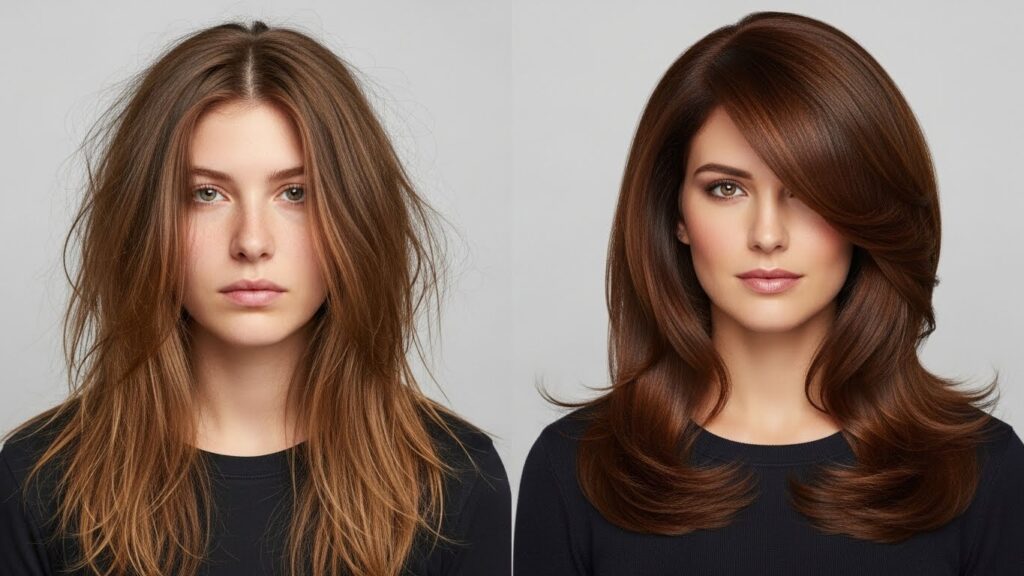
For years, the word “layers” in the salon chair came with a silent, looming caveat: you might lose your volume. The fear was real. You’d picture your once-dense, beautiful hair falling flat, with wispy ends and a noticeable loss of that coveted fullness. It was a trade-off—movement for thickness, texture for body. But what if we told you that haircutting has evolved? That the dream of having soft, flowing layers without compromising your hair’s inherent density is not only possible but is now the gold standard for master stylists.
The Density Dilemma: Why Traditional Layering Often Falls Flat
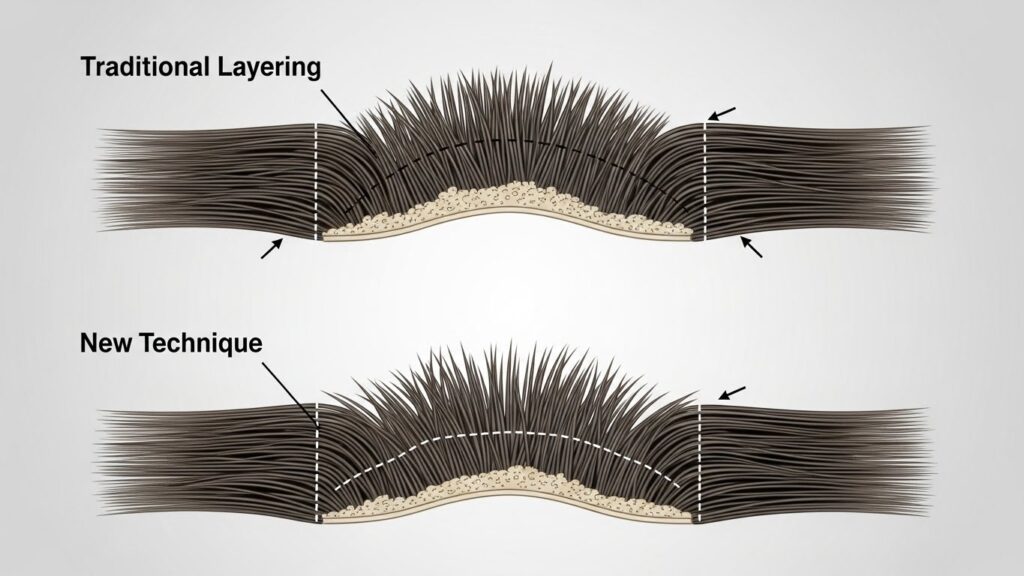
To appreciate the new approach, we must first understand the old problem. Traditional layering, especially blunt or uniform layering, involves cutting hair at consistent, ascending lengths throughout the head. While this can certainly remove weight and create shape, it often does so indiscriminately. The shears take away hair from the interior sections, which are crucial for providing support and the appearance of fullness.
Imagine your hair as a curtain. Cutting lots of short layers throughout is like cutting holes in the middle of the fabric—the perimeter might look okay, but the structure is compromised. This is why many people, particularly those with fine or medium-density hair, leave the salon feeling like their hair has lost its “oomph.” The layers are there, but so is a top-heavy crown with ends that can’t hold a shape. The result is hair that can look frayed, lack resilience, and paradoxically, be harder to style as it loses its cohesive form.
The Art of the Soft Layer: Precision Over Prescription
The modern solution is a shift from a formulaic method to a tailored, strategic one. It’s not about if we layer, but where, how, and how much. The goal is to create visual softness and movement through texture and line, not just by removing bulk. This involves several key techniques that prioritize the hair’s health and natural behavior.
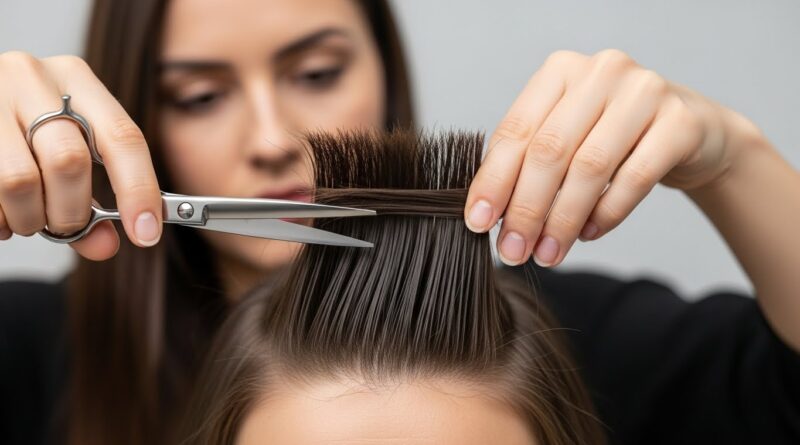
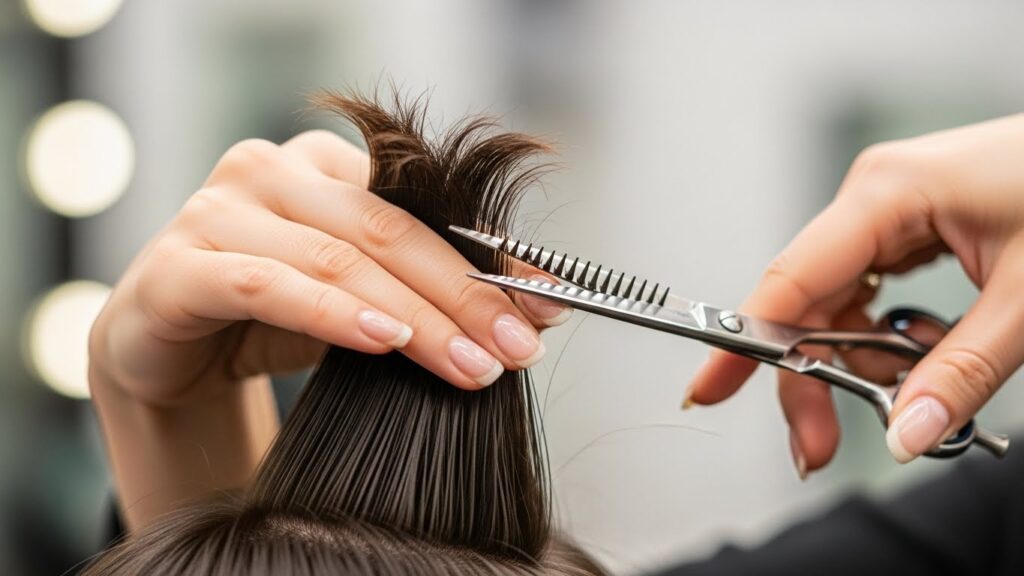
Point Cutting and Notching: Instead of cutting straight across a section, stylists use the tips of the shears to cut into the hair at points. This creates a diffused, feathered edge that blends layers seamlessly, eliminating harsh lines that can make hair look chunky or thin. It’s about creating a soft transition between lengths, so the eye travels smoothly without hitting a stark line where density seems to drop off.
Face-Framing and Surface Layering: Often, the softness we crave can be achieved by concentrating detail work around the face and on the very surface of the haircut. By keeping the interior and under-layers more solid, we maintain internal support. Strategic, longer layers around the face and on top add the perception of movement and lightness without gutting the core density of the style.
Cutting Techniques That Preserve Your Hair’s Fullness
Specific advanced cutting methodologies are the heroes in this density-preserving mission. Ask your stylist about these techniques:
Blended or “Hidden” Layers: This involves cutting longer layers that start much lower on the head. The shortest layer might begin at your jawline or even lower, rather than at the crown. This technique removes weight from where it may be too heavy (like the bulky ends) while leaving the all-important upper sections full to support volume at the root.
Shaping with Shears-Over-Comb or Clipper-Over-Comb: For thicker hair, this technique is magic. Instead of taking vertical sections and cutting across, the stylist uses a comb to lift hair away from the head and trims with shears or clippers following the comb’s edge. This allows for ultra-precise removal of weight exactly where it’s needed—often in the bulky areas underneath—without touching the top layers that give the style its visible density.
The Long-Layer “Butterfly” Cut: A perfect example for medium to long hair. This cut focuses on creating two main, soft layers—often resembling butterfly wings—that are connected by a deeply blended perimeter. The layering is sweeping and dramatic for effect, but because it’s concentrated in specific zones and the ends are kept blunt-ish, the hair retains a strong, full silhouette.
Communication is Key: What to Ask Your Stylist
Walking into the salon and simply saying “I want layers” is what leads to the density dilemma. Armed with this new knowledge, your consultation should be a collaborative dialogue. Be clear about your priorities. You can say:
“I want movement and softness, but I’m afraid of losing fullness. Can we focus on face-framing and longer, blended layers?”
“My hair is fine but I have a lot of it. How can we remove some weight without making it look thin? I’ve heard about point cutting and hidden layers.”
“Please prioritize maintaining density at my crown and in the interior. Let’s only layer where it’s absolutely necessary for shape.”
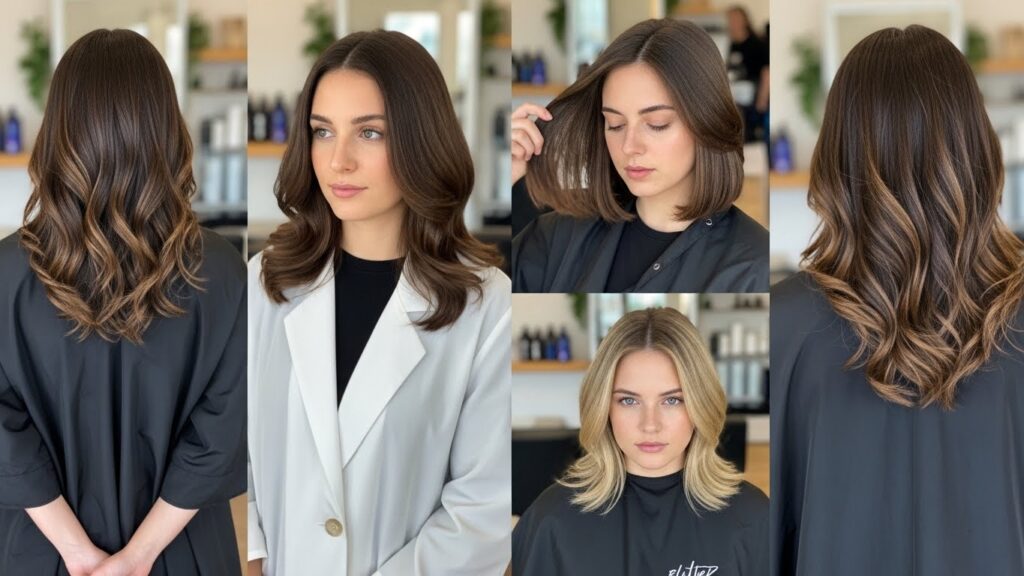
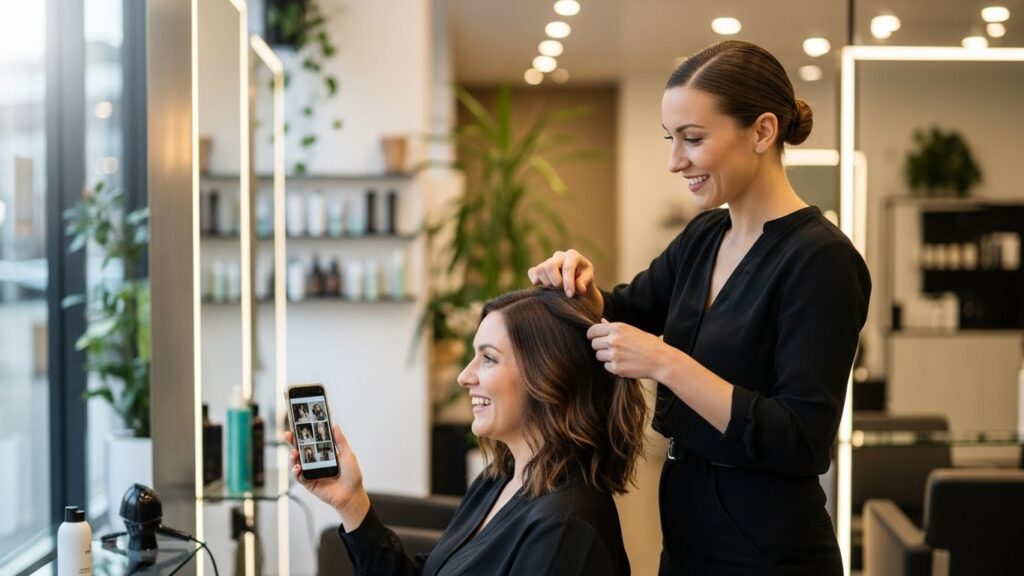
Bring pictures that show not just the length, but the texture and body you desire. A good stylist will listen, assess your hair’s unique density, texture, and growth patterns, and recommend a technique that aligns with your vision of softness without sacrifice.
Styling Your Soft, Dense Layers for Maximum Impact
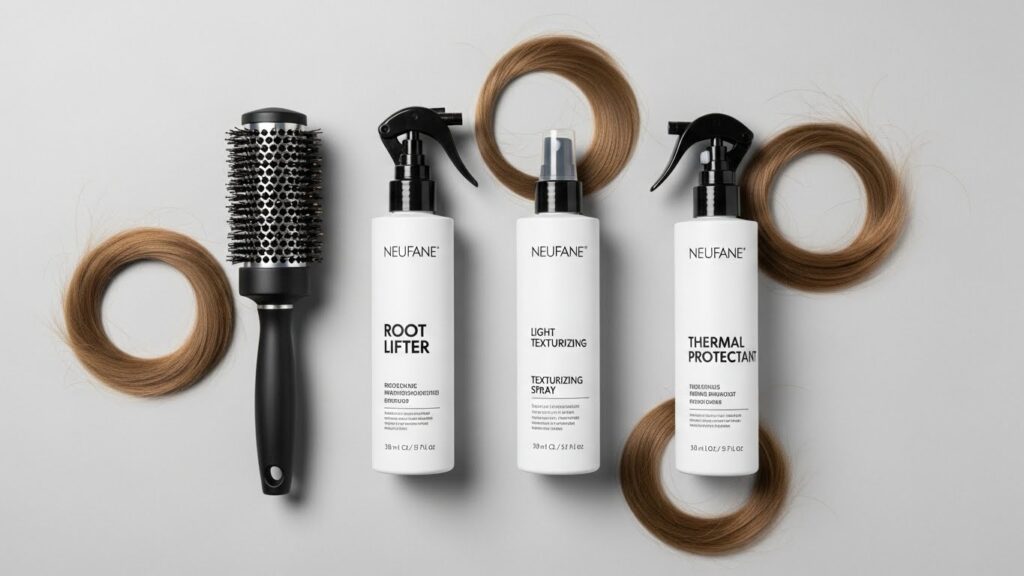
The right cut is 90% of the battle, but styling seals the deal. The beauty of a density-preserving cut is that it’s inherently easier to style—it has its own body. Enhance it with smart product use. Focus root-lifting sprays or mousses at the crown to amplify your natural volume. Use a texturizing spray or sea salt spray on the mid-lengths and ends to accentuate the separation and softness of your layers, not to create it from scratch.
When blow-drying, direct airflow at the roots for lift, and use a round brush to gently curve under the ends, which enhances the soft, blended effect of point-cut layers. Avoid heavy, oily serums that can weigh down the precise texture you’ve achieved. The goal is to enhance the cut’s architecture, not fight against it.
Embrace a New Definition of Layers
The era of choosing between soft, flowing hair and dense, full hair is over. Today’s haircutting artistry has dismantled that false choice. Soft layers that don’t sacrifice density are the hallmark of a thoughtful, personalized, and technically advanced haircut. It’s a approach that celebrates your hair’s natural abundance while artfully introducing airiness and motion.
By understanding the techniques and communicating your desires clearly, you can step out of the salon with the best of both worlds: hair that feels light and dynamic to the touch, yet looks robust, healthy, and voluminous from every angle. It’s not just a haircut; it’s a strategic design that honors the full potential of your hair. Dare to ask for the softness, and insist on keeping the density. Your perfect haircut is waiting.