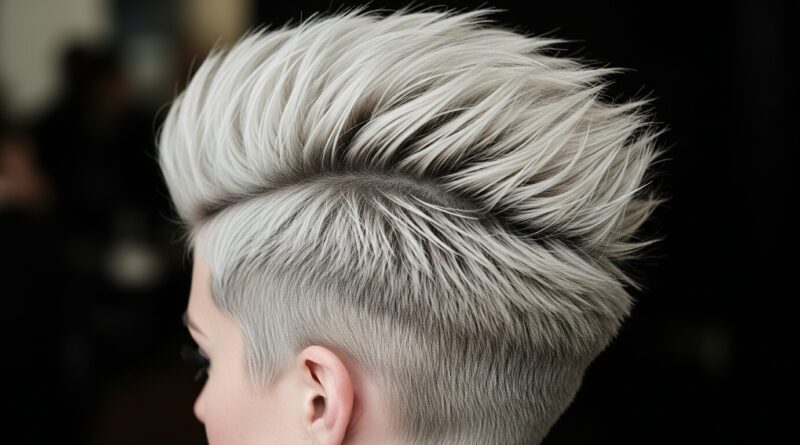
Stacked Ends: Built-Up Tips at the Back
Have you ever seen a haircut that looks effortlessly full, moves with incredible shape, and seems to defy gravity at the back? If so, you’ve likely admired the magic of stacked ends. This isn’t just a passing trend; it’s a foundational hairdressing technique that creates dramatic volume, precision, and a silhouette that turns heads. Often called “built-up tips” or a “stacked bob,” this method involves cutting the hair at the back of the head in graduated, stacked layers that build upon each other to create a rounded, lifted effect.
What Are Stacked Ends? Deconstructing the Technique
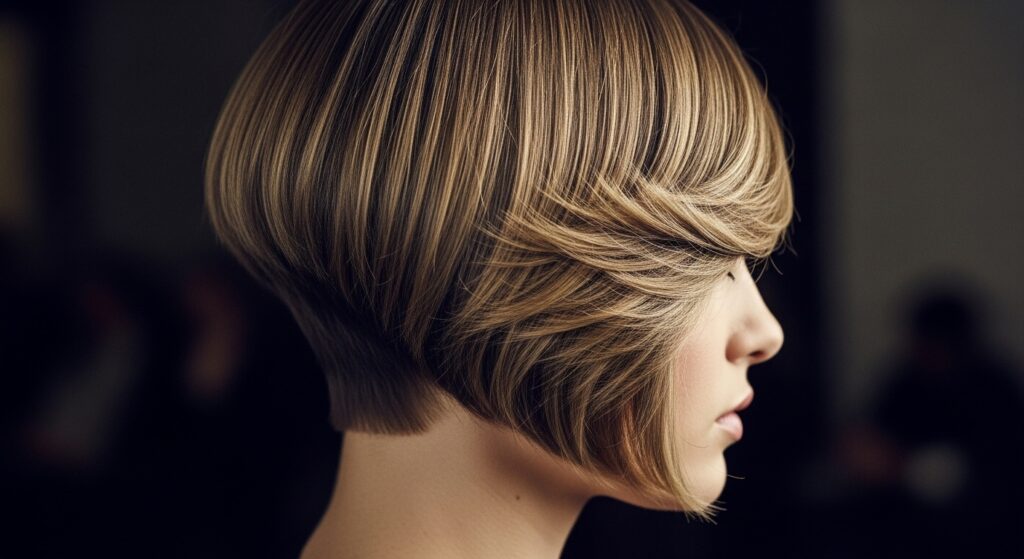
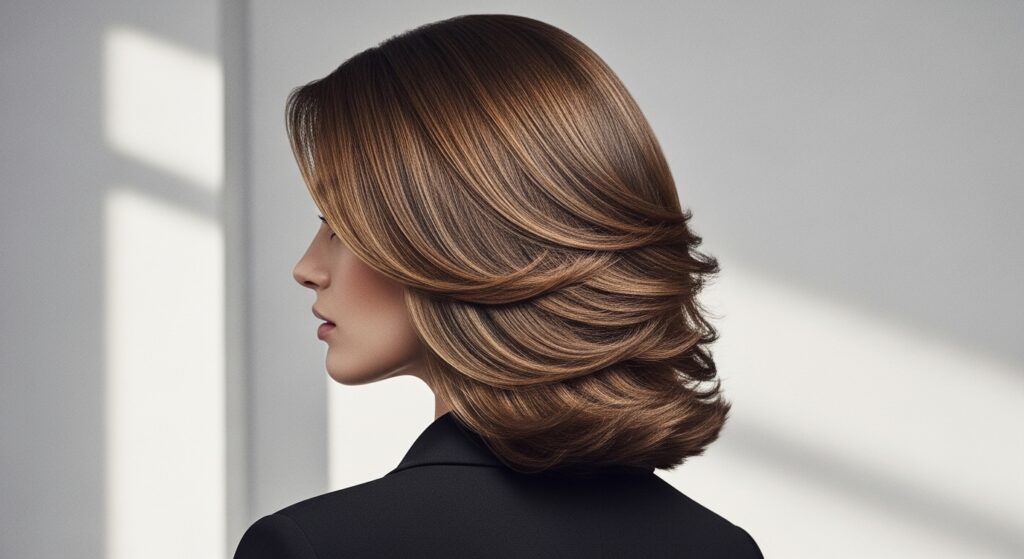
At its core, stacked ends is a cutting technique focused primarily on the back of the head. Unlike a uniform blunt cut, the hair is cut shorter at the nape of the neck and gradually gets longer as it moves upward toward the crown. This graduation creates a “stack” of layers that literally prop each other up, resulting in a convex or rounded shape. The term “built-up tips” refers to how the ends of each layer are directed and textured to support the layer above it, creating a solid, yet fluid, foundation.
The magic lies in the interior weight distribution. A skilled stylist removes weight in specific areas and leaves it in others, using the hair’s natural growth patterns and texture to engineer volume. This isn’t just about adding layers; it’s about strategic placement. The result is a back view that is full, rounded, and animated, while the sides and front can be tailored to everything from sharp angles to soft, face-framing waves.
The Anatomy of a Stacked Cut: Key Elements
To truly appreciate a built-up back, it helps to understand its components. Not all stacked bobs are created equal, and the final look depends on several factors.
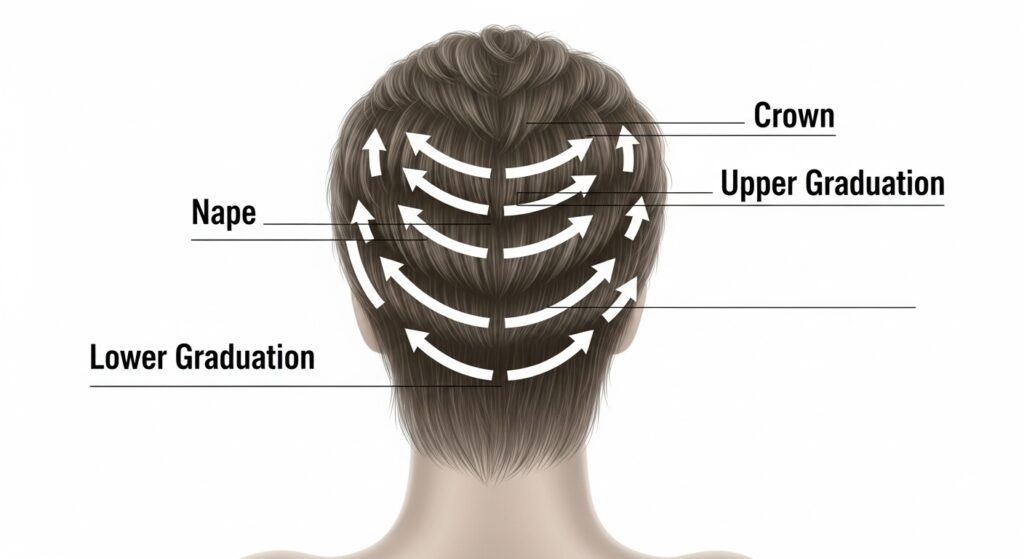
The Baseline: This is the shortest point, usually at the hairline at the nape of the neck. It can be cut high and tight for a dramatic look or left slightly longer for a softer feel.
The Graduation: This is the angle at which the hair lengths increase. A strong graduation (a steeper angle) creates a more pronounced, dramatic stack and lift. A soft graduation offers a more subtle, blended volume.
The Weight Line: This is the visual line where the stacked layers appear the fullest. It’s the “shelf” of volume. A good stylist will place this line strategically based on your head shape to accentuate your features.
Texture and Texture: Point cutting, slicing, or notching techniques are often used on the ends of these layers. This texturizing prevents the stacked ends from looking too heavy or blocky, allowing them to blend seamlessly and move freely.
Who is the Stacked Ends Hairstyle For?
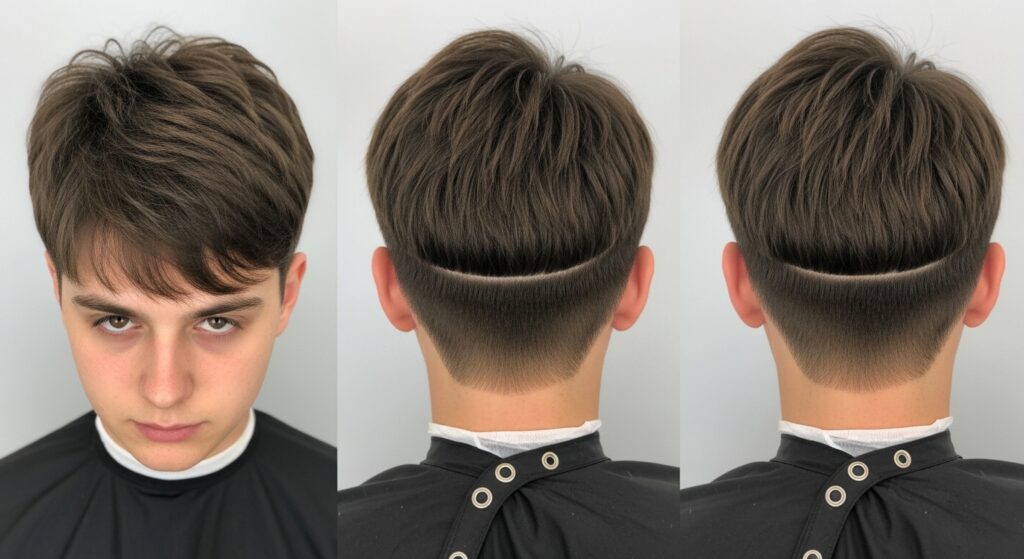
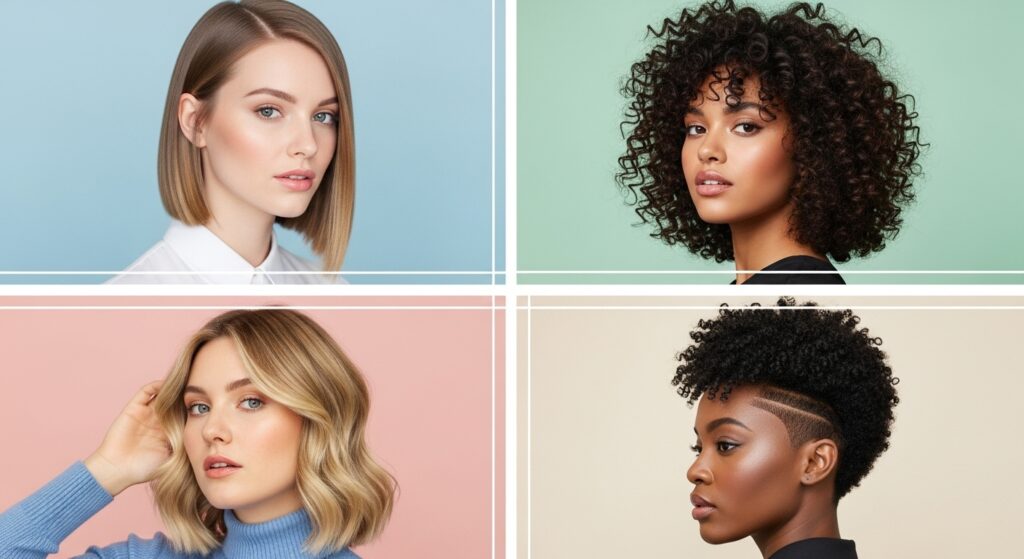
The beauty of this technique is its surprising versatility. While iconic on bobs, it can be adapted to suit various hair types, lengths, and personal styles.
Fine or Thin Hair: This is where stacked ends truly shine. The built-up layers create an illusion of density and volume that fine hair often lacks. It gives body and lift right where it’s needed most—at the roots and through the back.
Thick or Wavy Hair: For thicker textures, stacking can be used to remove bulk in a controlled way. It shapes and directs the hair, preventing a triangular “poof” at the bottom and creating a more streamlined, wearable silhouette.
Face Shapes: Generally, stacked ends complement oval, heart, and square face shapes beautifully, as the volume at the back helps balance proportions. For round faces, a longer, more elongated stack can be very flattering. A consultation with a stylist is key to tailoring the angles to your specific bone structure.
The Style-Chaser: If you love a look that is polished, architectural, and makes a statement without daily heat styling, a precision stacked cut can be your best friend. It often looks great air-dried, especially with the right texturizing products.
Communication is Key: Asking Your Stylist for Stacked Ends
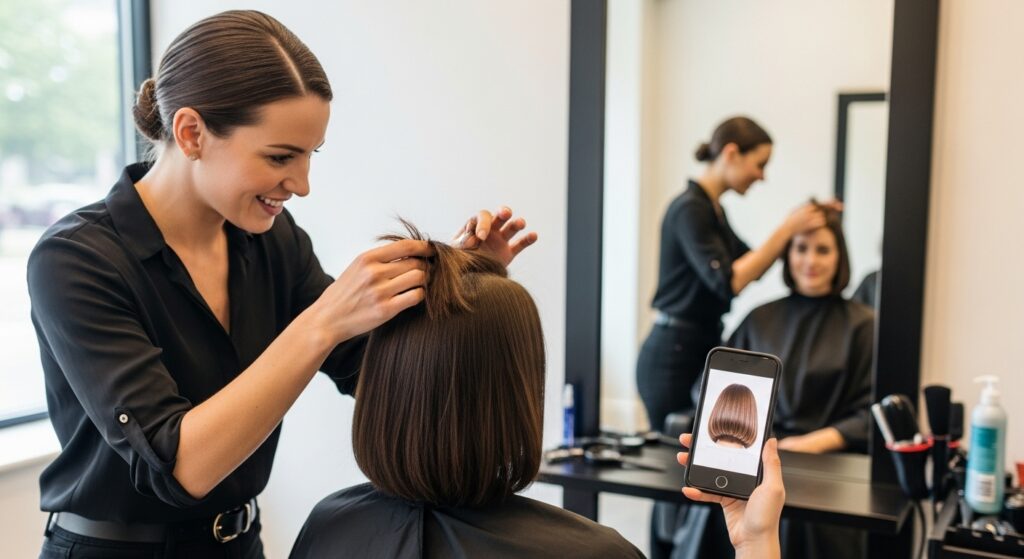
Walking into a salon and simply asking for “stacked ends” can lead to mixed results. To ensure you and your stylist are on the same page, come armed with clear language and visual references.
Instead of just saying “I want layers,” try: “I’m interested in a stacked cut at the back to build volume. I’d like a rounded silhouette from the side view.” Discuss the baseline length: “Should we keep the nape hair shorter, or blend it longer?” Talk about the weight line: “I’d like the fullest part of the stack to hit here,” pointing to a spot near your occipital bone.
Bring pictures. This is non-negotiable. Find photos from multiple angles—especially the back and side—that show the degree of stack you desire. Use terms like “strong graduation,” “built-up back,” or “A-line bob with heavy stacking” to describe what you see in your inspiration photos. A good stylist will also evaluate your hair’s natural texture, growth patterns, and cowlicks to determine how the stack will behave.
Maintenance and Styling Your Built-Up Back
The precision of a stacked cut means maintenance is crucial. Plan for a trim every 6 to 8 weeks to maintain the shape and prevent the graduated layers from growing out and becoming blurred or heavy.
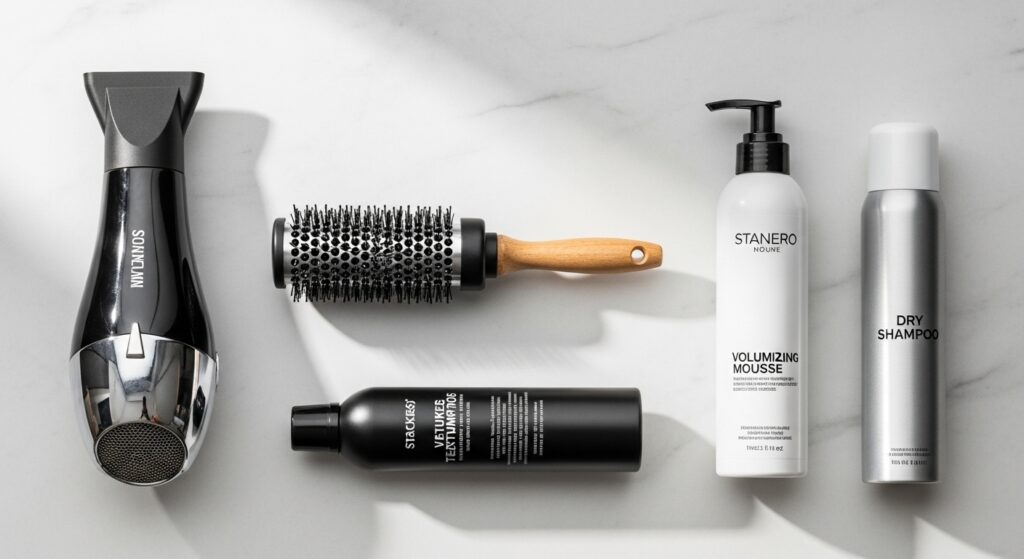
Styling is often simpler than it looks. The cut does most of the work. For a sleek look, a round brush blow-dry focusing on lifting the roots at the crown and curling the ends under will accentuate the rounded shape. For texture and a modern feel, apply a volumizing mousse or root lift spray to damp hair, then diffuse or air dry. Use your fingers to scrunch the ends for separation.
Avoid heavy, oily products at the roots, as they can weigh down the very volume you’re trying to highlight. Instead, focus texturizing powders, dry shampoos, or light-hold sprays at the root area and mid-lengths to maintain lift throughout the day.
The Evolution: Stacked Ends Beyond the Classic Bob
While the stacked bob is a timeless icon, the technique has evolved and infiltrated other styles. Today, you’ll see stacked ends on lobs (long bobs), where it adds subtle volume and shape without the dramatic shortness. In pixie cuts, stacking at the back creates a masculine-feminine contrast and incredible neck definition.
Even on longer hair, stylists might use a subtle stacking technique at the back to remove weight and add movement, preventing a flat, one-dimensional appearance. The principle remains the same: creating structure and volume through strategic graduation. This adaptability ensures that “built-up tips” will remain a vital tool in the stylist’s kit, constantly being reinvented for new trends.
Conclusion: Embrace the Architecture of Hair
Stacked ends, or built-up tips, represent the beautiful intersection of art and engineering in hairdressing. It’s a technique that solves practical problems like flatness and bulk while delivering high-impact style. More than just a haircut, it’s a shape that empowers, frames the face, and celebrates structure.
If you’re craving a change that brings volume, ease, and a touch of architectural drama, this might be your sign to explore the world of stacked layers. Consult with a stylist who specializes in precision cutting, bring your inspiration, and get ready to see the back of your head in a whole new, beautifully built-up light.