Textured Bangs: How to Add Movement to Your Fringe
Let’s talk about the fringe revolution. Gone are the days of one-dimensional, heavy, and perfectly blunt bangs that require military-level precision to style. The textured bang has swept onto the scene, bringing with it a breath of fresh air—literally. This style is all about movement, softness, and effortless dimension. It’s the haircut that looks like you woke up with perfect, piece-y fringe, even if you just spent ten minutes (or less) getting ready.
What Are Textured Bangs? Defining the Look
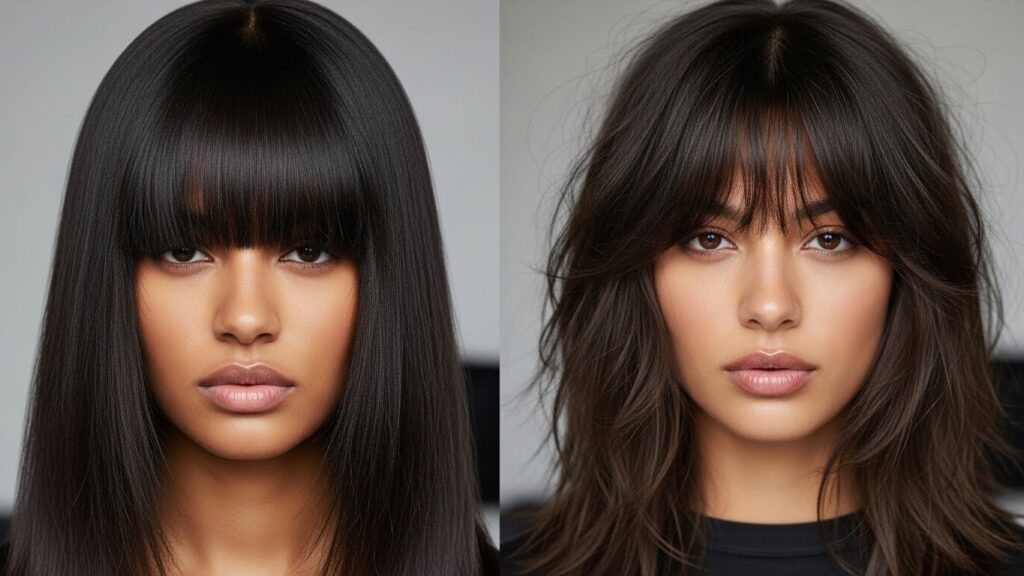
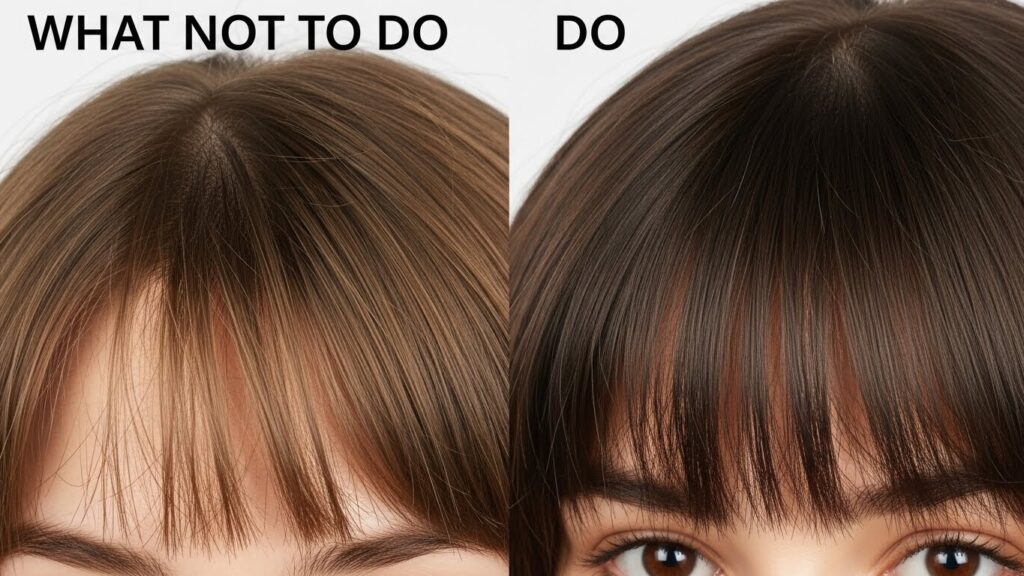
At its core, textured bangs are a fringe cut with varying lengths and techniques to remove weight and create separation. Instead of a solid, uniform line, they feature deliberate unevenness—shorter pieces mixed with longer ones, internal layers, and feathered ends. This approach breaks up the bulk, allowing hair to fall in natural, soft pieces rather than a solid curtain.
The magic lies in the negative space created between the strands. This space is what gives textured bangs their airy, lightweight quality and allows them to move with you. They can be adapted to any bang style—curtain bangs, wispy bangs, side-swept bangs—infusing each with a modern, undone vibe that’s incredibly versatile and universally flattering.
Why Choose Textured Bangs? The Benefits of Movement
Why has this style become so popular? The benefits are both aesthetic and practical. First, textured bangs are remarkably forgiving. That slight unevenness means a bad hair day or a grow-out phase is far less noticeable. They blend seamlessly with the rest of your hair, avoiding the harsh helmet-head effect that blunt bangs can sometimes create.
Second, they add volume and dimension to the front of your hairstyle. By removing weight, you encourage the hair to lift at the roots and move freely. This is a game-changer for those with fine or flat hair, as it creates the illusion of thickness. For those with thicker hair, texture prevents the fringe from becoming a dense, overwhelming block.
Finally, they offer styling flexibility. You can wear them piece-y and messy, sleekly pushed to the side, or softly blended into face-framing layers. They work with waves, curls, and straight hair, making them a truly adaptable choice for any hair type and personal style.

The Cut: How to Ask Your Stylist for Textured Bangs
Communication is key. Walking into the salon and simply asking for “bangs” might get you that blunt, heavy fringe you’re trying to avoid. Instead, come armed with visual references (photos are your best friend) and use the right vocabulary.
Key phrases to use with your stylist: “I’m looking for a textured, piece-y fringe with lots of movement.” “Can we add some internal layers or point-cut into the ends to remove weight?” “I want my bangs to blend into my face-framing layers, not look like a separate block.” Emphasize words like soft, feathered, wispy, undone, and lived-in.
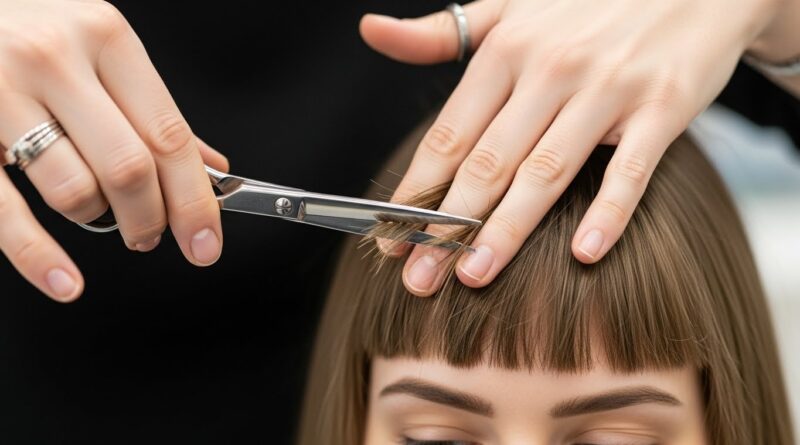
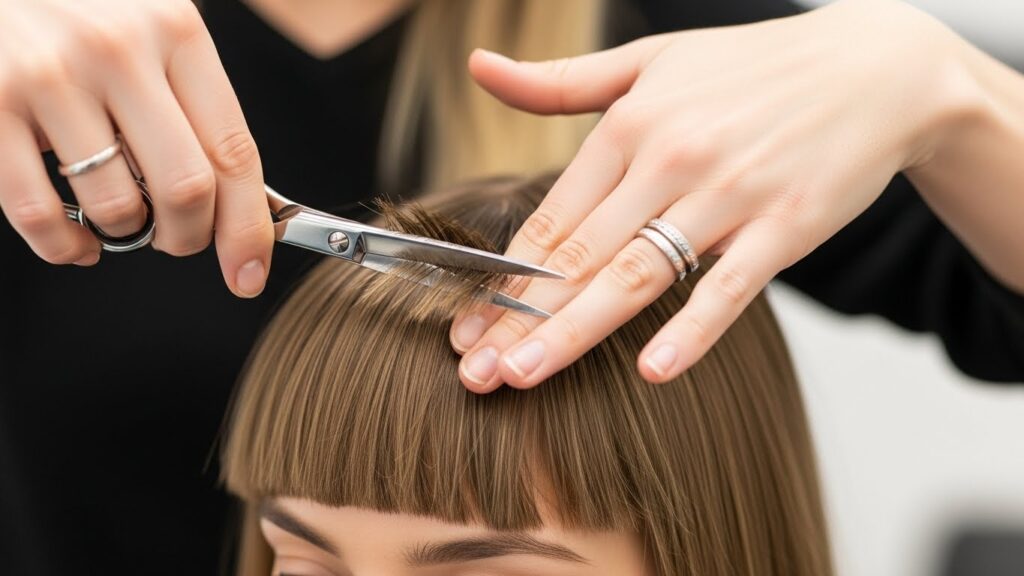
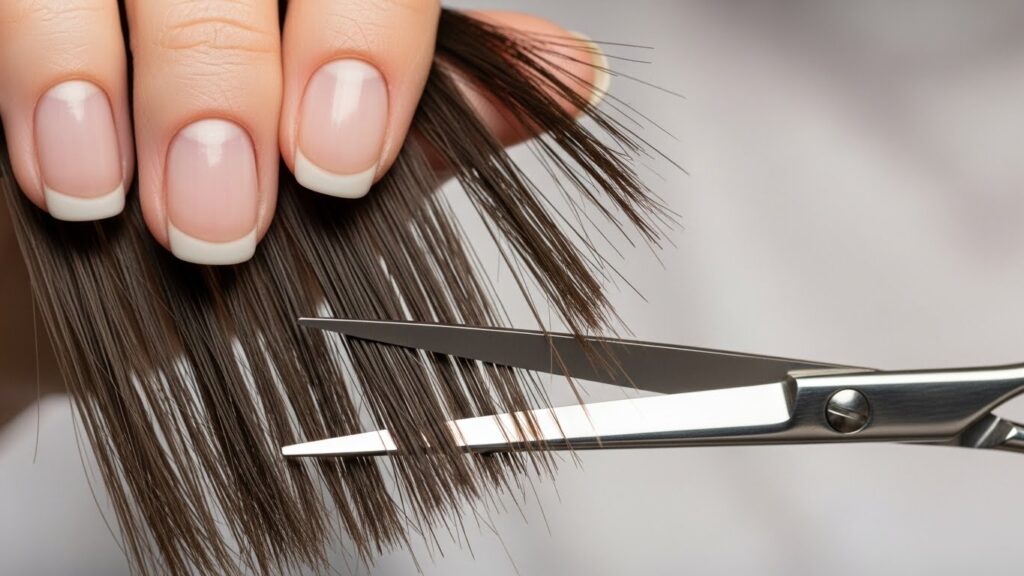
A skilled stylist will likely use techniques like point cutting (cutting into the ends at an angle with the tips of the shears) or notching to create deliberate texture and separation. They may also use thinning shears strategically, though a light hand is crucial to avoid a frayed, over-thinned look.
Styling Textured Bangs: Tools and Techniques for Effortless Movement
Now for the fun part: styling. The goal is to enhance the natural texture and separation, not fight it. Here’s your step-by-step guide to perfect textured bangs every time.
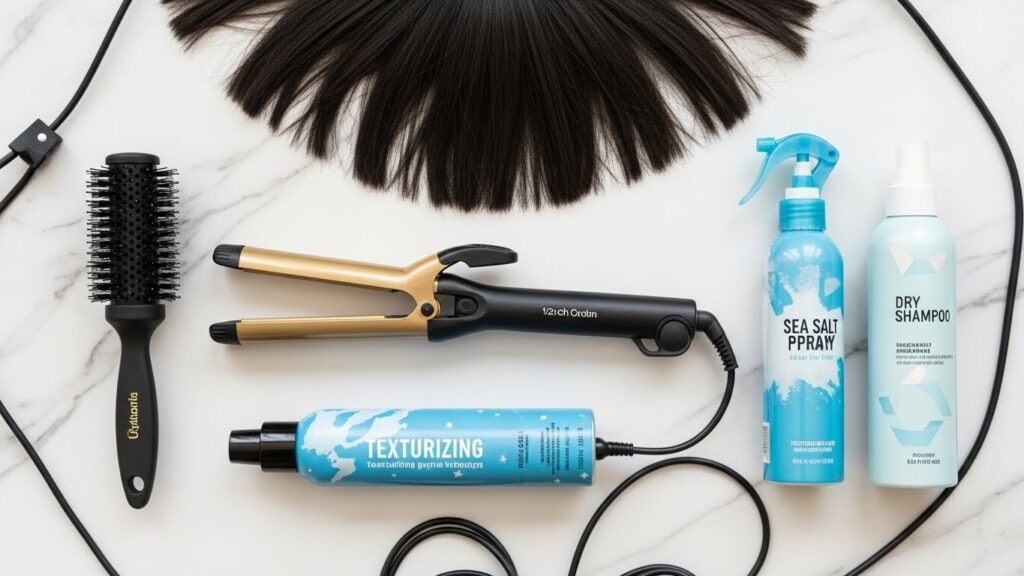
1. Start with the Right Products: Less is more. Begin with a light-hold texturizing spray or mousse applied to damp or dry bangs. These products add grit and separation without stiffness. A dry shampoo at the roots can also provide lift and absorb excess oil that weighs bangs down.
2. The Drying Technique: How you dry your bangs sets the stage. Use a round brush for a slightly curved, face-framing shape. For a straighter, more piece-y look, try “finger drying”: apply a little product, then scrunch and twist sections of your bangs with your fingers while using a blow dryer on a low, cool setting. This encourages natural separation.
3. The Finishing Touch: Once your bangs are dry, avoid a flat brush. Instead, use your fingers to tousle and arrange the pieces. For extra definition, take a small barrel curling iron (about 1/2 inch) and randomly curl a few pieces away from your face and a few toward your face. Don’t curl the entire fringe as one section—this is about creating random movement. Finish by spritzing a light-hold sea salt spray or texture spray from a distance and gently scrunching.
Maintaining Your Textured Fringe: Trims and Daily Care
Textured bangs are low-maintenance in style but still require strategic upkeep. You’ll need trims more frequently than the rest of your hair—every 3-4 weeks is ideal to maintain the shape and prevent the longest pieces from merging with your cheekbones.
Washing your bangs separately from the rest of your hair can be a lifesaver. A quick refresh at the sink with a little shampoo on just the fringe area helps reset them without overwashing your lengths. Always be gentle when brushing; use a wide-tooth comb or your fingers to detangle when wet to prevent breakage and preserve the delicate ends that create the texture.
At night, consider loosely clipping your bangs back or to the side to prevent them from getting bent or flattened while you sleep. A silk or satin pillowcase can also reduce friction and help maintain your style.
Textured Bangs for Every Hair Type
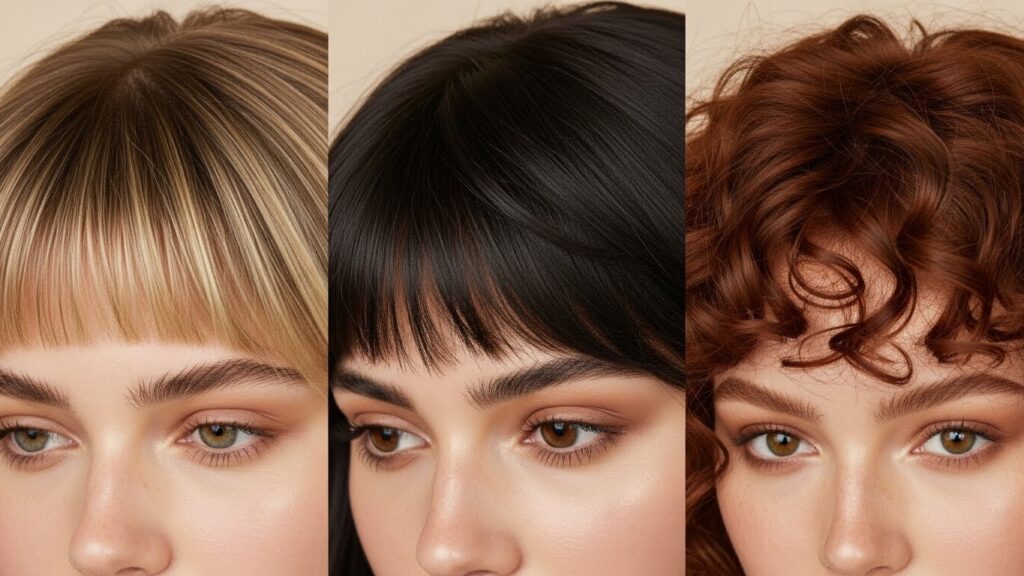
The beauty of this technique is its universal appeal. For straight, fine hair, texture is your best friend for adding volume and preventing a sparse, stringy look. Focus on root-lifting products and avoid heavy creams.
For straight, thick hair, texturizing removes the weight that can make bangs feel oppressive. Your stylist will focus on internal thinning and strong point-cutting to ensure they lie flat and move easily.
If you have wavy or curly hair, textured bangs should be cut dry to follow your natural pattern. The texture already exists in your curl formation; the cut simply shapes and defines it. Embrace your natural texture with a curl-defining cream and diffuse for bounce.
Common Mistakes to Avoid with Textured Bangs
Even the best style can go awry with a few missteps. Avoid over-thinning with heavy-handed thinning shears, which can create holes and a frizzy, unkempt appearance. The texture should be subtle and integrated.
Steer clear of over-styling with heavy products like waxes or strong-hold gels, which can clump strands together and eliminate the very movement you’re trying to create. Similarly, using a flat iron on the highest setting can fry the ends, making them look brittle and defeating the purpose of a soft finish.
Finally, don’t neglect the blend. Your textured bangs should look like a natural extension of your hairstyle, not an isolated island on your forehead. Ensure they seamlessly connect with the layers around your face.
Embrace the Effortless Vibe
Textured bangs are more than just a haircut; they’re an attitude. They represent a shift towards effortless, personalized beauty that prioritizes movement and character over rigid perfection. By adding strategic piece-y-ness and softness to your fringe, you invite a dynamic, modern element to your overall look that feels fresh, flattering, and uniquely you.
Ready to add some movement to your life? Start with your fringe. Book that salon appointment, armed with your new knowledge, and get ready to shake things up—one perfectly imperfect piece at a time.