Textured Bob: The Messy, Modern Take on a Timeless Cut
Think you know the bob? Think again. The classic, sharp, and often pristine bob has been deliciously upstaged. Enter the textured bob—a cut that trades perfection for personality, polish for playfulness, and structure for sheer, unadulterated movement. This isn’t your grandmother’s bob, nor is it the rigid, helmet-like style of decades past. This is a haircut with a story, a lived-in feel, and an effortless cool that has taken the hair world by storm.
If you’ve been scrolling through Instagram or Pinterest, you’ve seen it. It’s the haircut that looks like you just rolled out of bed, ran your fingers through it, and somehow achieved hair nirvana. It’s messy, it’s modern, and it’s incredibly versatile. Whether you have pin-straight strands or a head full of natural waves, the textured bob is a timeless cut reimagined for the contemporary woman. Let’s dive into why this style is more than just a trend—it’s a hair revolution.
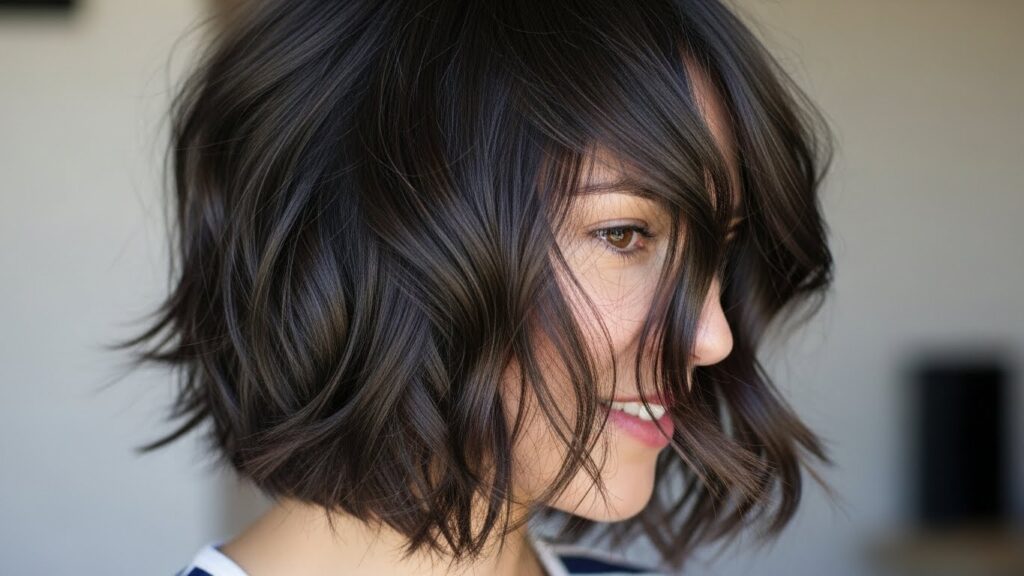
What Exactly is a Textured Bob?
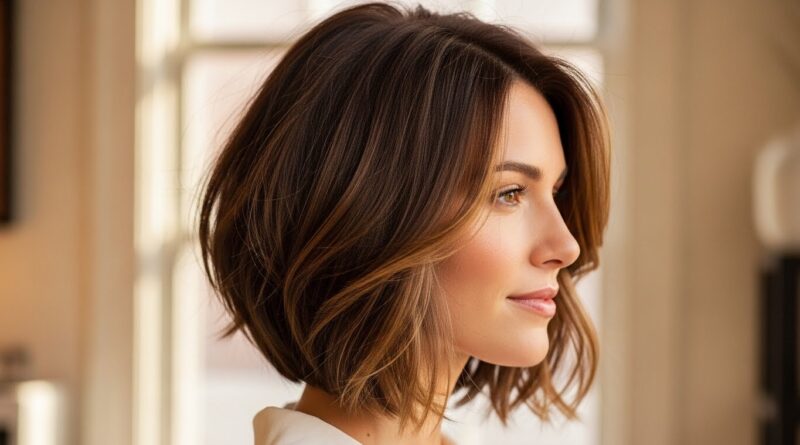
At its core, a textured bob is any bob haircut—typically falling anywhere from the chin to the shoulders—that prioritizes movement, dimension, and a “lived-in” feel over a blunt, solid shape. The magic lies in the cutting technique. Instead of a single, clean line, stylists use a combination of methods to create internal texture and remove weight.
This often involves:
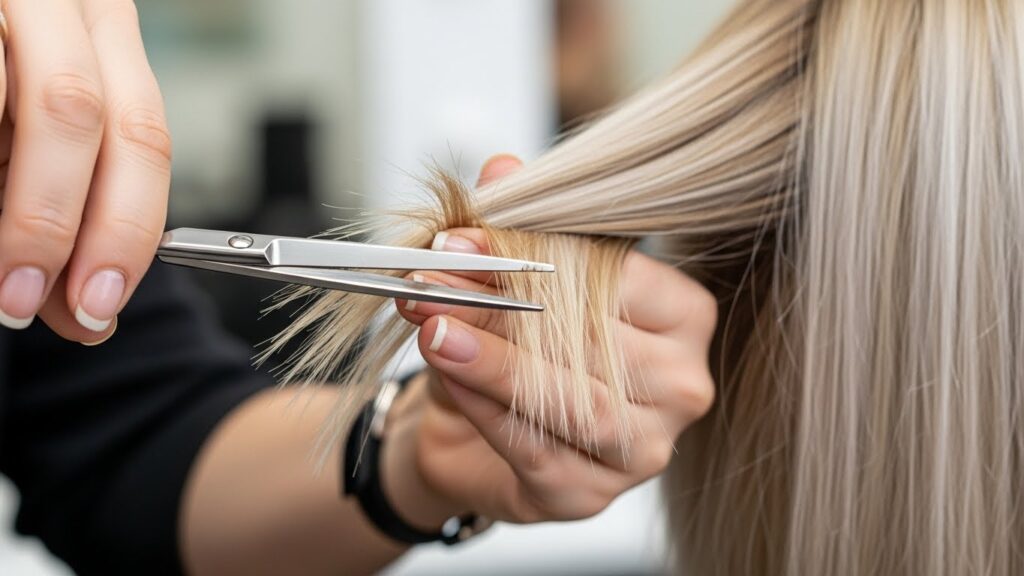
Razoring: Using a razor to slice into the ends of the hair, creating soft, feathered tips that lie perfectly imperfectly.
Point Cutting: Cutting into the ends of the hair with the tips of the shears (instead of straight across) to create a choppy, broken-up line that prevents a heavy, “helmet” effect.
Layering: Strategically adding layers throughout the interior of the hair. These aren’t the uniform, stair-step layers of the 80s, but rather subtle, texturizing layers that create volume and separation.
The result is a haircut that has body from root to tip, pieces that frame the face naturally, and an overall shape that looks fantastic even when it’s a little disheveled. In fact, looking a little disheveled is the entire point.
Why the Textured Bob is So Universally Flattering
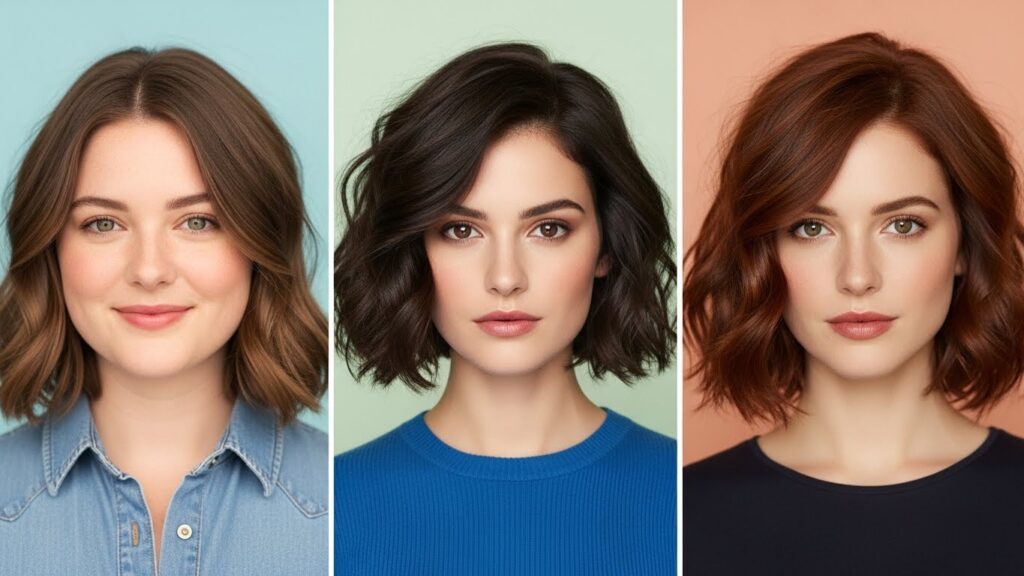
It’s rare to find a haircut that genuinely suits almost everyone, but the textured bob comes remarkably close. Its power lies in its adaptability. The very nature of texture means it can be customized to enhance your unique bone structure and hair type.
For Face Shape: A textured bob is a master of illusion. For round faces, longer pieces in the front and layers that build volume at the crown can create a lengthening effect. For those with square jawlines, soft, wispy layers around the face help to soften angles. And for heart-shaped or oval faces, it’s the perfect frame, accentuating cheekbones without overwhelming delicate features.
For Hair Type: This is where the textured bob truly shines. If you have fine hair, you might have shied away from bobs in the past, fearing a flat, lifeless look. Texturizing is the antidote. By removing bulk and creating internal space, the cut actually makes fine hair look thicker and more voluminous. For those with thick, wavy, or curly hair, a textured bob is a liberation. It removes the weight that can drag hair down, allowing your natural texture to bounce up and be celebrated, not fought against.
How to Ask Your Stylist for “The Look”
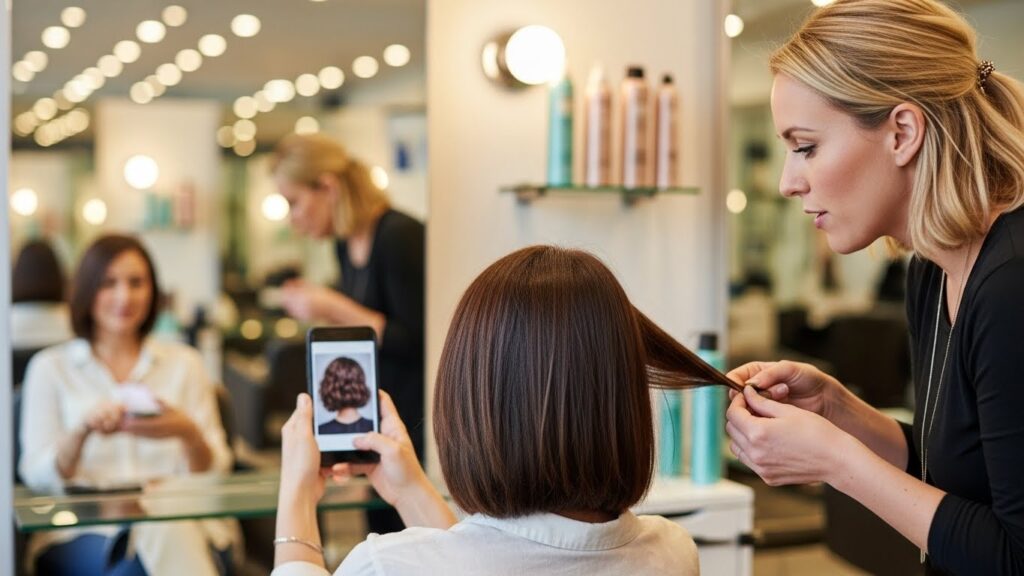
Walking into a salon and asking for “a bob” can lead to a wide range of interpretations. To ensure you walk out with the perfectly imperfect textured bob of your dreams, communication is key. Ditch the vague language and come armed with specifics.
First, bring pictures. A visual reference is the single most effective tool for aligning your vision with your stylist’s. Look for photos that show the hair from multiple angles—front, back, and side. Pay attention to the details: the length, the placement of the layers, and the overall “feel” of the texture.
Second, use the right vocabulary. Here are some phrases to use during your consultation:
“I’m looking for a lived-in, piecey bob, not a blunt one.”
“I’d love a lot of texture and movement through the ends.”
“Can we use texturizing shears or a razor to break up the weight?”
“I want it to look good with air-drying, not just when it’s blown out perfectly.”
Discuss length explicitly. Do you want it to graze your chin? Sit at your collarbone? Be clear. A good stylist will then assess your hair’s density, texture, and natural growth patterns to create a customized version of the textured bob that will work for your life and your hair.
Styling Your Textured Bob: The Art of Effortless
The best part about this haircut? Styling it is meant to be easy. The goal is to enhance the texture that’s already been cut in, not to create a new shape from scratch. You can finally embrace a lower-maintenance routine.
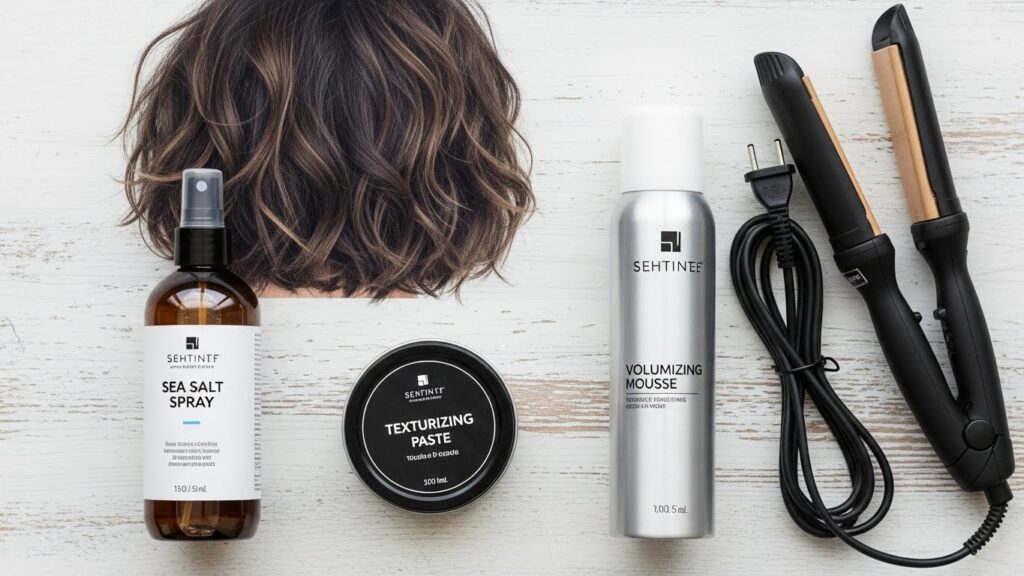
For an Air-Dried Look: Start with a texturizing spray or mousse on damp hair. Scrunch your hair gently with your hands as it dries to encourage your natural wave. If you have straighter hair, twist random sections while they’re damp to create subtle, irregular bends. Once it’s about 90% dry, rub a small amount of texturizing paste or pommel between your palms and run your fingers through your hair, focusing on the ends, to separate and define those pieces.
For a Quick Blow-Dry: Use a round brush to create volume at the roots, but don’t obsess over making every strand smooth. In fact, for a more modern look, blow-dry your hair just until it’s mostly dry, then use a flat iron or curling wand to bend random sections of hair in different directions—some pieces under, some over, some with a slight flip. The inconsistency is what builds the texture.
The Key Products: Your toolkit should include a volumizing mousse for root lift, a texturizing spray (often salt-based) for that beachy, piecey effect, and a texturizing paste or cream to tame flyaways while adding separation and definition. Avoid heavy, oily serums that can weigh down the texture and make your hair look greasy.
Variations on the Textured Bob Theme
The textured bob is a fantastic foundation for a multitude of specific styles. Once you have the basic cut, you can play with these popular variations.
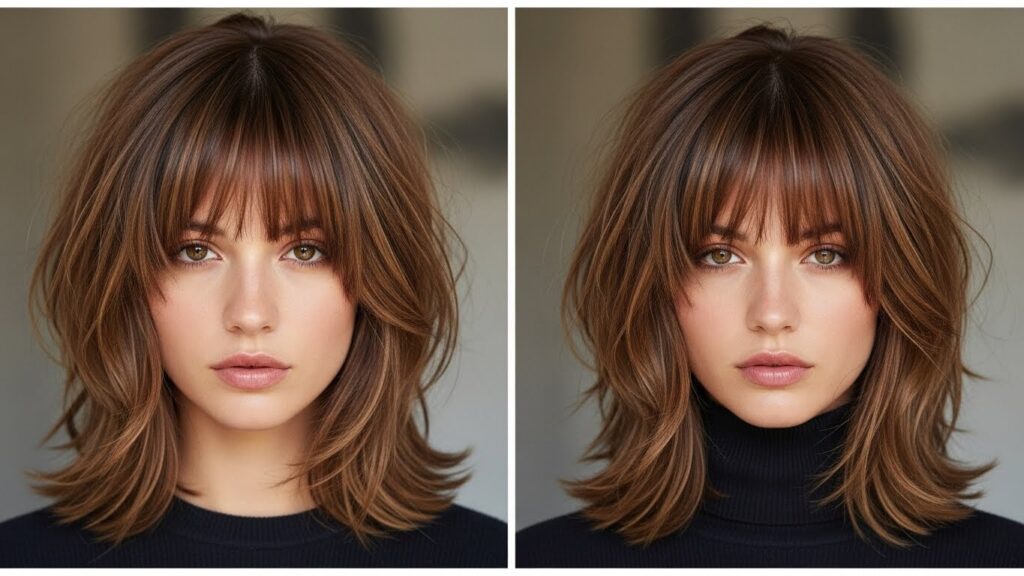
The Shaggy Bob (aka “The Shob”): This takes texture to the extreme. It involves heavier, more pronounced layers, often with curtain bangs or fringe that connect seamlessly into the rest of the cut. It’s a rock-and-roll, edgier version of the textured bob.
The Inverted Bob: This style is shorter in the back and gradually gets longer towards the front. When combined with texturizing, it creates a dramatic, cascading effect that frames the face beautifully and adds incredible volume at the nape of the neck.
The Wavy Textured Bob: Perfect for those with natural waves or curls. This cut is all about shaping the hair to let your waves form perfectly defined, bouncy layers without becoming a triangle. The texturizing removes bulk so your waves can spring to life.
The Blunt-But-Textured Bob: A hybrid for those who love a strong outline but crave movement. The perimeter line remains relatively blunt and solid, but the interior is heavily textured. This gives you the best of both worlds—a strong shape with a modern, textured feel.
Is a Textured Bob Right for You? Final Considerations
While the textured bob is remarkably versatile, it’s important to have a final reality check. Consider your lifestyle and hair personality. This cut thrives on a certain level of “undone-ness.” If you are someone who loves a sleek, polished, and perfectly symmetrical blowout every single day, this might feel too messy for your taste.
Maintenance is another factor. While daily styling is easier, textured bobs often require more frequent trims to maintain the shape and prevent the layers from growing out and looking shapeless. A trim every 6-8 weeks is usually ideal.
Ultimately, the textured bob is more than a haircut; it’s an attitude. It’s for the woman who is confident, a little effortless, and embraces a touch of beautiful chaos. It says you’re not trying too hard, because you don’t have to. It’s a timeless shape, reinvented for the modern era with a dose of rebellion and a whole lot of style.
So, if you’re ready to break free from hair boredom and embrace a cut that’s as dynamic and interesting as you are, the textured bob is waiting for you. It’s the messy, modern, and utterly magnificent take on a classic that we all deserve.