Textured Ends: Rough-Cut Tips for Movement
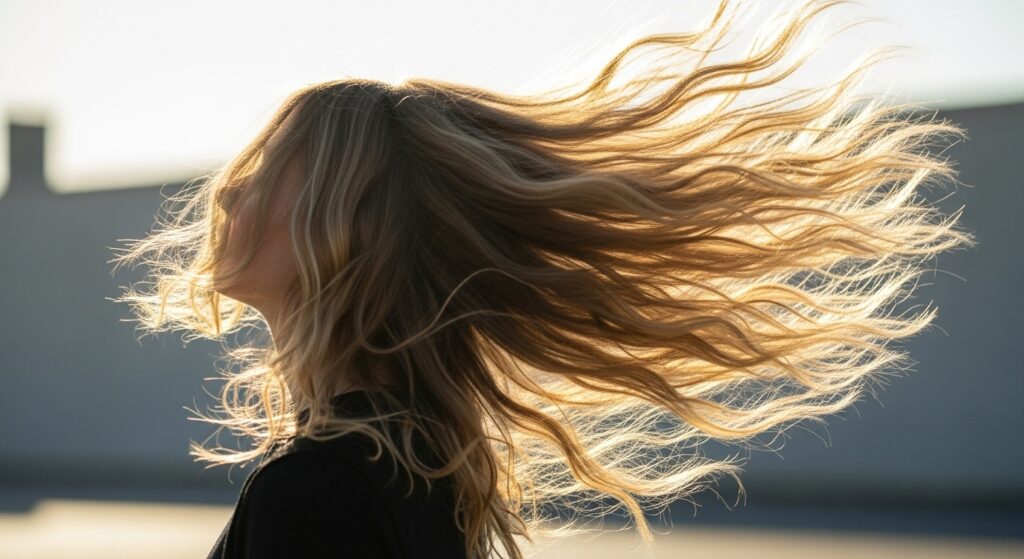
In the world of hair, perfection is often overrated. While sleek, blunt lines have their place, there’s an undeniable energy and modern edge to hair that looks effortlessly lived-in, dynamic, and full of life. This is the realm of textured ends—the artfully undone, rough-cut finish that has become the secret weapon for stylists and the coveted look for anyone craving hair with natural movement and attitude. Forget the helmet-head of yesteryear; today’s hair is all about dimension, flow, and a touch of beautiful imperfection.
What Are Textured Ends? Beyond the Basic Trim
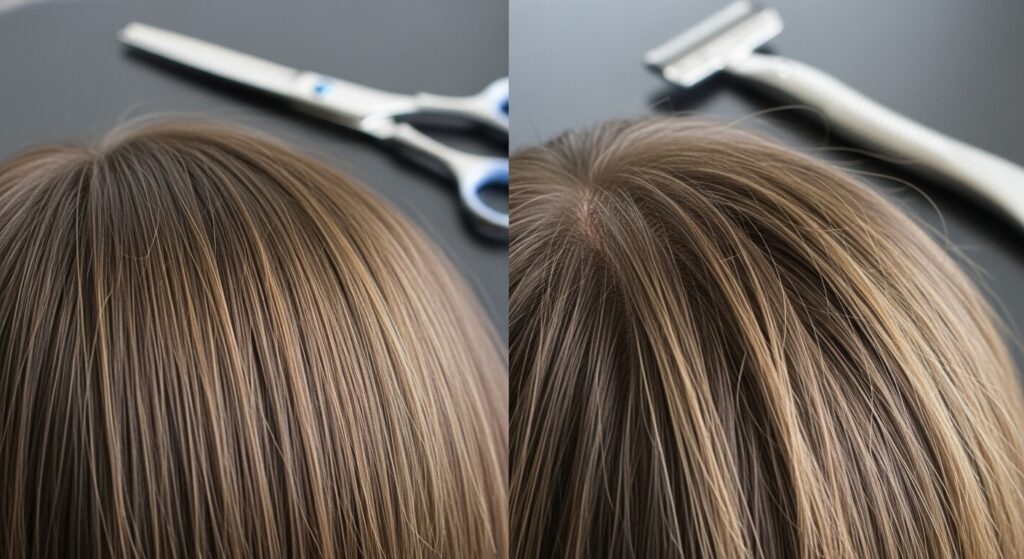
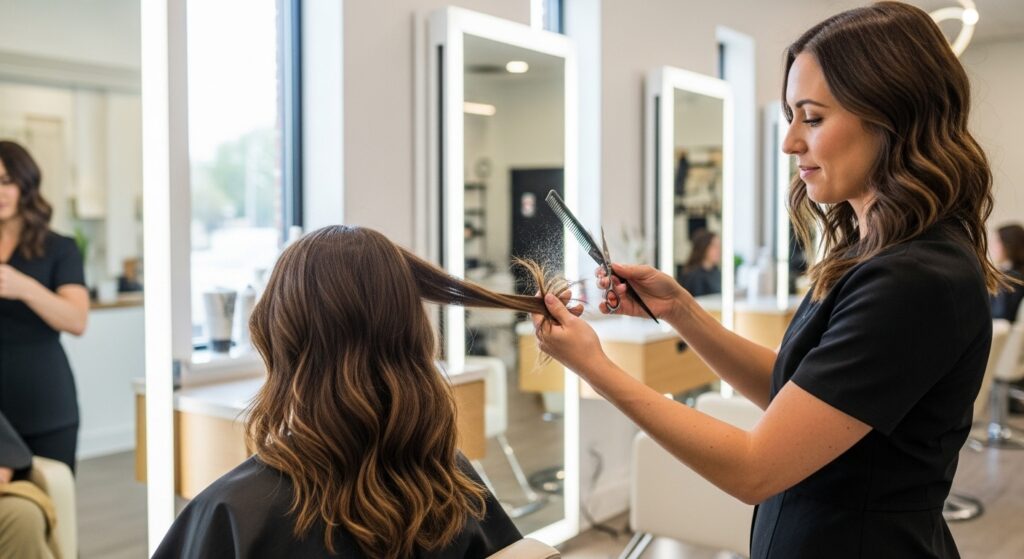
At its core, texturing is a haircutting technique that involves creating variation in the length and weight of the hair. Instead of cutting a straight, solid line across the ends, a stylist will use specific tools—like thinning shears, razors, or precise point-cutting with scissors—to notch into the hair’s ends and remove select strands at different lengths. This process breaks up any hard lines or heavy blocks of hair that can drag a style down.
Think of it like this: a blunt cut is a solid wall. A textured cut is that same wall with artistic openings and varying heights, allowing light and air to pass through. The result? Textured ends are lighter, more flexible, and naturally separate into soft, piecey sections. This technique is especially magical for adding volume at the crown and roots, as the lighter ends don’t pull the hair flat against the head. It’s the antidote to hair that feels too thick, triangular, or simply lacks personality.
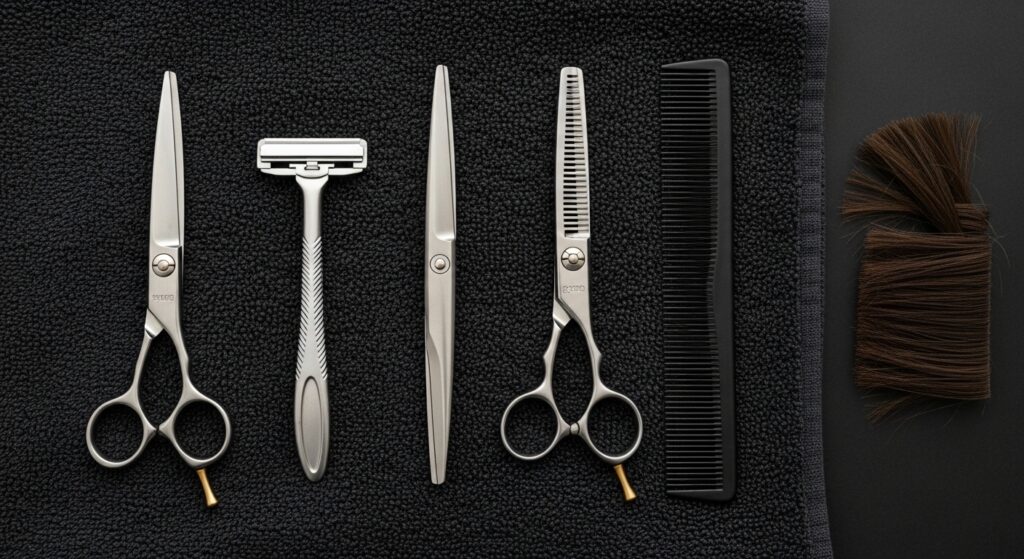
The Tools of the Trade: How Texturing is Achieved
Not all texture is created equal. The final look and feel of your ends depend heavily on the tools and methods your stylist employs. Understanding these can help you communicate the exact degree of “roughness” you desire.
Point Cutting: This is the most common and controlled method. The stylist holds the scissors vertically and makes small, upward cuts into the ends of the hair, rather than cutting straight across. This creates a soft, diffused edge that is ideal for most hair types and provides subtle movement without looking overly choppy.
Razor Cutting: Using a straight razor, the stylist slices into sections of hair to remove weight and create feathered, wispy ends. This technique produces a supremely soft, fluid texture and is excellent for creating seamless layers and those iconic “rockstar” shaggy ends. It works best on medium to thick hair that can handle the slight thinning.
Notching with Shears: A more aggressive approach, notching involves taking small sections and cutting deep “V” shapes into the ends. This creates a very pronounced, piecey texture and is often used in alternative or edgy styles to achieve a distinctly choppy look.
Thinning Shears/Texturizing Shears: These specialized shears have one blade with teeth. They are used to remove bulk from the mid-lengths to ends without shortening the overall length significantly. They are perfect for softening very thick, dense hair but should be used with a light hand to avoid over-thinning.
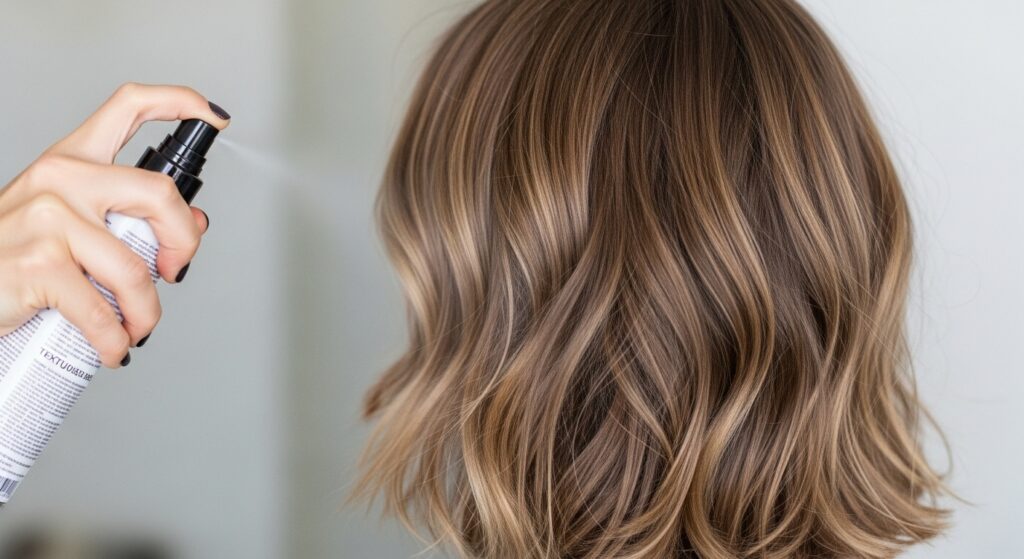
Styling for Maximum Movement: Products & Techniques
A great textured cut does half the work, but the right styling brings it to life. The goal is to enhance the separation and piecey-ness, not to slick it away. Here’s how to style your textured ends for ultimate movement.
Start with a texturizing spray or sea salt spray on damp or dry hair. These products provide a light, flexible hold and a touch of grit that helps strands clump together in those desirable, beachy sections. Avoid heavy gels or creams that can weigh down the delicate ends you just worked so hard to create.
When drying, use a diffuser attachment on your blow dryer. Scrunch your hair upwards with your hands as you dry to encourage your natural wave pattern and amplify volume at the roots. For straight hair, use a round brush but twist the ends slightly as you release them from the brush to prevent a too-smooth finish. The key is to roughen it up. Once dry, run your fingers through your hair, breaking up any sections that are too uniform.
For a final touch, take a tiny amount of wax, pomade, or texturizing paste on your fingertips. Warm it up between your hands and then gently pinch and twist the very ends of your hair. This defines the pieces and gives them a slightly separated, “lived-in” hold that lasts all day.
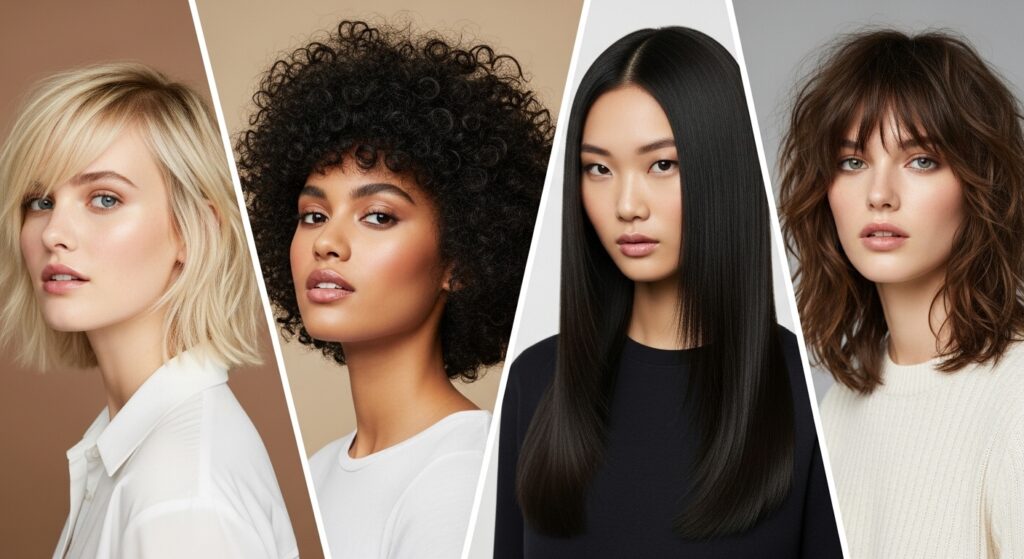
Who Rocks Textured Ends? It’s For Every Hair Type
A common misconception is that textured ends are only for fine hair or specific cuts. In reality, this technique is incredibly versatile and can be adapted to benefit virtually every hair type and length.
Fine Hair: Textured ends are a godsend. They remove weight without sacrificing length, creating the illusion of fullness and body that fine hair often lacks. The piecey ends catch light and create shadows, adding much-needed dimension.
Thick/Coarse Hair: For those blessed with abundant hair, texturing is the key to manageability. It removes internal bulk, reduces frizz by eliminating excess weight, and allows the hair to fall into a more graceful, less “puffy” shape.
Curly & Wavy Hair: Texturing enhances natural curl patterns by removing density that can pull curls straight. It encourages curls to spring up more freely and can help shape a curly silhouette, preventing the dreaded triangle shape.
Straight Hair: On poker-straight hair, textured ends introduce an element of surprise and softness. They prevent the hair from looking too severe or helmet-like, adding subtle bends and movement that make straight styles look modern and cool.
Maintenance: Keeping Your Textured Ends Looking Fresh
The beauty of a textured cut is its grow-out grace. Unlike a sharp blunt bob that looks “off” after a few weeks, textured ends tend to blend and evolve beautifully. However, maintenance is still crucial to keep the movement optimal.
Regular trims are essential—not to remove the texture, but to refresh it. As hair grows, the textured ends can become weighed down or start to look frayed rather than intentionally piecey. A trim every 8-10 weeks will maintain the shape and light feel of the cut.
At-home care should focus on health. Use a nourishing mask weekly to keep ends hydrated and prevent the textured pieces from looking dry or brittle. When using heat tools, always apply a heat protectant, and try to embrace air-drying as often as possible to maintain that effortless vibe. Remember, healthy hair textures better; damaged hair just looks split and sad.
Embrace the Effortless: Your Hair, Unbound
Textured ends represent more than just a haircutting trend; they signify a shift towards hairstyles that celebrate individuality, movement, and ease. In a world that often demands polish, choosing a rough-cut finish is a small act of rebellion—a commitment to looking vibrant, dynamic, and real.
By understanding the techniques, styling secrets, and maintenance behind textured ends, you’re equipped to ask for the right cut and make it work for your daily life. So, the next time you’re in the salon chair, consider trading the perfect line for perfect movement. Let your hair breathe, dance, and tell its own story with every step you take. The result is hair that’s not just styled, but truly alive.