The Amarillo Bob: Texas Panhandle Style
In the vast, wind-swept plains of the Texas Panhandle, where the sky stretches forever and the spirit of the Old West still whispers, culinary legends are born not in fancy kitchens, but in roadside diners, dusty work sites, and family kitchens. Here, food is fuel, flavor is king, and simplicity is an art form. Among these legends stands a sandwich so iconic, so deeply woven into the fabric of local culture, that its name is spoken with a mix of pride and hunger: The Amarillo Bob.
Roots in the Red Dirt: The History of the Amarillo Bob
Pinpointing the exact origin of the Amarillo Bob is like trying to catch the Panhandle wind—everyone has a story, and they all swirl together into local lore. The sandwich is believed to have emerged in the mid-20th century, a time when Amarillo was a booming hub for cattle, railroads, and Route 66 travelers. Workers needed a substantial, affordable, and delicious meal that could withstand a long day’s labor.
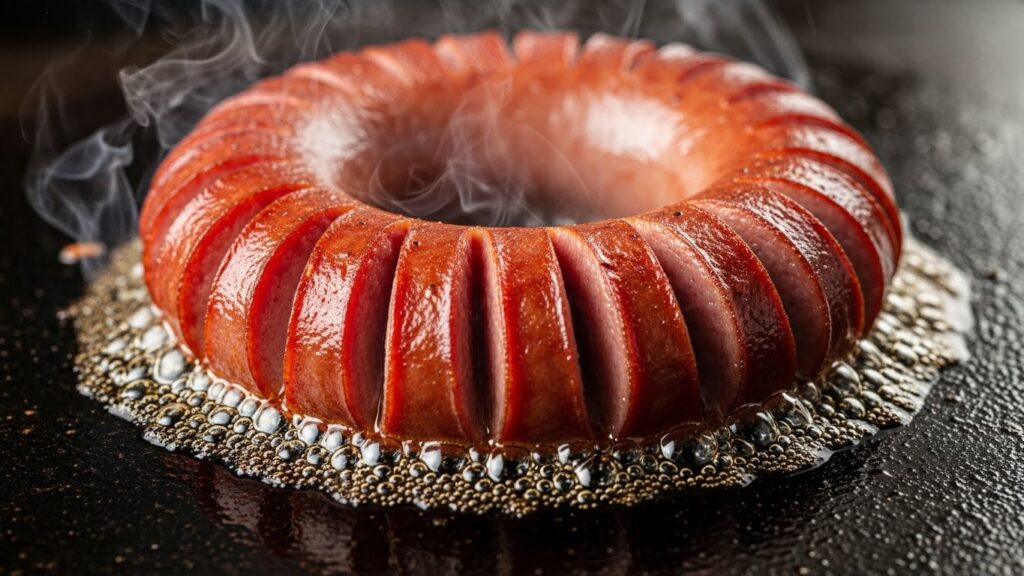
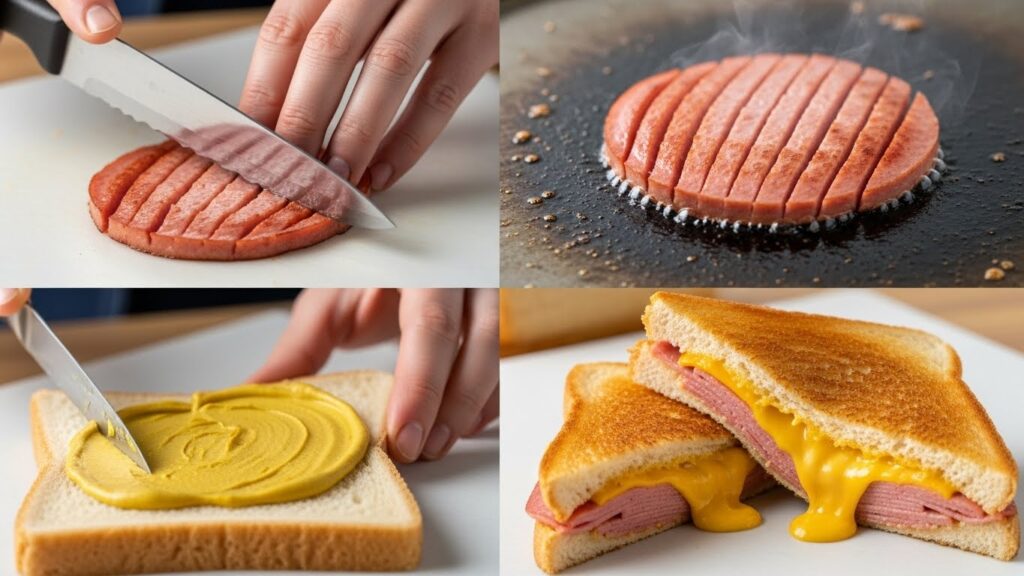
The genius of the Bob lies in its treatment of bologna. Instead of thin, cold slices, a thick slab of ring bologna—often a full inch thick—is scored on its edges. When it hits a hot griddle, the scoring prevents it from curling into a dome and allows it to fry up flat, creating a beautiful caramelized crust while keeping the center juicy. This method unlocks a deep, smoky, almost steak-like flavor that cold bologna could never dream of. The name “Bob” itself is shrouded in friendly mystery; some say it was the name of a cook at a long-gone greasy spoon, while others insist it’s just a good, solid Panhandle name for a good, solid sandwich.
Deconstructing a Legend: The Essential Ingredients
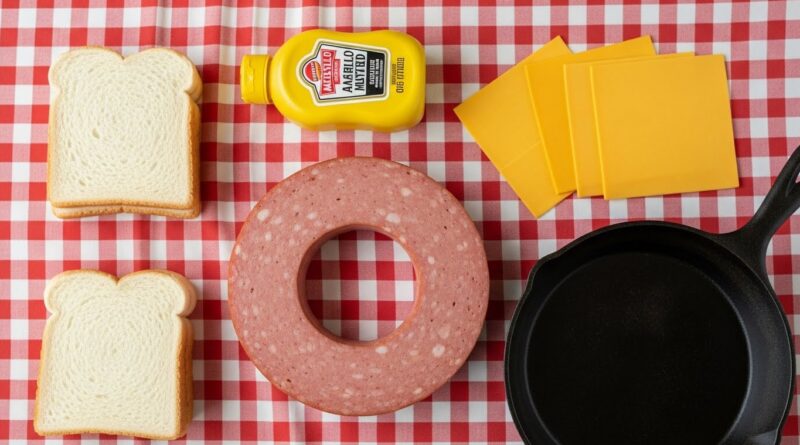
You cannot build a landmark on a shaky foundation. The Amarillo Bob’s perfection relies on a specific, non-negotiable assembly of components. Stray from this, and you have merely a fried bologna sandwich. Adhere to it, and you have a Bob.
The Meat: It starts with a thick-cut slab of good-quality ring bologna. The thickness is crucial—it provides the heft and the textural contrast between the seared exterior and tender interior.
The Bread: Classic white bread is the traditional vessel. It’s soft, slightly sweet, and sturdy enough to hold up to the grease and condiments without overpowering the star. Texas toast (thick-sliced white bread) is a common and excellent upgrade.
The Cheese: A single slice of American cheese is standard. Its creamy melt and mild saltiness are the perfect glue, binding the elements together in gooey harmony.
The “Slather”: This is the secret weapon. The fried bologna is not just placed on the bread; it’s slathered with a generous spread of yellow mustard. Some purists insist on French’s classic yellow, while others allow for a touch of spicy brown. Ketchup is often offered, but mustard is the canonical choice.
The Griddle: This is perhaps the most important “ingredient.” The sandwich must be cooked on a well-seasoned, flat-top griddle. The bologna fries in its own rendered fats, and the bread is often toasted on the same surface, soaking up every last bit of that savory flavor.
The Art of the Assembly: How to Build Your Own Bob
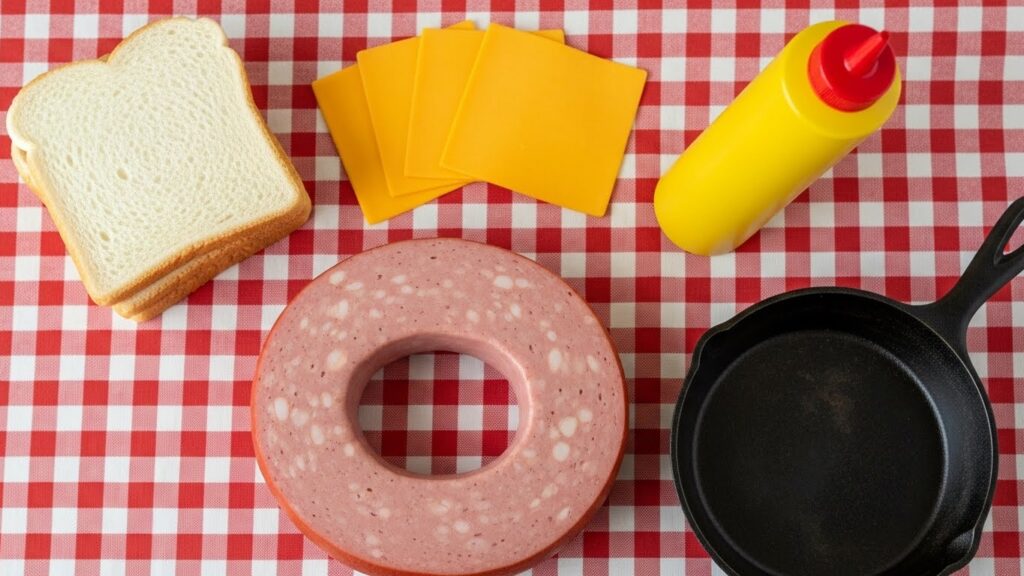
Creating an authentic Amarillo Bob at home is a simple yet sacred process. Follow these steps to bring a taste of the Panhandle to your kitchen.
First, take your slab of ring bologna and, using a sharp knife, make four shallow cuts from the edge toward the center, spaced evenly around the circumference. This scoring is your ticket to a flat, evenly cooked disc. Heat your griddle or heavy skillet over medium heat—no extra oil needed. Place the scored bologna on the hot surface. Listen for that glorious sizzle. Fry for 3-4 minutes per side, until a deep, mahogany-brown crust forms.
While the bologna cooks, lay out your two slices of bread. Spread a hearty layer of yellow mustard on one slice, and place the single slice of American cheese on the other. Once the bologna is perfectly crisped, place it directly onto the cheese slice—the residual heat will begin to melt it. If you’re using Texas toast, you can lightly toast the bread on the now-flavorful griddle. Finally, crown the bologna with the mustard-slathered bread slice. Press down gently, slice diagonally (a must for proper presentation), and serve immediately.
Beyond the Basic Bob: Regional Variations and Accompaniments
While the classic Bob is a masterpiece in its pure form, you’ll find subtle twists across the Panhandle that reflect personal and local tastes. Some diners add a fried egg on top, turning it into a breakfast Bob that can power you through till supper. Others introduce a slice of onion, either grilled or raw, for a sharp bite. A few daring souls might add a pickled jalapeño slice for a touch of Panhandle heat.
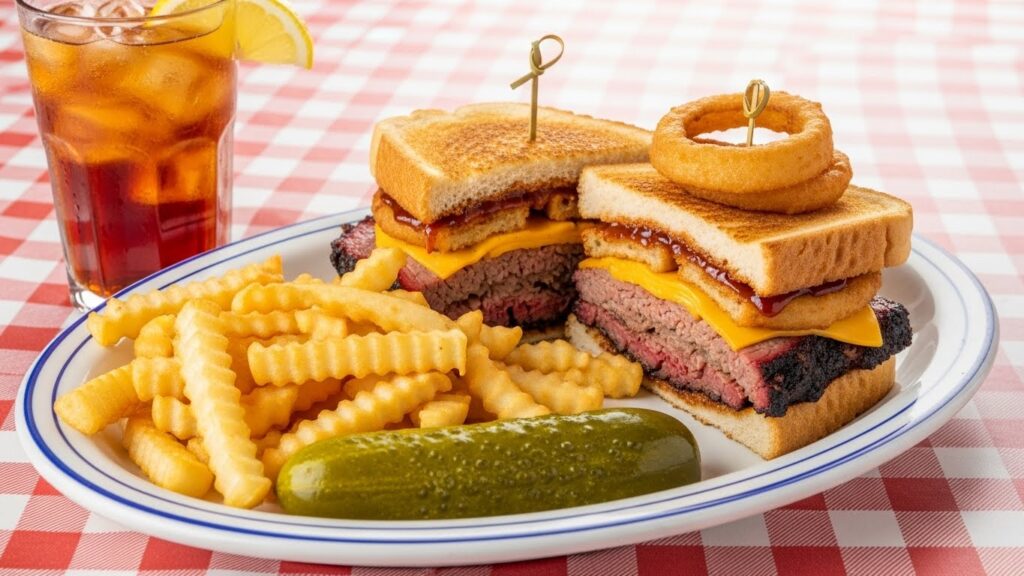
No Bob is complete without its traditional sides. You’ll almost always find it served with a hefty portion of crispy, golden French fries or, more authentically, crinkle-cut fries dusted with seasoned salt. A crisp dill pickle spear on the side provides the essential acidic crunch to cut through the richness. And your beverage? In Texas, it’s almost certainly an ice-cold glass of sweet tea or a locally brewed soda.
Why the Amarillo Bob Endures: More Than Just a Sandwich
The enduring appeal of the Amarillo Bob goes far beyond its ingredients. It is a symbol of place and identity. In a world of fast-food chains and fleeting trends, the Bob stands as a stubborn, delicious relic of authentic regional cuisine. It represents resourcefulness—taking an inexpensive, common ingredient and treating it with respect and technique to create something sublime.
It’s a sandwich of community, found in the same family-owned cafes for decades, served by waitresses who call you “honey.” It’s a taste of nostalgia for anyone who grew up in the High Plains, and a fascinating culinary discovery for travelers venturing off the interstate. The Amarillo Bob doesn’t try to be fancy; it succeeds by being unapologetically itself: hearty, satisfying, and deeply rooted in the Texas dirt.
Your Panhandle Pilgrimage: Where to Find the Perfect Bob
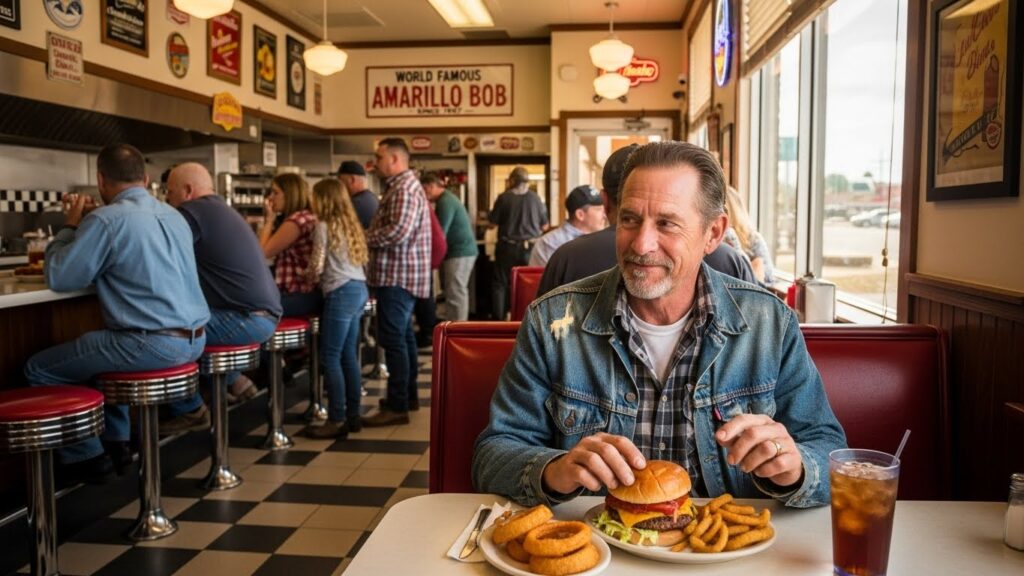
To experience the true Amarillo Bob, you must go to the source. While many spots claim to have the best, a few have become institutions. The Coyote Bluff Cafe in Amarillo, famous for its Burger of the Month fame, also serves a legendary Bob in a quintessentially gritty and beloved setting. Joe Taco and other longstanding local diners often have their own revered version on the menu. The key is to look for the places with worn linoleum floors, a line of trucks parked outside at noon, and a menu that hasn’t changed in 30 years. That’s where the magic happens.
So, whether you’re planning a road trip on the iconic Route 66, exploring the Palo Duro Canyon, or simply seeking to understand the heart of Texas through its food, make the Amarillo Bob your mission. It’s more than a meal; it’s a flavorful slice of Panhandle life, a testament to the idea that the greatest culinary creations are often the simplest, made with care and a whole lot of character. Take a bite, and taste a legend.

