The Angled Lob: Longer in Front, Shorter in Back
In the ever-evolving world of hair trends, some styles come and go with the seasons. But a select few possess a unique blend of chic geometry and effortless wearability that makes them timeless. Enter the angled lob, the masterfully cut hairstyle defined by its signature silhouette: longer in the front, shorter in the back. This isn’t just a haircut; it’s a strategic play of angles that frames the face, adds movement, and delivers an instant upgrade to your entire look. It’s the perfect middle ground between the commitment of a bob and the length of long hair, offering a modern, sophisticated edge that works for virtually everyone.
What Exactly is an Angled Lob?
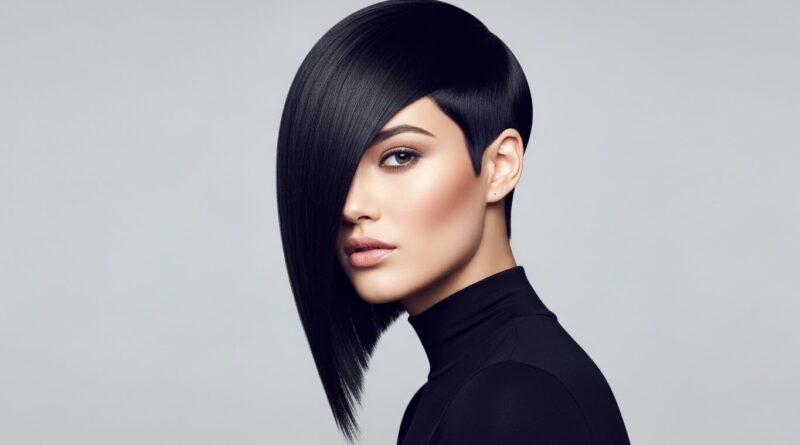
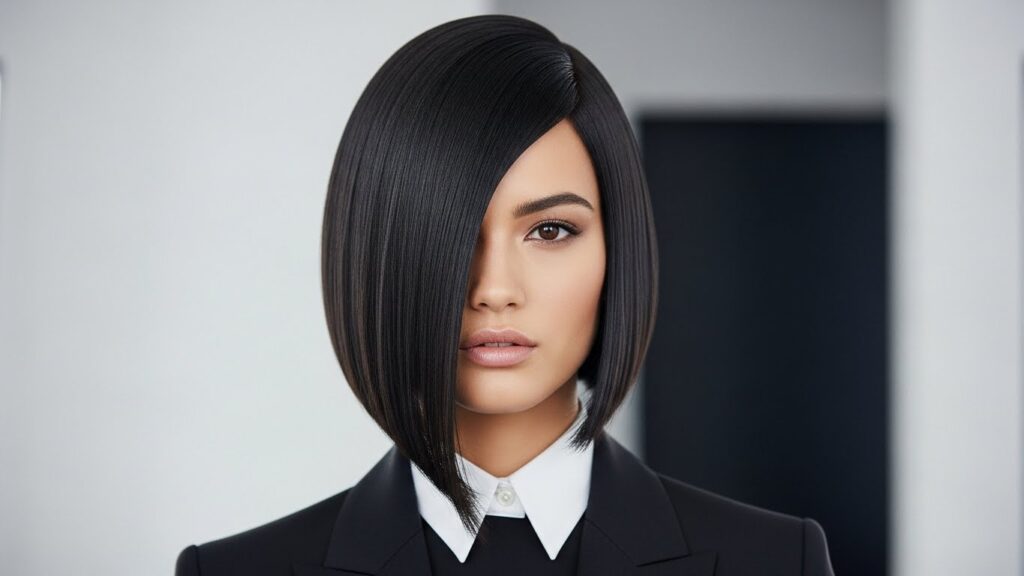
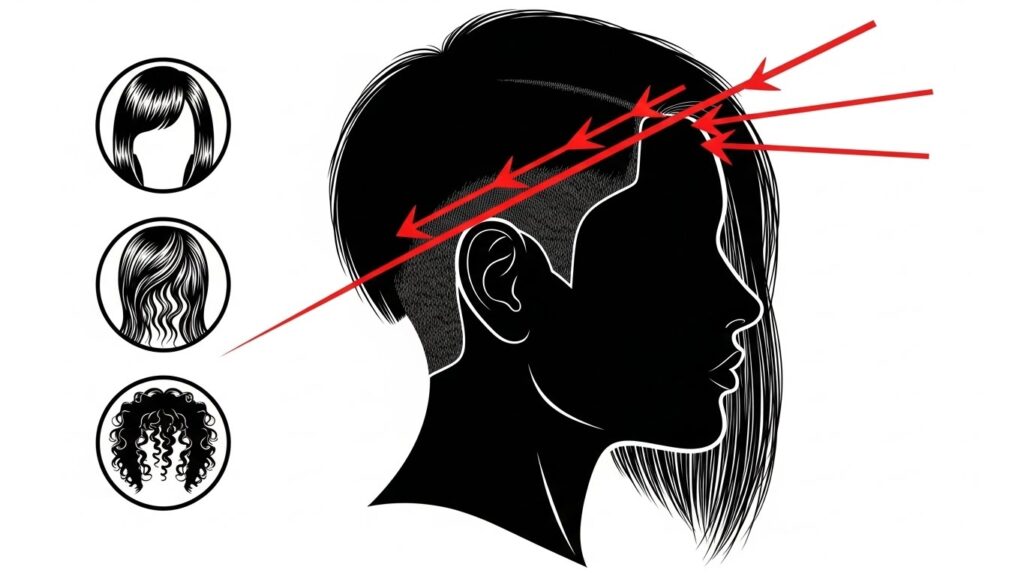
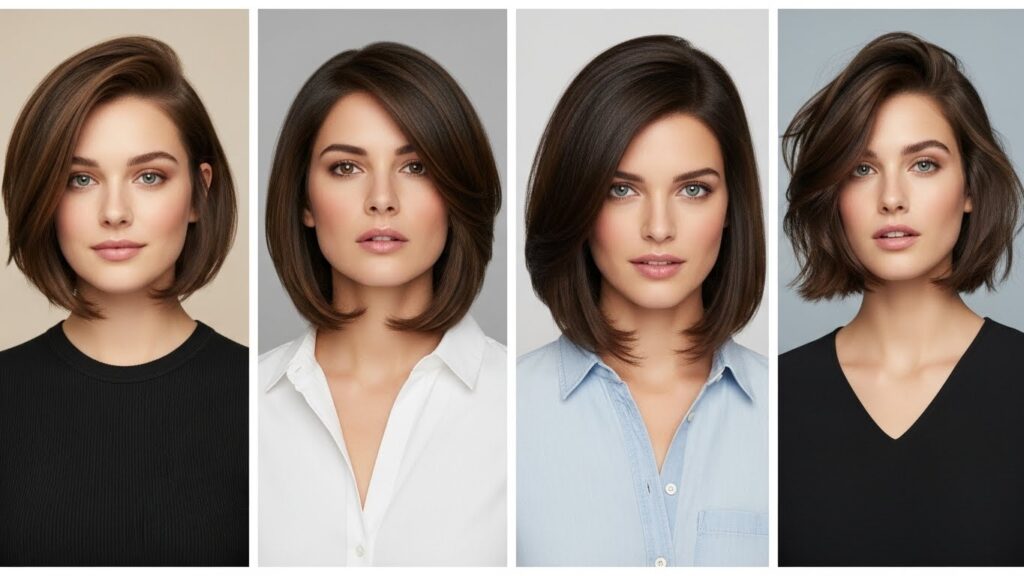
Let’s break down the terminology. A “lob” is simply a long bob, typically falling somewhere between the chin and the shoulders. The “angled” part is the key differentiator. Unlike a blunt, one-length lob that creates a heavy horizontal line, an angled lob is cut on a diagonal. The shortest point is at the back of the head, usually at the nape of the neck. From there, the length gradually increases as the cut moves forward around the head, resulting in the longest strands at the front.
This diagonal line is what creates the style’s signature dynamism. It can be a subtle, two-inch difference for a soft, wearable look, or a dramatic, extreme angle for a bold, fashion-forward statement. The interior of the haircut is often layered to remove weight and encourage movement, ensuring the hair doesn’t fall flat but instead swings and sways with every turn of the head. The result is a cut that combines structure with softness, precision with playfulness.
Why the Angled Lob is Universally Flattering
The “longer in front, shorter in back” formula isn’t an arbitrary trend; it’s a principle of design that offers concrete benefits for various face shapes and hair types. The genius of the angle is its ability to create balance and illusion.
For those with round or square face shapes, the longer front pieces act as a slimming veil, softening the jawline and creating a lengthening effect. For individuals with longer face shapes, the volume and width that can be built into the back and sides of the cut help to add fullness, creating a more oval appearance. The face-framing strands are like built-in contour, drawing attention to the center of the face—the eyes, lips, and cheekbones—in the most flattering way.
Furthermore, this cut is a savior for fine hair. The removal of weight through internal layering, combined with the angled perimeter, gives the illusion of much thicker, fuller hair. For thick or curly hair, the angle helps to distribute bulk, preventing the dreaded “triangle head” shape and allowing curls to spring up with more definition at the back while the longer front pieces weigh them down slightly for a beautiful cascade.
Styling Your Angled Lob: From Sleek to Textured
The versatility of the angled lob shines through in its styling possibilities. Its inherent shape provides a fantastic foundation for a wide range of looks, from polished office-ready to casually undone.
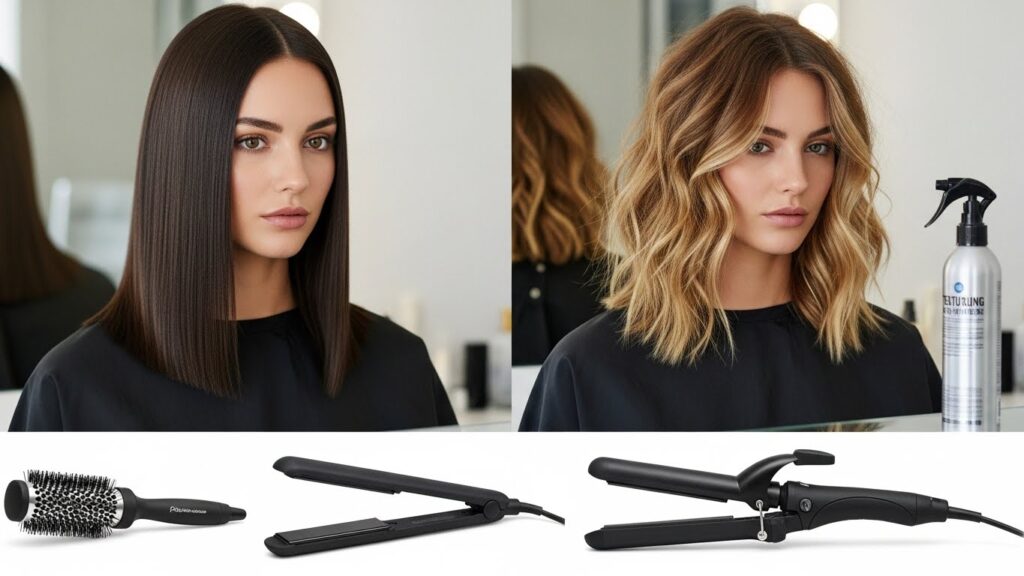
For a sleek and sophisticated look, a simple blow-dry with a round brush is all you need. Focus on smoothing the hair while using the brush to curve the ends under or flip them out, depending on your preference. A flat iron can enhance the sharp, graphic line of the angle, making it look ultra-modern. Add a shine serum for a glass-like finish.
To embrace a more effortless, textured vibe, use a sea salt spray or texturizing mousse on damp hair and scrunch as you air-dry or diffuse. For waves, a curling wand can be used to create loose, irregular bends, focusing on the mid-lengths and ends. The beauty of this cut with texture is that it looks intentionally messy-chic; the different lengths catch the light and create depth naturally. Don’t forget to use your fingers to break up the waves and apply a texturizing paste for separation and grit.
Consultation is Key: Talking to Your Stylist
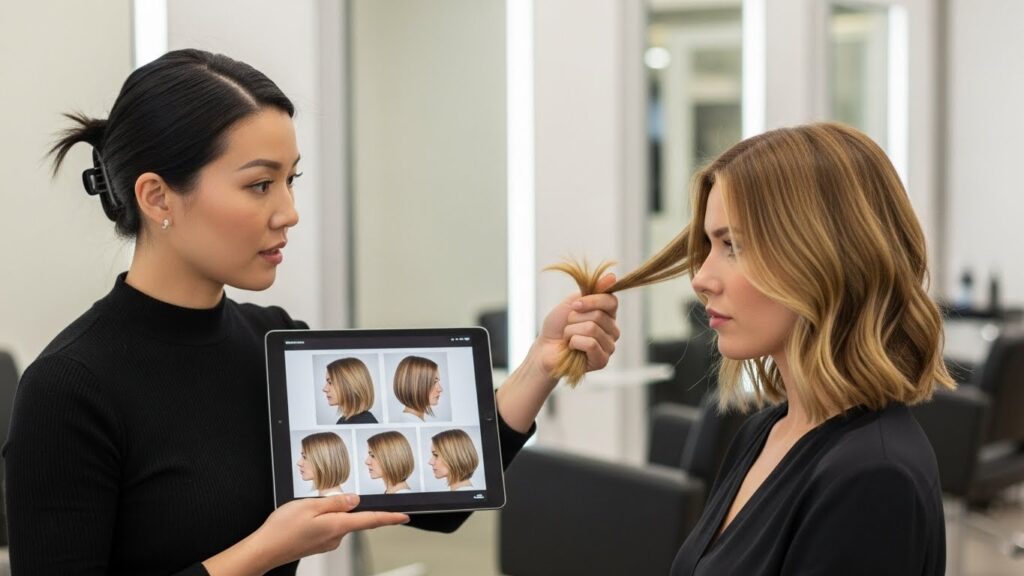
To ensure you walk out of the salon with your dream angled lob, communication with your stylist is paramount. Go in with clear reference photos that show not just the length, but the specific angle you desire. Use descriptive words: “a subtle angle” or “a very dramatic, steep angle.”
Discuss your daily routine. Do you love to style your hair, or are you a low-maintenance person? This will help your stylist decide on the level of internal layering and the sharpness of the angle. If you have cowlicks or specific hair challenges, mention them. A good stylist will assess your hair’s natural growth patterns, texture, and density to customize the cut so it grows out gracefully and looks good even on your “wash and go” days. Be sure to ask for styling tips tailored to your new cut before you leave the chair.
Maintaining Your Chic Cut
The angled lob is renowned for its graceful grow-out phase, much more so than a perfectly blunt cut. However, to maintain its precise shape and intention, regular trims are essential. Plan for a salon visit every 8-12 weeks. This will keep the ends healthy, the angle sharp, and prevent the back from becoming too heavy or losing its definition.
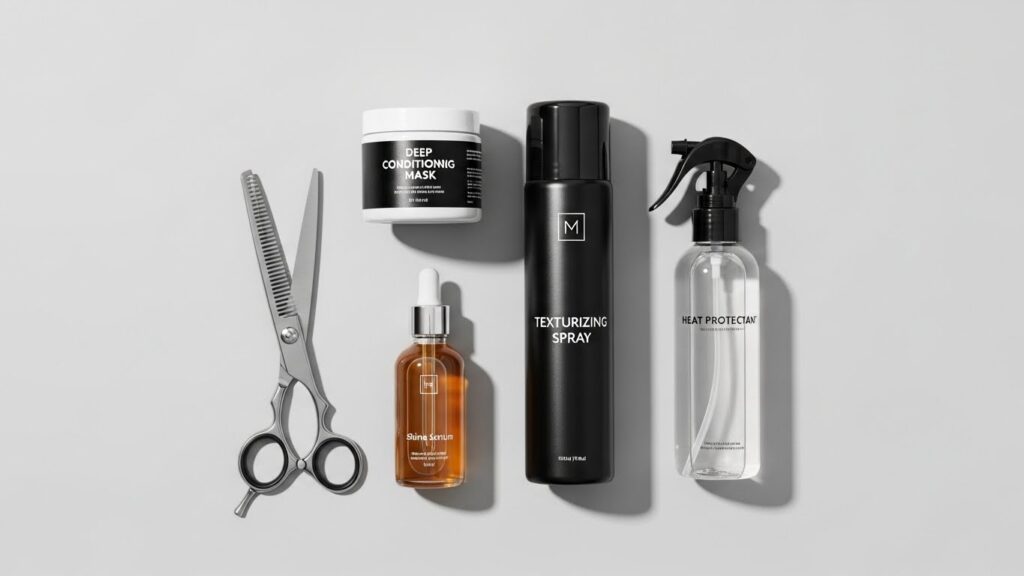
At home, invest in products that enhance your hair’s natural texture and the cut’s shape. A good volumizing spray at the roots will lift the shorter back sections, while a lightweight smoothing cream can tame the longer front pieces. Because the ends are on display and often manipulated during styling, a weekly hydrating hair mask will keep them soft and prevent split ends from marring your beautiful lines.
Is the Angled Lob Right for You?
If you’re seeking a change that feels modern, stylish, and manageable, the answer is likely yes. The angled lob is for the person who wants a cut with personality—one that makes a quiet statement of confidence. It’s for those tired of the maintenance of long hair but not ready for a classic, above-the-chin bob. It’s a cut that works with your hair’s natural movement rather than fighting against it.
Ultimately, the “longer in front, shorter in back” philosophy of the angled lob is about creating a flattering, dynamic shape that adds interest and ease to your daily routine. It’s a testament to the power of a great haircut to not just change your look, but to boost your confidence. With its perfect balance of structure and softness, edge and elegance, the angled lob isn’t just a passing trend; it’s a modern hair archetype that’s here to stay.