The Birmingham Shag: Southern Steel City
When you think of Birmingham, Alabama, images of towering steel mills, the pivotal moments of the Civil Rights Movement, and mouth-watering barbecue likely come to mind. But woven into the very fabric of this city’s rich history is a rhythm, a step, a cultural artifact of joy and resilience: The Birmingham Shag. This isn’t just a dance; it’s a story set to music, born in the smoky juke joints and vibrant nightclubs of the Magic City during the swing era. It represents a unique chapter in the American dance tapestry, a Southern cousin to the more widely known Carolina Shag, yet with its own distinct steel-city swagger.
Roots in the Furnace: The Birth of a Dance
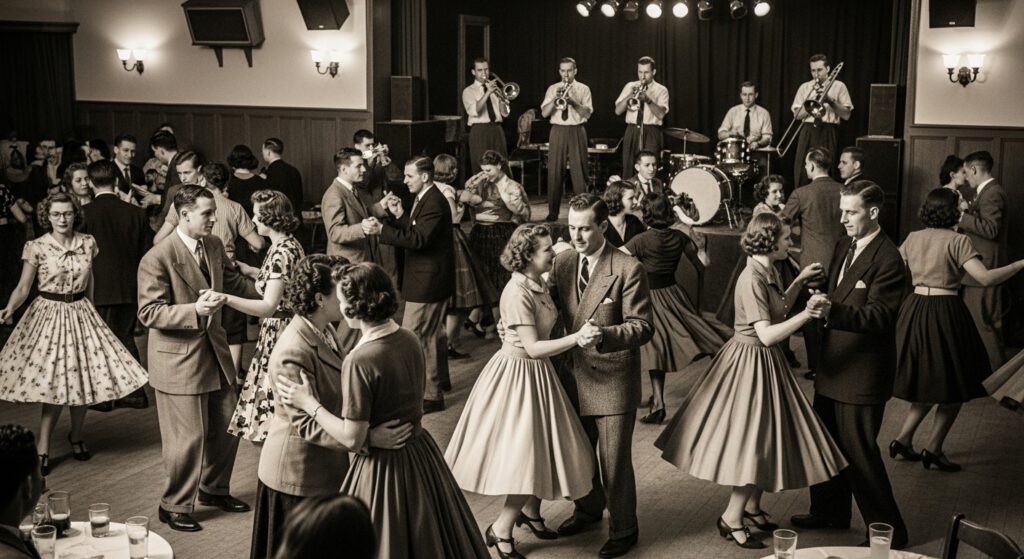
The origins of the Birmingham Shag are beautifully murky, rooted in the oral and physical traditions of the early to mid-20th century. Its development parallels the rise of Birmingham itself as an industrial powerhouse. In the 1930s and 1940s, the city was buzzing with workers from all walks of life. With them came musical influences: the big band swing of Duke Ellington and Count Basie, the jump blues of Louis Jordan, and the foundational rhythms of early rock and roll.
The dance evolved organically in venues like the Famous Club, Thomas’s Pit Barbecue, and other Black and white establishments where live music fueled weekend gatherings. Dancers began adapting the frenetic energy of the Jitterbug and Lindy Hop into something that suited both the faster tempos of jump blues and the hot, humid Southern climate. The result was a dance that stayed largely in a slot, conserving energy with a sophisticated, relaxed upper body, while the feet executed quick, precise shuffles, kicks, and taps.
It was efficient, it was cool, and it was unmistakably Birmingham. The name “Shag” itself is an old term meaning “to flee” or “to shake,” perfectly describing the fast, shuffling footwork that defines the style.
The Steps That Define the Steel City Swing
So, what makes the Birmingham Shag different from other swing dances? While it shares DNA with the Carolina Shag (which is slower, danced to “beach music,” and emphasizes a smooth, gliding motion), the Birmingham version is its livelier, more urban relative.
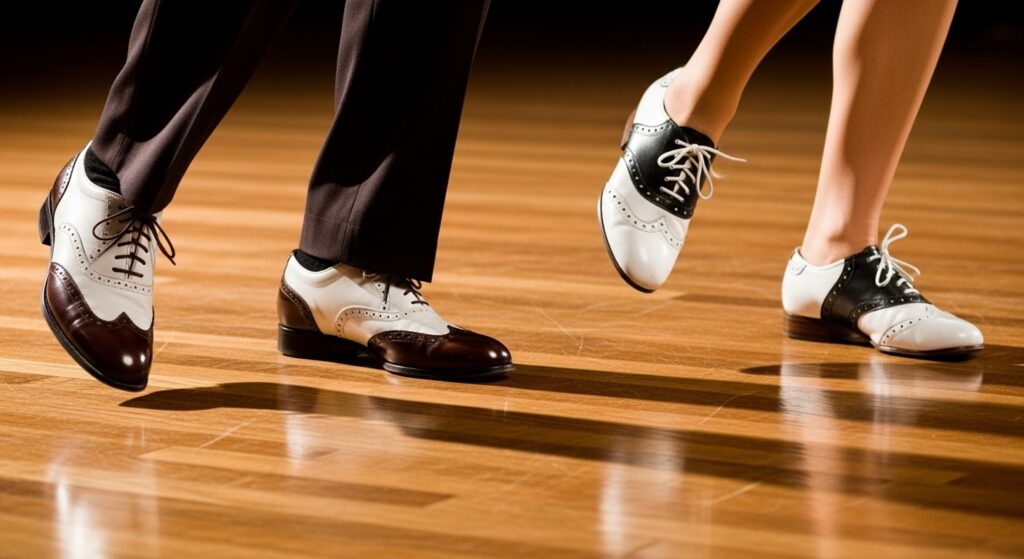
Its core characteristics are a study in controlled energy. Dancers maintain a tight, closed position with a distinct frame, often with a subtle pulse or bounce that connects them to the rhythm. The footwork is a rapid six-count pattern, typically danced to faster-tempo music (around 140-180 beats per minute). The signature move is a “kick-ball-change” or “shuffle-step” executed with a remarkable lightness and speed, giving the illusion the dancers are floating above a flurry of foot taps.
Unlike the aerials and wide circles of the Lindy Hop, the Birmingham Shag is primarily a slot dance, meaning the couple moves back and forth along an imaginary line. This made it perfect for crowded dance floors in packed Birmingham clubs. The lead communicates subtle shifts in weight and direction, making the dance a conversation of pushes, pulls, and shared momentum. The aesthetic is one of effortless cool—a sharp contrast to the gritty industrial environment that fostered it.
The Soundtrack: From Juke Joints to Jazz
A dance is nothing without its music, and the Birmingham Shag found its soul in the rich musical currents flowing through the city. Early shaggers danced to the driving rhythms of jump blues and swing. Artists like Wynonie Harris, Buddy Johnson, and Tiny Bradshaw provided the perfect, punchy soundtrack with songs like “Bloodshot Eyes” or “Well, Oh Well.”
As music evolved, so did the dance. The birth of rock and roll in the 1950s, with its strong backbeat, was seamlessly adopted by shag dancers. Birmingham, with its own vibrant music scene, was a stop on the Chitlin’ Circuit, bringing legendary R&B and early rock acts directly to the people who would dance to their records all week. This adaptability is key to the Shag’s survival. The dance is less about a specific genre and more about a feel—a syncopated, swinging rhythm that makes your feet want to move.

Preservation and Revival: Keeping the Step Alive
Like many regional dances, the Birmingham Shag faced a period of decline. The social shifts of the 1960s, changing musical tastes, and the shuttering of classic venues threatened to relegate it to memory. However, the dance never completely disappeared. It was kept alive by dedicated communities of enthusiasts, often families and social clubs who passed the steps down through generations at weddings, reunions, and local gatherings.
In recent decades, there has been a conscious and vibrant revival. Dance historians and passionate instructors have worked to document the steps, terminology, and history. Workshops and dedicated “Shag Nights” at local venues have introduced the dance to new generations. Organizations and online communities have formed to share videos, stories, and techniques, ensuring the knowledge isn’t lost.
This revival isn’t about nostalgia; it’s about reconnection. For younger dancers, it’s a thrilling, fast-paced challenge. For the city, it’s a reclaiming of a unique piece of cultural heritage. The Birmingham Shag is now celebrated as a vital part of Alabama’s folk history, a living artifact that continues to evolve while honoring its roots.

Your Turn to Shag: Experiencing Birmingham’s Dance Culture
If you find yourself in Birmingham with a desire to connect with this living history, you’re in luck. The scene, while niche, is welcoming and active. You can seek out swing dance studios or social dance groups that offer specific Birmingham Shag workshops. Some local festivals and music events will feature areas where shag dancers gather, especially when live bands play swing or jump blues.
The best way to start is to listen. Put on a classic jump blues track and try to feel that steady, shuffling rhythm. Then, look for a beginner’s lesson. Remember, the goal isn’t perfection; it’s participation. You are stepping into a lineage, becoming part of the story that transformed the energy of a steel city into an expression of rhythm and joy.
The Birmingham Shag is more than a sequence of steps. It is a testament to the human need for joy and community amidst hard work. It is a blend of African American and white working-class dance traditions that met on Alabama dance floors. It is the sound of a city not just making steel, but making culture. From the furnace to the dance floor, the Birmingham Shag remains a powerful, swinging heartbeat of the Southern Steel City.