The Chicago Shag: Midwest Modern Layers
In the vast landscape of interior design trends, where coastal grandmother and dark academia vie for attention, a distinctly grounded and compelling style has been quietly taking root. Born not from the pages of a European design book or a Scandinavian minimalist manifesto, but from the pragmatic, creative heart of America’s Midwest, comes the Chicago Shag. This aesthetic is more than just a look; it’s a feeling. It’s the architectural weight of a vintage brick wall meeting the soft, inviting pile of a shag rug. It’s the sleek line of a modern sofa piled with textured, nubby blankets. It is, in essence, Midwest Modern—a layered, soulful, and deeply comfortable approach to creating a home that feels both current and timelessly cozy.

Unpacking the Name: What is The Chicago Shag?
Let’s break down the evocative name. “Chicago” grounds the style in a specific urban energy. Think of the city’s iconic architecture: the sturdy, honest materials of the Prairie School, the soaring steel-and-glass of Mies van der Rohe, the weathered charm of a century-old brick factory loft. It’s a city that respects its history while constantly evolving. The Chicago part of this equation brings in architectural integrity, raw materials, and an industrial backbone.
Then, there’s the “Shag.” This isn’t a throwback to 1970s kitsch. Here, “shag” represents the profound embrace of texture and softness. It’s the antidote to cold, sterile modernity. It’s the shag rug, yes, but also the chenille throw, the bouclé accent chair, the nubby wool, the hand-knit pillow. The shag is the literal and figurative layer of comfort that makes a space feel lived-in, welcoming, and warm.
Together, these elements create a dynamic tension that defines the style: hard vs. soft, old vs. new, structured vs. relaxed. It’s a balanced, layered look that feels collected over time rather than decorated in a day.
The Historical and Cultural Roots of Midwest Modern
To understand the Chicago Shag, one must appreciate its roots in the Midwest ethos. This is a region built on practicality, craftsmanship, and community. Homes are meant for gathering, for weathering long winters, and for displaying a sense of honest character. The Midwestern design spirit has always leaned towards durability, natural materials, and a lack of pretense.
In Chicago specifically, the legacy of Frank Lloyd Wright’s organic architecture and the “form follows function” mantra of the Bauhaus, which found a home at the Illinois Institute of Technology, created a unique design soil. From this grew a preference for clean lines and functional spaces. The Chicago Shag takes this modernist foundation and infuses it with a dose of rustic, residential warmth, a direct response to the desire for homes that are both stylish and supremely habitable. It’s the high-design meeting the human need for comfort.
Core Elements of the Chicago Shag Aesthetic
Ready to bring this layered look into your own space? Here are the foundational components to master.
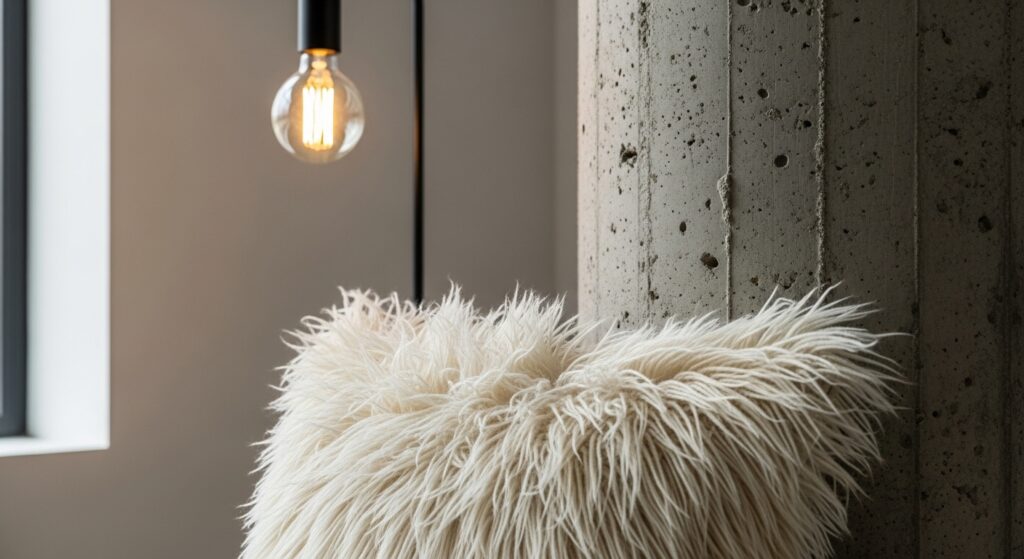
The Architectural Layer: This is your canvas. Embrace the existing bones of your space. Exposed brick, concrete floors, visible ductwork, and large steel-framed windows are not flaws to be covered but assets to be highlighted. If you don’t have these, you can introduce this layer through materials: a brick veneer accent wall, stained concrete look tiles, or black metal open shelving. The goal is to establish a sense of structural honesty.
The Textural Layer (The “Shag”): This is where comfort is woven in. Texture is king. Start with a statement shag, shearling, or high-pile wool rug that begs you to walk barefoot. Layer in textiles: a chunky knit throw on the sofa, linen curtains that filter light softly, velvet pillows on a leather chair, a burlap lampshade. Mix and match these fabrics without fear. The more tactile variety, the better.
The Furniture Mix: Avoid matching sets. The Chicago Shag thrives on curation. Pair a low-profile, modern sectional in a neutral fabric with a vintage, wood-and-iron coffee table found at a flea market. Place a sleek, contemporary armchair next to a worn-in, mid-century bookshelf. Look for pieces with simple, strong silhouettes that prioritize comfort and materiality over ornate decoration.
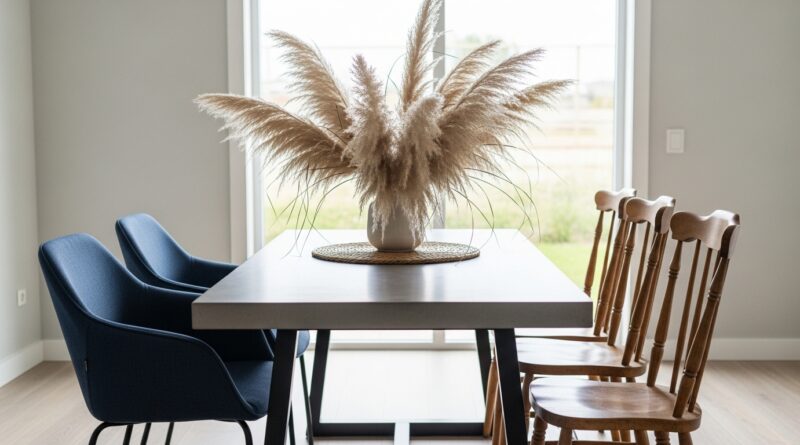
The Organic and Artisanal Layer: Life and handcraft are essential. Incorporate natural wood elements—a live-edge slab as a desk, a set of rustic oak dining chairs, a teak bowl. Add greenery with oversized, low-maintenance plants like fiddle leaf figs or monsteras. Display pottery, woven baskets, or glassware from local makers. These elements add soul and a connection to the natural world.

A Neutral, Earthy Color Palette with Pops of Depth
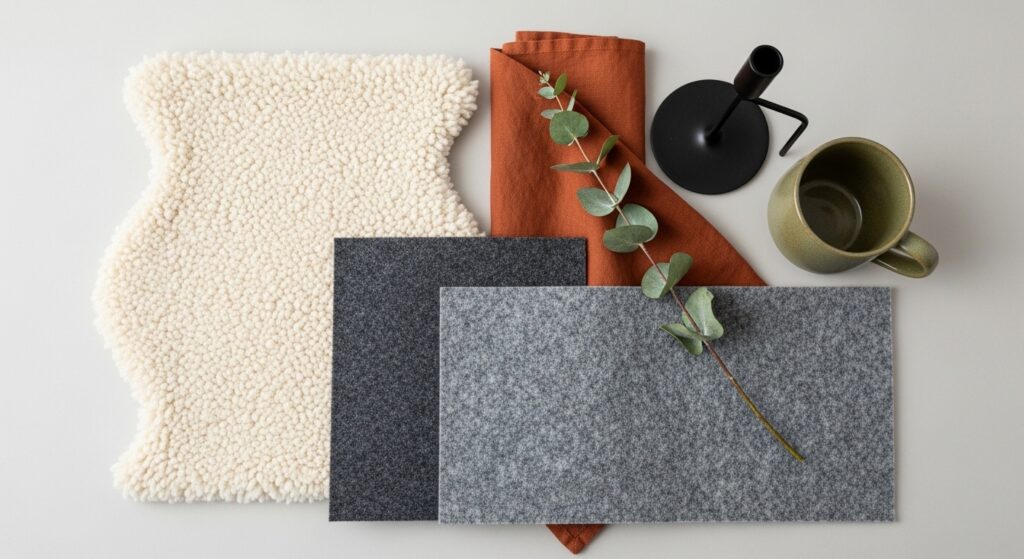
The color story of the Chicago Shag is drawn from the landscape of the region and its materials. It’s a grounded, neutral palette that allows texture and form to take center stage. Think of the color of undyed wool, wet clay, stormy skies, and aged paper.
Your base colors are whites, creams, taupes, warm grays, and putty. These form the walls, larger upholstery pieces, and main rugs. From there, build depth with earth tones: clay reds, mossy greens, ochre yellows, and deep, inky blues. These often appear in smaller doses—in a piece of art, a throw pillow, or the glaze of a ceramic vase. Black is used strategically as a graphic accent, in picture frames, lamp bases, or window mullions, to sharpen the softer elements.
How to Achieve the Chicago Shag Look in Your Home
Transforming your space doesn’t require a full renovation. Start small and layer intentionally.
1. Begin with the Biggest Textile: If you change nothing else, invest in a high-quality, neutral shag or plush wool rug. It will instantly add warmth and define the textural tone of the room.
2. Embrace the “Old and New” Rule: For every new, modern piece you bring in, try to source one vintage or antique item. This creates instant history and avoids a showroom feel. Scout local antique malls, estate sales, or online marketplaces for pieces with character.
3. Layer Your Lighting: Harsh overhead lights are the enemy of coziness. Use warm-toned bulbs and create a layered lighting plan. Combine recessed or track lighting (the architectural layer) with floor lamps, table lamps, and even wall sconces. The more sources of warm, diffused light, the better.
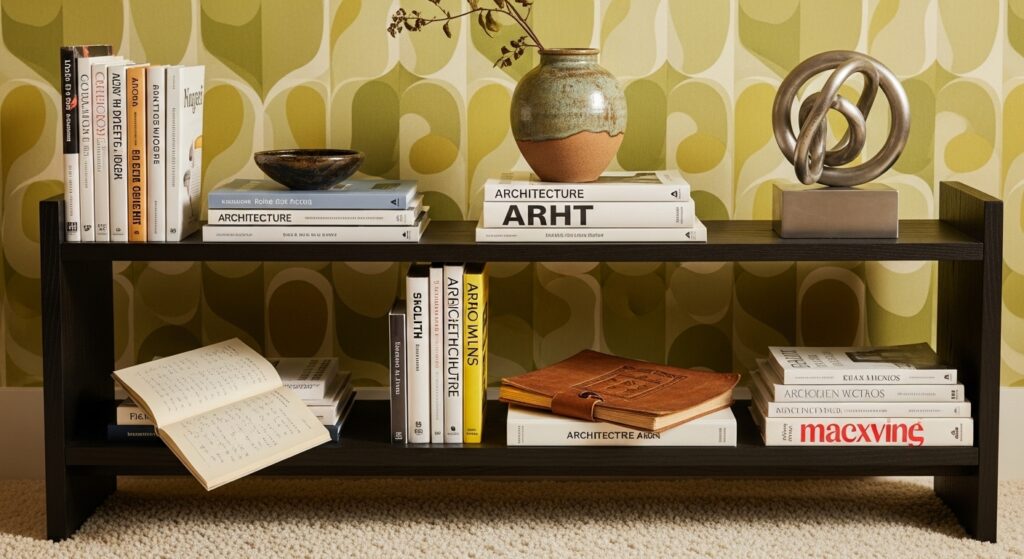
4. Curate, Don’t Decorate: Display items that have meaning or beauty. A stack of favorite books, a collection of stones from Lake Michigan, a framed architectural print. Leave breathing room. The goal is a collected, thoughtful look, not clutter.
5. Prioritize Comfort Above All: Every choice should pass the comfort test. Is that chair inviting? Does that throw make you want to curl up? The Chicago Shag is a lived-in style; it should welcome you and your guests to relax and stay awhile.

Why the Chicago Shag Endures
In a world of fast furniture and fleeting trends, the enduring appeal of the Chicago Shag lies in its authenticity and resilience. It’s not a style based on a color of the year or a specific pattern; it’s a philosophy of design that values material honesty, tactile pleasure, and personal history. It creates spaces that are both inspiring and relaxing, sophisticated and welcoming.
It speaks to our innate desire for homes that tell a story—our story—while providing a sanctuary from the outside world. The Chicago Shag is that perfect, beautiful balance: it has the strong, quiet confidence of the Midwest and the layered, cozy heart of a true home. It’s modern, but it remembers to be soft. It’s design, lived in.