The Columbus Bob: Georgia Military Town
Nestled along the rolling banks of the Chattahoochee River in west Georgia lies a city with a rhythm all its own. The steady, resonant beat of this rhythm isn’t just from the vibrant downtown music scene; it’s the pulse of a community inextricably linked to the United States Army. Columbus, Georgia, is more than just a city—it’s a quintessential American military town, a place where civilian life and military service are woven together into a unique cultural fabric. And at the heart of this identity is a legendary figure, a symbol of the town’s spirit: The Columbus Bob.
A Legacy Forged in Bootprints: From Benning to Moore
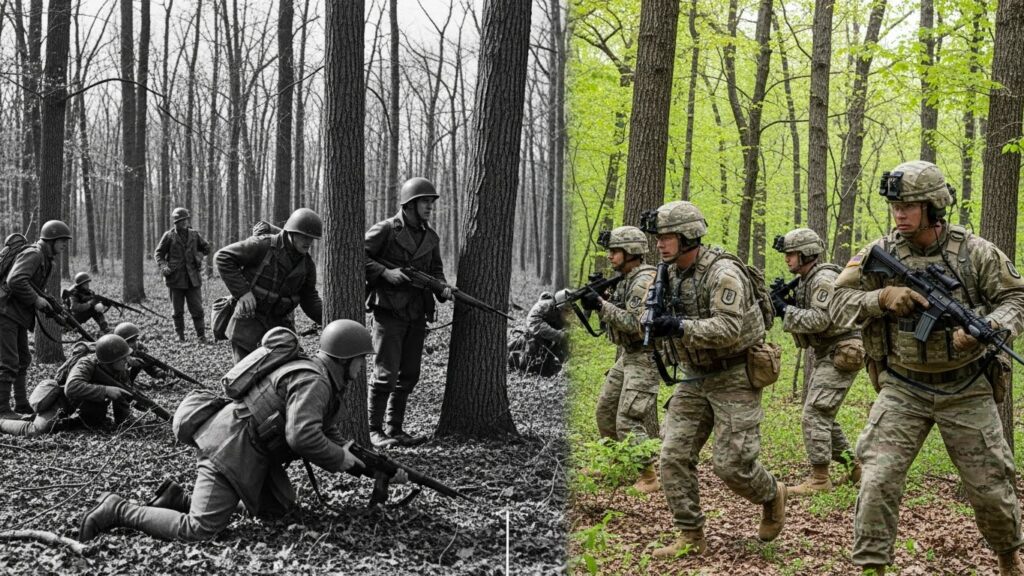
The story of Columbus as a military town begins over a century ago. In 1918, as the nation mobilized for World War I, the U.S. government selected a vast tract of land south of Columbus for a new infantry training camp. Named for Confederate General Henry L. Benning, Fort Benning quickly grew into the “Home of the Infantry.” This designation wasn’t just a slogan; it was a reality. For decades, nearly every Army infantryman, Ranger, and Airborne soldier has spent a formative part of their career on its sandy soil.
The base’s presence dictated the city’s growth and character. Businesses catering to soldiers and their families sprung up. The local economy became tied to the post’s cycles of training, deployment, and homecoming. The city learned the unique language of military life—the acronyms, the rituals, the shared anxiety of deployments. In 2023, as part of a Department of Defense initiative to remove names associated with the Confederacy, Fort Benning was renamed Fort Moore, honoring Lieutenant General Hal and Julia Moore, a legendary Army couple. While the name changed, the fundamental mission—and the town’s deep connection to it—remained unshakable.
More Than a Base: The Civilian-Military Tapestry
What sets Columbus apart from other towns with a large military installation is the depth of integration. This isn’t a place where the base is a separate entity on the outskirts; it’s a thread woven through the entire community. You feel it at the National Infantry Museum and Soldier Center, a world-class facility just outside the gate that tells the American infantryman’s story with reverence and power. You see it in the countless local businesses that offer military discounts and proudly display “We Support Our Troops” signs—not as a platitude, but as a genuine commitment.
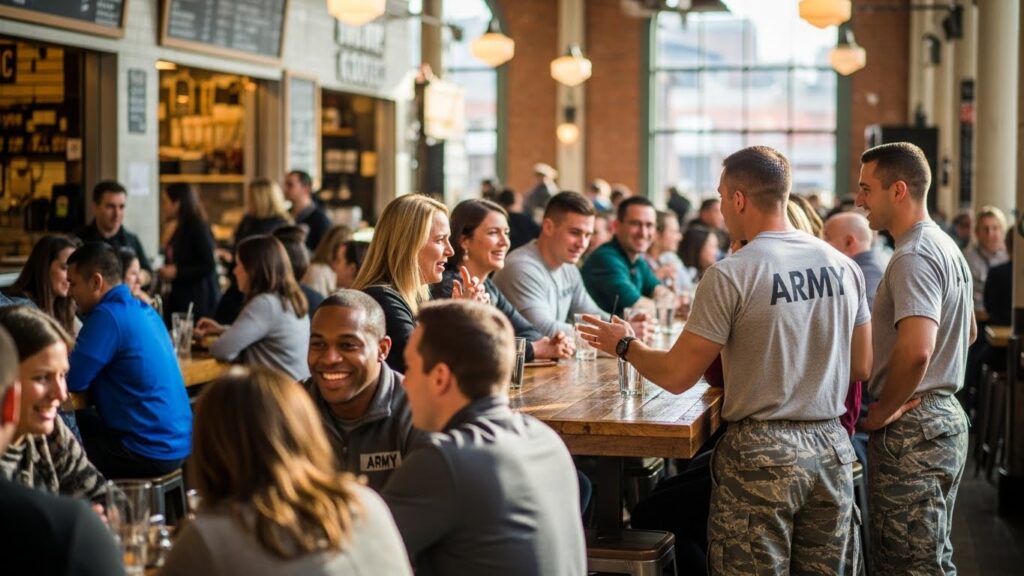
You hear it in conversations at local breweries or coffee shops, where tales of training, different duty stations, and shared sacrifice are common currency between active-duty members, veterans, and civilians who have grown up alongside the Army. The community understands the lifestyle’s challenges: the frequent moves, the family separations, the emotional toll. This understanding fosters a remarkable network of support, from spouse employment groups to youth programs for military kids. Columbus doesn’t just host soldiers; it embraces the entire military family.
The Anatomy of the “Columbus Bob”
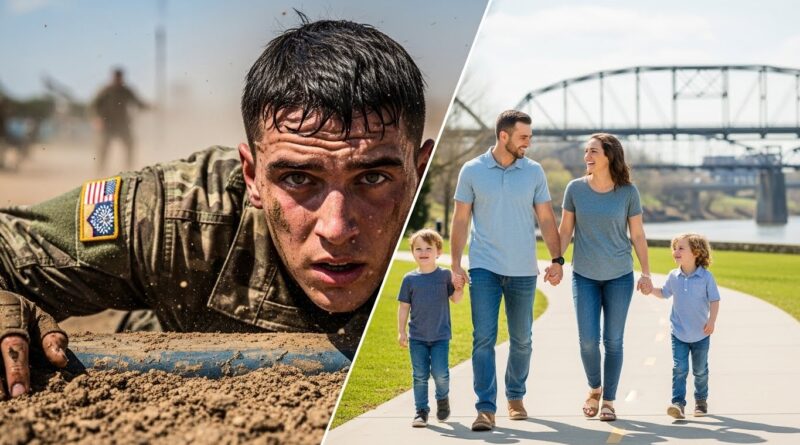
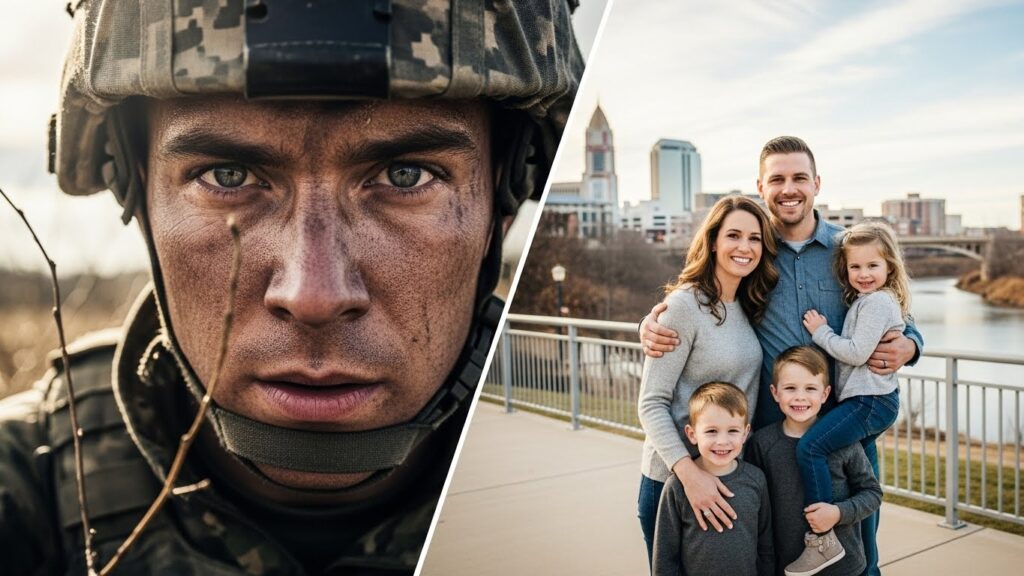
So, let’s return to that iconic figure, the “Columbus Bob.” In Army slang, a “Bob” often refers to a new, standard infantryman. The Columbus Bob is this archetype, contextualized by his environment. He might be the 18-year-old recruit experiencing his first taste of freedom during a rare weekend pass, wide-eyed on Broadway. He is the battle-hardened NCO (Non-Commissioned Officer) who has done multiple tours, now instructing the next generation, choosing to settle his family in a Columbus suburb because it feels like home. He is the retired veteran who transitioned to a second career in the city’s growing tech or manufacturing sectors, remaining a pillar of the community.
The Columbus Bob is resilient, shaped by grueling training at Sand Hill or the airborne towers. He carries the values of duty, honor, and perseverance. The city, in turn, has adapted to him. It offers the services he needs, the entertainment he seeks, and, most importantly, a sense of belonging. The Bob evolves, but the cycle continues with every new busload of arrivals at the reception battalion. Columbus is the constant in that cycle, the civilian anchor to the military journey.
Columbus Beyond the Uniform: A City of Surprises
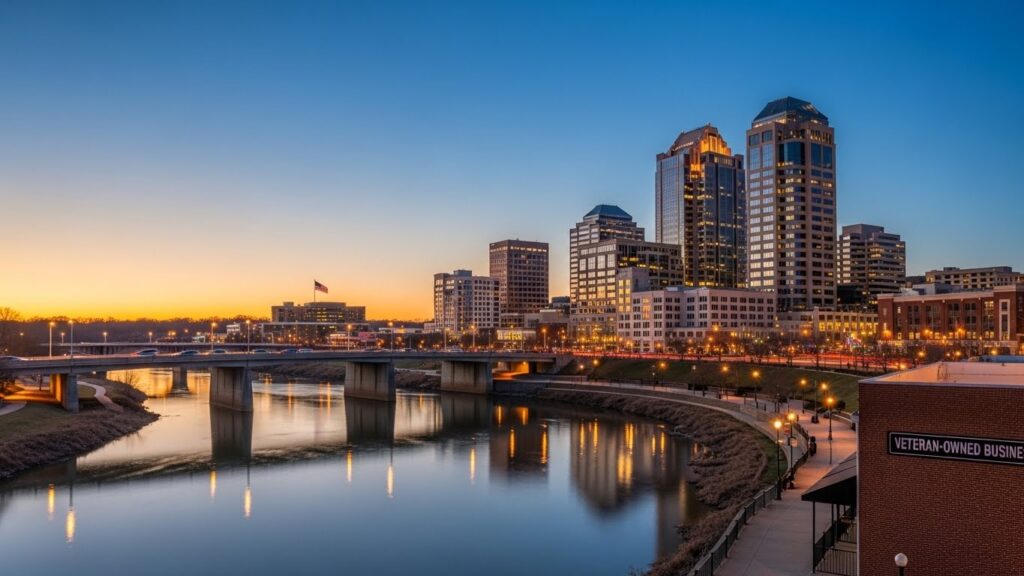
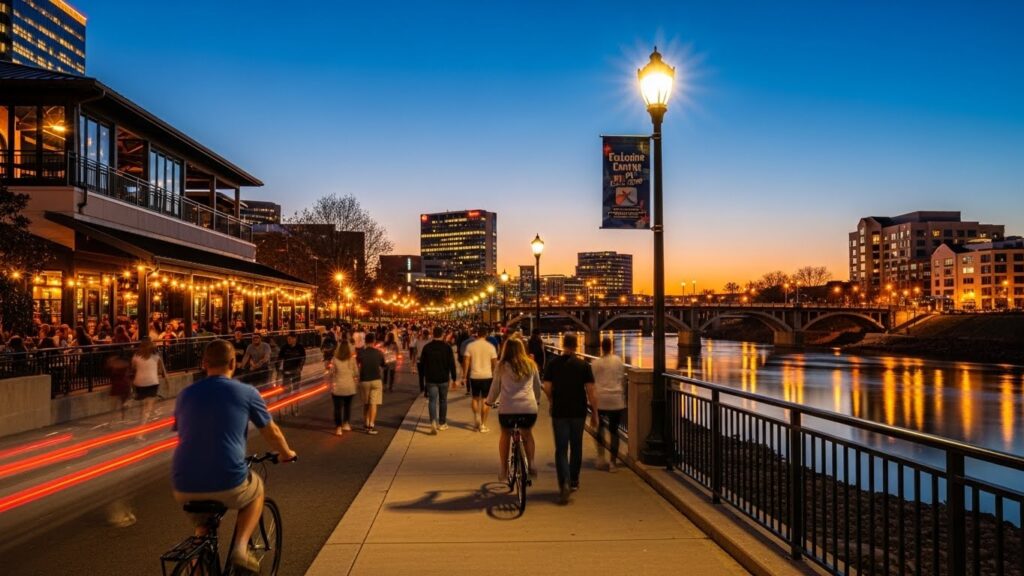
To pigeonhole Columbus solely as a military town would be to miss its rich, multifaceted identity. The military is its backbone, but the city has a vibrant body and soul. Its revitalized downtown and RiverWalk are bustling with restaurants, craft breweries, and cultural events. It’s the birthplace of Coca-Cola creator John Pemberton and home to a thriving arts scene, including the stunning RiverCenter for the Performing Arts. The presence of universities like Columbus State University adds a youthful, academic energy to the mix.
This duality is Columbus’s greatest strength. A visitor can spend the morning learning about Medal of Honor recipients at the National Infantry Museum and the afternoon kayaking on the Chattahoochee or exploring the city’s fascinating Civil War naval history at the Port Columbus museum. This blend provides soldiers and their families with a genuine hometown experience, not just a temporary posting. It offers a high quality of life that helps retain talent, both in uniform and out, fostering a stable and invested community.
The Unbreakable Bond: Why This Military Town Endures
The relationship between Columbus and Fort Moore is a textbook example of a successful military-civilian partnership. It has endured through wars, economic shifts, and name changes because it is built on mutual respect and necessity. The city provides a vital quality of life and community for the Army’s personnel, which in turn is a massive economic and cultural engine for the region. The base infuses the city with a constant influx of diverse, motivated people from all over the country and the world.
This bond creates a unique American character. There’s a palpable sense of patriotism in Columbus, but it’s the grounded, personal kind—born from knowing someone who served, from welcoming a new military family to the neighborhood, or from simply understanding the weight of what happens just down the road at “the home of the infantry.” The spirit of the Columbus Bob—that blend of toughness, dedication, and community—is, in essence, the spirit of the city itself.
In the end, Columbus, Georgia, stands as a powerful testament to the towns that support the all-volunteer force. It’s a place where “Thank you for your service” is said with genuine understanding, where the fabric of everyday life is stitched with camouflage thread. It’s not just a location on a map; it’s a crucial character in the ongoing story of the American soldier. And as long as there is a United States Army, there will be a Columbus—and a new generation of “Bobs”—writing its next chapter.