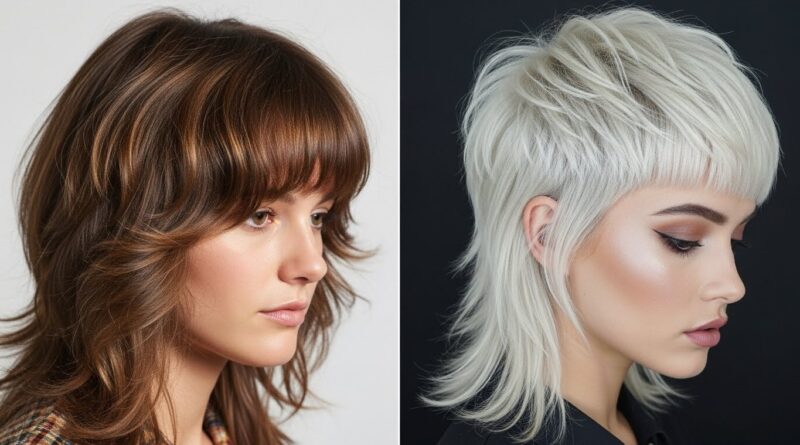
The Disconnected Shag: Intentional Gaps Between Layers
In the ever-evolving world of hair, trends don’t just change—they deconstruct and rebuild. Enter the disconnected shag, the rebellious offspring of the classic 70s shag. This isn’t your grandmother’s layered cut (though she was undoubtedly cool). This is a deliberate, architectural approach to texture, where layers aren’t just blended; they are strategically severed and stacked, creating intentional gaps that play with light, movement, and an undeniable edge. It’s a haircut that speaks in volumes, literally and figuratively, championing a messy, lived-in, and fiercely individualistic aesthetic.

Deconstructing the Disconnect: What Exactly Is It?
To understand the disconnected shag, first, recall the traditional shag. Its hallmark is layers—lots of them—but they are typically graduated or blended into one another, creating a seamless, cascading curtain of texture. The disconnected version throws the rulebook out the salon window.
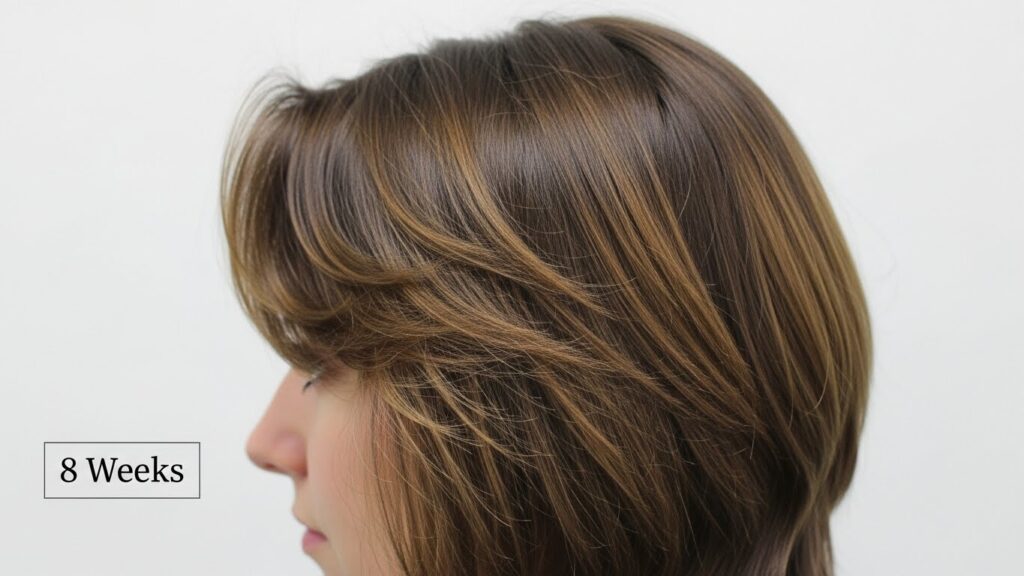
Here, the stylist creates a strong, visible line of demarcation between different sections of hair. Most commonly, this means the top layers (around the crown and above the parietal ridge) are cut significantly shorter and with heavy texture. The hair beneath this point (the interior or bottom layers) is left notably longer. Instead of a smooth transition, there is a deliberate “step” or “gap.” This technique creates an incredible illusion of volume at the crown, while the longer lengths provide weight and swing. The result is a haircut full of contrast, rebellion, and effortless cool.
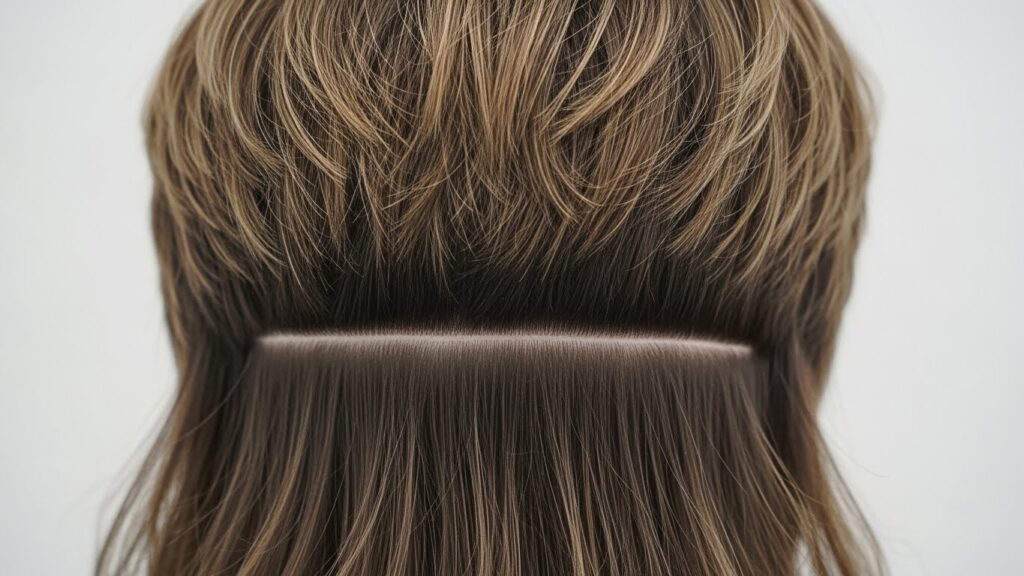
A Brief Roots Report: The History of the Shag’s Evolution
The shag was born in the 1970s, popularized by icons like Jane Fonda and rock stars like Keith Richards. It was the haircut of liberation—low-maintenance, sexy, and perfectly suited to the era’s free-spirited vibe. It saw revivals in the 90s with the rise of grunge, championed by stars like Meg Ryan, whose tousled, blended layers defined a generation.
The disconnected element is a more recent, avant-garde twist. It borrows from other cutting techniques like undercuts and mullets, where weight is removed from specific areas to create stark contrast. This modern interpretation emerged from the desire for extreme texture and personalized shape, moving away from the one-size-fits-all blended look. It’s a haircut for those who want their style to make a statement before they even speak.
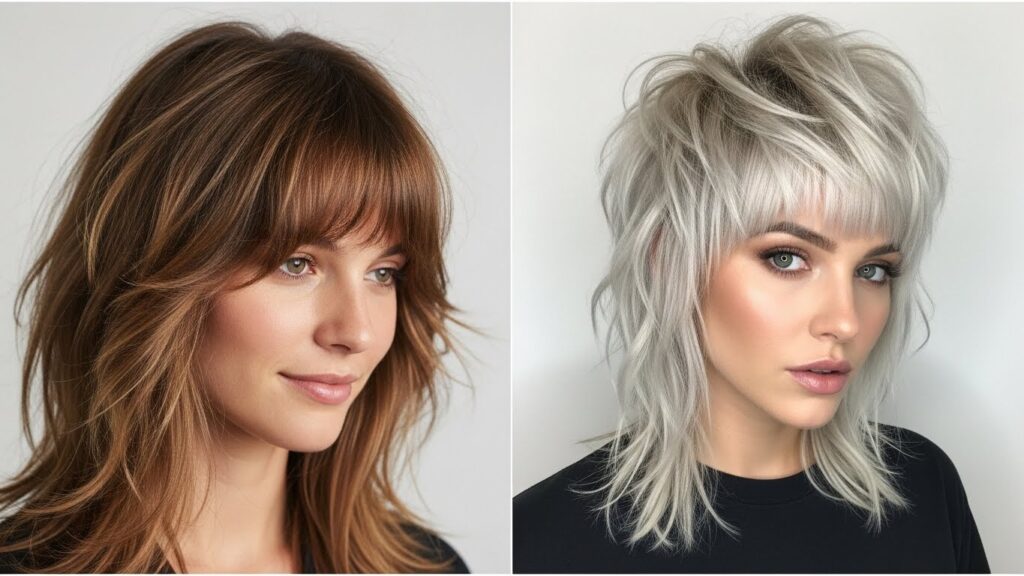
Who is the Disconnected Shag For? Face Shapes and Hair Types
The beauty of this cut is its surprising adaptability. While it screams “edgy,” it can be customized to flatter many.
Ideal Face Shapes: It works wonderfully for oval, heart, and square faces, as the volume on top can balance a stronger jawline or a narrower forehead. For round faces, a longer, more elongated version of the disconnect can create a slimming effect. Those with very long faces may opt for a softer disconnect to avoid adding too much height.
Perfect Hair Types: This cut is a godsend for fine to medium hair. The intentional layering and removal of weight at the bottom create an instant, built-in volume that fine hair often lacks. Surprisingly, it also works for thick hair, as the disconnect removes bulk in a controlled, stylish way. It embraces natural texture, so wavy and curly hair types can achieve stunning, voluminous results. Straight hair can carry the look with a sleek, graphic precision.
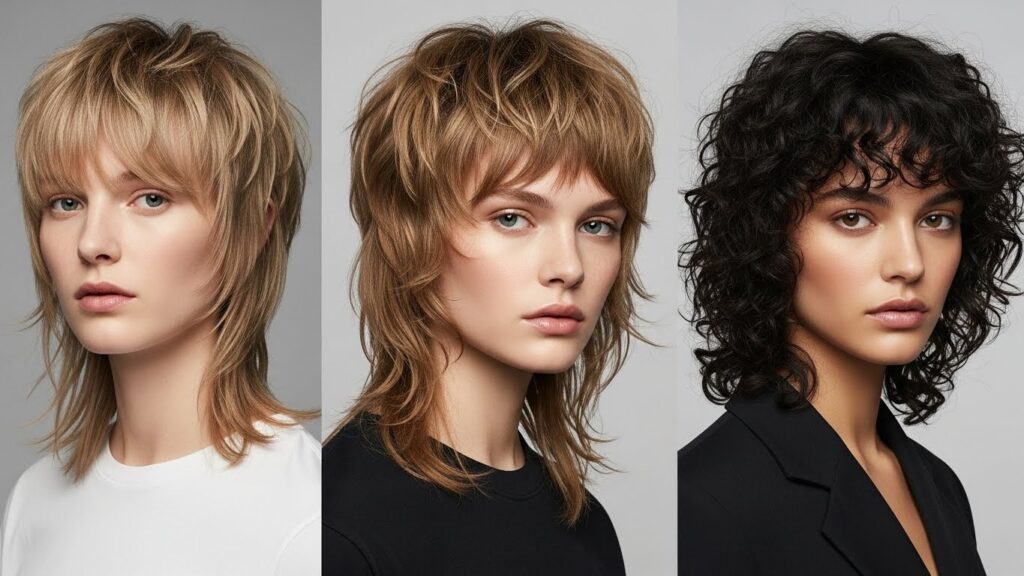
The Art of the Consultation: Communicating with Your Stylist
Walking into a salon and saying “I want a shag” is not enough for this technical cut. Communication is key. Bring clear photos from multiple angles. Use the specific terminology: “disconnected layers,” “intentional gap,” or “heavy weight removal above the parietal.” Discuss the degree of disconnect. Do you want a subtle step or a dramatic, punk-inspired chop? Be clear about the length you want to maintain at the bottom. A good stylist will assess your hair’s density, growth patterns, and face shape to tailor the disconnect to you.
Pro Tip: Ask about point cutting and razor cutting. These techniques are often used to create the feathered, textured ends that make the disconnected shag so dynamic and lived-in.

Styling Your Disconnected Masterpiece: Effortless is Key
The best part? This haircut is designed to look amazing with minimal effort. The goal is texture, not perfection.
Start with a texturizing spray or mousse on damp hair. Diffuse dry to enhance natural waves or curls, scrunching as you go. For straight hair, a rough dry with your fingers or a blow-dryer with a concentrator nozzle can add volume at the root. The magic happens when you mess it up. Use your fingers to tousle the roots and separate the layers. A light-hold texturizing paste or sea salt spray on dry hair can accentuate the separation between layers and define those intentional gaps. Embrace the piecey, “just-rolled-out-of-bed” vibe—it’s the heart of the look.

Maintenance and Growth: The Long-Term Plan
The disconnected shag does require a commitment to upkeep. To maintain the sharpness of the shape and the intentional gaps, trims are needed every 6-8 weeks. As it grows out, the disconnect will soften, evolving into a more blended shag—which is still a beautiful look. If you wish to keep the dramatic contrast, regular salon visits are non-negotiable.
When it’s time for a change, growing it out can be an adventure. The good news is that the heavy layers often make the grow-out process look intentional and cool, rather than awkward. You can gradually ask your stylist to blend the disconnect more with each trim until you reach your desired length or new style.

Beyond the Trend: Why the Disconnected Shag Resonates
Why has this particular haircut captured the modern imagination? It’s more than just aesthetics. In a digital age of often homogenous beauty standards, the disconnected shag is a celebration of imperfection and individuality. It’s a tactile, raw look in a filtered world. It gives the wearer a sense of creative rebellion and effortless confidence. It’s a haircut that says you understand the rules well enough to break them beautifully.
It also represents a shift towards personalized architecture in beauty. Like a sculpted garment, it’s built specifically for your hair’s behavior and your personal style, whether you’re a rocker, a romantic, or a minimalist with an edge.
Ready for the Chop?
The disconnected shag is not for the faint of heart, but for those who dare, it offers immense reward. It’s a partnership between you and your stylist, a creative collaboration that results in a living, moving work of art on your head. It’s a testament to the idea that in the spaces we create—even the intentional gaps between layers—there is beauty, volume, and a whole lot of attitude.
If you’re seeking a cut that combines retro inspiration with modern edge, that gives you volume and ease, and that proudly wears its construction on its sleeve, then the intentional gaps of the disconnected shag are calling your name. Book that consultation, gather your inspiration, and get ready to redefine your texture.