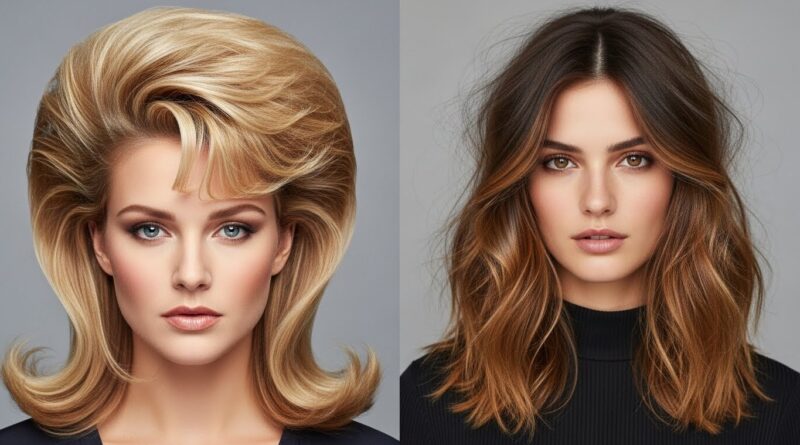
The End of Overly Sculpted Hair
For decades, the beauty ideal for hair was synonymous with perfection. Flawless, gravity-defying volume, not a strand out of place, and a finish so crisp it could withstand a hurricane. This was the era of the overly sculpted hair—a look achieved with a small army of products, heated tools, and a level of maintenance that became a part-time job. But walk down any street, scroll through any fashion editorial, or watch any red carpet today, and you’ll witness a palpable shift. The helmet of hair is cracking. The rigid curls are relaxing. The sky-high volume is settling into something softer, more personal, and undeniably real. We are, without a doubt, witnessing the end of overly sculpted hair and the glorious rise of the effortless, textured, and lived-in style.
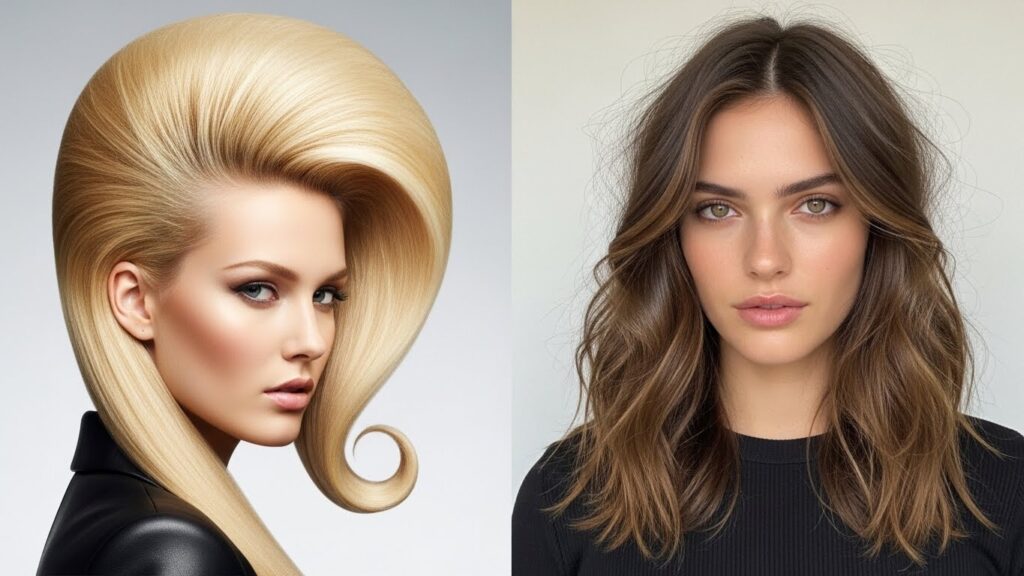
From Boardroom to Bedhead: The Cultural Shift
This evolution is more than just a passing trend; it’s a cultural reflection. The overly sculpted hair of the 80s and 90s mirrored a certain formality and a desire for controlled, corporate polish. It was armor. Today’s aesthetics lean into authenticity, individuality, and well-being. The “clean girl” aesthetic, the embrace of natural textures, and the “quiet luxury” movement all champion a look that appears intelligent, not overworked. We’re prioritizing hair health over hair spray, choosing styles that grow out gracefully rather than require weekly salon touch-ups. This shift says, “I have better things to do than spend hours on my hair”—and that is a powerful, modern statement.

The Pillars of the New Hair Ethos
So, what exactly defines this post-sculpted hair landscape? It’s built on a few key principles that are revolutionizing how we think about our hair.
1. Texture is King (and Queen): Gone is the quest for glass-like smoothness. Now, we’re enhancing what we have. Whether it’s natural curls, subtle waves, or even a bit of frizz, texture is celebrated as a sign of vitality and personality. Products are designed to define, not deflate, these natural patterns.
2. The “Lived-In” Look: This is the cornerstone. Think softer root shadow, grown-out highlights (like balayage), and styles that look better on day two, three, or four. It’s hair that has a history, that looks like it has been lived in, loved, and simply shaken out. The precision of a sharp, single-color block dye job is giving way to dimensional, sun-kissed color that grows out beautifully.
3. Effortless Movement: Hair should swing, bounce, and fall naturally. The goal is to avoid any style that looks “stuck” or frozen in time. Cuts have more layers, ends are point-cut for softness, and the overall shape is designed to move with the body, not against it.
4. Health as the Ultimate Foundation: This trend is inextricably linked to the hair wellness movement. People are investing in quality shampoos, bond-building treatments, and heat protectants. The focus is on nourishing the scalp and strand to create beautiful hair from the inside out, making it a canvas that looks good even with minimal styling.
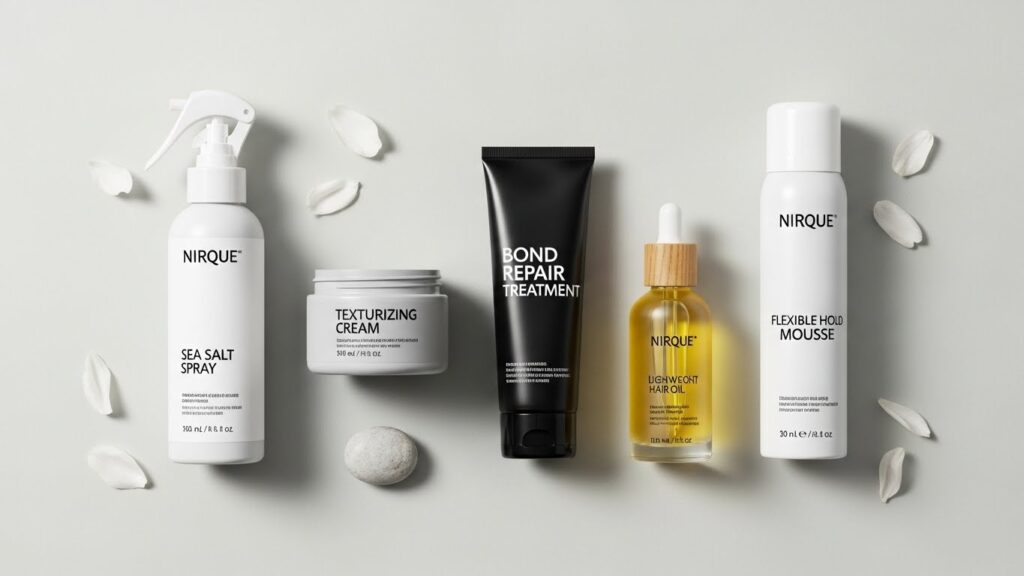
Your Toolkit for Effortless Hair
Ditching the sculpted look doesn’t mean abandoning products. It means swapping them for smarter, more forgiving alternatives.
Swap Heavy-Hold Hairspray for Texturizing Spray: Sea salt sprays and dry texturizing sprays add grit, separation, and a piece-y finish without the crunch or shine of traditional hairspray.
Swap Silicone-Laden Serums for Lightweight Oils: Argan, marula, and squalane oils can tame frizz and add shine without weighing hair down or making it look greasy and “done.”
Swap Volumizing Mousse for a Cream or Foam: Styling creams and light mousses define waves and curls while maintaining softness and touchability. They enhance, rather than overpower, your natural hair.
Embrace the Diffuser: For curly and wavy hair, the diffuser is your best friend. It dries hair while enhancing curl pattern and volume, minimizing frizz, and creating a perfectly imperfect finish.
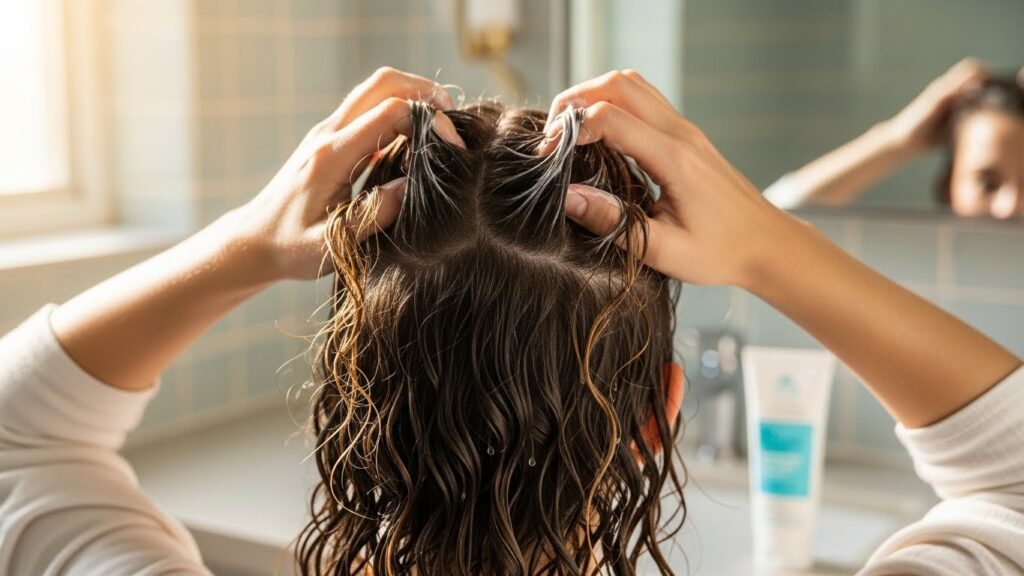
How to Talk to Your Stylist
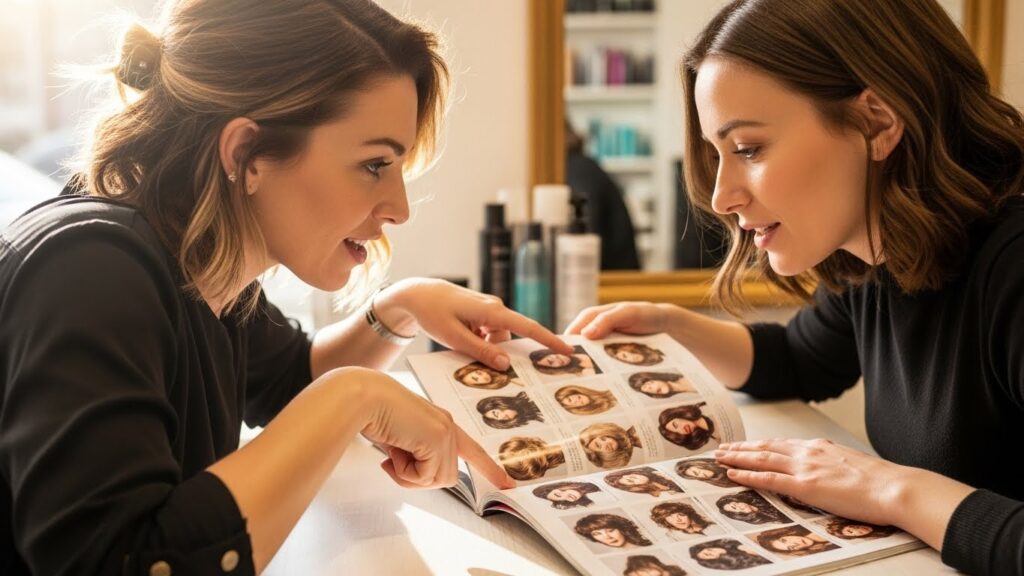
Making this shift permanent starts in the salon chair. Communication is key. Here’s what to ask for:
Request a “Lived-In” Cut: Ask for soft layers, feathered ends, and a shape that works with your hair’s natural movement. Mention terms like “broken-up lines,” “effortless air-dry shape,” or “a cut that looks good with texture.”
Opt for Dimensional Color: Move away from solid, flat color. Request balayage, babylights, or a root shadow/smudge. Say, “I want color that grows out gracefully and doesn’t require frequent touch-ups.”
Discuss Styling Techniques, Not Just Results: Ask your stylist to show you how to style your new cut with minimal heat and product. The goal is to learn how to work with your hair, not against it.
The Freedom in Letting Go
The most significant impact of this trend is not just aesthetic—it’s psychological. Letting go of the need for sculpted perfection is liberating. It frees up time, reduces anxiety about bad hair days (because how can a “lived-in” day be bad?), and encourages a healthier relationship with our appearance. It allows our hair to be an expression of our true selves, in all its unique, textured glory.
This isn’t a call to abandon styling altogether. It’s an invitation to redefine what “styled” means. It can mean defined curls, beautifully air-dried waves, or a sleek look that still has softness at the temples. The point is intention over imposition, enhancement over alteration.
The end of overly sculpted hair marks the beginning of a more intelligent, sustainable, and authentic approach to beauty. It’s a celebration of individuality, a nod to practicality, and a welcome return to hair that looks and feels like hair. So put down the extra-hold spray, pick up the texturizing cream, and let your hair breathe. The era of effortless beauty is here, and it’s here to stay.