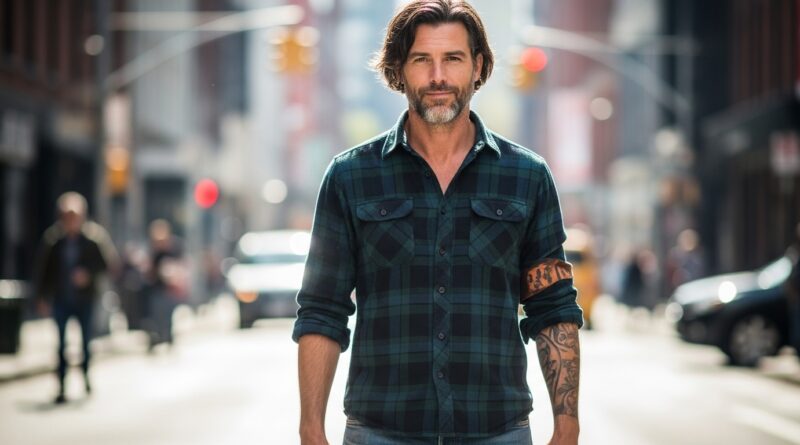
The Indianapolis Bob: Midwest Traditional
In the heart of America, where practicality meets pride and style is defined by durability rather than fleeting trends, you’ll find a haircut that has quietly defined generations of men. It’s not the flashy fade of the coasts, nor the avant-garde styles of metropolitan salons. This is the Indianapolis Bob: a clean, sharp, and unmistakably Midwestern traditional cut. More than just a way to manage hair, the “Bob” is a sartorial handshake, a statement of unpretentious confidence, and a legacy passed down in barbershops from Speedway to Broad Ripple. It speaks of a region that values hard work, straightforwardness, and looking put-together without trying too hard.
But what exactly is an Indianapolis Bob? Why does it persist in an era of endless style options? This deep dive explores the anatomy, history, and cultural soul of this iconic haircut, offering a guide for those who wish to wear a piece of authentic Midwest tradition.
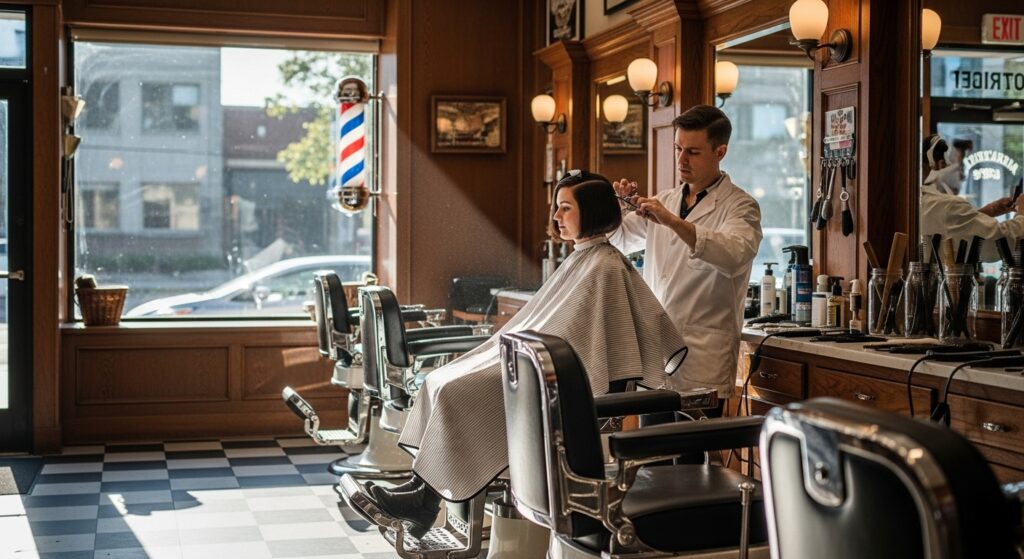
Anatomy of a Classic: Defining the Indianapolis Bob
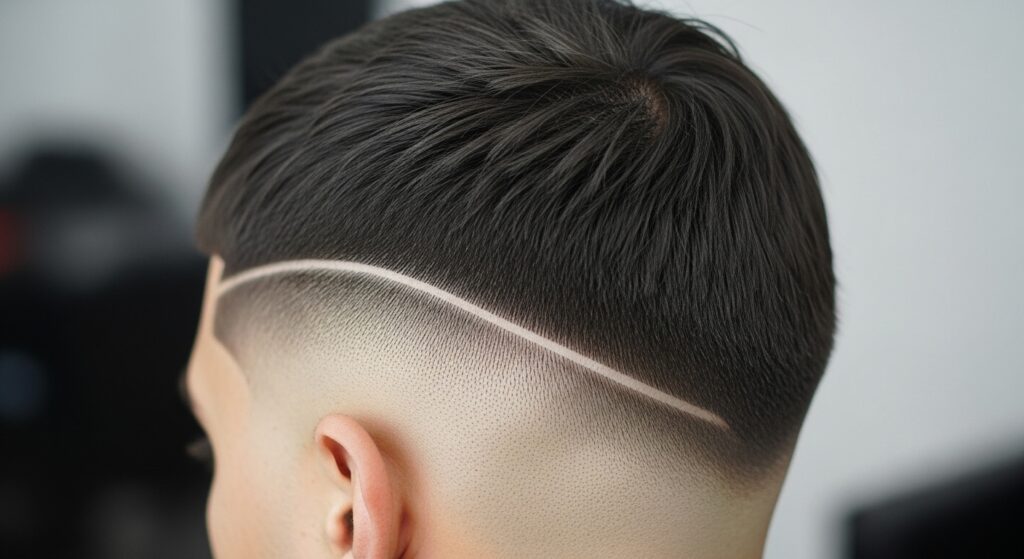
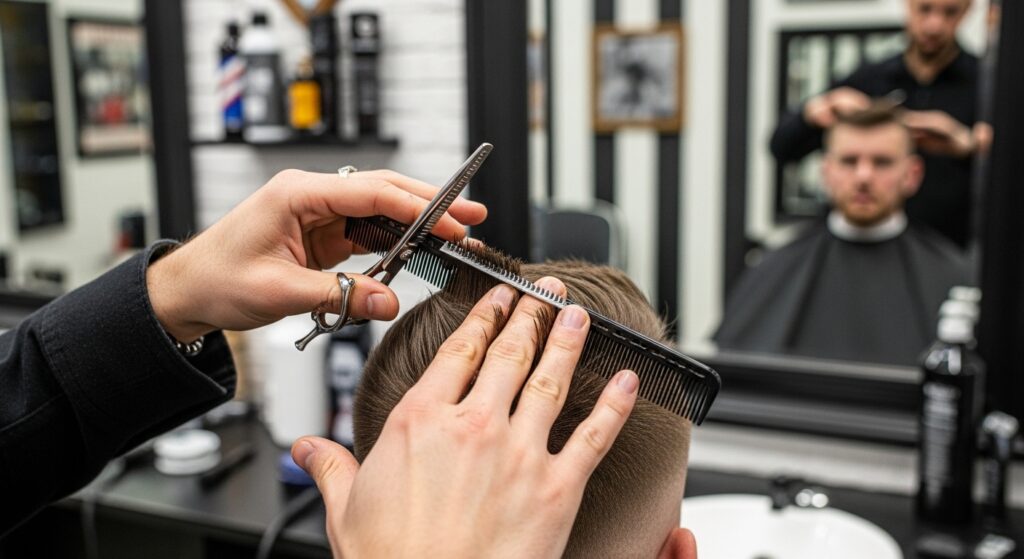
The Indianapolis Bob is defined by its specific, balanced proportions. It is not a one-length, bowl-cut relic. Instead, it’s a meticulously crafted short-to-medium length cut that frames the head with clean geometry. The sides and back are typically trimmed with clippers or shears to a uniform, manageable length—often between a #2 and #4 guard—tapering neatly around the ears and down the neck. The top is left noticeably longer, usually 2 to 4 inches, and is cut with texturizing shears to remove bulk while maintaining enough weight to style.
The hallmark is the distinct, squared-off back. Unlike rounded fades or tapers, the Bob features a clean, horizontal line across the occipital bone (the base of the skull), often followed by a slight taper down the neck. The sideburns are kept square and crisp. The top can be styled with a light pomade or wax for a neat side-part, brushed forward for a touch of texture, or simply left natural for a “wash-and-wear” ease. The overall impression is one of neatness, control, and maturity.
Roots in the Heartland: The History and Evolution
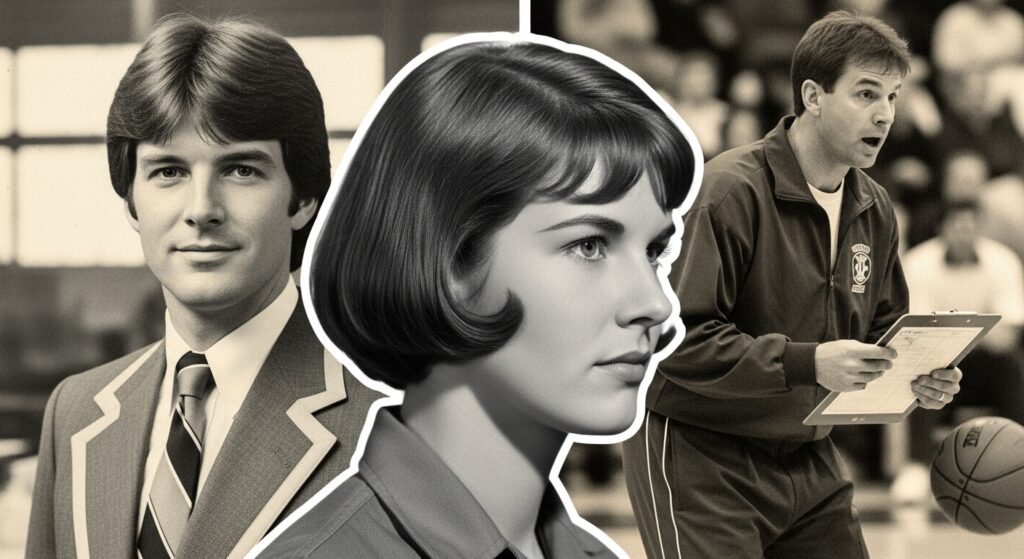
The Bob’s origins are humble, born from post-war Midwestern sensibility. In the 1950s and 60s, as Indianapolis grew as an industrial and automotive powerhouse, men needed a haircut that was practical for factory floors, easy to maintain, and appropriate for church on Sunday. The classic barber’s “short back and sides” evolved into something with a bit more personality and structure—the Bob.
It gained its name not from a famous stylist, but from the common command in the barber’s chair: “Just give me a regular bob, Joe.” It was the default, the standard. It saw subtle evolutions with each decade—a little longer on top in the 70s, a bit more textured in the 80s—but its core principles remained. It survived the long hair of the counterculture and the spiky gels of the 90s because it represented a steadfast, parental, and professional ideal. It was the cut of fathers, mechanics, bankers, and coaches.
Why the Bob Endures: The Midwest Mindset in a Haircut
In a world obsessed with rapid change, the endurance of the Indianapolis Bob is a testament to Midwestern values. First and foremost, it values function. It’s a haircut that doesn’t get in the way of a hard day’s work, a helmet, or a hat. It grows out gracefully, requiring fewer trips to the barber than skin-tight fades.
Secondly, it embodies understated confidence. The man with a Bob isn’t screaming for attention with his hair; he’s earning it through his actions. The cut communicates reliability, stability, and a no-nonsense approach. It’s a silent badge of belonging to a culture that prizes substance over show. Finally, there’s a deep sense of tradition and continuity. For many, getting a Bob is a ritual connecting them to their father and grandfather, a tangible link to their personal and regional heritage.

How to Ask for an Indianapolis Bob: The Barber’s Glossary
Walking into a traditional barbershop and asking correctly is part of the rite. Don’t overcomplicate it. Here’s your script:
“I’d like a traditional Indianapolis Bob, please.” This is the magic phrase. A barber who knows will nod knowingly.
For specifics, you can add: “Short back and sides, squared off at the back and sideburns. Leave about three inches on top for texture, and blend it in. I like it neat but not too polished.” Mention if you prefer clippers on the sides or scissor-over-comb for a softer blend. Discuss your preferred product—a matte paste for texture or a light pomade for a classic shine and hold.
The key is communication. A good barber will consult with you, but using the right terminology shows you respect the craft and the tradition.
The Bob in the Modern Style Landscape
Today, the Indianapolis Bob is experiencing a quiet renaissance. As men’s grooming embraces both high-fashion and heritage styles, the Bob stands out as an authentic, timeless choice. It fits seamlessly with the workwear, heritage Americana, and “clean guy” aesthetics that are popular nationwide. It’s versatile enough for a tech entrepreneur in a turtleneck and a farmer in a Carhartt jacket.
Modern iterations might play with the contrast—a slightly tighter side blend while keeping the squared neckline—or use modern texturizing products to enhance movement. But the soul of the cut remains unchanged. It’s a defiantly local answer to a globalized style world, proving that the most resonant trends are often those deeply rooted in place.
More Than Just Hair: A Cultural Touchstone
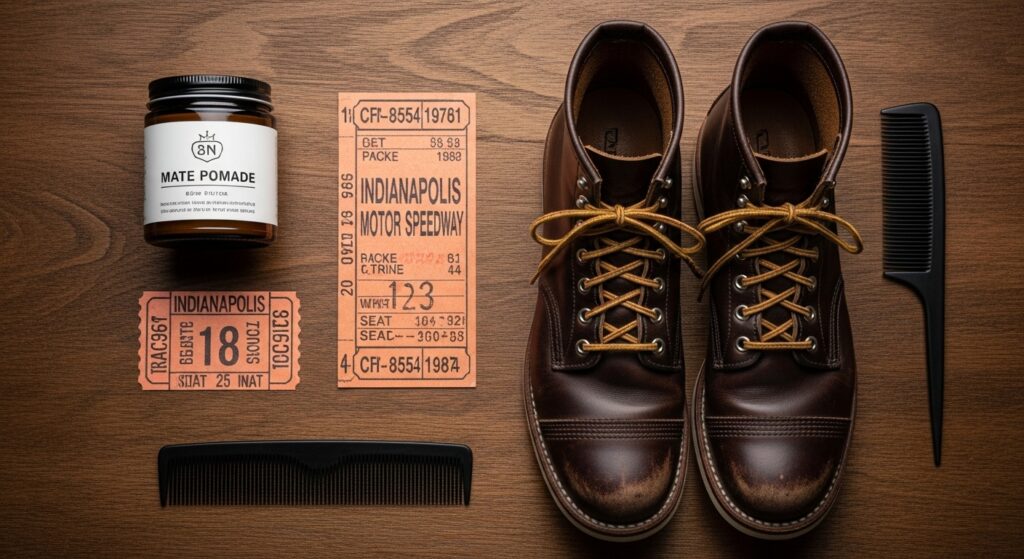
Ultimately, the Indianapolis Bob transcends grooming. It is a cultural artifact. It’s the cut you see on long-time season ticket holders at Lucas Oil Stadium, on mechanics who can rebuild a transmission, on small business owners who shake hands on a deal. It represents a certain Midwest masculinity: capable, dependable, community-oriented, and quietly proud.
In an era of constant self-reinvention, the Bob is a reminder that some things don’t need to be reinvented, just respected and maintained. It’s a connection to a lineage of men who built their lives with their hands and their character, and whose style was an extension of that honest work.
So, the next time you’re in Indianapolis, or anywhere in the Heartland, look around. You’ll spot the Bob. It’s not the loudest haircut in the room, but it might just be the most confident. It’s a tradition, one clean, squared-off line at a time.