
The Laredo Shag: Border Town Style
The landscape of American style is dotted with regional haircuts that tell a story far deeper than mere fashion. From the Bostonian fade to the surfer’s shag of California, these styles are cultural markers. Nestled along the winding Rio Grande, the city of Laredo, Texas, has given birth to one of the most distinctive and enduring of these regional cuts: The Laredo Shag. More than just a haircut, the Shag is a sartorial signature, a badge of identity forged in the unique crucible of border life. It’s where American barbering tradition meets Mexican vanidad (vanity), resulting in a look that is impeccably groomed, defiantly bold, and dripping with a character all its own.
Roots on the Rio Grande: The Origins of the Shag
The exact origins of the Laredo Shag are, like many folk styles, a bit fuzzy, rooted in oral history rather than fashion magazines. Most style historians and local barbers trace its popularization to the 1970s and 1980s. This was an era of bold style statements, from the pompadours of rockabilly to the long locks of rock ‘n’ roll. In Laredo, a city with deep Mexican-American roots, the influence of norteño culture was strong. Mexican musical groups, particularly conjunto and norteño bands, often sported voluminous, well-defined hairstyles.
The Shag emerged as a localized, more refined evolution of these influences. It combined the clean, sharp lines of a classic American taper with the height, volume, and dramatic contrast favored in Mexican styling. It was a cut for young, stylish men—los chucos and los paistos—who wanted to look sharp for a night out at the dance hall, a family quinceañera, or just walking the downtown plazas. It spoke to a bicultural reality: a professional, American-style sides-and-back, crowned with a statement of Latin flair on top.

Anatomy of a Borderland Classic: Defining the Shag Cut
So, what exactly makes a Laredo Shag? It’s a precise formula, known by heart by every barber worth his salt in South Texas. The cut is characterized by several key, non-negotiable elements that distinguish it from a regular medium-length taper or a modern pompadour.
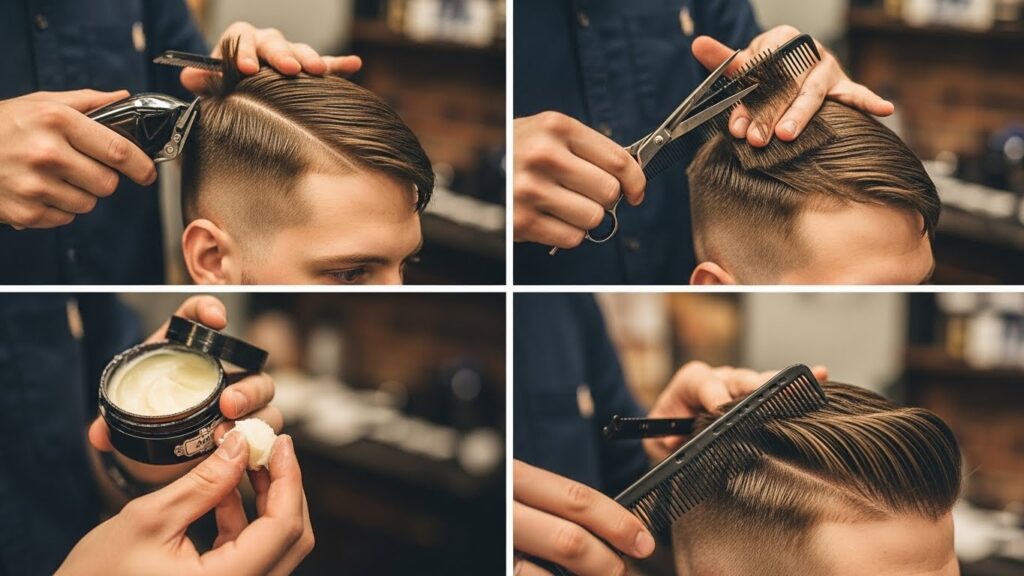
The Foundation: The Taper. Everything begins with a perfectly executed taper on the sides and back. This isn’t a fade that blends to skin; it’s a gradual shortening of length from top to bottom, often kept relatively tight and clean. The hairline is typically edged up with razor-sharp precision, a hallmark of expert barbering.
The Crown: Volume and Length. The top is left significantly longer than the sides—often 4 to 6 inches or more. This hair is the canvas for the style’s drama. It is layered and textured to remove weight, allowing it to achieve maximum height and movement. The crown is the focal point, meant to be seen from across the room.
The Signature: Dramatic Side Part and Pomade. The Shag is almost always styled with a deep, hard side part, carved with a fine-tooth comb. The long top hair is then swept over and back, creating a towering, flowing wave. This is where product is crucial. High-hold, high-shine pomades or gels are used religiously to lock the style in place, defying the South Texas wind and humidity. The result is a striking contrast between the disciplined sides and the voluminous, glossy top.
More Than Hair: The Shag as Cultural Identity
In Laredo and surrounding communities like Zapata, Rio Grande City, and even extending to San Antonio, the Shag transcended trend status to become a marker of regional and cultural pride. It wasn’t just a young man’s fancy; it was worn by professionals, businessmen, and fathers. It signaled that you were from the border, that you understood a particular code of presentation where being well-groomed was a sign of respect—for yourself and for others.
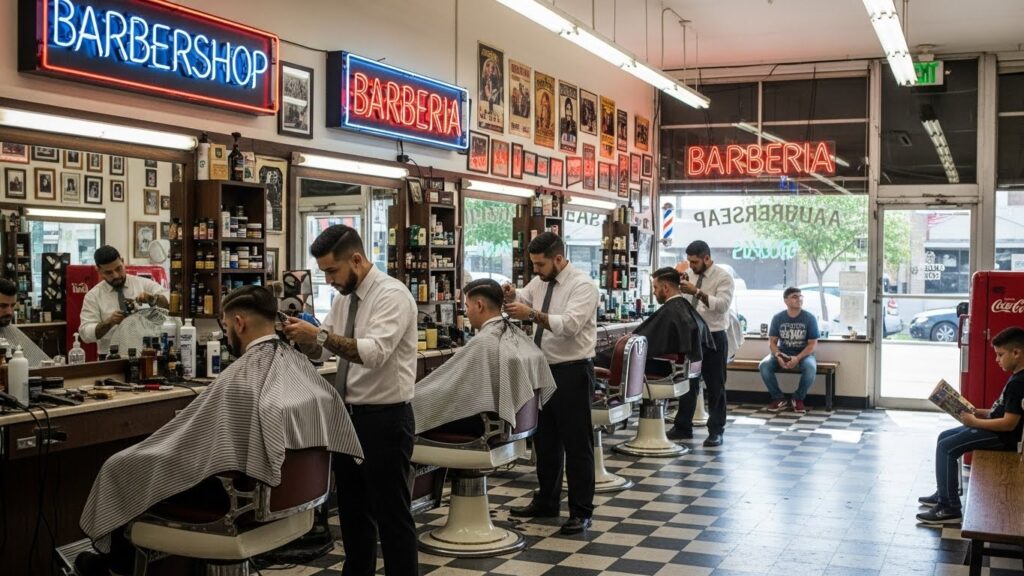
The barbershop itself became, and remains, the epicenter of this culture. These are spaces of community, conversation, and tradition. Learning to cut a proper Shag is a rite of passage for a barber, often passed down through apprenticeship. The cut is a point of connection, a shared aesthetic language that reinforces a unique, blended identity. In a region constantly navigating dual cultures, the Shag is a physical manifestation of that synthesis: it is both/and, not either/or.

The Modern Shag: Evolution and Endurance
Fashion is cyclical, and regional styles are no exception. While the classic, high-volume Shag of the 80s and 90s remains the purest form, the cut has evolved. Today, you might see a “Low Shag” or a “Business Shag”—versions with slightly less extreme height and a more natural matte finish, adapting to contemporary office environments while retaining the distinctive shape and part.
The rise of social media and global interest in niche subcultures has also brought the Laredo Shag to a wider audience. Style enthusiasts and barbers from across the country now study its technique. Yet, at its heart, it remains a borderland phenomenon. It’s a cut that looks most at home under the South Texas sun, most authentic when maintained by a barber who knows its history.
Its endurance is a testament to its power as a symbol. In an era of homogenized global fashion, the Laredo Shag stands out as unapologetically specific. It refuses to blend in, much like the culture that created it.

Finding and Asking for the Authentic Laredo Shag
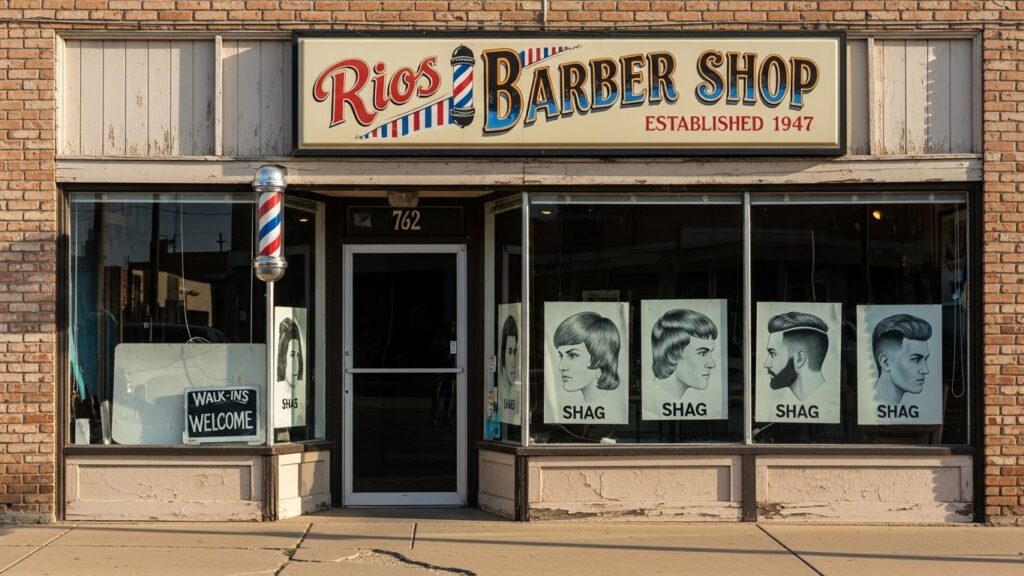
If you find yourself inspired to get a true Laredo Shag, location is your first clue. The best place to get one is, unsurprisingly, in Laredo or the surrounding South Texas region. Look for established, traditional barbershops—the kind with family names on the sign and decades of history.
Walking in and asking for a “Laredo Shag” will immediately signal you know what you’re talking about. Be prepared to describe the elements: a tight taper on the sides and back, leaving significant length and volume on top, styled with a hard part and plenty of hold. Communication with your barber is key, as the exact proportions can be adjusted for your hair type and face shape. Trust their expertise; they are the keepers of this tradition.
A Testament to Borderland Brilliance
The Laredo Shag is far more than a relic of past decades. It is a living, breathing art form—a hairstyle as a historical document. It tells a story of cultural exchange, regional pride, and the timeless human desire to craft an identity that is both personal and communal. In its precise lines and defiant volume, we see the story of Laredo itself: rooted, resilient, and remarkably stylish.
It stands as a powerful reminder that the most influential styles aren’t always launched from fashion capitals; sometimes, they rise from the heat of the border, shaped by skilled hands in community spaces, and worn with a pride that transcends generations. The Laredo Shag isn’t just a way to wear your hair; it’s a way to wear your heritage on your head.