The Laredo Shag: South Texas Border
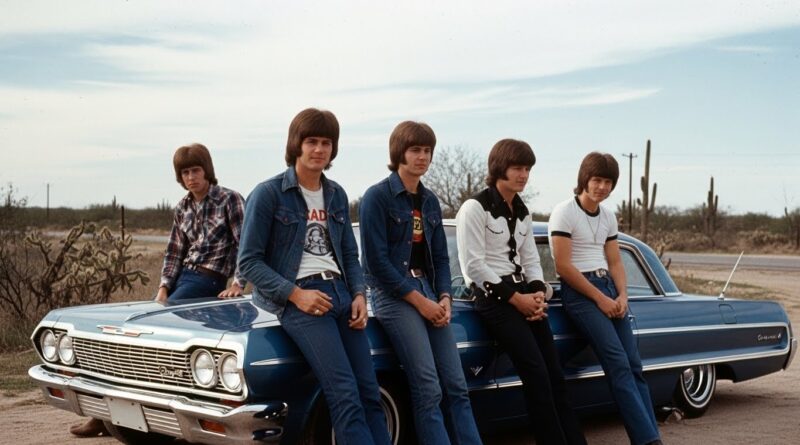
Along the sun-baked banks of the Rio Grande, where cultures blend as seamlessly as languages, a unique aesthetic identity pulses through the streets of Laredo. It’s a city defined by its cross-border vitality, its conjunto music, and a distinct, defiant sense of cool. And for decades, one hairstyle stood as the unofficial emblem of this attitude: the Laredo Shag. More than just a haircut, the Shag was a cultural statement, a rite of passage, and a meticulously crafted symbol of borderland pride. This is the story of how a hairstyle became woven into the very fabric of South Texas identity.
Roots on the Rio: Where the Shag Was Born
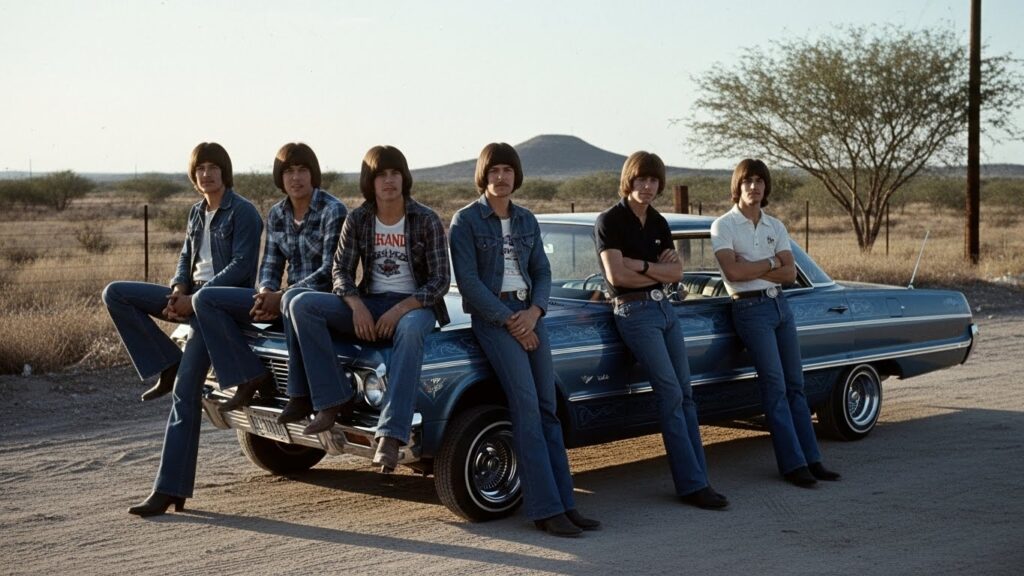
The origins of the Laredo Shag are as organic as the community that created it. Emerging in the late 1960s and solidifying its iconic status throughout the 1970s and 80s, the Shag didn’t arrive from fashion magazines in New York or Los Angeles. It was born in the barber shops and salons of Laredo and other South Texas border towns. Stylists, attuned to the desires of their young clientele, began adapting the broader “shag” trend—popularized by figures like Rod Stewart—to suit a different climate and a unique cultural sensibility.
This was not mere imitation; it was reinterpretation. The border Shag became longer, more pronounced, and far more precise. It evolved to reflect the cholo and pachuco influences flowing north and the rock-and-roll rebellion flowing south, meeting and merging in Laredo. It became a hairstyle for young men and women who navigated two worlds daily, expressing a bicultural confidence that was entirely their own. The barber became an artist, and the chair, a throne where identity was shaped, literally from the top down.
Anatomy of an Icon: Defining the Laredo Shag Cut
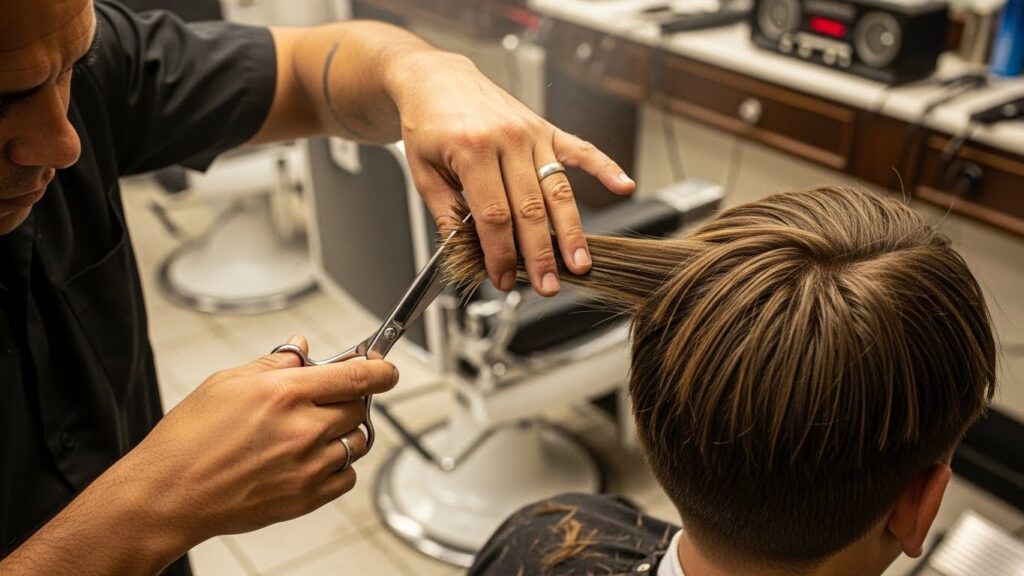
So, what exactly defines a true Laredo Shag? It’s a study in controlled contrast. The cut is built on a foundation of short back and sides, often tapered or faded, providing a clean, sharp frame. The dramatic focus is entirely on the top and front. Here, the hair is left significantly longer, layered and textured to create volume and movement.
The most critical element, the non-negotiable signature, is the heavy, often straight-across bangs that fall over the forehead. These weren’t wispy or piecey; they were a solid, deliberate curtain of hair, sometimes grazing the eyebrows. This “cortina” (curtain) was the Shag’s calling card. The overall silhouette was boxy and full on top, flowing seamlessly into the short sides. It required a specific hair type—naturally straight or slightly wavy thick hair worked best—and an even more specific dedication to maintenance. This was a high-commitment style, demanding frequent trims and a reliable arsenal of hairspray, gels, and pomades to keep its defiant shape against the South Texas wind.

More Than Hair: The Shag as Cultural Badge
To dismiss the Laredo Shag as mere fashion is to miss its profound social significance. In a region where young Mexican-Americans were crafting an identity distinct from both their parents’ homeland and the mainstream American culture, the Shag became a powerful visual badge. It was worn by pachucos, lowrider car club members, musicians, and students. It signaled belonging to a specific place and a specific generation.
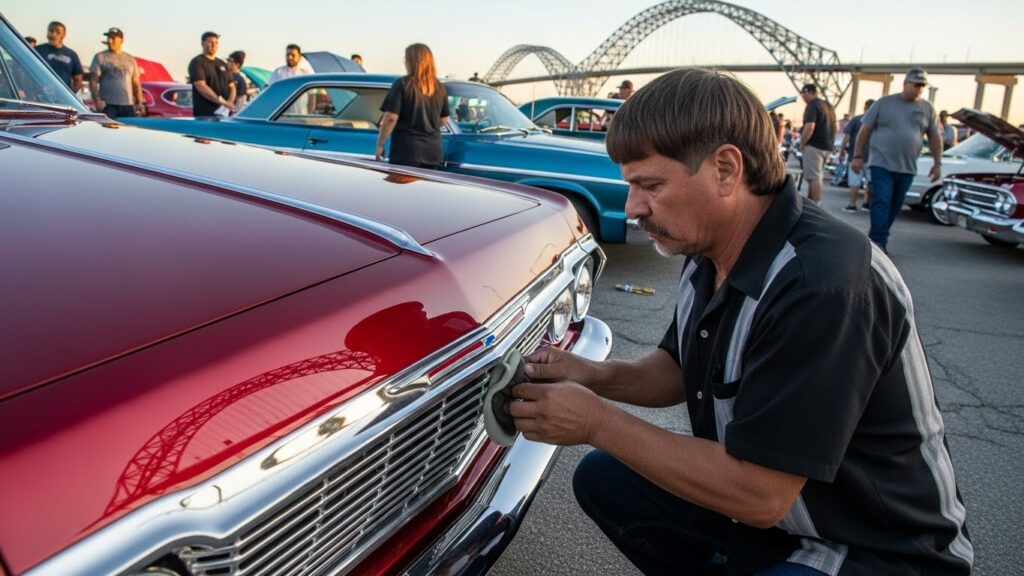
The Shag was about pride and presence. In the face of stereotypes and marginalization, it was an assertion of a cool, sophisticated, and unified identity. It said, “We are from the border, and we have our own style.” This was especially potent in the context of lowrider culture, where customization and meticulous detail were paramount. The car and the haircut were two parts of the same philosophy: take something existing, refine it to an extreme level of personal and cultural perfection, and present it with undeniable swagger. The Shag was the lowrider ethos, translated to the human form.
Echoes in Modern Culture and Legacy
The peak of the Shag’s ubiquity may have passed, but its influence never faded. It experienced revivals in the 1990s and again in the 2010s, often filtered through the lens of hip-hop and Chicano nostalgia. More importantly, it laid the groundwork for the enduring popularity of textured, voluminous cuts with blunt bangs in Latino communities across the Southwest. You can see its DNA in the “South Texas Pompadour” and in the meticulously styled looks of modern Tejano musicians.
Today, the Laredo Shag is treated with a mix of reverence and humor by those who lived through its heyday. It is a staple of family photo albums and a subject of affectionate nostalgia. For a newer generation, it’s a symbol of a specific time and place, often discovered through parents’ stories or vintage photographs. Yet, in some classic Laredo barbershops, you can still request a “Shag Laredense,” and a master barber will know exactly what to do, preserving the technique like a culinary recipe passed down through generations.

Where to Find the Spirit of the Shag Today
The true spirit of the Laredo Shag lives on, not necessarily in every haircut you see on the street, but in the cultural continuity of the border. You can find it in the precision of a lowrider’s hydraulic dance, in the sharp style of a conjunto band, and in the unwavering commitment to a community-defined aesthetic. It’s in the barbershops that have served families for 40 years and in the pride with which Laredoans tell the story of their city.
To understand the Laredo Shag is to understand something fundamental about the South Texas border: it is a place of synthesis and self-invention. It takes elements from multiple worlds and fuses them into something entirely new, something that couldn’t exist anywhere else. The Shag was, and remains, a perfect metaphor for this process—a style imported, adapted, perfected, and ultimately claimed as an undeniable symbol of home. It stands as a testament to the fact that sometimes, the most powerful declarations of identity don’t come from words, but from the way you carry yourself, from the chrome on your car, and yes, from the perfect, gravity-defying flow of your hair in the hot Texas breeze.