The Laredo Shag: South Texas Border
In the vast landscape of American regional style, few looks carry the weight of place and identity quite like the Laredo Shag. More than just a haircut, it is a cultural artifact, a statement of belonging, and a testament to the unique fusion that defines life along the Rio Grande. Born in the barbershops and bustling streets of Laredo, Texas, in the late 1960s and 1970s, this distinctive hairstyle became the unofficial uniform for a generation of young Chicano men. It spoke of rock ‘n’ roll rebellion, meticulous grooming, and a proud, border-town swagger. To understand the Laredo Shag is to peer into the soul of South Texas border culture, where influences from Mexico, the American South, and the global youth movement collided to create something entirely its own.
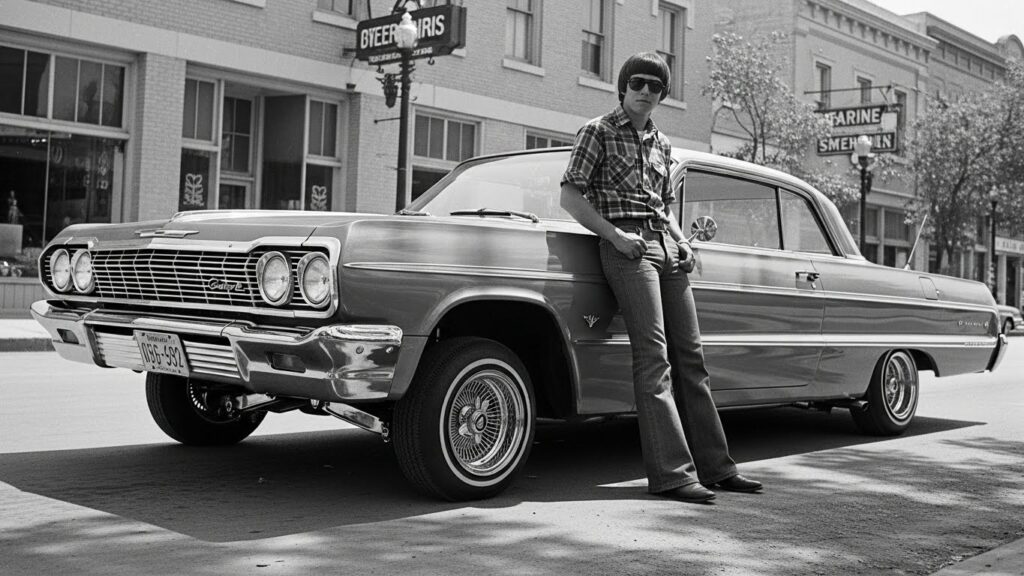
Roots in the Concrete: The Birth of a Borderland Style
The Laredo Shag didn’t emerge from a fashion magazine or a Hollywood studio. It was cultivated in the real world of South Texas. Its origins are a blend of practicality and panache. On one hand, you had the longer hairstyles of the counterculture movement—the British Invasion mop-tops and the California surf shag—filtering down through radio waves and television screens. On the other, you had the existing Chicano style sensibilities, which valued a clean, sharp, and well-maintained appearance. The Laredo Shag was the perfect compromise.
It allowed young men to embrace the longer hair trend without fully adopting the disheveled “hippie” look that was often frowned upon in more traditional communities. The cut was intentionally sculpted, not grown out. It featured longer hair on top, often brushed back or to the side with a slight wave, while the back and sides were tapered short and clean around the ears and neck. This kept it neat for work or school but provided enough length to show off a careful pomade-assisted style. It was rebellion, but rebellion with a comb and a sense of respect.
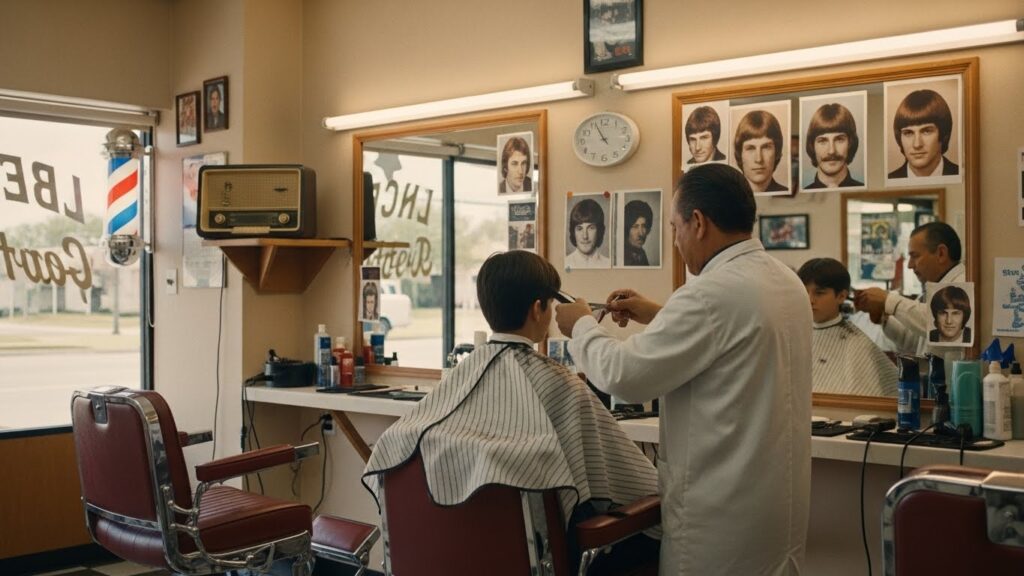
Anatomy of the Shag: More Than Just Hair
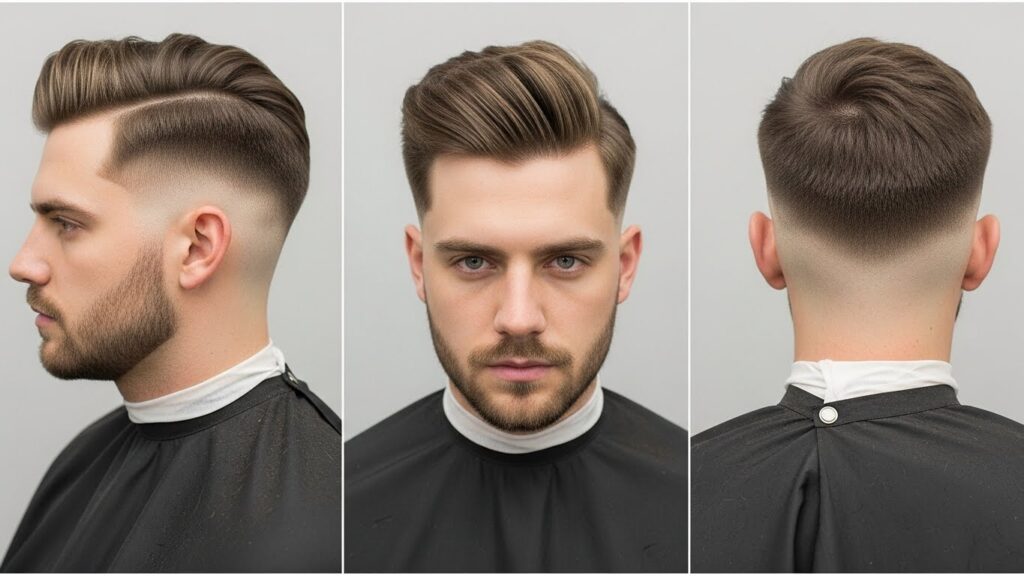
So, what exactly defines a true Laredo Shag? It’s in the specific details that the style claims its identity. The hallmark is the pronounced contrast between the top and the sides. The hair on the crown and front is left significantly longer, often 3 to 4 inches, allowing for volume and styling. This top section was never spiky or messy; it was meant to be sleek, often with a side part that was razor-sharp.
The back and sides were “white-walled” or “tapered,” cut very short with clippers, creating a clean, defined line around the head. The sideburns were a crucial element—usually worn long and thick, extending down to the middle of the ear, sometimes even further. They were a bold, masculine frame for the face. The entire style required a ton of product. High-hold pomades, like Tres Flores or Brilliantine, were essential to keep every strand in place against the relentless South Texas wind and humidity. The final look was one of controlled cool, a perfect blend of rugged and refined.
A Cultural Badge: Identity, Community, and Rebellion
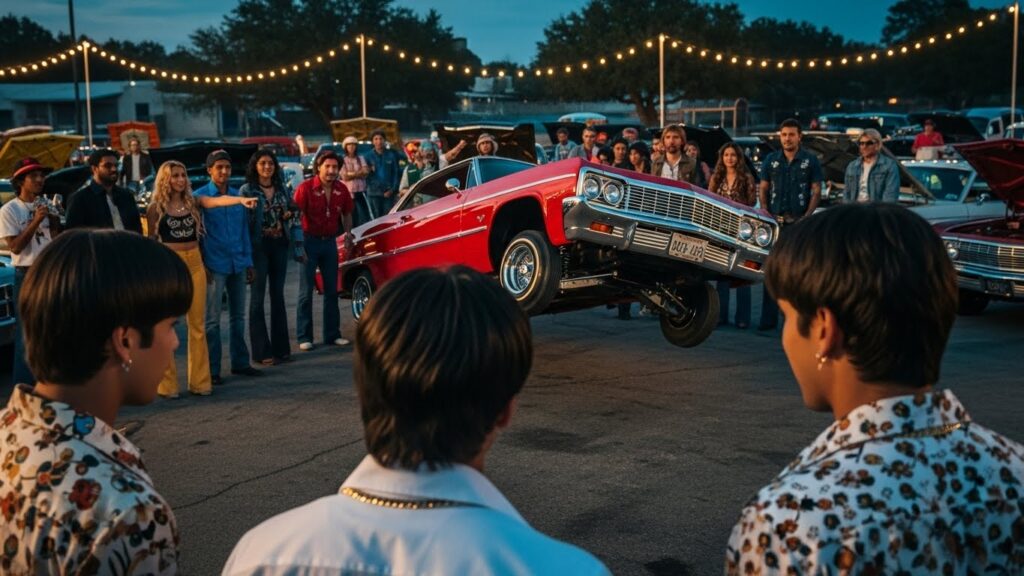
The Laredo Shag transcended aesthetics to become a powerful marker of identity. In an era where Mexican-American youth were navigating their place in a bicultural world, the shag was a way to assert a unique, modern identity. It was neither fully “American” nor fully “Mexican,” but distinctly Borderland. It was worn by lowrider car club members, by musicians in Tejano bands beginning to incorporate rock sounds, and by young men on both sides of the international bridge.
It represented a connection to the wider rock ‘n’ roll youth culture while remaining rooted in the local community’s values of pride and presentation. The barbershop where you got your cut was a social hub, a place of gossip, news, and camaraderie. Having a fresh, well-executed Laredo Shag signaled that you were part of the in-crowd, that you understood the codes of style and respect that governed the streets. It was, in its own way, a silent language of belonging.
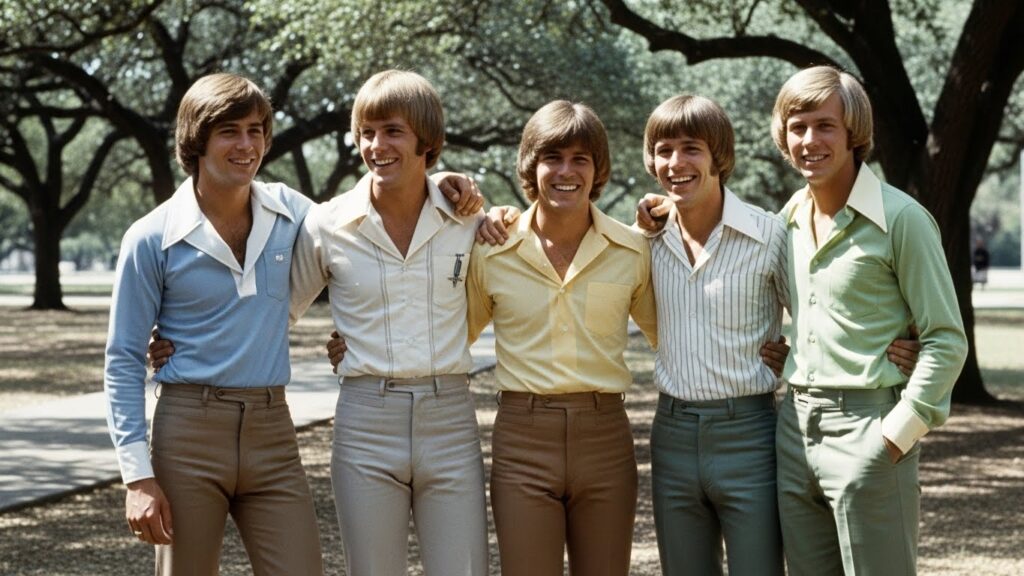
The Shag in the Wild: Music, Cars, and Everyday Life
The natural habitat of the Laredo Shag was the vibrant street life of South Texas. You would see it at the drive-in theater, at the dance hall where conjuntos played, and most famously, at the lowrider car shows. The connection between the lowrider and the shag is profound. Both represented a philosophy of taking something standard and customizing it with incredible care and artistry into a personal statement. The sleek, waxed, and detailed finish of a lowrider Chevrolet mirrored the sleek, pomaded, and detailed finish of the haircut. They were complementary expressions of the same cultural ethos.
Music scenes also propelled the style. As Tejano music evolved, artists like Little Joe and Sunny Ozuna sported the look, blending traditional Mexican sounds with soul and rock influences. The shag was the visual representation of this new, hybrid sound. In everyday life, the cut was versatile—acceptable for a job at the local department store but still cool enough for a Saturday night out chasing *chicas* at the plaza. It was the ultimate in functional flair.
Legacy and Revival: The Shag in the 21st Century
Like all iconic styles, the Laredo Shag’s prominence ebbed with the changing decades. The 1980s brought in different trends—hi-top fades, mullets, and a move away from the heavily greased look. For a time, the classic shag risked being remembered only in family photo albums and old yearbooks. However, true style never completely dies; it waits for rediscovery.
In recent years, there has been a notable revival of interest in the Laredo Shag. This resurgence is driven by a few key factors: a broader nostalgia for vintage styles, the popularity of shows like Vida and Gentefied that explore modern Chicano life, and a generation seeking to reconnect with its cultural roots. Modern barbers, armed with Instagram and YouTube, are reinterpreting the cut for today, often using matte pastes instead of heavy pomades for a more natural finish while respecting the original silhouette. It’s no longer just a South Texas secret; it’s a recognized icon of American subcultural style, studied and appreciated by fashion historians and worn by style-conscious men looking for something with history and heart.

More Than a Haircut: A Testament to Place
Ultimately, the story of the Laredo Shag is the story of the border itself—a story of synthesis, adaptation, and proud self-definition. It is a hairstyle that could only have come from a specific time and place: the hot, dynamic, and culturally rich nexus of Laredo and South Texas. It embodies the ingenuity of a community that takes global influences and remakes them into something locally meaningful and powerful.
To see a Laredo Shag, whether in a faded Polaroid or on a young man walking down Guerrero Street today, is to witness a living piece of history. It’s a flag planted in the ground that says, “We are here, and we have our own kind of cool.” It reminds us that style at its best is never just about appearance; it’s about identity, resilience, and the enduring desire to carve out a look that is unmistakably, authentically your own.