The Little Rock Shag: Arkansas Capital Contemporary
When you think of American dance hubs, cities like New York, Los Angeles, or Chicago might spring to mind. But nestled in the heart of the South, Little Rock, Arkansas, has been quietly cultivating a dynamic and distinctive dance culture of its own. Forget any preconceived notions of slow-paced tradition; here, in the capital’s vibrant clubs, community centers, and cultural gatherings, a rhythm pulses that is uniquely its own. This is the world of the Little Rock Shag—a contemporary, energetic partner dance that embodies the city’s spirit: rooted, resilient, and refreshingly modern.
Roots and Rhythm: Where Did the Little Rock Shag Come From?
To understand the Little Rock Shag, one must first acknowledge its namesake: the broader family of shag dances. Originating in the African American communities of the Carolinas in the 1920s and 30s, traditional shag is a smooth, sophisticated partner dance often performed to jazz and beach music. It traveled, evolved, and took on regional flavors. In Arkansas, the dance found a new home and began to absorb different influences.
The contemporary Little Rock Shag didn’t appear overnight. It is the product of a cultural simmer that took place in the late 20th and early 21st centuries. Local dancers, steeped in the basics of Carolina Shag and East Coast Swing, began to crave a style that matched the music they were listening to on the radio—the smoother, slower tempos of 90s and 2000s R&B, neo-soul, and even certain hip-hop tracks. The classic six-count patterns of swing felt too rigid for the flowing melodies of artists like Alicia Keys, Luther Vandross, or John Legend.
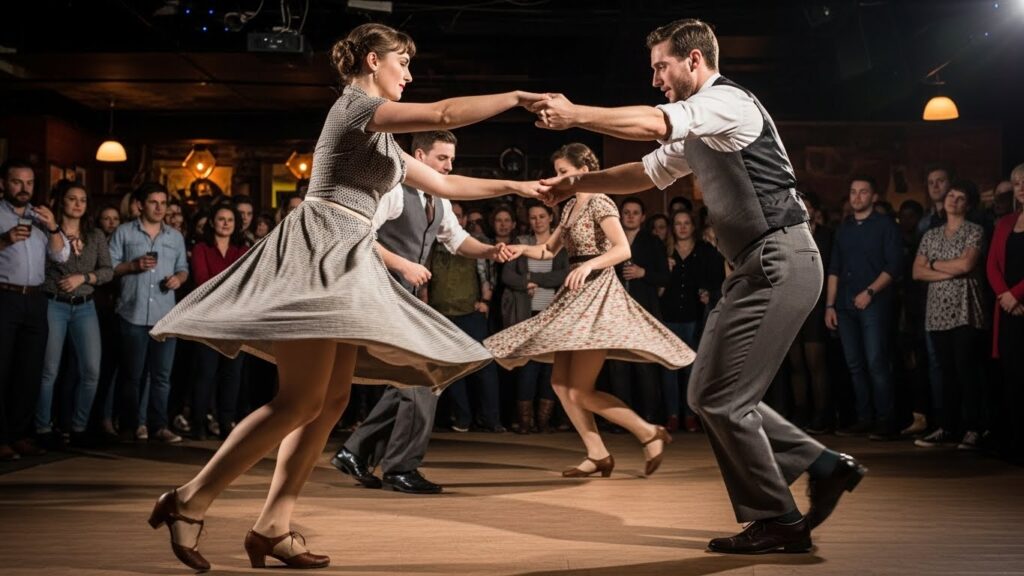
Thus, through organic innovation in local spots, a new adaptation was born. Dancers slowed things down, emphasized body rolls and hip motion, and incorporated more open-position moves and stylish turns that allowed for greater individual expression while maintaining a strong partner connection. It became less about frantic kicks and more about smooth, grounded, and deeply rhythmic movement.

The Signature Style: What Defines the Little Rock Shag?
So, what does the Little Rock Shag look and feel like on the dance floor? It possesses several key characteristics that set it apart from its ancestral forms.
First, the music. While traditional shag is tied to “beach music” (a specific genre of uptempo R&B), the Little Rock Shag is defined by its versatility with slower contemporary R&B, soul, and pop ballads. The tempo is crucial—it’s danced to songs in the 60-100 beats per minute range, creating a sultry, connected, and musical experience.
Second, the posture and pulse. Dancers maintain a relaxed but upright posture, with a slight lean away from each other to create tension in the connection. The movement originates from a downward pulse, a gentle knee bend on the beats that gives the dance its signature grounded, bouncy feel. This pulse is subtle but constant, serving as the engine for all the turns and patterns.
Third, the footwork and flow. The basic step is a rhythmic, triple-step pattern (step, step, triple-step) done in a slot, similar to swing, but executed with a slower, more deliberate weight transfer. The magic, however, is in the improvisational turns and wraps. Dancers utilize continuous hand connections to lead and follow intricate turns, underarm passes, and “wraps” where one partner’s arm elegantly wraps around their own body or their partner’s. The style emphasizes smoothness over speed, connection over acrobatics.
More Than a Dance: The Community and Culture
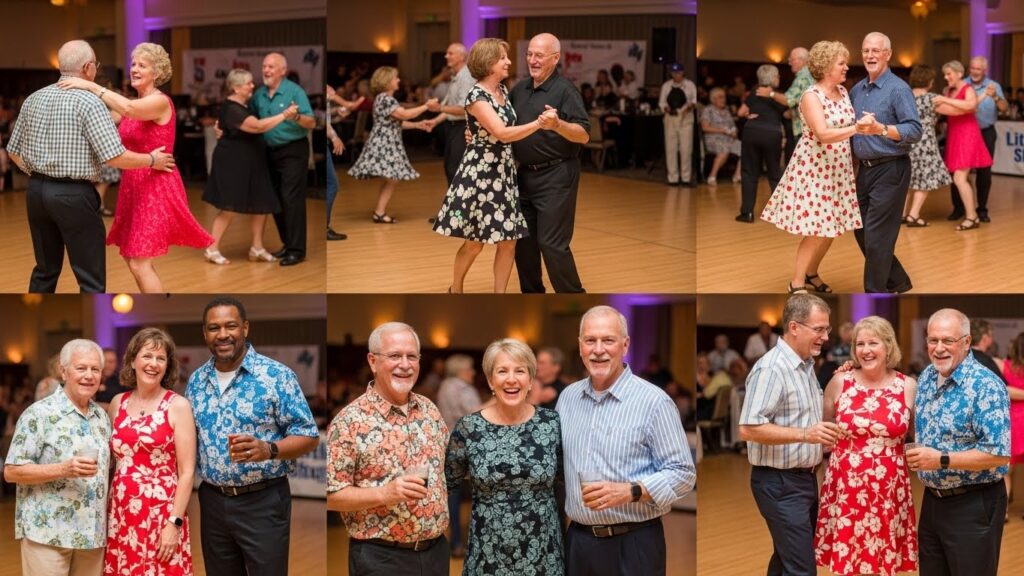
The Little Rock Shag is not merely a pastime; it is the heartbeat of a tight-knit and welcoming community. In a world that can often feel disconnected, the shag scene in Little Rock offers a tangible sense of belonging. Weekly dances are held at dedicated venues and social clubs, where beginners are enthusiastically integrated. Experienced dancers often take time to offer impromptu lessons before the social dancing begins, embodying a “each one, teach one” philosophy.
This community transcends age, profession, and background. On any given night, you might see college students dancing next to retirees, all united by the shared rhythm. The atmosphere is one of joyful inclusivity. There’s a focus on social dancing—connecting with different partners throughout the night—which fosters a friendly, non-pretentious environment. It’s less about performance and more about participation, conversation, and shared enjoyment.
Furthermore, the dance has become a point of local pride. It represents a modern, creative identity for the city, countering outdated stereotypes. Events and workshops attract visitors from neighboring states, contributing to cultural tourism. The Little Rock Shag demonstrates how a local art form can strengthen community bonds and project a city’s unique cultural voice.
Learning the Steps: How to Get Started
Inspired to try it for yourself? The good news is that the Little Rock Shag community is exceptionally welcoming to newcomers. You do not need a dance background to start; you only need a willingness to learn and have fun.
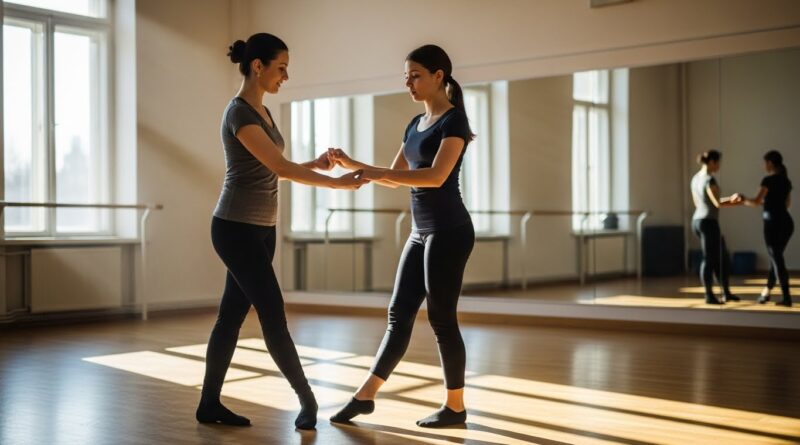
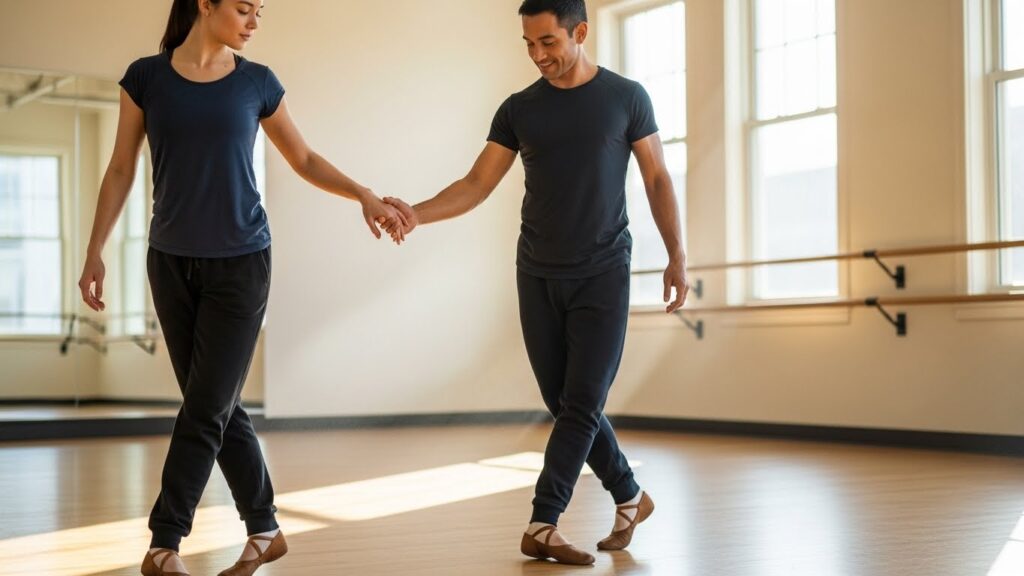
Your first stop should be to seek out a beginner series class. Local dance studios and community organizations in Little Rock regularly offer introductory courses that teach the fundamental pulse, basic step, and a few simple turns. These classes usually run for a few weeks and culminate in a social dance. Many instructors emphasize lead-and-follow connection principles, making the dance accessible even if you’ve never partnered before.
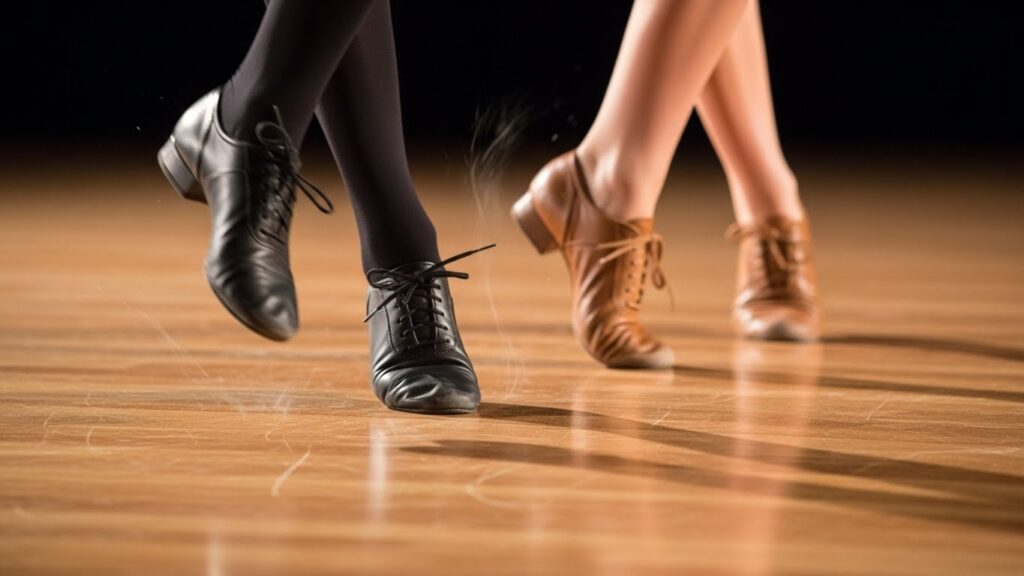
When attending your first social dance, remember the community’s ethos: be brave, ask someone to dance, and don’t fear mistakes. It’s perfectly acceptable to say, “I’m just learning!”—your partner will almost certainly be supportive. Wear comfortable shoes that allow you to pivot on the ball of your foot (leather soles are great, but clean sneakers will work). Focus on listening to the music, feeling the pulse, and maintaining a gentle, communicative connection with your partner’s hands.
The Future Beat: The Little Rock Shag’s Growing Influence
Today, the Little Rock Shag is stepping confidently into the future. Its influence is spreading beyond the city limits through workshops, viral social media clips, and dancers who have moved away but taken the style with them. It represents a successful model of cultural adaptation and preservation—honoring its roots while fearlessly evolving to stay relevant and exciting.
New generations of dancers are adding their own flourishes, experimenting with fusions with other street styles, and introducing the dance to even broader musical playlists. Yet, at its core, the essence remains: connection, rhythm, and joy. The Little Rock Shag stands as a testament to the idea that vibrant cultural expressions can bloom anywhere, fueled by community passion and a great beat.
So, the next time you find yourself in Arkansas’s capital, look beyond the historical landmarks. Seek out the pulse of the city in its dance halls. You might just find yourself swept up in the smooth, contemporary groove of the Little Rock Shag—a dance that perfectly captures the soul of a city moving gracefully to its own modern rhythm.