The Lob-tailed Cut: Short in Front, Longer in Back
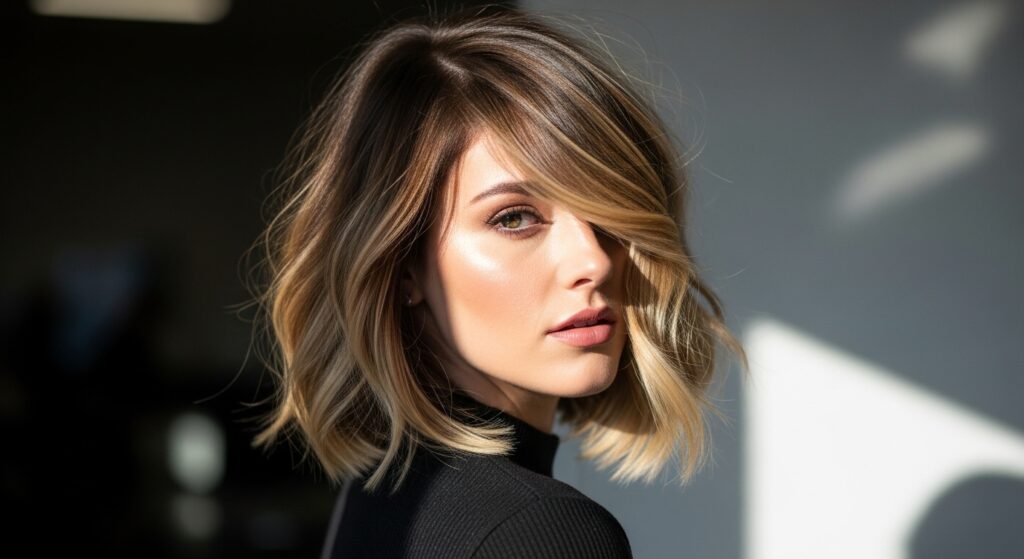
Have you ever scrolled through your social media feed and paused at a hairstyle that was both effortlessly cool and intriguingly different? A cut where the hair seems to cascade like a waterfall from short, face-framing pieces in the front to a longer, more substantial length in the back. This isn’t a trick of the camera or a styling fluke—it’s the deliberate, artful magic of the lob-tailed cut. Blending the edgy spirit of an asymmetrical bob with the soft, lived-in feel of a shag, this cut is making waves for its unique silhouette and undeniable versatility. It’s more than just a haircut; it’s a statement of dynamic texture and modern shape.
What Exactly is a Lob-tailed Cut?
At its core, the lob-tailed cut is a long bob (or “lob”) with a pronounced textural and length difference between the front and back sections. Imagine taking a classic, blunt lob and then strategically cutting the hair around your face—from the cheeks or jawline down—significantly shorter. These front sections are often heavily layered, textured, or feathered. Meanwhile, the hair at the crown and the nape of the neck remains longer, creating a “tail” of sorts. The transition isn’t necessarily a harsh line, but a beautifully blended graduation that creates incredible volume and swing.
It’s crucial to distinguish this cut from a simple asymmetrical bob, where one side is longer than the other. In a lob-tail, the asymmetry is front-to-back, not side-to-side. It also differs from a traditional mullet (business in the front, party in the back) by being more refined, layered, and intentionally styled for a fashion-forward, rather than retro-revival, aesthetic.

A Nod to the Past: The Cut’s Retro Inspiration
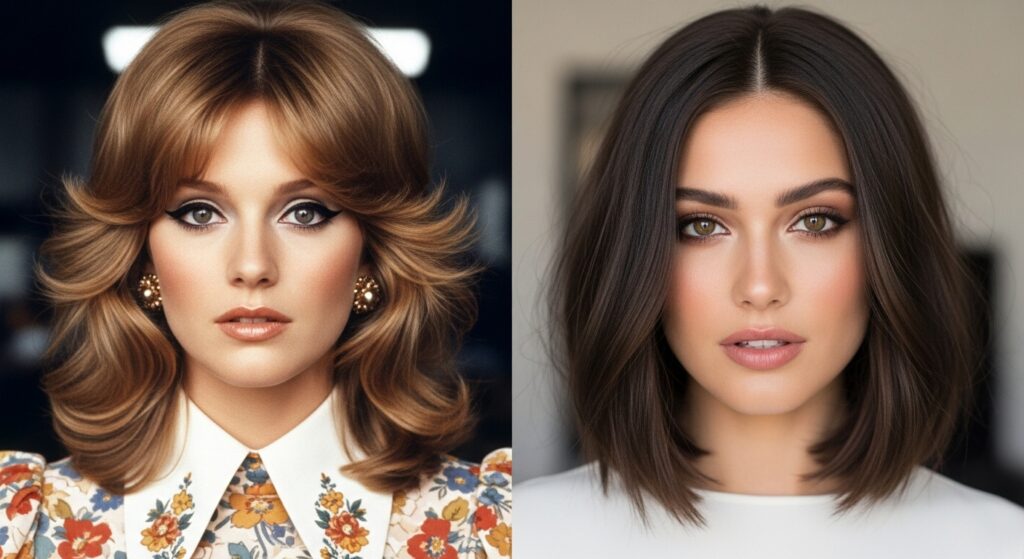
While it feels utterly contemporary, the lob-tailed cut whispers of iconic styles from decades past. Its DNA can be traced to the feathered shags and layered cuts of the 1970s, popularized by stars like Jane Fonda and Farrah Fawcett. Those styles were all about volume, movement, and framing the face with wispy, dynamic layers. The modern lob-tail takes that foundational concept and refines it with more precise weight distribution and often a smoother overall finish, making it suitable for both straight and curly hair textures.
It also draws inspiration from the undercut phenomenon of more recent years—the idea of having a hidden, shorter section for contrast and ease. The lob-tail makes this contrast a visible, celebrated feature of the design, but in a softer, more wearable way. It’s a perfect example of how beauty trends cycle back, reimagined for a new generation.
Why Choose a Lob-tailed Cut? The Benefits
This isn’t just a haircut for the sake of trendiness. The lob-tail offers a suite of practical and aesthetic advantages that make it a compelling choice for many.
Unmatched Volume and Movement: The layered structure naturally removes weight from the front and crown, encouraging the hair to lift at the roots. Every turn of the head creates a sense of motion, making the hair look alive and full of body.
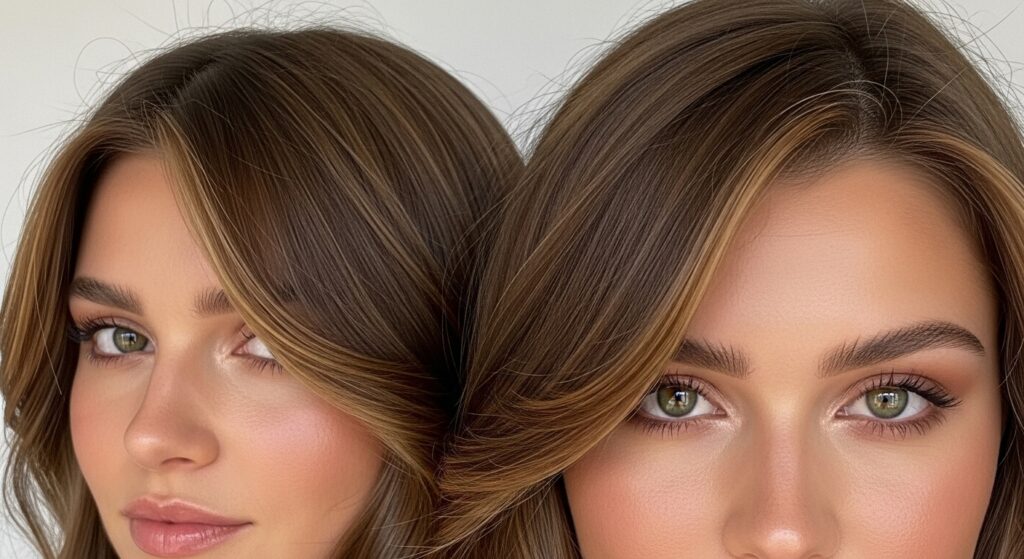
Perfect Face Framing: The shorter front pieces are a stylist’s secret weapon. They can be cut to accentuate cheekbones, soften a strong jawline, or draw attention to the eyes. It’s a built-in highlighting feature that doesn’t require a drop of color.
Low-Maintenance Styling: Contrary to how intricate it may look, the lob-tailed cut is famously easy to style. The texture and layers do most of the work. A quick blow-dry with a round brush, a pass with a curling iron to enhance the waves, or even a simple air-dry with some texturizing spray can yield a salon-worthy result. It’s designed to look better as it gets a little messy.
Works With Multiple Textures: From pin-straight to coily curls, this cut adapts beautifully. For straight hair, it creates chic, angular lines. On wavy or curly hair, it enhances the natural pattern, preventing the dreaded “triangle” shape by keeping weight off the ends.
Who Does the Lob-tailed Cut Suit Best?
The beauty of this cut lies in its adaptability. While it is universally flattering, it particularly shines for certain face shapes and hair types. Oval, heart, and square face shapes are especially complemented by the balancing act the cut performs. For those with round faces, longer front layers that hit below the chin can create a stunning slimming effect.
It’s also a fantastic option for individuals with fine or flat hair who crave volume, as the layers instantly create the illusion of thickness. Conversely, for those with very thick hair, it helps remove bulk in a strategic, stylish way without sacrificing length at the back. If you’re growing out a shorter bob or pixie, the lob-tail can be a brilliant and stylish transitional style, helping you manage awkward phase lengths with intention.

Bringing the Cut to Life: Consultation and Styling Tips
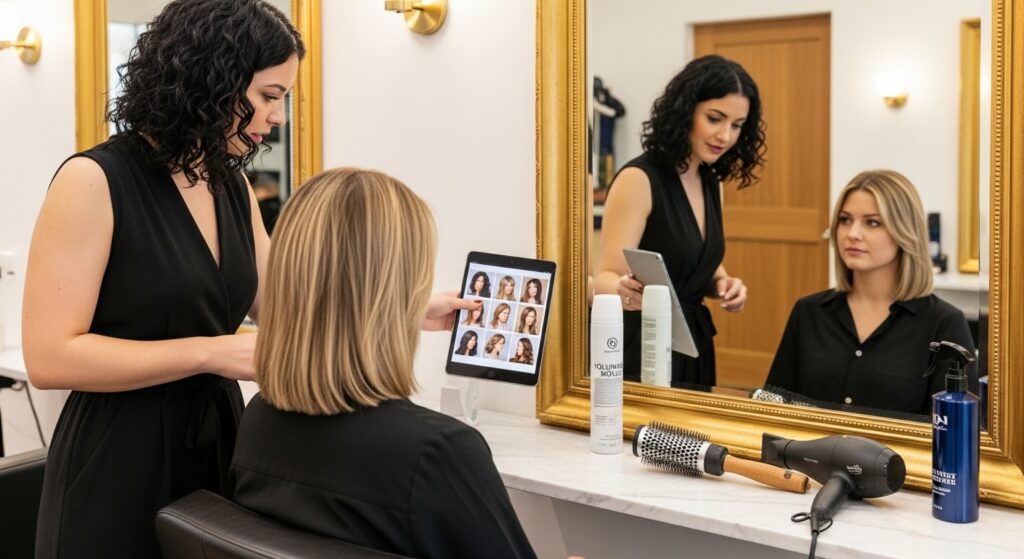
Communication with your stylist is key. Don’t just ask for a “lob-tailed cut.” Bring photos that show the length gradient you desire. Discuss how short you’re willing to go in the front. A good stylist will assess your hair’s texture, density, and natural fall to customize the cut so it grows out gracefully and suits your daily routine.
For styling, embrace texture. Use a volumizing mousse or root-lift spray on damp hair before blow-drying. A round brush is your best friend for bending the front layers outward or under for a soft flip. To enhance the separation and piecey-ness, a light-hold texturizing paste or sea salt spray worked through the ends is perfect. For a sleeker look, a flat iron can be used to smooth the longer back sections while leaving the front layers with a slight curve.
Embracing the Evolution: Growing Out Your Lob-tail
One of the most common concerns with any dramatic cut is the grow-out phase. The lob-tailed cut, fortunately, is designed to grow out relatively gracefully. As the front pieces lengthen, they simply integrate into the overall shape, eventually evolving into a more standard layered lob or shag. Regular trims every 10-12 weeks to maintain the health of the ends and reshape the layers will keep it looking intentional throughout the process. Many find they love the different stages as much as the original cut!
The lob-tailed cut is more than a passing fad. It’s a smart, stylish, and versatile approach to modern hair design. It offers a playful yet polished look, provides built-in volume and face-framing, and champions effortless texture. If you’re yearning for a change that feels fresh, dynamic, and a little bit daring, this “short in front, longer in back” masterpiece might just be the perfect canvas for your personal expression. So, gather your inspiration photos, book that salon appointment, and get ready to swing your new, show-stopping hair.