The Milwaukee Shag: Great Lakes Cool
When you think of American swing dancing, the frenetic energy of the Lindy Hop or the smooth sophistication of the Balboa might spring to mind. But nestled in the heart of the Midwest, along the shores of Lake Michigan, a uniquely cool regional style emerged from the factory floors and dance halls of the 1940s. This is the story of the Milwaukee Shag—a dance that embodies the pragmatic innovation, resilient spirit, and understated cool of the Great Lakes region. More than just a series of steps, it’s a cultural artifact, a testament to how communities create joy and connection even in the most industrial of landscapes.

Born on the Factory Floor: The Origins of a Regional Style
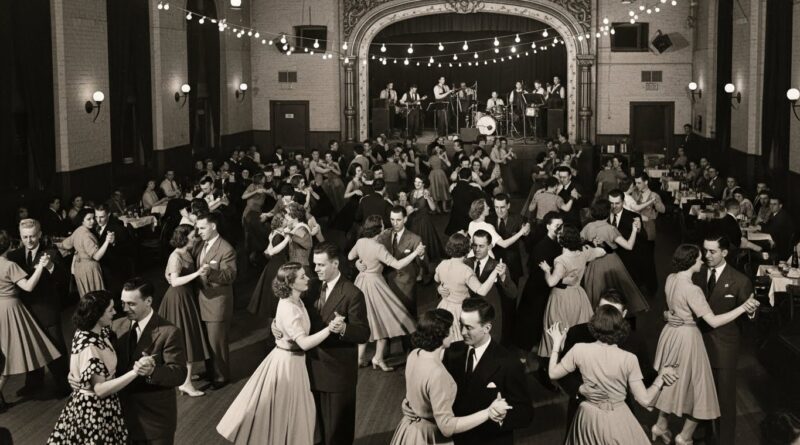
The Milwaukee Shag didn’t emerge from the ballrooms of New York or the clubs of Hollywood. Its birthplace was the working-class dance halls and union halls of Wisconsin’s largest city, during the swing era of the late 1930s and 1940s. Milwaukee was a powerhouse of industry—brewing, machining, and manufacturing—and its social dances reflected that environment. The dance floor was a release valve, a place for factory workers and their families to unwind to the sounds of big band jazz.
Unlike the expansive, athletic Lindy Hop, which required significant floor space and acrobatic prowess, the Milwaukee Shag was adapted to its surroundings. Crowded venues and smaller spaces demanded a dance that was compact, efficient, and less traveling. Dancers needed something they could do in their street clothes after a long shift, without needing a gymnasium. The result was a six-count, triple-step style that stayed largely in one spot, emphasizing quick, precise footwork, a relaxed but upright posture, and a subtle, rhythmic pulse that felt as steady as the machinery on the factory floor.

Anatomy of Cool: The Steps and Style of the Milwaukee Shag
So, what exactly makes the Milwaukee Shag distinct? At its core, it’s a six-count dance pattern, typically starting with a rock step back for the lead, followed by two triple steps (step-step-step). But the devil—and the delight—is in the details. The posture is upright and relatively relaxed, with partners holding a closed position, standing closer together than in many other swing styles. This creates an intimate, connected feel, perfect for both conversation and musical interpretation.
The footwork is where the “shag” name earns its keep. Dancers use a brushing motion with the feet during the triple steps, creating a distinctive, shuffling sound and look that is crisp and rhythmic rather than bouncy. The overall aesthetic is one of controlled energy. It’s cool, collected, and incredibly smooth. There’s a palpable sense of partnership and shared rhythm, as if the couple is operating a single, well-oiled machine—a fitting metaphor for its city of origin.

The Soundtrack: The Music That Fueled the Movement
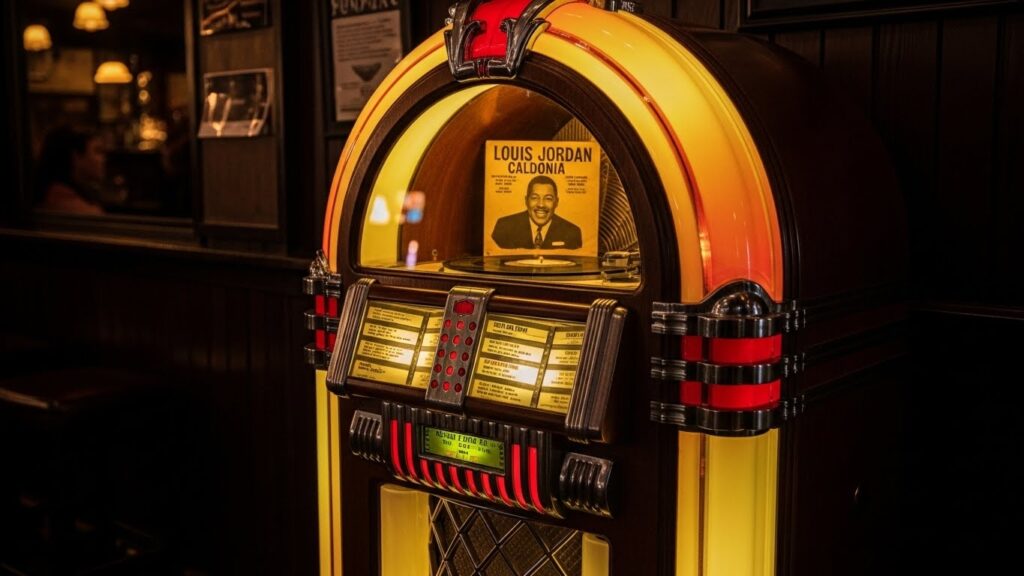
You can’t separate a dance from its music. The Milwaukee Shag thrived on the jump blues and medium-tempo swing that blasted from jukeboxes and bandstands. Think of artists like Louis Jordan, Buddy Johnson, or even the later, driving rhythms of early rock and roll. The music had a strong, clear backbeat and a tempo that was fast enough to be exciting but slow enough to allow for intricate footwork.
This musical choice further cemented the Shag’s identity. It wasn’t designed for the breakneck speeds of bebop or the orchestral complexity of some big band charts. It was for danceable, gritty, heartfelt music that spoke directly to the everyday experiences of its dancers. The dance’s rhythmic precision mirrors the syncopated rhythms of the saxophone and the steady pulse of the bass, making the partnership between dancer and musician feel complete.
Fading Echoes and Modern Revival
Like many regional dances, the Milwaukee Shag’s popularity waned with the rise of rock ‘n’ roll and the cultural shifts of the 1950s and 60s. The dance halls closed, and the specific steps began to fade from collective memory, surviving only in the muscle memory of a generation. For decades, it was a footnote in swing dance history, overshadowed by its more famous cousins.
However, the story doesn’t end there. The late 20th and early 21st centuries saw a dedicated revival effort by swing dance historians and enthusiasts. Through interviews with original dancers, careful study of rare film clips, and passionate workshops, the Milwaukee Shag has been painstakingly reconstructed. Today, it is taught in swing dance scenes across the Midwest and beyond, celebrated as an important piece of American vernacular dance. Events and festivals now often include it as a specialty track, ensuring this unique slice of Great Lakes culture is passed on to new generations.

More Than Steps: The Cultural Legacy of the Milwaukee Shag
The Milwaukee Shag’s greatest significance may lie not in its choreography, but in what it represents. It is a beautiful example of regional adaptation and cultural resilience. It shows how a national trend—the swing craze—was filtered through a specific local lens, shaped by physical space, social class, and industrial identity. The dance is inherently Midwestern: practical, unpretentious, deeply connected, and quietly innovative.
In an era of homogenized global culture, the Milwaukee Shag reminds us of the power of local flavor. It’s a dance that literally could only have happened where it did. It carries the echo of Milwaukee’s factories, the resilience of its workers, and the vibrant sound of its weekend dance halls. To learn the Shag today is to connect with that history, to feel the “Great Lakes Cool” in your own feet and posture.

Finding the Beat Today: How to Experience the Milwaukee Shag
Intrigued? The good news is that this living history is accessible. The revival means you can likely find a workshop or social dance featuring the Milwaukee Shag in many cities, particularly in the Midwest. Online, video tutorials and archival footage offer a window into its unique style. If you’re a swing dancer, learning the Shag will deepen your understanding of musicality and partner connection. If you’re a history buff, it’s a moving (literally) way to engage with 20th-century American social history.
The next time you hear a jumping blues track from the 1940s, listen for that steady, infectious rhythm. Imagine a crowded hall on the shores of Lake Michigan, where workers transformed the precision of their daily labor into an expression of weekend release and community. That’s the spirit of the Milwaukee Shag—a timeless embodiment of Great Lakes cool, proving that sometimes the most enduring cultural innovations are born not in the spotlight, but in the local dance hall, one triple step at a time.