The Modern Fringe: Softer, Lighter, and Easier to Style
Remember the fear? The commitment? The image of a pair of scissors snipping a heavy, blunt line across your forehead, locking you into weeks of awkward grow-out and daily styling battles? For decades, the fringe—or bangs, as they’re often called—carried a reputation of high maintenance and high risk. But step into any contemporary salon or scroll through today’s style icons, and you’ll witness a quiet revolution. The modern fringe has shed its rigid past. Today, it’s softer, lighter, and immeasurably easier to style. It’s no longer a haircut; it’s a styling accessory, designed to enhance rather than overpower, to frame rather than conceal.
From Blunt to Breathable: The Philosophy of the New Fringe
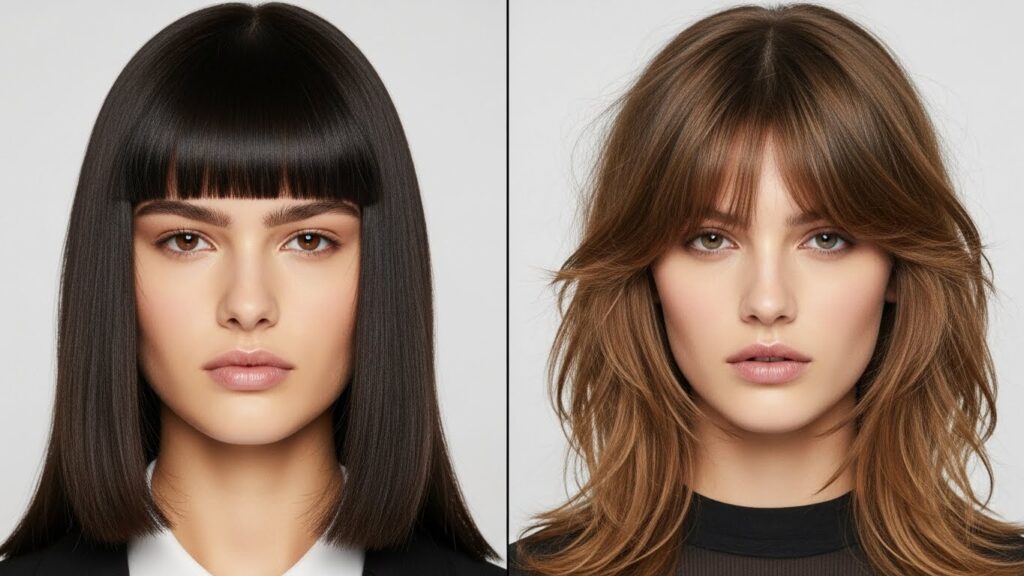
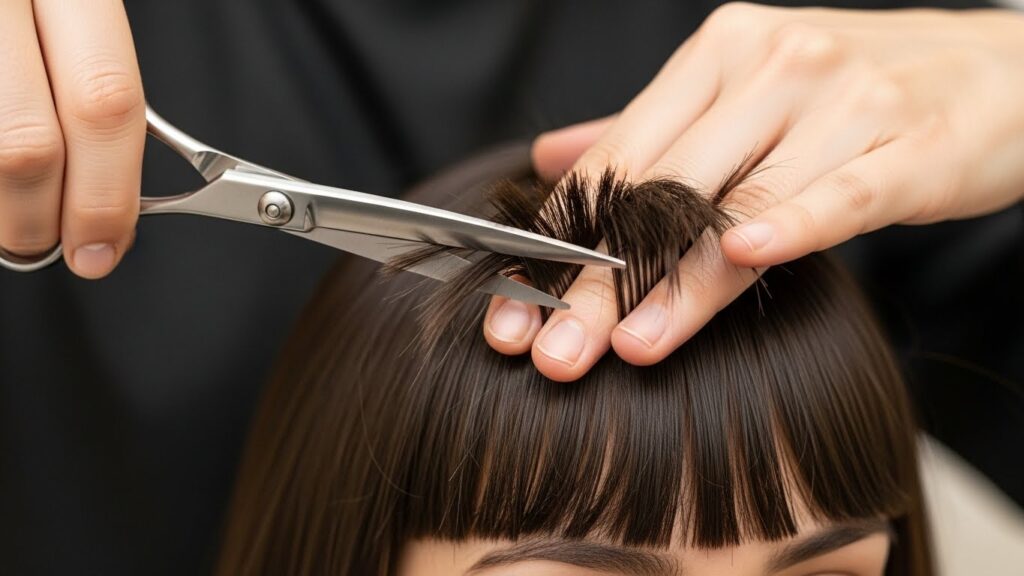
The core philosophy of the modern fringe is integration. Instead of a stark, separate block of hair, the goal is to create a fringe that flows organically from the rest of your hairstyle. This is achieved through cutting technique and texture. Stylists now use point cutting, razor cutting, and thinning shears to remove weight and create soft, irregular ends that blend. The result is a fringe that has movement and airiness, what stylists often call a “breathable” fringe.
This approach solves the two biggest historical fringe complaints: the helmet-head effect and the dreaded greasy or flat look. A lighter fringe allows your scalp to breathe better and sits more naturally, so it’s less likely to separate into oily strands or lie lifelessly against your skin. It also grows out more gracefully, transitioning seamlessly into face-framing layers rather than creating a harsh line that demands constant trimming.
Meet the Modern Fringe Family: Styles for Every Face
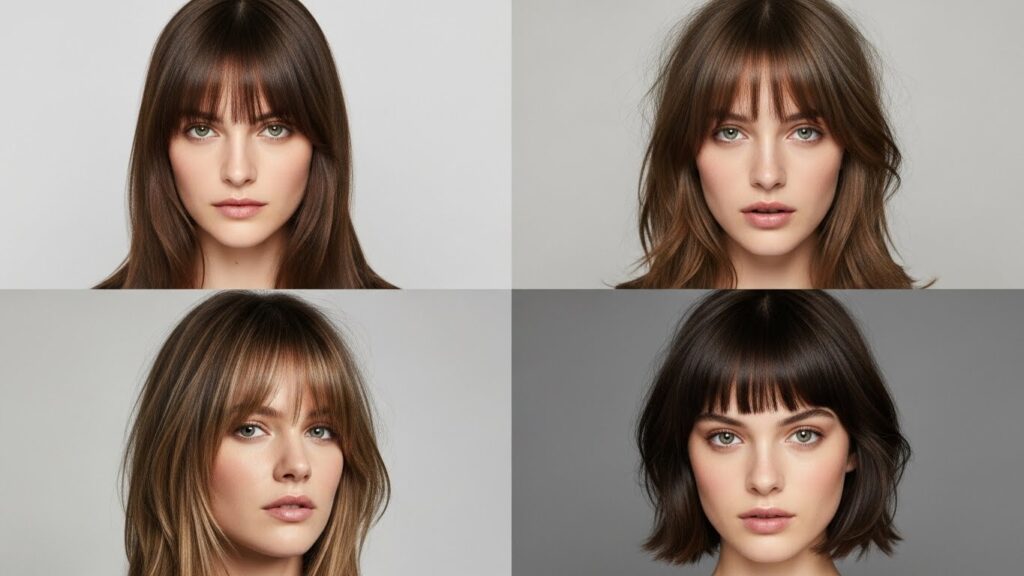
The beauty of the contemporary fringe is its diversity. There’s a shape and weight to complement every face shape and hair type. Here are the champions of the modern fringe movement:
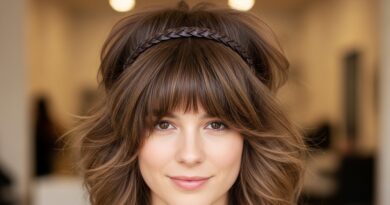
Curtain Bangs: The undisputed star of the show. Parted down the middle and longest at the sides, curtain bangs beautifully frame the eyes and cheekbones. They are the ultimate low-commitment fringe, as they easily be swept to the side or blended back into your hair. Their 70s-inspired vibe is both romantic and effortless.
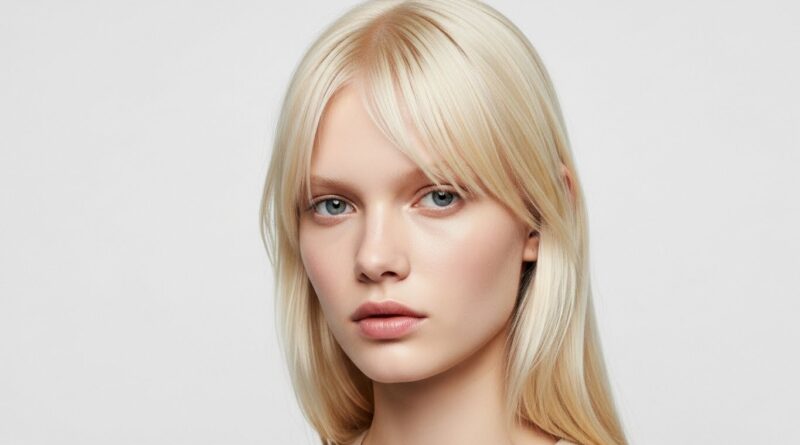
Wispy Bangs: Characterized by their feathery, see-through ends, wispy bangs add a touch of softness and youthfulness without heavy coverage. They are perfect for fine hair or anyone who wants just a hint of forehead framing. They’re incredibly forgiving and almost impossible to mess up during styling.
Layer-Blended Bangs: This style takes integration to the next level. The fringe is cut as an extension of your face-framing layers, creating a cohesive, cascading effect. It’s ideal for those with layered or shag haircuts and offers a rock-and-roll edge with modern softness.
Bottleneck Bangs: A clever variation where the fringe is slightly shorter in the center and longer at the edges, creating a gentle curve that follows the brow bone. It’s a flattering shape that opens up the eyes and avoids a boxy look.
The Easy-Styling Handbook: Taming Your Fringe in Minutes
The promise of an easy-to-style fringe is real, but it does require a minimal toolkit and technique. The key is to work with the texture, not against it.
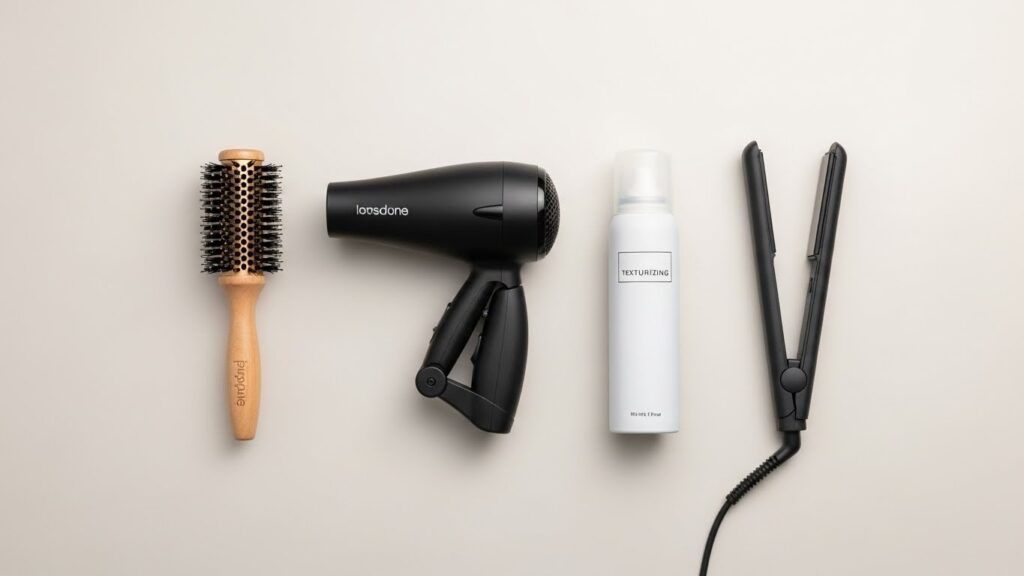
Start with the right cut—this is non-negotiable. A well-executed modern fringe should fall into place with minimal effort. For daily styling, a round brush and a blow-dryer are your best friends. Dry your fringe first, directing the hair to the side or as you prefer, using the brush to create a slight curve or bend at the ends. Avoid blasting it straight down, which can make it look flat.
For texture and hold, ditch the heavy gels and waxes. Opt for a light-hold texture spray or a dry shampoo powder at the roots for lift. A quick pass with a flat iron can help set the shape or smooth any cowlicks, but just a slight curve is all you need. On second or third-day hair, a bit of dry shampoo at the fringe roots will absorb oil and revive volume instantly.
Why the Modern Fringe Works for (Almost) Everyone
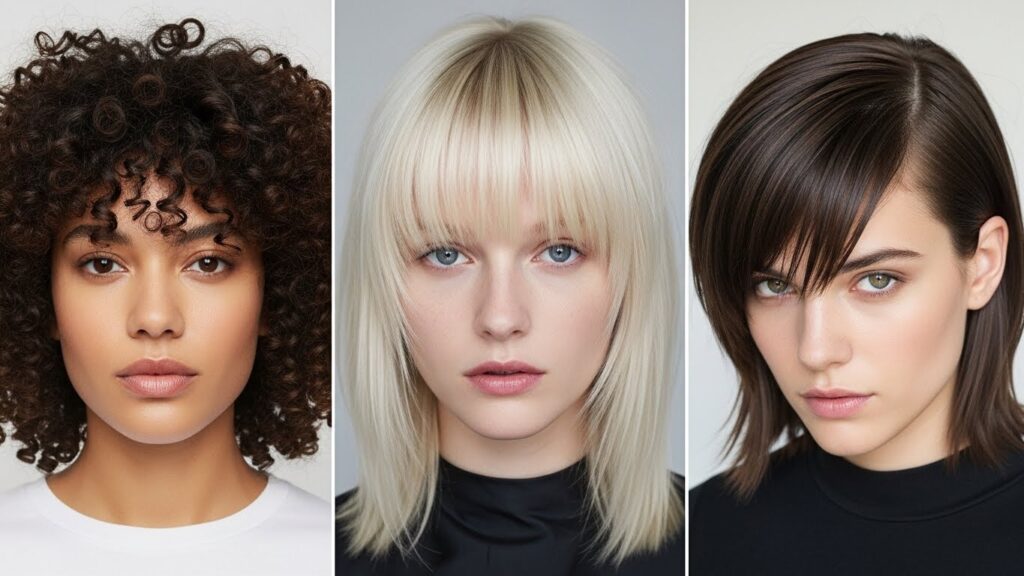
This fringe evolution is democratizing. The softer, blended nature of these styles makes them adaptable to hair types that were once considered fringe-averse. Those with curly or wavy hair can now embrace a fringe cut into their natural curl pattern, creating a beautiful, bouncy frame. For fine hair, wispy or curtain bangs add the illusion of volume and depth without weighing hair down. Even those with cowlicks can find relief; a longer, textured fringe can be trained to work with the cowlick’s natural direction, minimizing the battle.
The real triumph is in the grow-out phase. Because modern fringes are longer and blended, the awkward, in-between stage is significantly less dramatic. They simply evolve into longer face-framing layers, often extending the life of the style and reducing salon visits for trims.
Taking the Plunge: Consultation is Key
Inspired? The final step is a thorough consultation with your stylist. This is not a haircut to describe with just a photo. Discuss your hair’s natural texture, growth patterns, and daily routine. Be honest about how much time you’re willing to spend styling. A good stylist will assess your hair’s behavior—how it falls, where it parts, its volume—and recommend the modern fringe variation that will work hardest for you with the least effort.
Bring photos, but be open to your stylist’s professional adaptation. The goal is to create a fringe that belongs to your hair, not just a replica of someone else’s. Ask for a longer, more conservative version first; you can always go shorter at a follow-up appointment once you’re comfortable with the styling process.
The modern fringe represents a smarter, more liberated approach to beauty. It’s a detail that refreshes your entire look without demanding a lifestyle overhaul. It’s softer, lighter, and finally, truly easier to style. So, maybe it’s time to reconsider the fringe—not as a high-maintenance commitment, but as the ultimate, adaptable accessory for your face.