The Mohawk Pixie: Daring Style for the Bold and Fearless
In the vast universe of hairstyling, few cuts carry as much instant, visceral impact as the Mohawk Pixie. It is more than just a haircut; it is a declaration. A statement of confidence, rebellion, and unapologetic self-expression. Sitting at the powerful intersection of the classic pixie’s feminine charm and the Mohawk’s punk-rock roots, this style is not for the faint of heart. It is for those who walk into a room and own it, for the individuals who see their hair not just as an accessory, but as a part of their identity.
This isn’t a style that whispers; it shouts. It blends the soft, textured layers of a pixie cut with the dramatic, elevated central section of a Mohawk, creating a silhouette that is both chic and fiercely edgy. If you are ready to explore a look that embodies strength, creativity, and pure fearlessness, then you have come to the right place. Let’s dive into the world of the Mohawk Pixie.
The Anatomy of a Mohawk Pixie: More Than Just Spiked Hair
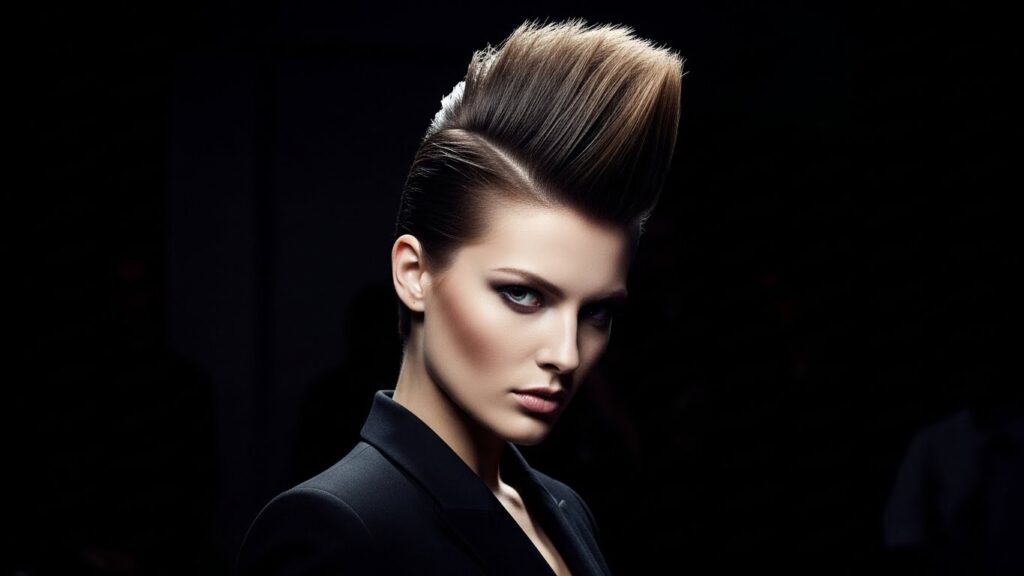
Many people hear “Mohawk” and immediately picture towering, foot-tall spikes held together with copious amounts of hairspray. While that is one iconic interpretation, the Mohawk Pixie is a far more nuanced and versatile creature. At its core, this cut is defined by a few key elements.
The Foundation is a Pixie: The base of this hairstyle is a very short pixie cut, often shaved or closely clipped at the sides and back. This creates a stark contrast and allows the central section to truly stand out. The nape and temples are typically faded or undercut, providing a clean canvas.
The Central Strip: This is the star of the show. Running from the hairline back to the crown, a strip of hair is left significantly longer than the shaved sides. The width of this strip can vary dramatically—from a narrow, severe line to a wider, more textured panel. This is the “Mohawk” element, the canvas upon which you can create your daily art.
Texture and Movement: Unlike a traditional, rigid Mohawk, the pixie influence brings in layers, texture, and movement. The top section is often point-cut, layered, or razored to create a piecey, lived-in feel rather than a solid, helmet-like block of hair. This texture is what makes the style feel modern, wearable, and incredibly stylish.

A Brief History of Rebellion: From Warriors to Punk Rock
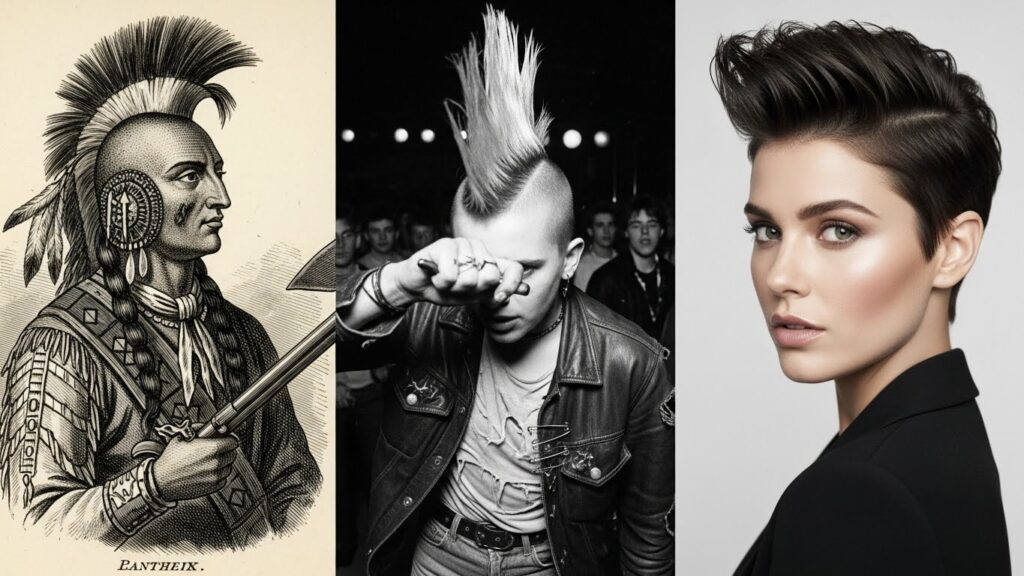
To fully appreciate the Mohawk Pixie, it helps to understand its powerful lineage. The style’s name is borrowed from the Mohawk people, a Native American nation from the Northeastern Woodlands. While the exact historical accuracy of the association is debated, the popular image is of warriors who would shave the sides of their heads, leaving a strip of stiff, upright hair—a fearsome sight meant to intimidate enemies.
This powerful image was resurrected and radically transformed in the late 1970s and early 1980s by the punk rock movement. Pioneers like Debbie Harry and the bands frequenting London’s iconic King’s Road took this warrior silhouette and injected it with a dose of anarchic, DIY spirit. It became a symbol of anti-establishment rebellion, a middle finger to conventional beauty standards. It was loud, messy, and aggressive.
The modern Mohawk Pixie is the evolution of that punk statement. It has been refined, polished, and adopted by the fashion world and mainstream culture. Celebrities like Rihanna, Scarlett Johansson, and Halle Berry have all sported variations, proving that this cut can be both red-carpet glamorous and street-style cool. It retains its rebellious soul but has gained a new layer of sophistication and versatility.
Is the Mohawk Pixie For You? Embracing the Attitude
Let’s be honest: a haircut this bold requires more than just a trip to the salon. It requires a certain mindset. Before you take the plunge, ask yourself not just about your face shape, but about your personality.
The Fearless Attitude: This cut will get you noticed. Are you comfortable with that? It invites stares, questions, and compliments. You need to carry it with a confidence that says, “I meant to do this.” The Mohawk Pixie isn’t just worn; it is performed.
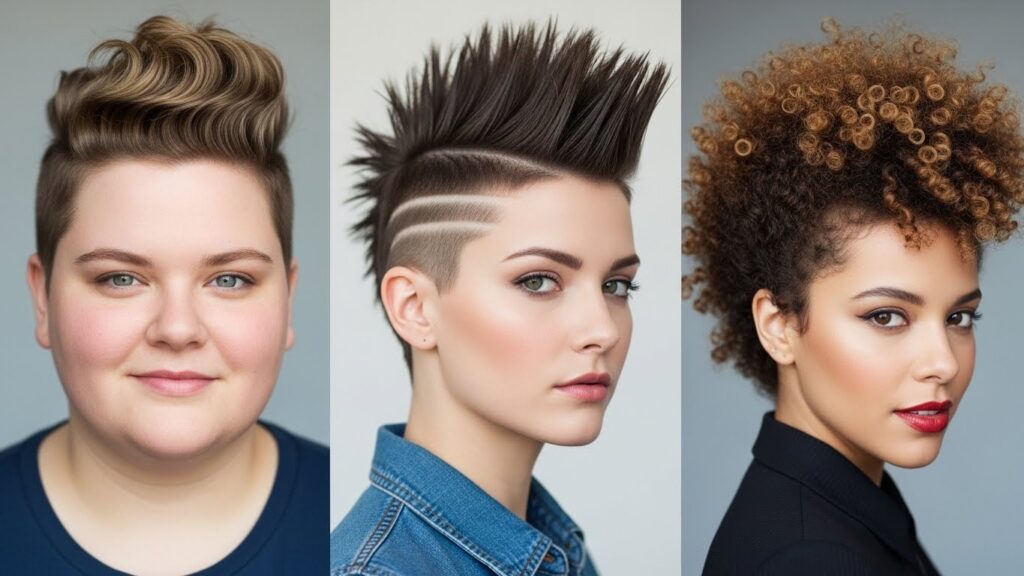
Face Shape Considerations: While rules are meant to be broken, this cut is famously flattering on oval, heart, and square face shapes. Its vertical nature can help elongate a round face, while its structure can soften a very angular jawline. A skilled stylist can tailor the width and length of the top section to beautifully balance your unique features.
Hair Texture Matters: This style works with a variety of textures, but each requires a different approach. Fine hair can be layered for volume and held with product. Thick, curly hair can create an amazing, voluminous fro-hawk effect. Coarse, straight hair can be sleeked into a sharp, architectural shape. The key is to work with your natural texture, not against it.
Styling Your Mohawk Pixie: From Sleek to Messy
This is where the fun truly begins. The Mohawk Pixie is a chameleon. Your look can change daily based on your mood and the products you use. Here are some iconic styling methods:
The Sleek and Sophisticated: For a polished, high-fashion look, apply a strong-hold gel or pomade to damp hair. Use a fine-tooth comb to slick the sides down perfectly and pull the top section straight up or back. You can create a sharp, defined line or a smooth, rounded crest. This is perfect for a formal event or a powerful day at the office.
The Textured and Messy: This is the more casual, “rock and roll” approach. Work a texturizing paste, wax, or sea salt spray through dry hair. Use your fingers to tousle, twist, and piece out the top section. The goal is controlled chaos—a look that appears effortless and full of movement. Don’t be afraid to let a few pieces fall loosely.
The Braided Crown: For a beautiful, bohemian twist, try braiding the longer top section. You can create a single, thicker braid that runs from the front to the back, or several smaller, intricate cornrows. This is a stunning way to keep hair out of your face while showcasing intricate detail.
The Faux Hawk Flexibility: On days when you want a subtler look, you don’t have to commit to the full vertical height. Simply style the top hair as you would a normal, textured pixie, perhaps with a deep side part. The beauty of the cut is that the potential for drama is always there, waiting to be unleashed.
The Maintenance Lowdown: Commitment is Key
A cut this precise requires a dedicated maintenance schedule to keep it looking its best. The grow-out phase can be awkward if not managed properly.
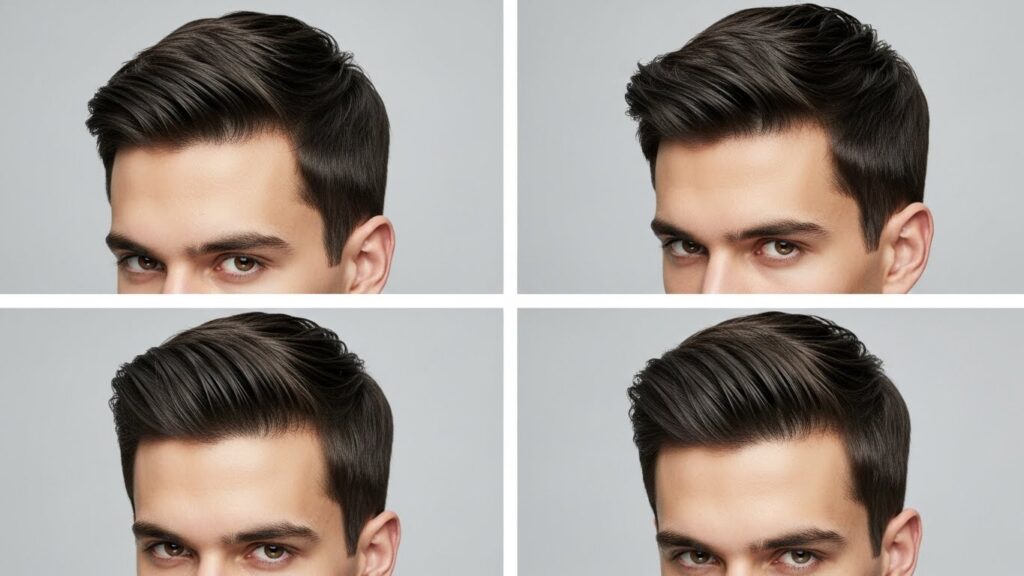
Frequent Trims: Be prepared to visit your stylist every 3-4 weeks. The sides and back will need to be re-shaved or faded to maintain that clean, sharp contrast. Letting the sides grow out too long can blur the lines of the cut and diminish its impact.
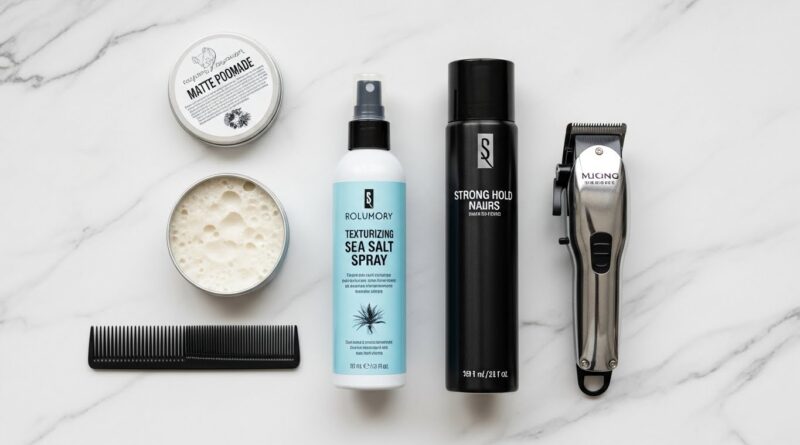
Product Arsenal: You will become best friends with styling products. Your kit should include a strong-hold hairspray, a flexible-hold pomade or wax for texture, a gel for sleek looks, and a good texturizing spray. Don’t be shy about using them—this style thrives on product.
Embracing the Grow-Out: If you ever decide to move on from the Mohawk Pixie, the grow-out process can be an adventure in itself. You can transition into an asymmetric pixie, a full undercut style, or simply let it all grow out, embracing the various awkward and interesting stages as a form of temporary art.

Your Salon Consultation: What to Ask For
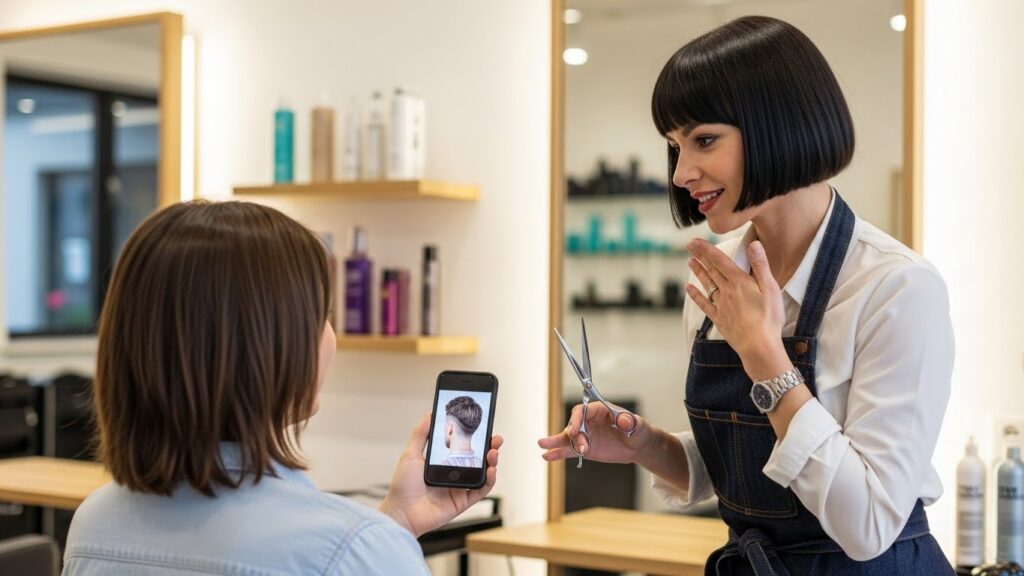
Walking into a salon and asking for a “Mohawk Pixie” can mean different things to different stylists. To ensure you and your stylist are on the same page, come prepared.
Bring clear visual references. Pictures are worth a thousand words. Show them exactly what you like—the length on top, the fade on the sides, the texture. Use descriptive language. Do you want the sides “bladed to a zero” or just “clipped short with a #2 guard”? Do you want the top “choppy and piecey” or “smooth and blunt”?
Most importantly, choose a stylist you trust, preferably one with a portfolio that shows experience in edgy, short cuts. This is not the time for a cheap, quick haircut. This is an investment in a stylist who understands the architecture and attitude of the cut.
Conclusion: Dare to Be Different
The Mohawk Pixie is a testament to the power of hair as a form of self-expression. It is a cut that challenges norms, celebrates individuality, and radiates an undeniable confidence. It tells the world that you are not afraid to stand out, to be seen, and to define beauty on your own terms.
Yes, it requires maintenance. Yes, it requires courage. But the reward is a hairstyle that is uniquely, powerfully you. It is a daily reminder of your own boldness and fearlessness. So, if you feel the call of the undercut and the allure of the textured top, take the leap. Your inner rebel is waiting.