The Montgomery Shag: Alabama Capital Style
In the heart of the Deep South, where the Alabama River bends and history whispers from every corner, a different kind of rhythm took hold. It wasn’t just the sound of blues or country; it was the syncopated shuffle-slide-tap of feet on a hardwood floor, the joyful swing of partners, and the infectious energy of a dance uniquely born from its place. This is the story of the Montgomery Shag, a six-count, smooth-as-southern-whiskey swing dance that carries the soul of Alabama’s capital in every step. More than just a sequence of moves, it’s a cultural artifact—a testament to the city’s mid-century social life, its musical tastes, and its distinctive, cool-headed style.

Roots in the River City: A Historical Swing
To understand the Montgomery Shag is to understand post-war Montgomery. In the 1940s and 50s, the city was a bustling hub. Big band and swing music poured out of jukeboxes and live venues, and social dancing was a primary pastime for young adults. While the national craze was Lindy Hop and East Coast Swing, Alabama dancers put their own spin on it. The dance evolved in local spots like Club 31 and the Jefferson Davis Hotel, influenced by the smoother, less athletic styles that suited both the Southern temperament and the fashion of the time—men in tailored suits and women in dresses that flared with movement, but not too wildly.
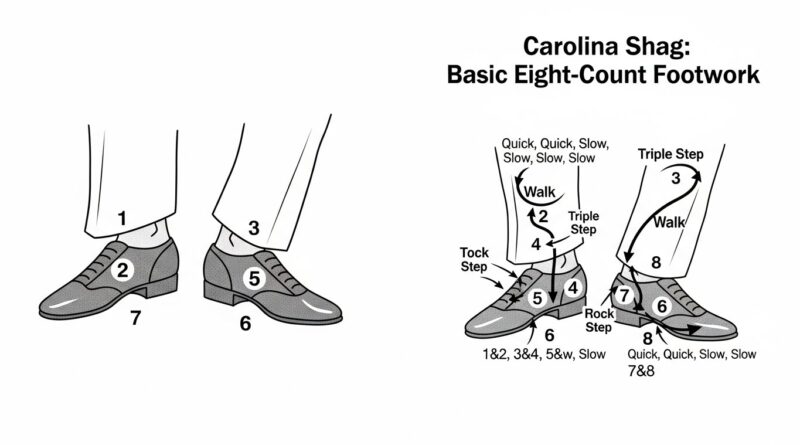
It is a cousin to the Carolina Shag but with its own clear DNA. The Carolina Shag, born on the beaches of the Carolinas, is an eight-count dance with a pronounced lean and a “lagged” rhythm. The Montgomery Shag, by contrast, is a six-count dance that stays more upright and centered, gliding with a relaxed, effortless precision. Its magic lies in its accessibility and grace; it’s energetic but not exhausting, patterned but full of room for personal flair. It was the perfect dance for a warm Southern night, where looking cool was just as important as feeling the beat.

The Steps: Smooth, Centered, and Syncopated
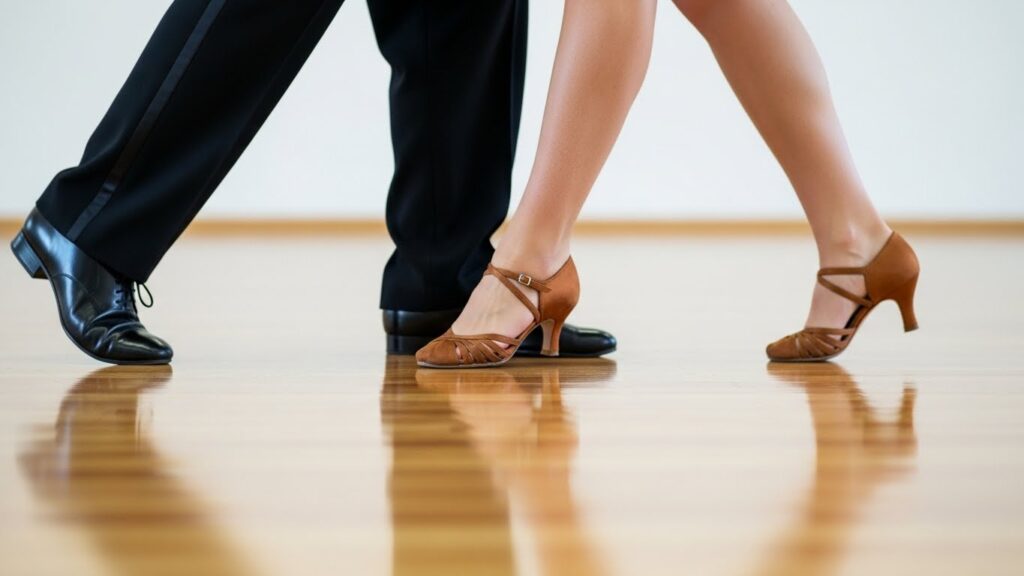
The hallmark of the Montgomery Shag is its distinctive basic step, often called the “Alabama style” basic. It’s a triple-step, triple-step, rock-step pattern (counted as 1&2, 3&4, 5-6) that travels smoothly side to side. Dancers maintain a compact, connected frame, with the follower moving in a gentle slot. Unlike the bouncy pulse of some swing dances, the Montgomery Shag has a down-up-up pulse felt in the knees, creating that signature smooth, almost floating appearance.
The dance is led and followed through a subtle but clear connection in the arms and torso. Turns and wraps are common, but they are executed with a tight, controlled elegance rather than wide, sweeping motions. Popular moves include the Alabama Whip, the Sentimental Turn, and various intricate hand tosses and passes that showcase the partnership’s connection without breaking the flow. The overall aesthetic is one of contained fire—plenty of spark, but never spilling over.
The Soundtrack: From Jukeboxes to Beach Music
The music that fueled the Montgomery Shag is as crucial as the steps themselves. Originally, it was danced to the rhythm and blues and swing music of the late 1940s and early 50s. As the decades passed, it found a perfect home in the “Beach Music” genre—a Southern tradition of R&B, soul, and pop with a steady, danceable backbeat. Think of the smooth vocals of The Tams, the driving brass of The Embers, or the soulful sounds of Motown artists like The Four Tops.
The tempo is key: not too fast, not too slow. It’s a walking tempo that allows for the full expression of the triple steps and the all-important styling. Songs like “My Girl” by The Temptations or “Sixty Minute Man” by The Dominoes provide the ideal rhythmic foundation. This connection to Beach Music also ties the Montgomery Shag to a broader Southeastern dance culture, while maintaining its own identity distinct from the faster, more linear shag of the Carolinas.

Montgomery Style: More Than Just Dance
The “Alabama Capital Style” in the dance’s name speaks to an entire attitude. This was a dance of sophistication and social decorum, reflecting the city’s role as a government and cultural center. The attire was sharp: men in sport coats or suits, often with ties, and women in chic dresses that allowed for movement but emphasized elegance. The style of the dance mirrored this—polished, friendly, and engaging, but with a certain reserved confidence.
This style fostered a strong sense of community. Dancers didn’t just learn steps; they learned a shared language of politeness, lead and follow, and social interaction. The dance floor was a microcosm of Southern social codes, where everyone danced with everyone, good leads were respected, and a smile was part of the basic step. The Montgomery Shag was, and is, as much about how you dance as it is about what steps you do.

Preservation and Revival: Keeping the Shag Alive
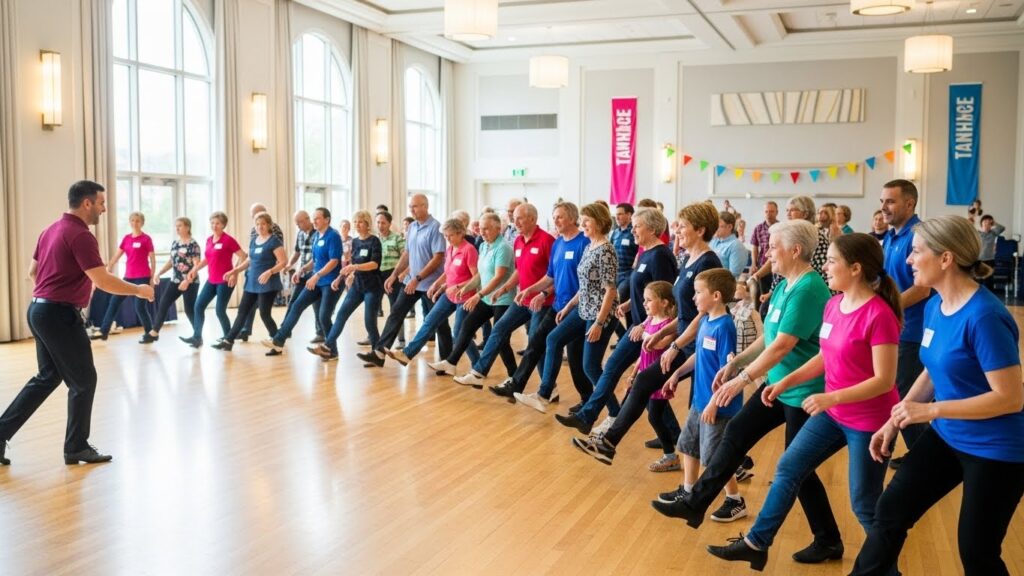
Like many regional dances, the Montgomery Shag faced a decline as musical and social trends shifted. However, its story is one of dedicated preservation. Thanks to the efforts of dance historians and veteran shaggers from the original era, the steps were carefully documented and passed on. Today, there is a vibrant revival movement. Workshops are held, not just in Alabama but across the South and beyond. Annual events like the “Montgomery Shag Festival” attract new generations eager to connect with this living piece of Americana.
Learning the Montgomery Shag today is an act of cultural participation. Dance studios and swing dance communities have embraced it, often teaching it alongside Lindy Hop and Balboa. New dancers discover its incredible social versatility—it works wonderfully to a vast array of music and is easier to pick up than many other swing-era dances. In its revival, it has lost none of its essential character; it remains smooth, connected, and infectiously joyful.
Stepping Into the Rhythm of History
The Montgomery Shag is more than a forgotten fad. It is a resilient thread in the fabric of Southern culture, a rhythmic expression of a specific time and place that continues to resonate. It offers a unique window into the social world of mid-century Montgomery—a world of style, courtesy, and communal joy set to a backbeat. Whether you’re a history buff, a music lover, or someone simply looking for a fun and elegant partner dance, the Montgomery Shag invites you in.
So, find a local class, cue up some classic R&B, and try the basic step. As you triple-step to the side and rock back, you’re not just learning a dance. You’re stepping into the rhythm of Alabama’s capital, connecting with a legacy of smooth style, and keeping a beautiful, uniquely Southern tradition alive and swinging. That is the enduring magic of the Montgomery Shag.