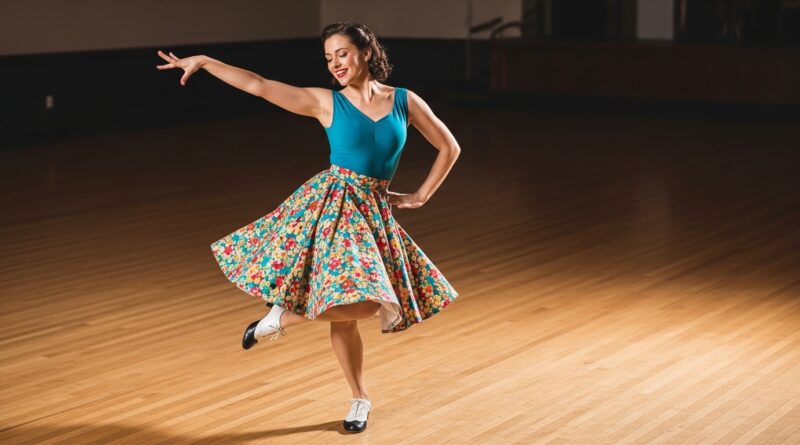
The New Orleans Shag: Jazz Age Meets Modern
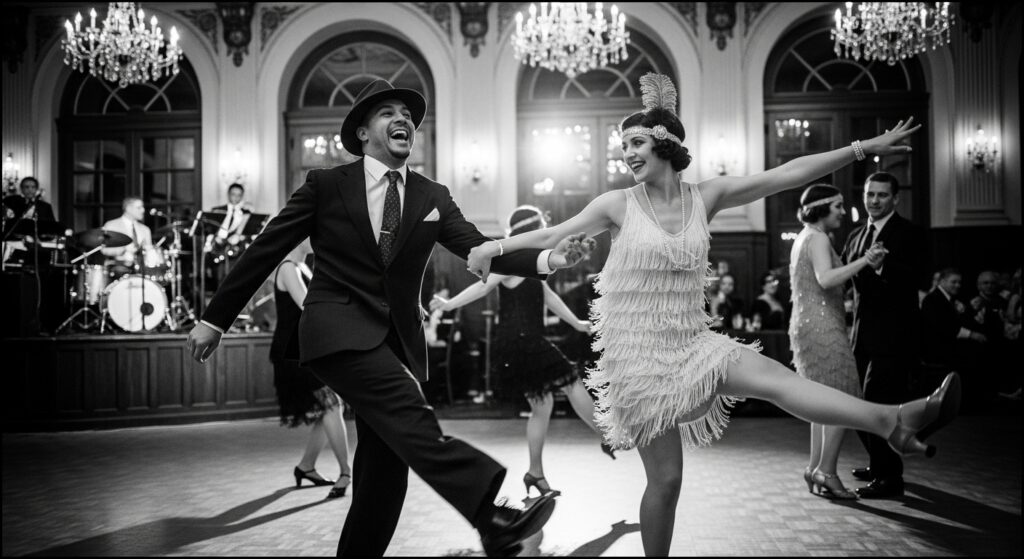
Close your eyes and imagine the smoky, vibrant clubs of 1920s New Orleans. The air is thick with the sound of trumpets, the syncopated rhythm of a snare drum, and the palpable energy of a city that invented joy. On a crowded dance floor, couples move with a fast, intricate, and impossibly cool footwork that seems to defy gravity. This is the New Orleans Shag—not to be confused with its Carolina cousin—a dance of pure, unadulterated rhythm that was born from the very heart of jazz. For decades, it lived as a cherished memory, a secret handshake among the elders of the swing world. But today, it’s experiencing a spectacular renaissance, bridging the gap between the Jazz Age and the modern swing dancer in a thrilling conversation of movement and music.
Roots in the Cradle of Jazz
To understand the New Orleans Shag is to understand the cultural crucible that created it. Emerging in the late 1920s and solidifying in the 1930s, this dance was a direct physical manifestation of the New Orleans jazz sound. Unlike the traveling, aerial moves of the later Lindy Hop, the Shag is primarily a “spot dance”. Couples stay largely in one place, focusing on rapid, complex footwork and subtle, rhythmic partner connections. The dance is done to faster-tempo jazz (often referred to as “peppy” tempos), requiring precise coordination and a deep feel for polyrhythms.
It was a dance of the community, seen in local dance halls and at house parties. While not as widely commercialized as the Big Apple or Lindy Hop in its early days, its influence seeped into the fabric of American vernacular dance. The Shag’s signature double shuffle and kick-ball-change patterns can be seen as a foundational vocabulary that informed later swing styles. It was less about spectacle and more about the intimate, joyful conversation between partners, the music, and the floor.

The Anatomy of a Shag: What Makes It Unique?
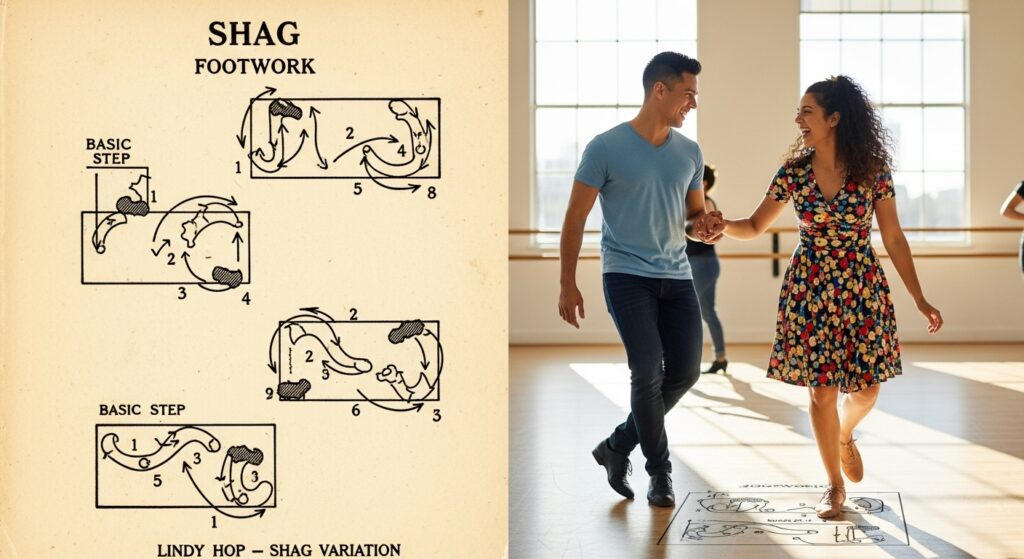
So, what does the New Orleans Shag look and feel like? For the modern dancer, it’s a captivating challenge. The basic structure is a six-count pattern, though it’s danced with a distinct, bouncy pulse that feels lighter and quicker than East Coast Swing. The frame is more compact, with partners standing closer, allowing for a focus on footwork and subtle lead/follow signals through the body’s center.
The magic lies in the details. Dancers employ a vast repertoire of shuffles, taps, kicks, and rhythmic variations that can be layered over the basic step. There’s a pronounced downward pulse, almost like pressing into the floor to spring back up, which gives the dance its characteristic buoyancy. The upper body remains relatively relaxed and poised, while the legs become a whirlwind of precise, rhythmic activity. It’s playful, competitive in a friendly way, and deeply satisfying when you finally nail a complicated variation in time with a blazing clarinet solo.
The Quiet Years and The Digital Revival
Like many vernacular dances, the New Orleans Shag faded from mainstream view after the Swing Era. It was kept alive by a dedicated few—dance historians, devoted enthusiasts, and the original practitioners who never stopped dancing. For a long time, learning it was a matter of lineage; you had to find someone who knew someone.
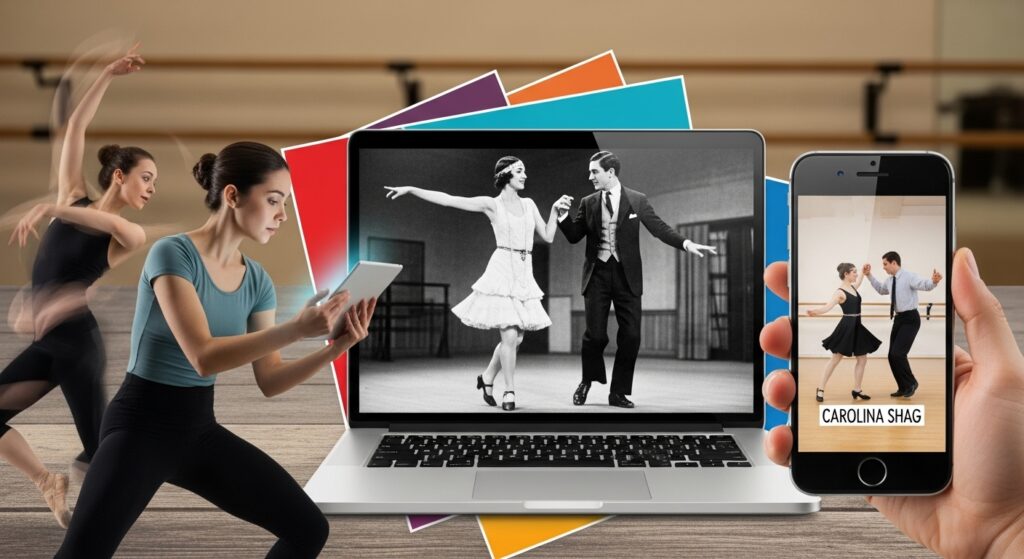
The 21st century, however, has rewritten this story. The internet became the great democratizer. Rare archival footage from the 1930s and ’40s, once locked away in private collections or deteriorating on film reels, found its way onto YouTube and dance archive websites. Suddenly, a dancer in Stockholm or Seoul could study the authentic style of a 1930s New Orleans dancer. Online forums and social media groups created global communities of learners. This digital excavation, combined with a growing thirst among modern swing dancers for deeper, more historical roots, ignited the revival.
Shag in the Modern Swing Scene
Today, the New Orleans Shag is no longer a secret. It has claimed its spot on the global social dance floor. You’ll find dedicated Shag tracks at major swing dance festivals like Lindy Focus, Herrang, and ILHC (International Lindy Hop Championships). Workshops focused solely on Shag footwork, musicality, and history sell out, attracting dancers eager to add this sophisticated tool to their repertoire.
Its appeal is multifaceted. For Lindy Hoppers, it offers a new way to engage with faster jazz tunes that might be challenging for full-on Lindy. It deepens their understanding of rhythm and body control. The dance also aligns perfectly with the modern swing scene’s emphasis on musicality and improvisation. Dancing the Shag is like playing a percussion instrument with your feet; it demands and rewards a close listening to the nuances of the music. Furthermore, in an era that values inclusivity and connection over acrobatics, the Shag’s compact, communicative style holds immense appeal. It’s a dance about partnership and rhythm, accessible in a small space, making it perfect for crowded urban dance venues.

Why Learn the New Orleans Shag Today?
Beyond its historical cool factor, what does the Shag offer the contemporary dancer? First, it is a fantastic technical trainer. It will improve your footwork speed, clarity, and coordination like few other dances. It forces you to clean up your rhythm and listen to the core pulse of the music, benefits that translate directly back to Lindy Hop, Balboa, or any other partner dance.
Second, it expands your dance vocabulary and versatility. Having the Shag in your toolkit means you can enjoy a much wider range of musical tempos and styles at a social dance. When the band kicks into a hot Dixieland number, you won’t be sitting out—you’ll be the first on the floor. Finally, it connects you to the living history of jazz. Learning the Shag is an act of cultural preservation. You are quite literally learning the steps that dancers created to the very music that defined an era, keeping a vital art form alive and kicking (and shuffling).

Your First Steps into the Shag
Intrigued? The gateway to the New Orleans Shag has never been wider. Start by immersing yourself in the music. Listen to classic jazz from the 1920s and ‘30s by artists like Louis Armstrong, Sidney Bechet, and Jelly Roll Morton. Tap your foot to the rhythm. Feel the tempo. Then, head online. Search for “New Orleans Shag basics” and you’ll find tutorials from renowned instructors. Look for local swing dance studios—many now offer Shag workshops or beginner series.
Remember, the goal isn’t perfection from day one. Embrace the bounce, the shuffle, and the joy of the challenge. Find a practice partner and laugh through the missteps. The dance was born in a spirit of communal creativity and fun, and that spirit is exactly what the modern revival is capturing. The New Orleans Shag is more than a historical relic; it’s a vibrant, evolving dialogue. It’s the Jazz Age whispering—or rather, tapping—its rhythms into the ear of the 21st century, inviting us all to join the conversation. So, put on some hot jazz, find a bit of floor, and start your shuffle. The past is waiting to dance with you.