The New Rules of Everyday Hair
Remember when “good hair days” were defined by hours of heat styling, a cabinet full of products, and fighting your natural texture at all costs? Those days are officially over. A quiet revolution has been reshaping our approach to everyday haircare, moving away from rigid, damage-inducing routines and toward a philosophy of health, simplicity, and authentic expression. The new rules of everyday hair aren’t about following a strict, one-size-fits-all guide; they’re about listening to your hair, understanding its needs, and crafting a sustainable routine that makes you feel confident every single day. Let’s dive into the principles that are redefining what it means to have great hair.

Rule #1: Scalp Health is Non-Negotiable
For decades, haircare focused almost exclusively on the strands you could see. Today, the most important shift is happening at the roots. Think of your scalp as the foundation of a beautiful garden. If the soil is depleted, clogged, or imbalanced, nothing will thrive. The new rule prioritizes scalp care as the first and most critical step to healthy hair growth, shine, and strength.
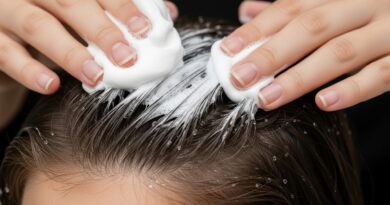
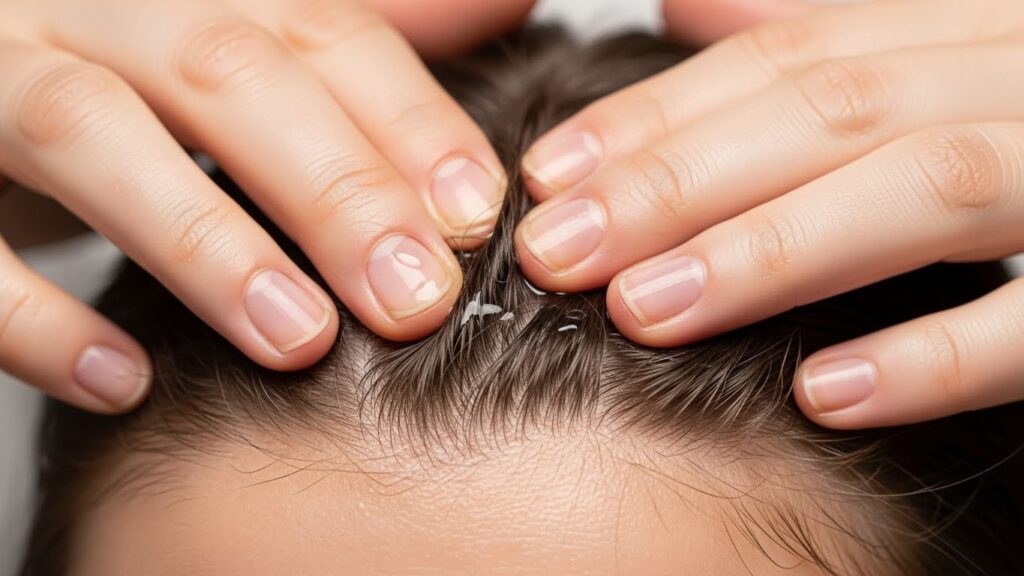
This means incorporating gentle, regular exfoliation to remove product buildup and dead skin cells. It means choosing shampoos with thoughtful ingredients that cleanse without stripping, and considering treatments like pre-shampoo scalp serums or massagers to boost circulation. The goal is a balanced, clean, and nourished scalp ecosystem. This foundational health translates directly to hair that grows stronger, retains length better, and looks vibrant from root to tip.
Rule #2: Ditch the Daily Wash (Your Hair Will Thank You)
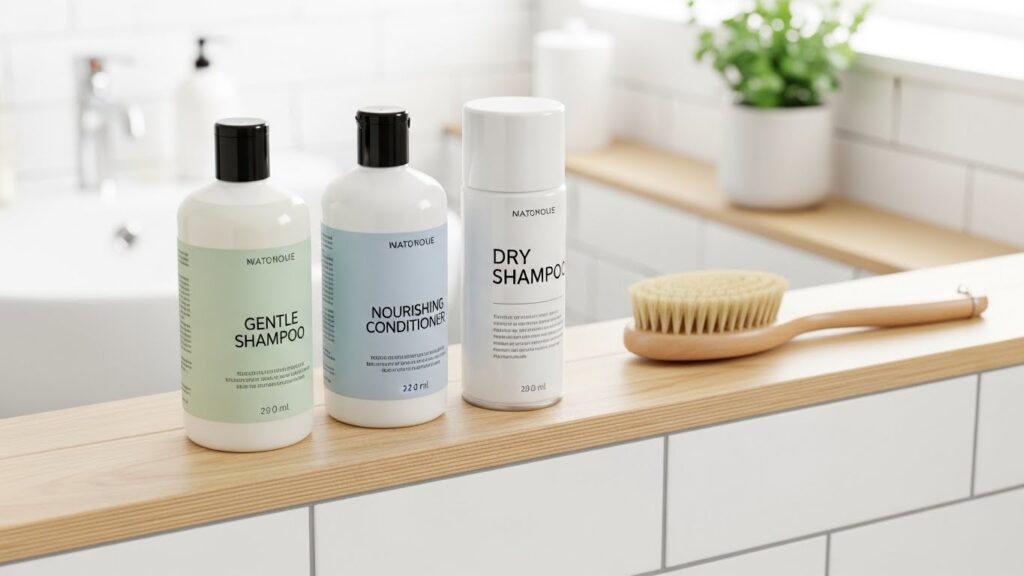
The old mandate of lathering up every single morning is officially retired. Over-washing strips your scalp and hair of their natural, protective oils (sebum), leading to a vicious cycle of overproduction (greasiness) and then over-drying. The new rule is to wash based on need, not habit. Train your hair to go longer between washes. This might start with adding just one extra day, using dry shampoo strategically, or embracing protective styles.
On your “off” days, focus on refreshing instead of resetting. A spritz of texturizing spray at the roots, a dab of moisturizing cream on the ends, or simply using a soft bristle brush to distribute oils can revive your style. This practice not only saves time but allows your hair’s natural texture and health to rebuild, resulting in more body, less breakage, and ultimately, more manageable hair.
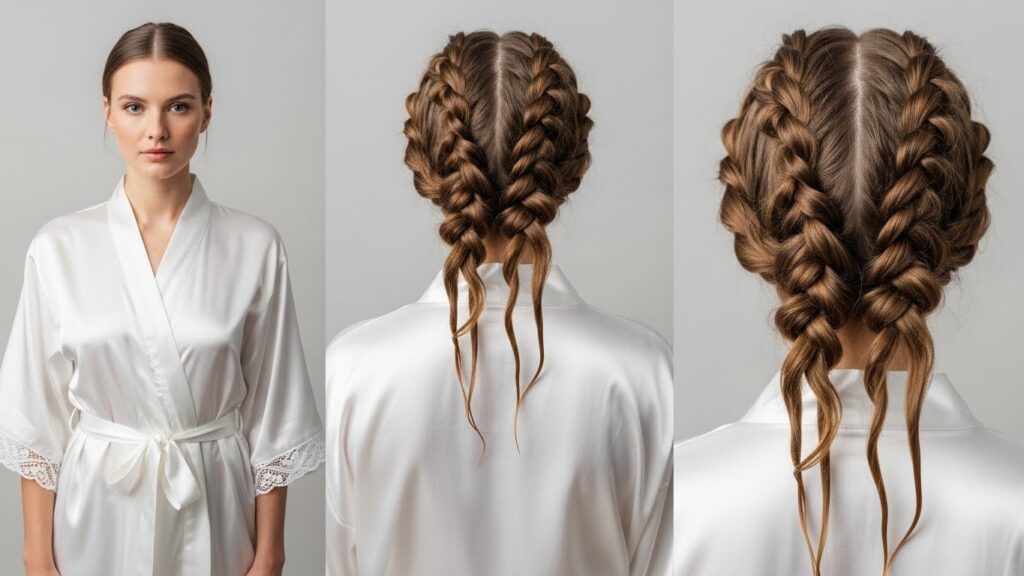
Rule #3: Heat Styling is an Occasional Treat, Not a Daily Routine
Flat irons, curling wands, and even high-heat blow dryers have been downgraded from daily tools to special occasion assets. The consistent, high-temperature styling of the past is the leading cause of cumulative heat damage—dryness, split ends, and loss of elasticity. The new everyday approach celebrates air-drying and heatless styling techniques.
Invest in a great microfiber towel or hair wrap to reduce frizz out of the shower. Master a few heatless curl methods using robes, twists, or braids overnight. When you do use heat, the rule is always use a protectant and opt for the lowest effective temperature. This shift preserves your hair’s integrity, allowing its true texture and health to shine through, making those times you do style with heat even more impactful.
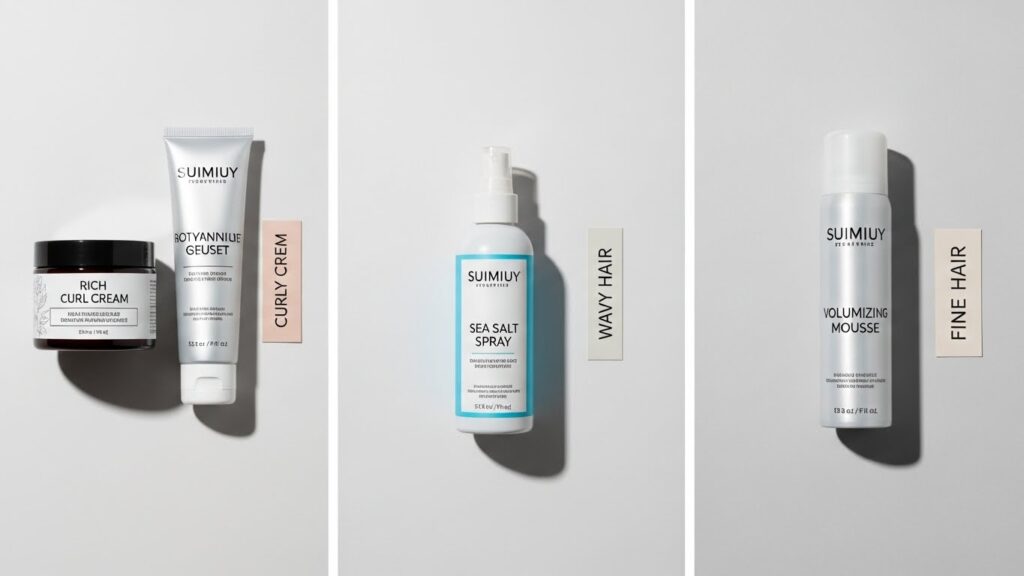
Rule #4: Your Natural Texture is Your Greatest Asset
The fight is over. The exhausting battle to make curly hair poker-straight or to inject volume into fine, flat hair has been replaced by a movement of working with what you have. The curl revolution paved the way, but this rule applies to every single hair type. The goal is to identify your hair’s pattern, density, and porosity, and then choose products and techniques that enhance it.
This means a curly girl might use a defining gel and diffuser, while someone with fine, straight hair might seek a lightweight volumizing mousse and learn strategic root-lifting techniques. It’s about diagnosis, not default. This personalized approach is not only healthier for your hair but is also a profound act of self-acceptance, saving immense time, money, and frustration.
Rule #5: Nutrition and Internal Care are Just as Important as Topical Products
You can’t out-product a poor diet. The new hair rules recognize that beauty is an inside job. The proteins, fats, and vitamins you consume are the building blocks of every new strand that grows. Biotin, collagen, omega-3s, iron, and adequate protein are no longer just buzzwords; they’re understood as essential components of a hair-healthy lifestyle.
This isn’t about expensive supplements (though they can help), but about a balanced, nutrient-rich diet. Hydration is also paramount—water is crucial for cell health, including those in your scalp and hair follicles. Managing stress, which is directly linked to hair loss conditions like telogen effluvium, is now considered a critical part of any hair care regimen.

Rule #6: Less is More: The Streamlined Product Wardrobe
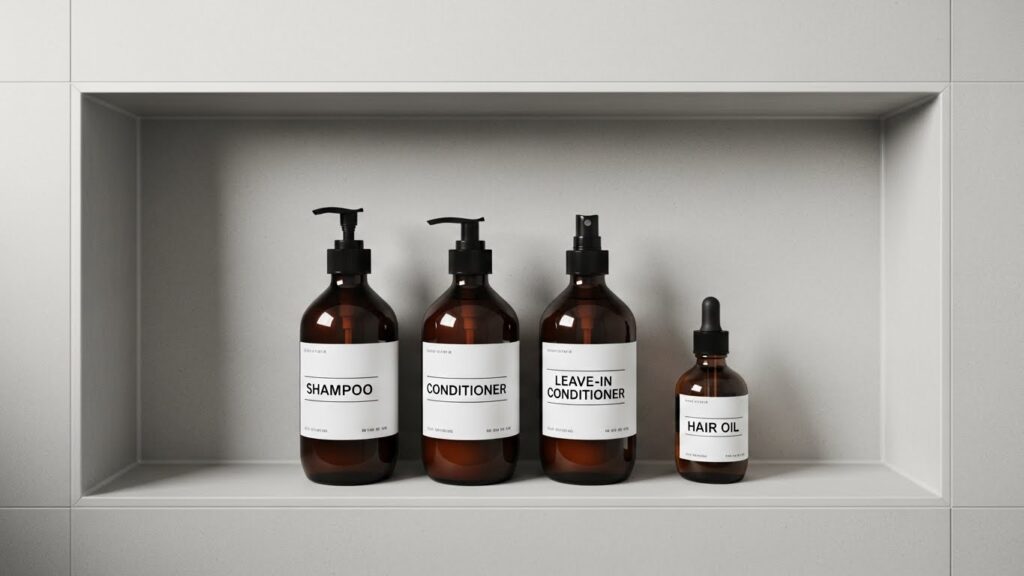
Gone is the era of the overflowing shower caddy with a dozen half-used bottles. The modern approach favors a curated, high-performance product wardrobe. This means identifying a simple, effective core routine: a gentle cleanser, a suitable conditioner, a leave-in treatment or oil, and one or two stylers that work for your texture. The focus is on multi-tasking products and understanding what each one truly does for your hair.
This minimalist mindset reduces buildup, saves money, and eliminates decision fatigue. It encourages you to truly learn how your hair responds to specific ingredients and formulations, leading to better results and less experimentation over time.
Rule #7: Protection is the Ultimate Form of Maintenance
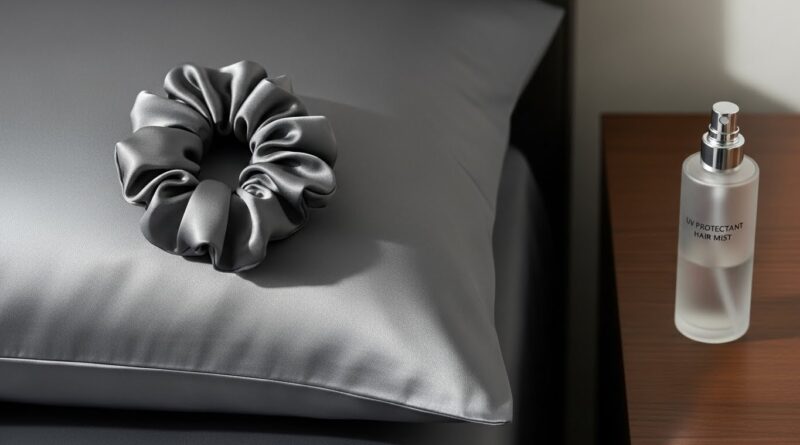
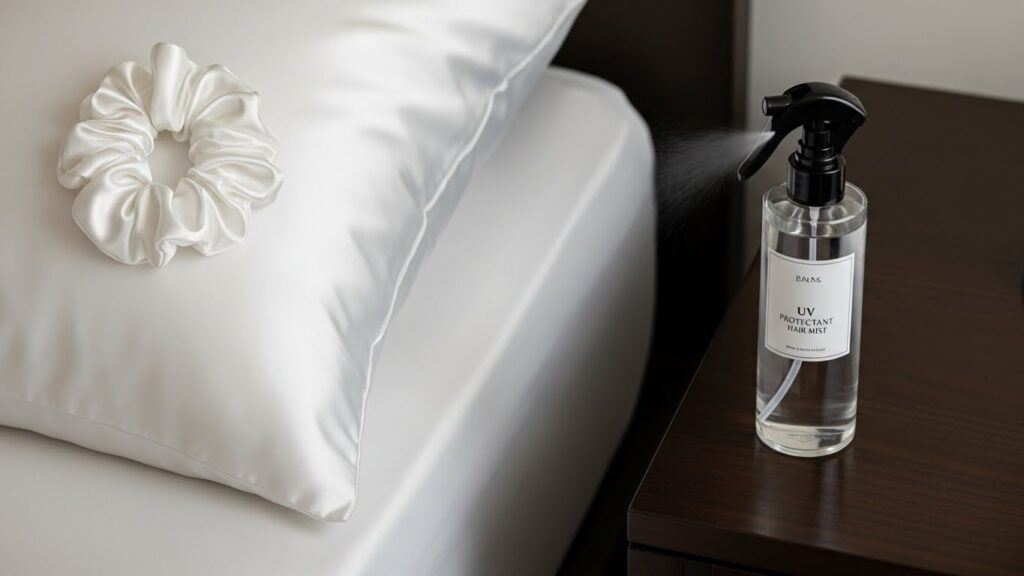
Proactive care trumps reactive repair every time. The new rules mandate treating your hair with the same protective consideration you give your skin. This means physical and chemical protection as a daily habit. Silk or satin pillowcases and scrunchies reduce friction and breakage while you sleep. UV-protectant sprays shield hair from sun damage, just as sunscreen does for skin.
Gentle detangling with the right tools (like a wide-tooth comb starting from the ends) prevents unnecessary shedding. Before swimming, saturate hair with clean water or a protectant to minimize chlorine or salt absorption. These small, consistent acts of defense preserve length, color, and health, making your entire routine more effective.
Embracing Your Personal Hair Journey
The most beautiful aspect of these new rules is their inherent flexibility. They provide a framework of health and mindfulness, not a rigid checklist. Your “everyday hair” should be a source of joy, not stress. It should feel like you—whether that’s defined by effortless air-dried waves, a sleek bun, defined curls, or a bold haircut.
Let go of the outdated standards of perfection. Embrace the good hair days, the messy buns, and the in-between washes. Listen to your hair, nourish it from the inside and out, and protect it like the crown it is. By following these new rules, you’re not just investing in better-looking hair; you’re cultivating a more sustainable, confident, and healthy relationship with yourself. Your best hair is already growing—it’s time to treat it right.