The Portland Shag: Pacific Northwest Cool
In the world of hairstyling, trends often scream for attention. But in the misty, evergreen corners of the Pacific Northwest, a different aesthetic reigns supreme: one of effortless cool, intentional imperfection, and a connection to the natural world. Enter the Portland Shag—not just a haircut, but a lifestyle statement snipped into layers. This isn’t your grandmother’s 70s shag, nor is it a high-maintenance salon trophy. It’s something entirely its own, born from the unique blend of indie spirit, outdoor sensibility, and artisanal creativity that defines cities like Portland and Seattle.

Roots in the Rain: The Philosophy Behind the Cut
To understand the Portland Shag, you must first understand its environment. The Pacific Northwest is damp, often overcast, and fiercely protective of its laid-back, practical identity. Hair that requires 45 minutes of blow-drying and a cabinet full of products simply doesn’t survive here, both literally and philosophically. The Portland Shag is a direct response to this climate and culture.
It borrows the rebellious, shape-breaking spirit of the original 1970s shag but ditches the glamour for grit. It incorporates the movement and softness of a 90s cut but adds modern, disconnected texture. The goal is low maintenance, high style. It’s designed to air-dry beautifully, to look better on day two or three, and to frame a face without looking too “done.” It’s a cut for people who are busy creating, exploring, or just enjoying life without being slaves to their reflection.
Anatomy of a Portland Shag: Key Characteristics
So, what exactly sets this cut apart from other shag or layered styles? It comes down to a specific set of signatures that stylists in the region have perfected.
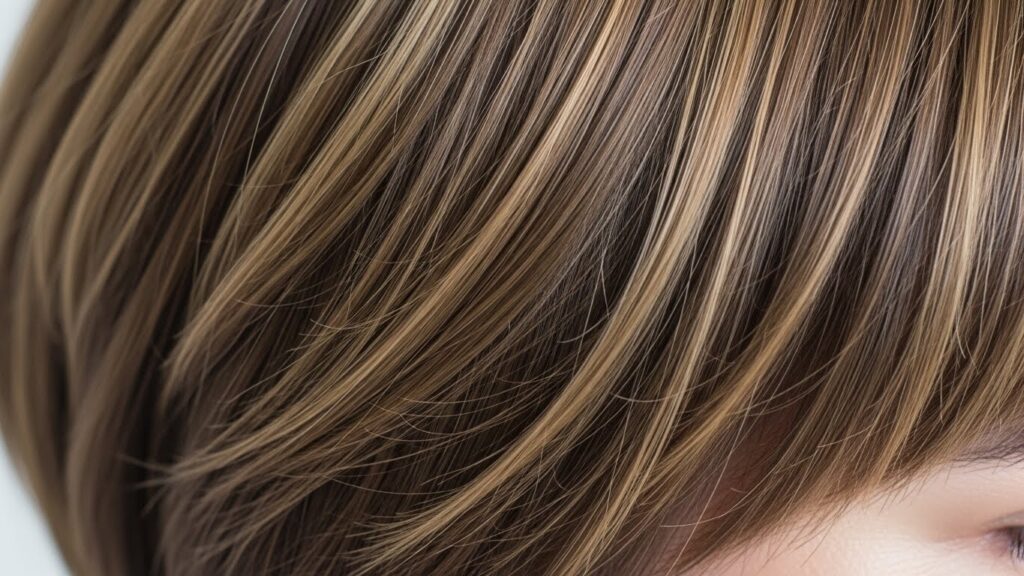
Soft, Face-Framing Layers: Forget harsh, uniform layers. The Portland Shag uses softly graduated layers that start around the cheekbone or jawline. These layers are cut to blend seamlessly, removing weight without creating a “helmet” of hair. The framing is strategic, meant to highlight the eyes and cheekbones in a subtle, organic way.
The Disconnected, Textured Ends: This is the heartbeat of the cut. The ends are point-cut or sliced into with a razor to create disconnection and internal movement. This technique prevents the hair from falling into a solid, blunt shape, encouraging those piece-y, separated ends that catch the light (or the mist) perfectly.
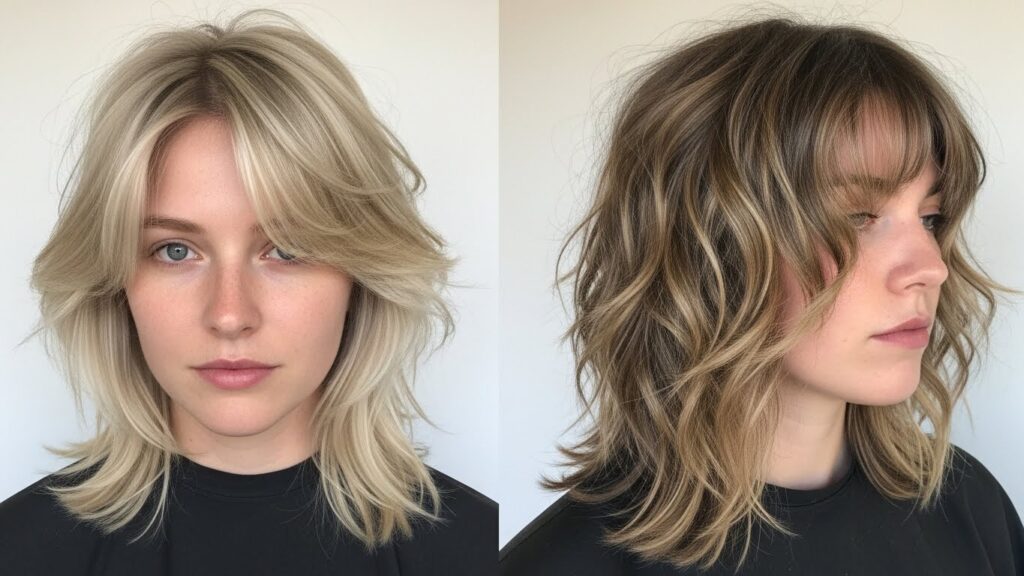
Adaptable Length and Fringe: While often seen at a collarbone-to-shoulder length, the true Portland Shag is adaptable. It can work on longer hair or shorter, chin-length bobs. The fringe (or bangs) are almost always present but are never rigid. Think: curtain bangs, piece-y bangs, or even a long, blended fringe that can be swept aside. The fringe is integrated, not separate.
Embracing Natural Texture: This cut is a love letter to your hair’s natural state—whether it’s straight, wavy, or loosely curly. The layering is designed to enhance wave and body, not fight it. The result is a cut that looks different every day, depending on the humidity and your own routine, and that’s entirely the point.
How to Ask for It: The Stylist Conversation
Walking into a salon and asking for “a shag” can lead to wildly different results. To get the authentic Portland vibe, you need to speak the language. Come armed with pictures (authentic ones from PNW stylists on Instagram are best), but also be ready to describe the feel.
Say things like: “I want a low-maintenance, textured shag with soft layers. I love the idea of disconnected ends for movement, and I want it to air-dry well.” Emphasize that you don’t want it to look uniform or perfect. Key phrases are “lived-in,” “piece-y,” “broken-up ends,” and “lived-in texture.” Discuss a fringe that blends into the rest of the hair, not one that sits heavily on your forehead. A skilled stylist will understand this lexicon.
Styling the Un-styled: The Maintenance Routine
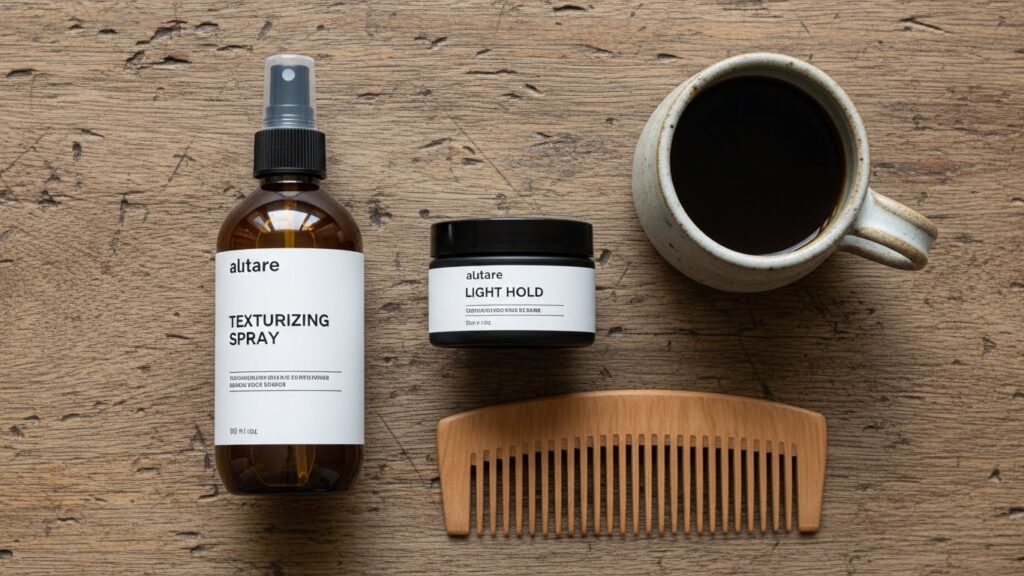
The beauty of this haircut is in its simplicity. The styling routine is minimal, mirroring the PNW ethos. Start with a good volumizing or texturizing shampoo. After washing, apply a texturizing spray or sea salt spray to damp hair, scrunching if you have wave. If your hair is straighter, a light texturizing cream can help separate the ends.
Then, you simply let it air-dry. Seriously. Use your fingers to fluff the roots and separate the layers as it dries. For a bit more polish, you can use a diffuser on low heat to enhance volume and texture. The goal is to avoid the brush and the round-brush blowout. A little dry shampoo at the roots on non-wash days adds even more grit and volume, making the cut look its best.
Pro Tip: Embrace the “mess.” The more you touch it, fluff it, and let it do its thing, the better it looks. This is a cut that gains personality as the day goes on.

More Than a Haircut: A Cultural Artifact
Ultimately, the Portland Shag transcends hairstyling. It’s a cultural artifact of the Pacific Northwest. It reflects a value system that prioritizes authenticity, ease, and a harmonious relationship with nature. It’s practical for the climate and aligned with a fashion sense that leans towards vintage flannels, durable denim, and functional boots.
It’s the haircut of the ceramicist, the barista who roasts their own beans, the graphic designer who weekends as a trail runner. It signals creativity, independence, and a slight disregard for mainstream, polished standards. In a world obsessed with filters and perfection, the Portland Shag is a breath of fresh, cedar-scented air.
So, if you’re yearning for a look that requires less fuss but offers more personality, a cut that feels both timeless and of-the-moment, look to the Pacific Northwest. The Portland Shag isn’t just about changing your hair; it’s about adopting a little slice of that effortless, evergreen cool. And really, who couldn’t use a bit more of that?