The Rachel 2.0: How the Iconic 90s Cut Got a Modern Makeover
If you lived through the 1990s, or even if you’ve just binge-watched Friends on a streaming service, one hairstyle is instantly recognizable: The Rachel. Jennifer Aniston’s layered, face-framing, highlighted shag became the single most requested haircut of the decade, spawning both admiration and frustration in salons worldwide. It was the definition of ‘90s chic—big, bouncy, and brimming with attitude. But as with all iconic trends, time has a way of circling back. Today, the Rachel is back, but not as you remember her. Welcome to The Rachel 2.0—a sophisticated, wearable, and utterly modern reinterpretation of the classic.
Deconstructing the Original: What Was “The Rachel”?
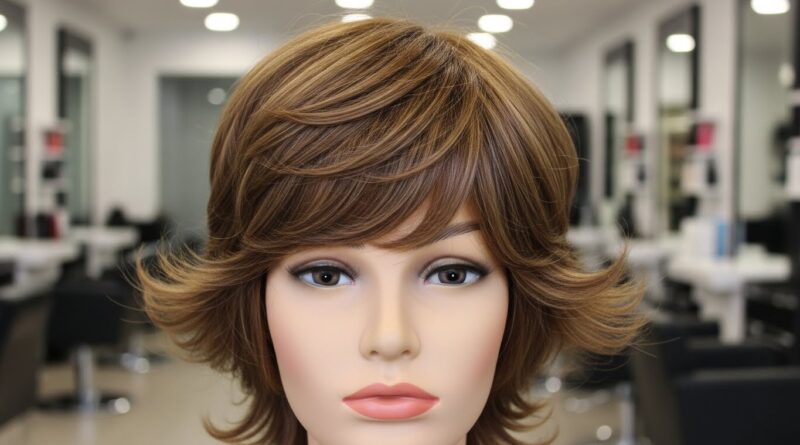
To appreciate the remake, we must first understand the original. The cut, created by stylist Chris McMillan for Aniston’s character, was technically a graduated shag. Its signature elements included severe, chunky layers starting at the chin, heavily layered around the face, and shorter pieces at the back. It was a cut built for maximum volume and movement, often accompanied by those iconic chunky highlights. The style, however, came with a notorious reputation: it was high-maintenance. Achieving that perfect, bouncy blowout required serious skill, a round brush, and a lot of product, making it elusive for the average person to replicate at home.
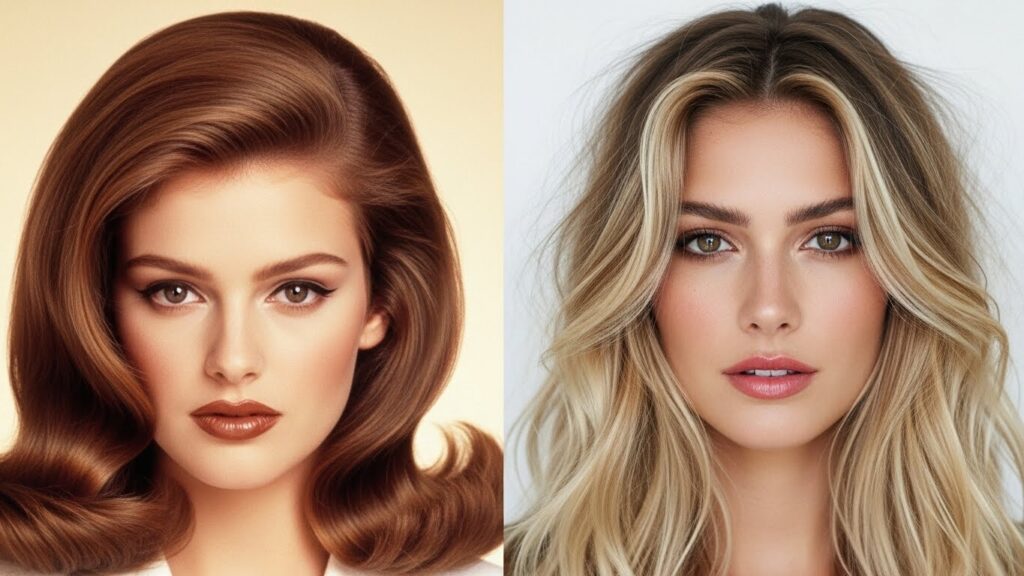
The Rachel was more than a haircut; it was a cultural phenomenon. It represented a shift towards more personalized, stylized looks and moved away from the big, uniform hair of the ‘80s. It was aspirational, just like Rachel Green herself. Yet, its sharp lines and precise styling eventually fell out of favor, making way for the straighter, sleeker looks of the early 2000s.
The Catalyst for Comeback: Why Now?
Nostalgia is a powerful force in fashion and beauty. The resurgence of ‘90s and Y2K aesthetics has brought back bucket hats, low-rise jeans, and of course, the shag haircut. But today’s consumer is different. We crave the effortless cool of the ‘90s but with a low-maintenance reality. The modern woman doesn’t necessarily have an hour to blow-dry her hair every morning. Enter the Rachel 2.0, which takes the spirit of the original—the shape, the movement, the face-framing magic—and strips away the fussiness.
Furthermore, the current beauty landscape celebrates texture and individuality. Where the original Rachel was often sleek and uniform, the modern version embraces natural wave, slight frizz, and lived-in color. It’s a cut that looks better on day two or three, aligning perfectly with today’s laid-back, health-conscious haircare routines.
The Key Elements of the Rachel 2.0 Makeover
So, what exactly has changed? The evolution is in the details. Stylists aren’t simply recreating the 1995 cut; they’re refining it for a new era.
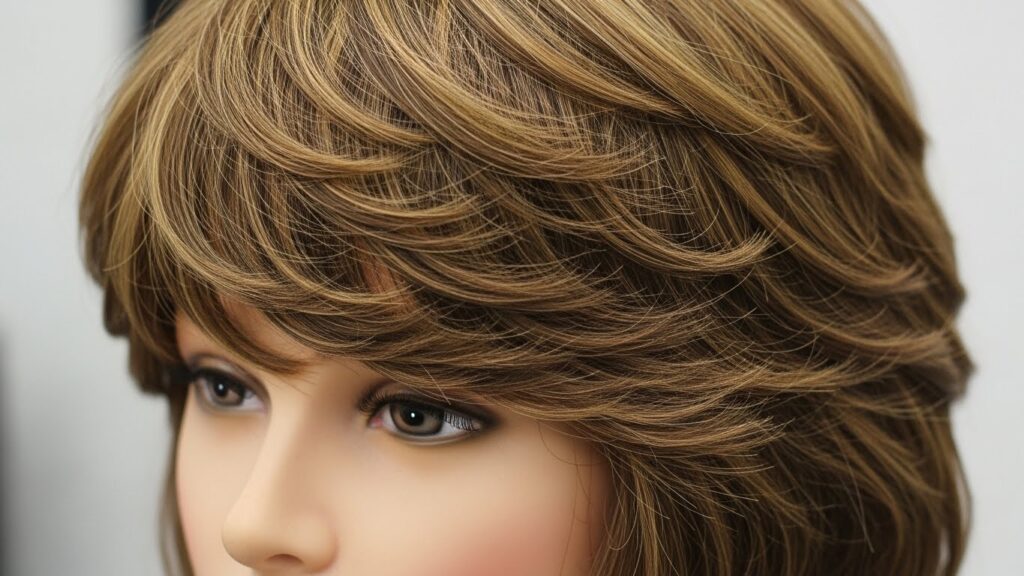
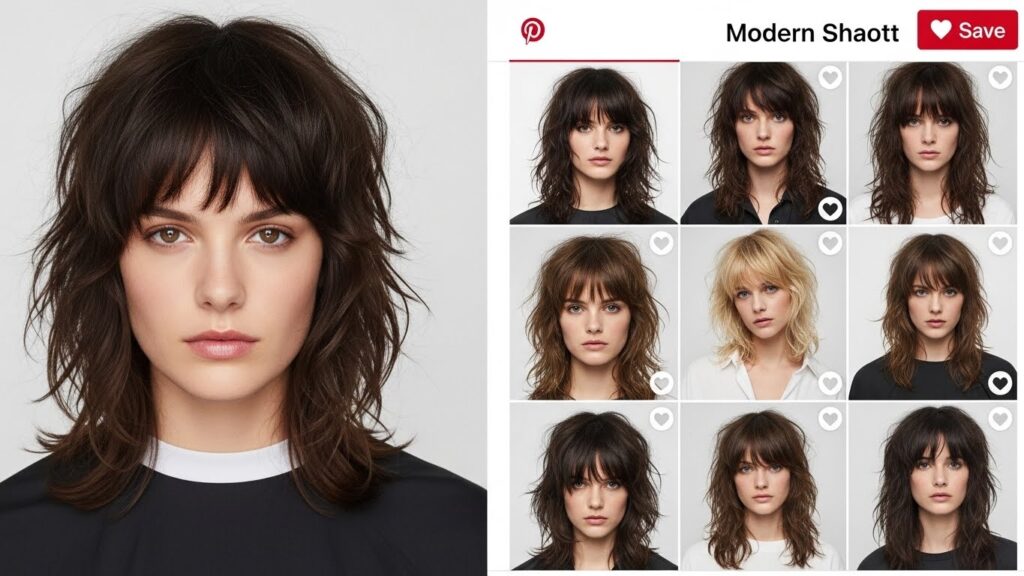
Softer, Smudged Layers: Gone are the harsh, defined lines. The modern Rachel features feathered, diffused layers that blend seamlessly into one another. The graduation is more subtle, creating movement without the stark “shelf” effect of the original. Layers are cut with techniques like point cutting to remove weight and create a airier, less bulky shape.
Embracing Texture (Any Texture!): This is the biggest shift. The Rachel 2.0 is designed to work with your natural hair texture—whether it’s pin-straight, wavy, or curly. Instead of fighting to create uniform volume, stylists cut to enhance your hair’s innate pattern. For wavy hair, this means layers that encourage definition. For straight hair, it might mean adding subtle internal texture with a razor.
Lived-In, Dimensional Color: Chunky, contrasting highlights are out. The modern companion to this cut is balayage, babylights, or shadow roots. The goal is soft, sun-kissed dimension that grows out gracefully, eliminating the harsh line of regrowth. The color melts into the cut, enhancing the layers without overpowering them.
The “Undone” Finish: Forget the helmet-like blowout. Styling the Rachel 2.0 is about texture. Think beach waves created with a curling wand set to a low temperature, or simply scrunching in a texturizing spray or mousse on damp hair and letting it air-dry. The finish is piecey, separated, and intentionally a little messy.
How to Ask Your Stylist for the Rachel 2.0
Walking into a salon and saying “I want The Rachel” might send a chill down your stylist’s spine. Communication is key to getting the contemporary version. Here’s your script:
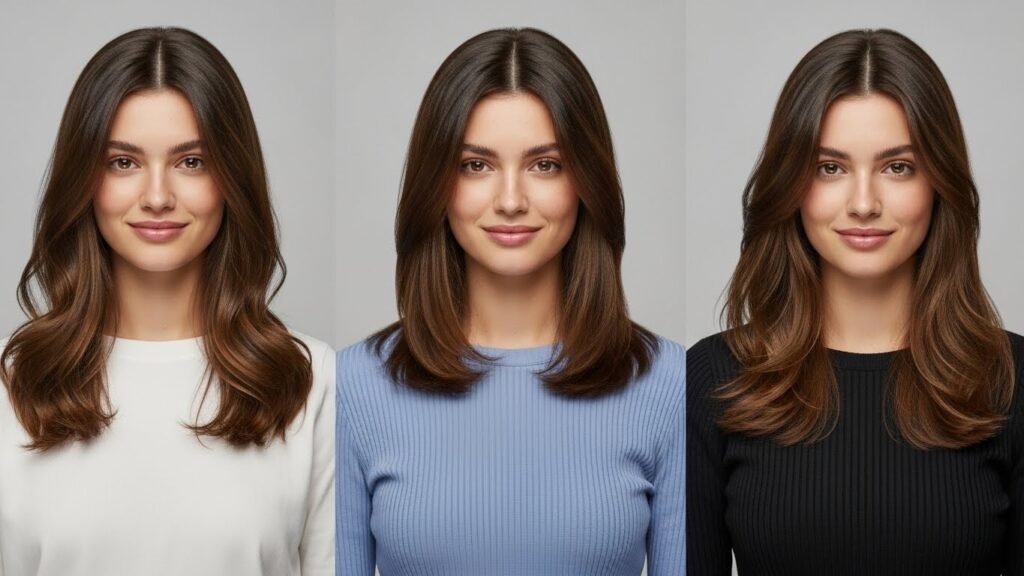
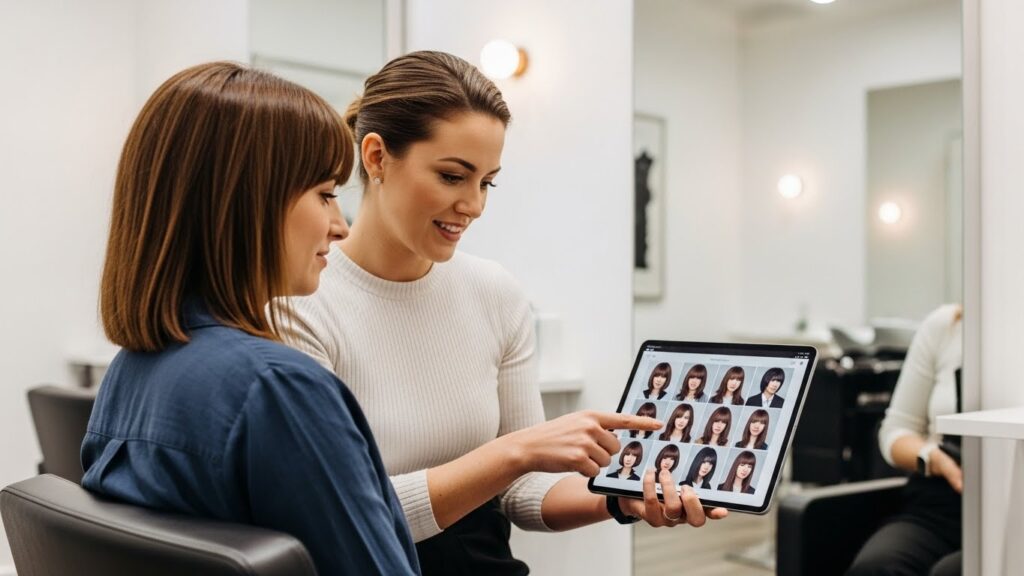
Do Your Homework: Bring photos—but make sure they’re of modern shags or lobs (long bobs). Look for terms like “modern shag,” “textured lob,” or “soft layered haircut” on Instagram or Pinterest.
Use the Right Vocabulary: Say you want “a modern take on the shag” with “soft, blended layers around my face” and “lots of texture and movement.” Emphasize that you want a low-maintenance cut that works with your natural texture. Specifically mention you want to avoid any harsh or chunky lines.
Discuss Your Lifestyle: Be honest about how much time you spend on your hair. A good stylist will tailor the weight and length of the layers to your styling commitment. The true Rachel 2.0 should look good with minimal effort.
Styling and Maintaining Your Modern Rachel
The beauty of this update is its ease. Maintenance is more about healthy hair and the right products than complex techniques.
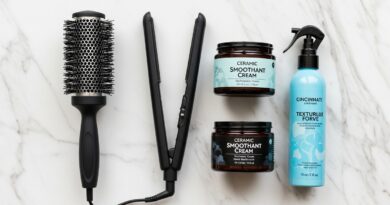
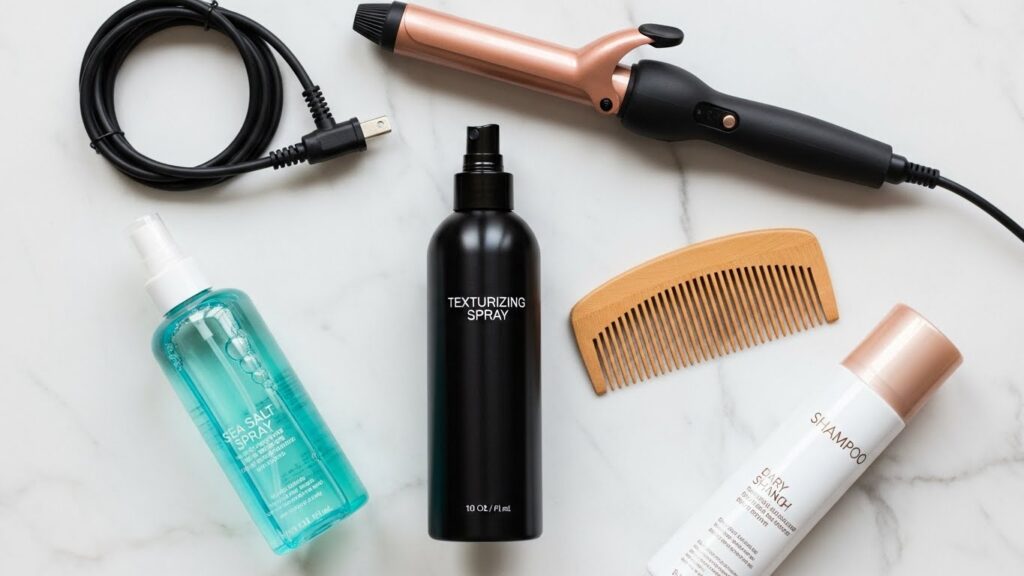
Product Arsenal: Ditch the heavy gels and mousses of the ‘90s. Invest in a good texturizing spray, a sea salt spray for wave, and a lightweight volumizing foam. A dry shampoo is your best friend for adding grit and lift at the roots between washes.
Styling Simplified: For a quick style, apply a texturizing product to damp hair, scrunch, and let it air-dry. To enhance waves, use a wide-barrel curling wand on random sections, focusing on the mid-lengths to ends, and always break up the curls with your fingers. The goal is separation, not uniform curls.
Trim Schedule: To keep the shape looking fresh and avoid the layers growing into a shapeless mass, plan for a trim every 10-12 weeks. This maintains the precision of the face-framing layers and the overall health of the ends.
More Than a Haircut: A Symbol of Evolved Confidence
The original Rachel was a symbol of a character—and a generation—figuring out their identity. It was bold, ambitious, and sometimes a little trying-too-hard. The Rachel 2.0 reflects a different kind of confidence. It’s the confidence of ease, of embracing natural texture, and of prioritizing personal comfort alongside style. It’s less about replicating a perfect look from a TV screen and more about adapting an iconic shape to serve your real life.
This modern makeover proves that great style is timeless, but it must also be adaptable. It takes the communal memory of a beloved trend and personalizes it, making it relevant for today’s world. So, whether you’re a ‘90s kid feeling nostalgic or a Gen Z-er discovering the cut for the first time, the Rachel 2.0 offers the best of both worlds: the iconic shape of the past, reimagined for the effortless, individualistic spirit of the present.
Ready for the chop? The Rachel 2.0 isn’t just a blast from the past; it’s a testament to how classic beauty evolves. It’s a haircut that finally lives up to its promise—offering style, movement, and frame-perfect flair, but on your own, wonderfully low-maintenance terms.