The Rapunzel Cut: Growing and Maintaining Extra-Long Hair
For centuries, the image of Rapunzel letting down her impossibly long, golden hair has captivated our imaginations. It’s a symbol of beauty, patience, and a touch of magic. In the modern world, achieving that “Rapunzel cut”—hair that falls well past your shoulders, often to your waist or beyond—is a dream for many. But is it a fairy tale reserved for storybooks, or an attainable goal? The truth is, growing and maintaining extra-long hair is less about magic and more about meticulous science and consistent care.

What Exactly is a “Rapunzel Cut”?
Contrary to its name, a Rapunzel cut is not a one-length, never-touched style. In salon terms, it refers to very long hair that is meticulously maintained. The goal is to have length that is impressive not just for its measure, but for its health. A true Rapunzel cut has movement, shine, and thick ends. It often involves subtle layering or shaping around the face and throughout the lengths to remove weight, add dimension, and prevent a heavy, triangular shape. This strategic cutting is the paradox at the heart of growing long hair: you must cut it to help it grow longer-looking and healthier.
The hallmark of this style is hair that looks intentional and cared for, not neglected. It’s about quality over mere quantity. Whether your hair is straight, wavy, or curly, the principles of health, moisture, and protection remain the same. The journey begins with understanding your hair’s biology and committing to practices that support its growth cycle from root to tip.
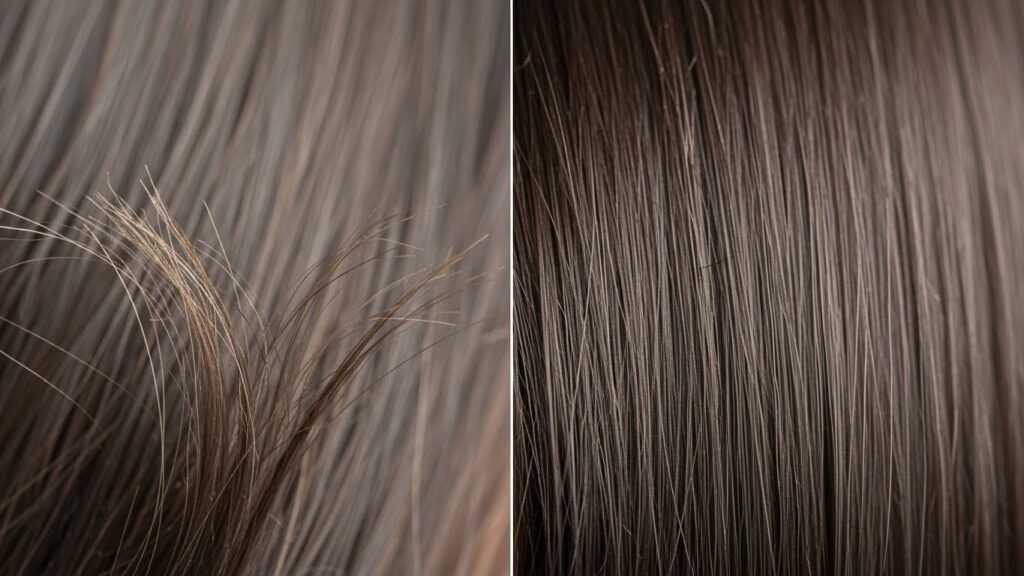
The Foundation: Scalp Health and Growth Nutrition
You cannot build a tower without a strong foundation, and you cannot grow long hair without a healthy scalp. Think of your scalp as the soil from which your hair grows. A clean, well-circulated, and balanced scalp environment is non-negotiable. This means regular cleansing to remove product buildup and excess oils without stripping natural moisture. Incorporate a gentle scalp massage into your washing routine to stimulate blood flow, which brings vital nutrients to the hair follicles.
Internally, your hair is a reflection of your overall health. Hair is primarily made of keratin, a protein, so ensuring adequate protein intake from sources like eggs, fish, legumes, and lean meats is crucial. Equally important are iron, omega-3 fatty acids, biotin, and vitamins A, C, D, and E. These nutrients support cell growth, collagen production (for the scalp’s structure), and shine. Staying hydrated is also fundamental; dehydrated hair becomes brittle and prone to breakage, stalling your length goals before the strands even reach your shoulders.

The Art of the “Dusting” Trim: Your Secret Weapon
This is the most critical lesson for aspiring Rapunzels: regular trims are not the enemy of growth; they are its guardian. When you go months or years without a trim, split ends travel up the hair shaft like a crack in a windshield. This leads to breakage, forcing you to cut off far more length than if you had maintained it consistently. The solution is the “dusting” trim.
Dusting involves taking off the tiniest possible amount—literally just the frayed tips—every 8 to 12 weeks. You’re not cutting for style or shape, but for health preservation. This proactive approach seals the hair’s cuticle, prevents splits from climbing, and maintains a thick, full hemline. Communicate clearly with your stylist: your goal is retention, not a style change. A skilled professional will search-and-destroy individual split ends while maintaining your overall length.

A Gentle Hair Care Ritual for Delicate Lengths
Long hair is old hair. The ends on a waist-length mane are several years old and have endured countless washes, brushes, and environmental assaults. They require a gentle, almost fragile, approach. Start by washing less frequently to preserve natural oils. When you do wash, concentrate shampoo on the scalp only, letting the suds cleanse the lengths as they rinse out. Conditioner, however, should be focused from the mid-lengths to the ends, where moisture is desperately needed.
Detangling is a sacred ritual. Always use a wide-tooth comb or a brush designed for detangling, starting from the very ends and working your way up slowly to the roots. Never rip a brush through from the scalp down. Before detangling, apply a leave-in conditioner or detangling spray to provide slip. When your hair is wet, it is at its most vulnerable, so treat it with extreme care to prevent stretching and snapping.

Protective Styling: The Key to Length Retention
If you want your hair to survive daily life and actually grow, you must protect it. Protective styling minimizes friction against clothing, reduces exposure to sun and wind, and prevents tangling and mechanical damage. The goal is to shield the fragile ends. Classic protective styles include loose braids (a single braid down the back or pigtail braids), gentle buns secured with a silk scrunchie (never a tight elastic), and twists.
At night, the protection continues. Swap your cotton pillowcase for silk or satin. These materials create far less friction than cotton, meaning you wake up with fewer tangles, less breakage, and better moisture retention. Consider also loosely braiding your hair or putting it in a loose silk bonnet before bed. This simple switch is one of the most effective changes you can make for long hair health.

What to Avoid on Your Rapunzel Journey
Knowing what not to do is half the battle. Heat styling is the arch-nemesis of long-term length. Blow dryers, flat irons, and curling wands dehydrate hair and cause cumulative damage that leads to breakage. If you must use heat, always apply a robust heat protectant and use the lowest effective temperature. Embrace your natural texture as much as possible.
Be wary of chemical processes like bleaching, permanent dye, and perms. These processes compromise the hair’s internal structure, making it weak, porous, and prone to snapping. Also, avoid tight hairstyles like high, taut ponytails or buns that put constant tension on the hairline and can lead to traction alopecia. Choose your hair accessories wisely—avoid metal clips and elastics with metal parts that can snag and tear the hair shaft.

Patience and Mindset: The Final Ingredient
Growing a Rapunzel cut is a marathon, not a sprint. The average human hair grows about half an inch per month. To reach waist length from a shoulder-length cut can take four to six years. There will be awkward phases, frustration, and the temptation to chop it all off. Your mindset is your most powerful tool. Focus on the health of your hair each day, not the length in the mirror each week. Celebrate small victories like reduced breakage, increased shine, or successfully navigating a new protective style.
Document your journey with monthly photos from the back. Over time, you will see progress that isn’t noticeable day-to-day. Remember, the Rapunzel cut is not just an endpoint; it’s a practice of consistent, loving care. It’s about cultivating a relationship with your hair where its well-being is the priority.

Conclusion: Your Fairy-Tale Length Awaits
The dream of a Rapunzel cut is beautifully attainable, but it requires a commitment to shifting from a style-focused approach to a health-focused philosophy. It’s built on the pillars of scalp care, strategic trimming, gentle handling, protective styling, and immense patience. By understanding that every brush stroke, every wash, and every night’s sleep is an opportunity to either protect or damage your hair, you take control of your growth journey.
Start today by implementing one or two of these practices. Be consistent, be kind to your hair, and most importantly, be patient. With time and dedication, you won’t just have long hair—you’ll have a magnificent, healthy crown that truly deserves the name Rapunzel cut.