The Return of Classic Hair Shapes With Modern Texture
If you’ve felt a shift in the air—or rather, in the strands—you’re not alone. The salons and streets are buzzing with a familiar yet fresh energy. We’re witnessing a powerful movement in hair: the triumphant return of classic shapes. But this isn’t a simple retro rehash. These iconic silhouettes—the bob, the shag, the lob—are being reborn, not with the stiff, shellacked perfection of their original eras, but with a modern, lived-in, deeply textured finish. It’s the marriage of timeless structure with contemporary ease, and it’s revolutionizing how we think about a great haircut.
Why Now? The Cultural Shift Towards “Effortless” Beauty
The resurgence of textured classics is no accident. It mirrors a broader cultural pivot towards authenticity and practicality. After years of ultra-polished, filter-perfect beauty standards dominating social media, there’s a collective craving for something real, tactile, and human. Hair, as one of our most personal forms of expression, is leading this charge.
This trend also aligns with the “less is more” philosophy in our routines. People want haircuts that work with their natural texture, not against it. They want to wash, maybe add a product, scrunch, and go. The modern textured cut is designed to air-dry beautifully, to look intentional even when it’s messy. It’s a rejection of over-styled, heat-damaged hair in favor of health, movement, and personal character. The classic shapes provide the flattering framework, while the modern texturizing techniques ensure it feels uniquely yours.

The Reimagined Classics: Cuts Defining the Trend
So, which iconic shapes are getting the texture treatment? Let’s break down the key players you’ll be asking your stylist for.
The Textured Bob
The classic bob—chin-length and blunt—is the epitome of chic. Its modern evolution? Softer, more fragmented, and full of air. Instead of a single, solid line, today’s bob features razored or point-cut ends to remove weight and create separation. Layers might be subtly incorporated around the interior to encourage volume without losing the overall shape. The result is a bob that moves, bends, and frames the face with a feathered softness, perfect for straight to wavy hair.
The Modern Shag
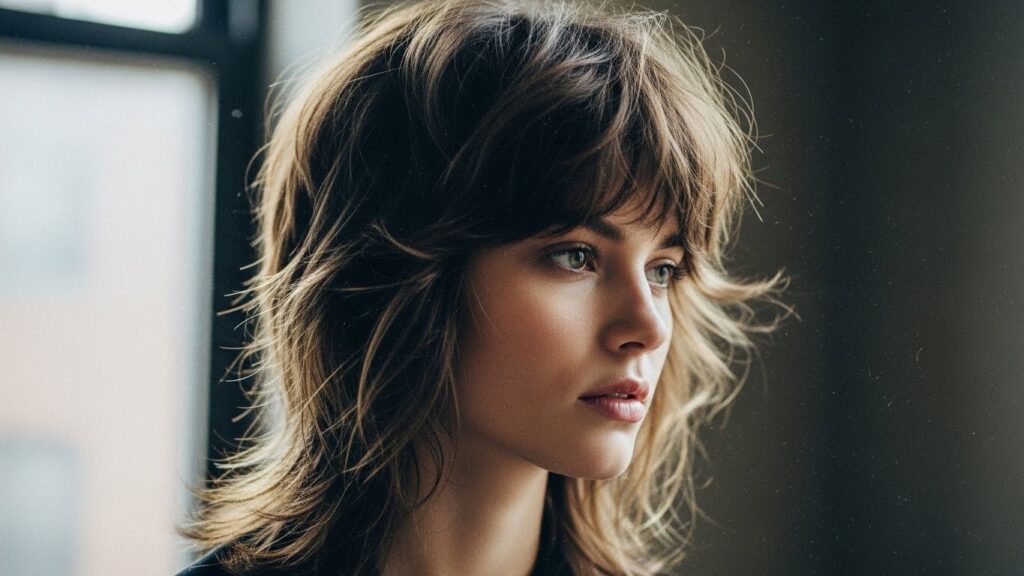
If one cut embodies this trend entirely, it’s the shag. The 70s icon is back with a vengeance, but updated. The modern shag is more customized and less uniform. It uses heavy internal layering and strategic curtain bangs to create a cascade of texture that moves light around the face. The key difference is in the finish: where original shags could look thin or scraggly, today’s versions are cut with more precision to maintain density at the crown and ends, creating a luxurious, rock-and-roll volume that’s surprisingly wearable.
The “Lob” with a Lived-In Feel
The long bob (or “lob”) has been a staple for years, but its current iteration is all about undone texture. Hitting between the chin and collarbone, this cut uses long, sweeping layers and face-framing pieces to break up the length. The goal is a shape that looks effortlessly cool, as if you’ve just come from the beach or undone a day-old updo. It’s the ultimate low-commitment, high-impact cut.

The Art of the Texture: Techniques Over Tools
This trend isn’t just about the cut—it’s about the technique. Stylists are moving away from creating texture solely with hot tools and instead are building it into the hair with shears.
Point Cutting & Notching: Instead of cutting straight across, stylists cut into the ends at an angle, creating tiny gaps that allow hair to clump together in natural, piece-y sections.
Razor Cutting: Using a razor blade (not a shaver) gently shaves sections of the hair strand, thinning it out and creating a feathered, soft edge that is impossible to achieve with shears alone.
Slide Cutting: The stylist slides shears down the hair shaft while partially closed. This removes bulk, encourages movement, and helps blend layers seamlessly for that “lived-in” effect from day one.
These techniques mean your hair has built-in body and pattern. You’re not fighting limpness with a curling iron; you’re enhancing the shape that’s already there.

Styling for the Modern Texture: Less is More
Styling this look is where the “modern” part truly shines. The philosophy is minimalist and product-driven.
Embrace Air-Drying: Start with a good texturizing spray or mousse on damp hair. Scrunch gently and let it dry naturally for the most authentic, effortless wave and volume.
Strategic Diffusing: If you need speed, use a diffuser on low heat and power. Scrunch hair upwards in the diffuser bowl to lift the root and enhance your natural wave pattern without blowing the texture out.
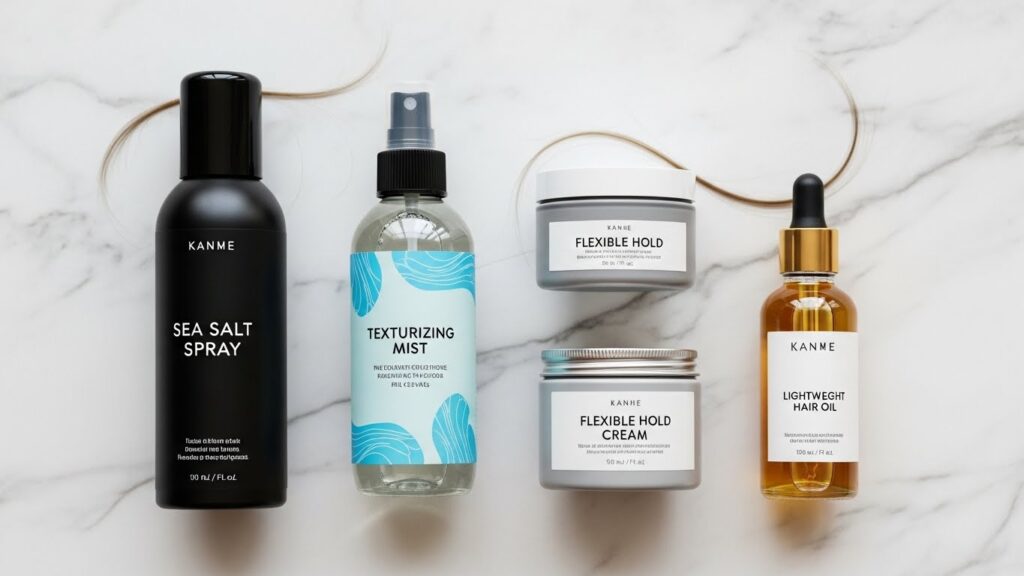
Product Power: The right products are non-negotiable. Look for sea salt sprays, texturizing mists, and flexible hold creams. These add grit, separation, and hold without crunch or stiffness. A drop of oil on the ends can tame frizz while maintaining separation.
Tool Trick: If you use a curling iron or wand, avoid uniform curls. Wrap random sections in alternating directions, and leave the ends out for a looser, more undone finish. Always break up the curls with your fingers afterward.
Is This Textured Classic Right For You?
The beauty of this trend is its incredible adaptability. These shapes can be customized for almost every hair type and face shape. The key is communication with your stylist.
For fine hair, texturizing techniques can create the illusion of thickness and body without sacrificing length. For thick hair, they remove oppressive weight and unleash natural movement. Curly hair can benefit from a textured shape that honors the curl pattern while providing shape and reducing bulk. Bring inspiration photos, but be open to your stylist’s interpretation for your unique hair density, texture, and lifestyle.
This movement is more than a passing fad; it’s a correction in perspective. It values the artistry of the cut above the artifice of daily styling. It champions hair that looks and feels like hair—with all its beautiful variability and movement. So, if you’re yearning for a cut that combines the sophistication of a bygone era with the easy, confident spirit of today, look no further. The classic shape with modern texture isn’t just a style; it’s a liberation.