The Return of Natural Partings
For decades, the beauty and hair industry operated on a simple, forceful mandate: control. We were taught to fight our hair’s natural texture, to blast it straight, to curl it against its will, and, perhaps most universally, to impose a parting upon it that suited a trend rather than our own anatomy. The middle part reigned supreme, then the deep side part took over, each decree sending us scrambling with combs, brushes, and cans of hairspray to force our hair into submission. But a quiet, powerful revolution is underway. It’s a return to ease, to individuality, and to the wisdom of our own bodies. Welcome to the era of the natural parting.
What Exactly is a “Natural Parting”?
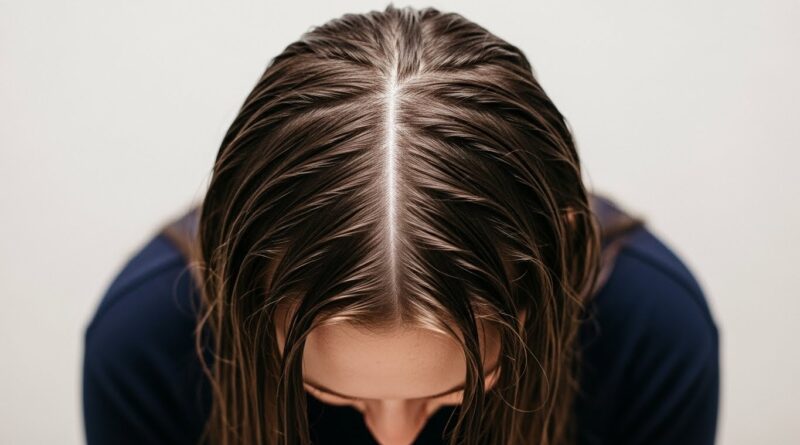
Your natural parting is the line your hair creates on its own when it’s clean, damp, and gently encouraged to fall forward without forceful styling. It’s determined by the direction of your hair’s growth from the follicle, a map written in your DNA. For some, this might be a clean, sharp line slightly off-center. For others, it could be a soft, zig-zagging path, a wider section, or even a cowlick that wants to dictate its own style. The key identifier? It requires no backcombing, no forceful training, and no fight.
This stands in stark contrast to the constructed parting—a precise, often razor-straight line created with the fine tip of a comb, secured with product, and maintained through daily discipline. While constructed partings have their place and drama, the natural parting is about collaboration rather than domination. It’s working with what you have, not against it.
The “Why Now?”: Drivers of the Natural Parting Renaissance
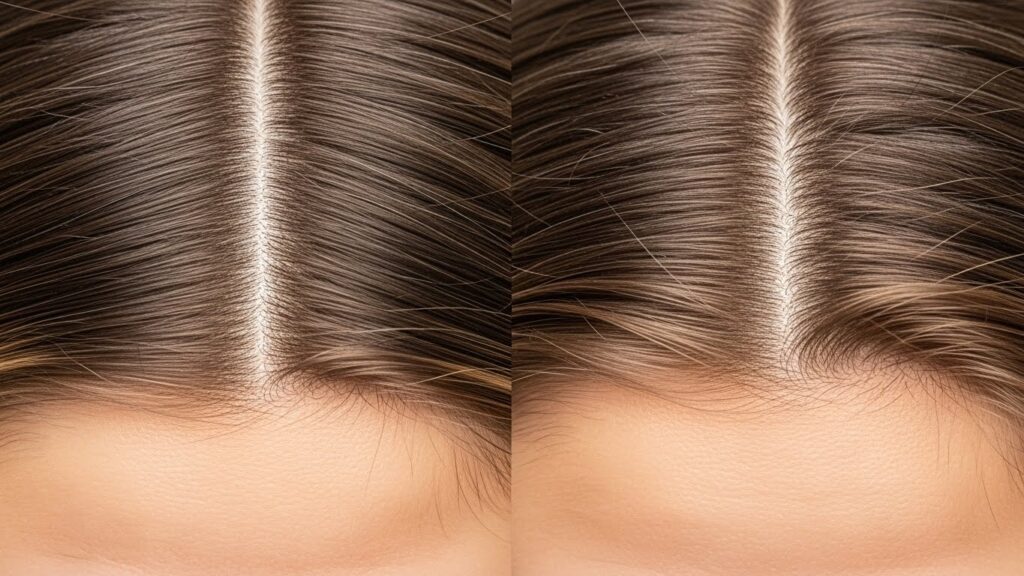
Several cultural and aesthetic currents have converged to make this the perfect moment for natural partings to shine. First and foremost is the wellness and hair health movement. As people become more educated about the damaging effects of excessive heat styling, tight ponytails, and constant tension on the scalp (traction alopecia is a real concern), a low-manipulation approach has gained immense traction. Letting your hair follow its natural parting minimizes stress on the follicles.
Secondly, the rise of authenticity and individuality in beauty standards has dethroned the one-size-fits-all ideal. Social media, once a highlight reel of perfection, now celebrates quirks, unique features, and “real” beauty. Your natural parting is as unique as your fingerprint—embracing it is a statement of self-acceptance.
Finally, the overarching trend towards effortless, “clean girl” and “quiet luxury” aesthetics values looking polished but not overly done. A natural parting is the cornerstone of this look—it implies you woke up like this, with innate chicness and confidence.

The Tangible Benefits: More Than Just a Trend
Adopting your natural parting isn’t just a stylistic choice; it delivers real, measurable benefits for your hair and appearance.
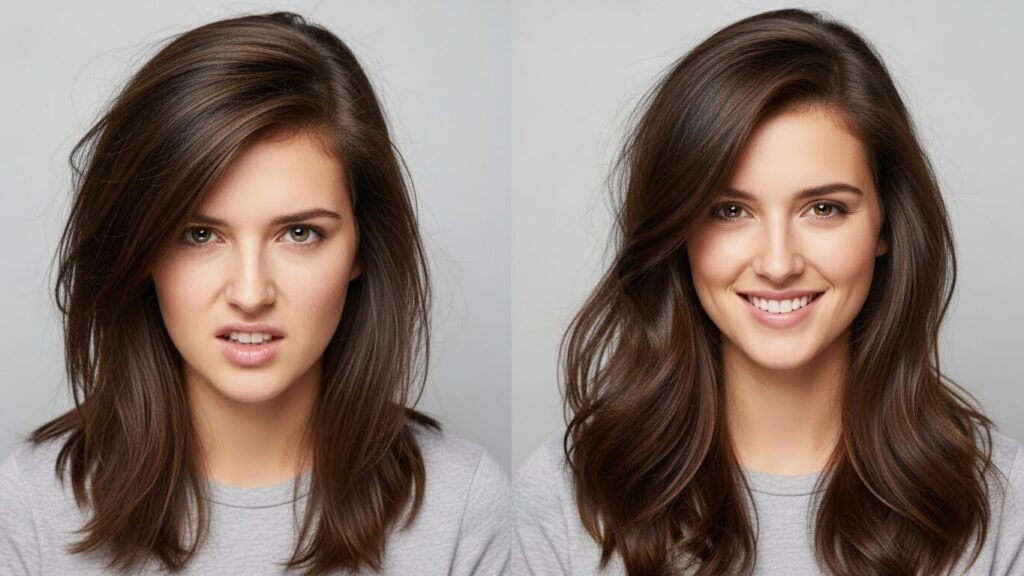
Unbeatable Volume and Lift: When hair is forced into a parting against its growth pattern, it often lies flatter and more resistant at the roots. Your natural parting allows hair to flow in the direction it wants to, which typically creates instant, effortless root lift and volume on both sides of the part.
Enhanced Hair Health: As mentioned, reducing constant tugging, brushing, and product application on a specific, forced scalp line minimizes breakage and tension. It can give delicate edges and fine hair a much-needed break to thrive.
A Softer, More Flattering Look: A natural parting tends to be less severe and geometric. It often falls where your face naturally “wants” it to, subtly framing your features in a harmonious way. It can soften a strong jawline or highlight cheekbones more effectively than a rigid, centered line.
The Ultimate Time-Saver: This is perhaps the most practical benefit. Styling time is drastically reduced. Your blow-dry or air-dry routine becomes about enhancing, not fighting, leading to quicker, more consistent good hair days.
How to Find and Style Your Natural Parting
Ready to ditch the comb and find your hair’s true path? The process is beautifully simple.
Step 1: The Reset. Start with freshly washed, towel-dried hair. Avoid any heavy products at this stage.
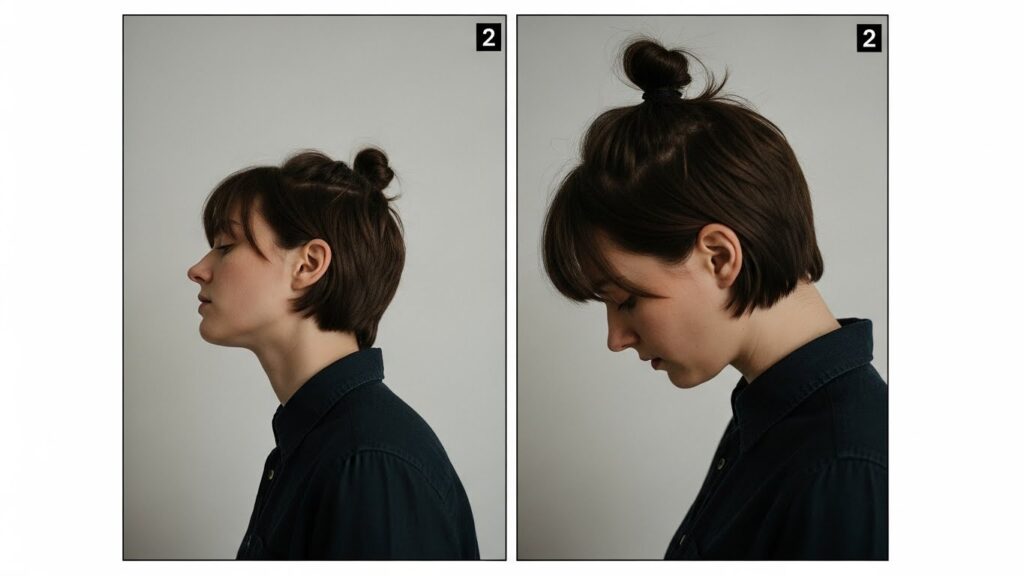
Step 2: The Fall. Tilt your head forward and let your hair fall freely over your face. Gently shake your head from side to side. Using just your fingertips—no tools—lightly massage your scalp at the crown to encourage hair to release from any styled pattern.
Step 3: The Lift. Slowly lift your head back up, allowing your hair to fall back naturally. Look straight into the mirror. Where does it want to separate? You might see a clear line, or you might just see a tendency for hair to cluster on one side. That’s your guide.
Step 4: The Set. If you need a bit more definition, use the handle of a rat-tail comb or your finger to gently trace and emphasize that existing line, but don’t create a new one. Then, style as usual. When blow-drying, direct airflow from the roots in the direction of the natural growth for added volume and set.
Pro Tip: If you have a stubborn cowlick or double crown, consider them part of the architecture. Style damp hair by working with the cowlick’s direction, using a bit of product to smooth rather than suppress it.
Beyond the Part: The Holistic Philosophy of Natural Hair
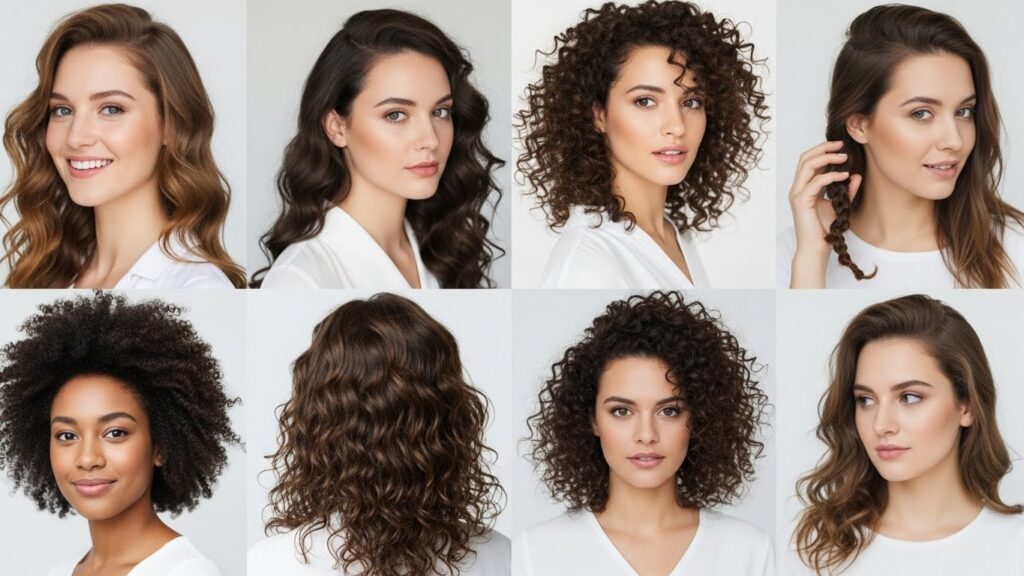
The natural parting is often the gateway to a broader embrace of natural hair texture. It’s the first step in a chain of acceptance—if you’re not fighting your part, why fight your wave, your curl, or your coil? This movement dovetails perfectly with the curly girl method, the wavy hair revolution, and the celebration of natural gray hair. It’s all part of the same ethos: your hair is most beautiful when it is most itself.
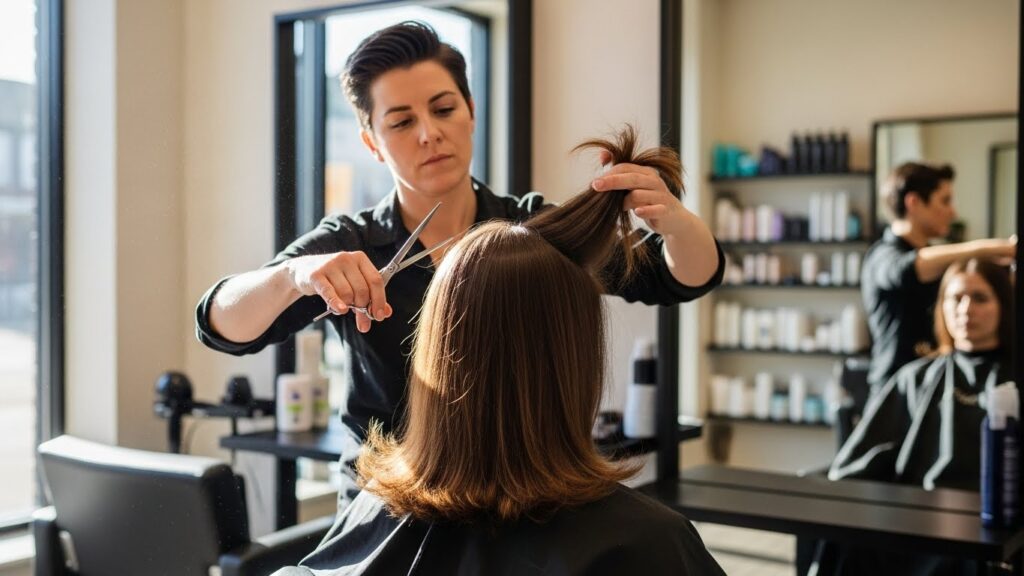
This philosophy extends to cutting techniques as well. More stylists are now advocating for cuts that are “part-specific”—meaning your hair is cut and layered while falling in its natural parting, ensuring the shape and movement are perfect for how you actually wear your hair every day, not just how it looks when forcibly parted in the salon chair.
Embracing the Imperfectly Perfect
The return of the natural parting is more than a styling tip; it’s a metaphor. In a world that often demands conformity and polished perfection, choosing to let your hair be as it grew in is a small, daily act of self-trust. It’s an acknowledgment that the best features are often the ones we were born with, not the ones we construct.
So, tomorrow morning, put down the fine-tooth comb. Tilt your head forward, shake it out, and let your hair tell you where it wants to go. You might just find that its instinct is better than any trend magazine’s advice. The natural parting is back because, in truth, for those seeking ease, health, and authentic beauty, it never should have left.