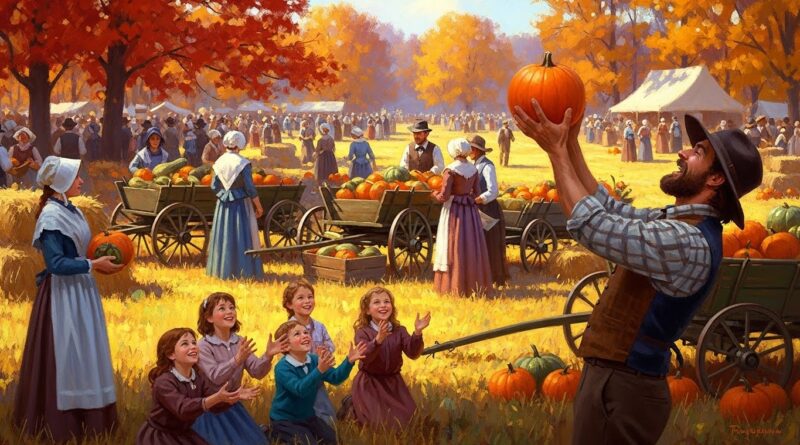
The Richmond Lob: Virginia Historic Medium
In the tapestry of American history, certain threads are vibrantly colored and widely recognized, while others are more subtle, woven deeply into the local fabric of a place. Virginia, a state brimming with foundational narratives, holds many such stories. Among them is the curious, charming, and historically rich tradition known as the Richmond Lob. More than a mere act or artifact, the Lob stands as a historic medium—a unique mode of communication, celebration, and community bonding that has echoed through the streets of Virginia’s capital for generations. This post delves into the origins, evolution, and enduring significance of this distinctive practice.
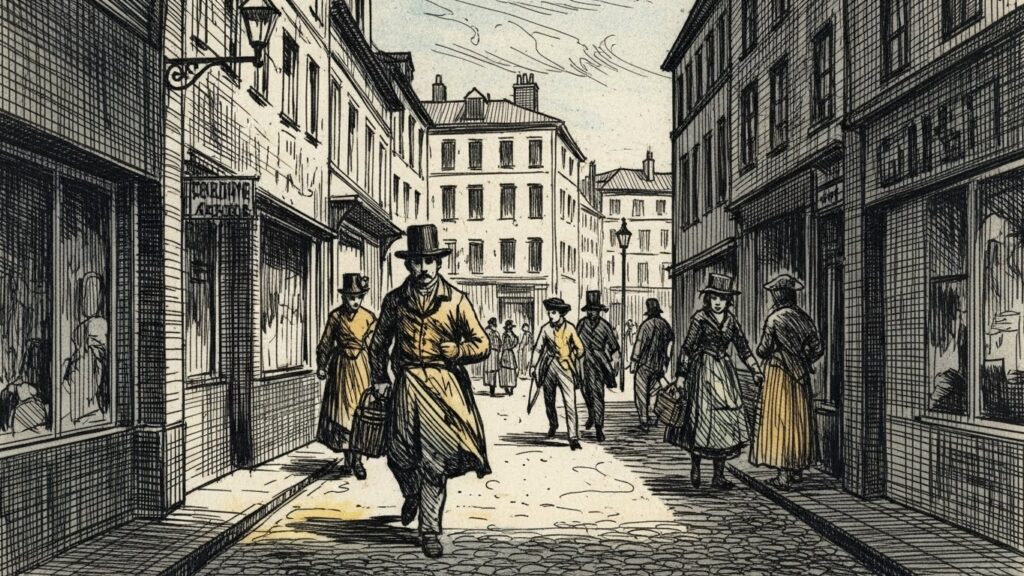
Unpacking the Term: What Exactly Was the “Lob”?
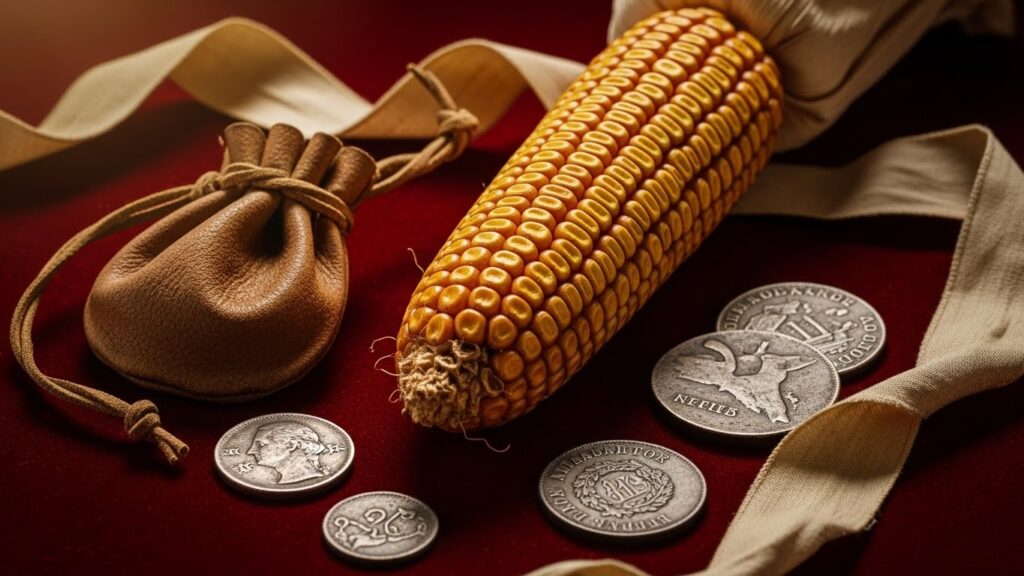
To the modern ear, “lob” might conjure images of a tennis shot or a gentle throw. In the context of Richmond history, it encapsulates both action and object. The Richmond Lob traditionally referred to the ceremonial or communal tossing of a specific item—often a harvested crop like a particularly fine ear of corn, a small sack of tobacco, or later, a specially made bundle. This wasn’t a haphazard throw; it was a deliberate, underhand arc, a gesture meant to share bounty, settle friendly disputes, or mark an agreement.
As a medium, it served as a physical vehicle for meaning. The act of lobbing transferred not just an object, but goodwill, honor, or a challenge. It was a form of nonverbal contract sealing in market squares, a celebratory highlight at harvest festivals, and a symbolic bridge between different social strata. The object itself, often decorated or chosen with care, became a token of Richmond’s identity, deeply tied to its agricultural and mercantile roots.
Roots in the Soil: Agricultural and Social Origins
The practice is believed to have taken root in the early 19th century, emerging from the fertile agricultural landscape of the James River basin. After harvest, communities would gather. Farmers would showcase their best produce, and the “lob” became a playful yet respectful way to present a sample to a landowner, a merchant, or a visiting dignitary. Catching a lobbed prize was considered good luck.
Critically, the Lob also functioned in the complex social ecosystem of the time. In a city that was the heart of the Confederacy and later a focal point of Reconstruction, the Lob occasionally served as a ritualized equalizer. Within specific, often segregated community events, the act of lobbing and catching required cooperation and momentarily redirected focus to a shared, simple goal. Historical records, including diaries and local newspaper snippets, describe its role in market day traditions and church picnics, suggesting it was a thread of common experience.
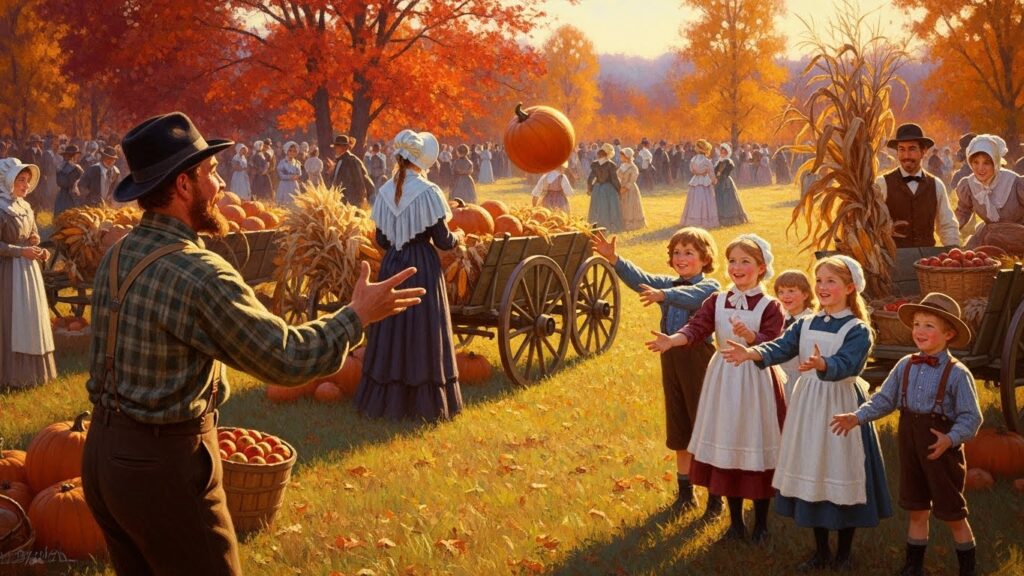
The Lob Evolves: From Crop to Craft to Symbol
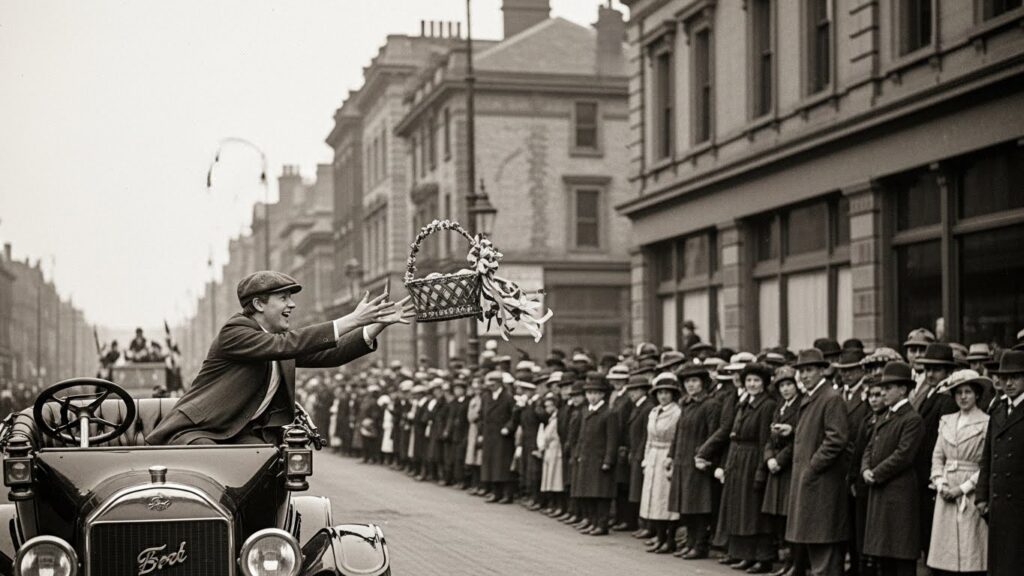
As Richmond industrialized in the late 1800s and early 1900s, the nature of the Lob evolved. The tossed object transitioned from raw agricultural product to crafted items. Small, woven baskets, commemorative wooden balls, and even specially minted tokens began to be used. This shift marked the Lob’s transformation from a purely agrarian custom to a broader civic tradition.
It found a formalized place in holidays and parades. The most documented is its association with Monument Avenue dedications and early Dogwood Festival events in the 20th century. Here, the Lob was sanitized and romanticized, becoming a symbol of city pride and nostalgia. The medium’s message was subtly rewritten, yet its core function—creating a moment of shared attention and connection through a graceful, arcing toss—remained intact. This period also saw the first conscious efforts to document and “preserve” the Lob as a piece of Virginiana, solidifying its status as a historic medium.
Why Call It a “Historic Medium”?
Labeling the Richmond Lob a historic medium is intentional. It moves beyond calling it a mere “tradition” or “custom.” A medium is a channel of communication. The Lob communicated:
Community Values: It physically enacted sharing, skill, and local pride.
Social Agreements: A caught Lob could signal a closed deal or a accepted invitation.
Cultural Continuity: The repetition of the act across generations linked Richmonders to their past.
Unlike a written document or a speech, the Lob was an embodied, participatory medium. Its meaning was created in the action itself—the wind-up, the arc, the catch (or sometimes the comedic drop). This physicality is key to understanding its emotional resonance and its persistence in local memory.

The Lob in Modern Memory and Revival Attempts
Like many localized traditions, the widespread practice of the Richmond Lob faded in the post-World War II era, succumbing to urbanization and changing social rhythms. However, it never completely vanished from memory. It lived on in family stories, in the archives of the Virginia Historical Society, and as a quirky footnote in local history books.
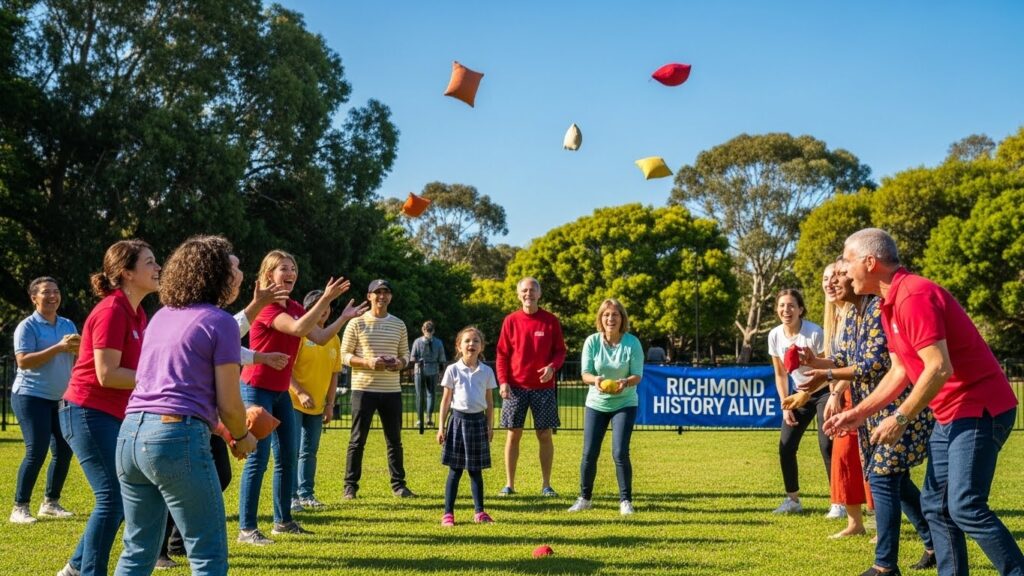
In recent decades, there have been conscious revival efforts. Historical reenactment groups have incorporated it into living history demonstrations. During Richmond’s 300th-anniversary celebrations, a ceremonial “Great Lob” was performed. Local artists have referenced it in sculptures and murals, reinterpreting the medium for a new age. These efforts highlight a community’s desire to reconnect with a tangible, interactive past—to not just read about history but to feel the weight of it in their hands and trace its arc through the air.
Conclusion: The Arc of History
The Richmond Lob is a powerful reminder that history is not only made through grand events and famous figures. It is also crafted in the repeated, shared gestures of everyday people. As Virginia’s historic medium, the Lob carried meanings of prosperity, agreement, and community spirit across the centuries. Its story is one of adaptation, from farm field to city square, and its legacy is a testament to the human need for symbolic connection.
Today, understanding the Lob enriches our appreciation of Virginia’s complex cultural heritage. It challenges us to look for the living mediums in our own communities—the traditions, gestures, and objects that carry meaning from one generation to the next. The next time you’re in Richmond, look beyond the monuments. Imagine the arc of a simple, meaningful toss through time, and you’ll connect with a uniquely Virginian chapter of history.