The Right Way to Use Dry Shampoo (You’ve Been Doing It Wrong)
Let’s be honest: dry shampoo is nothing short of a modern miracle. It’s the secret weapon for busy mornings, the savior after a gym session, and the magic potion that promises to transform greasy, lifeless hair into a voluminous, fresh-looking mane. But what if we told you that you’ve likely been using it incorrectly this whole time? That frantic, all-over spray-and-run technique? It might be the very reason you’re dealing with chalky roots, weird texture, or hair that feels even dirtier.

The Great Dry Shampoo Mistake: Spraying and Praying
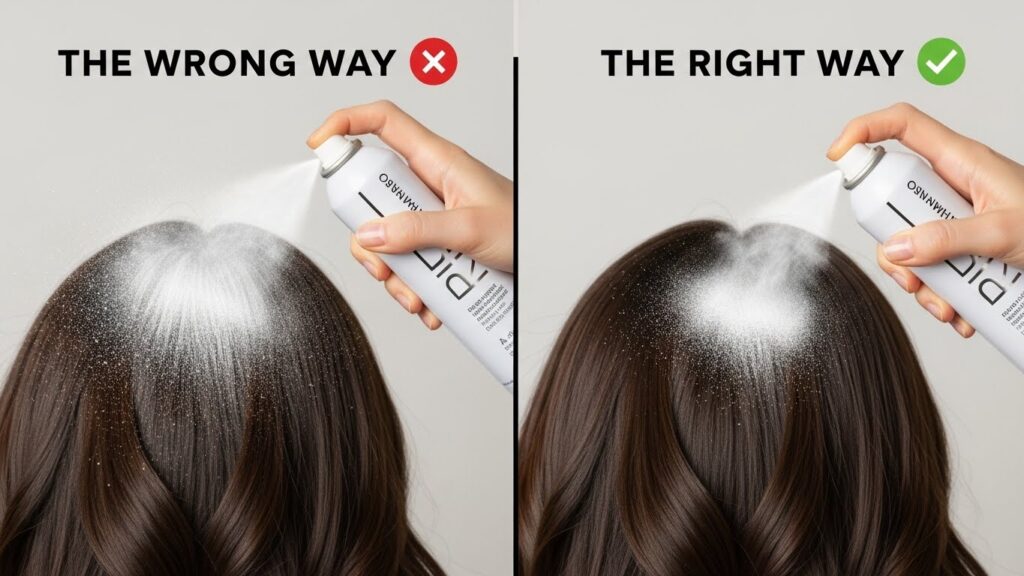
Most of us grab the can, shake it, hold it about a foot from our head, and spray a generous cloud all over our part. We then quickly run our fingers through it and call it a day. This “spray and pray” approach is the root of all dry shampoo evils. The product settles evenly but superficially, failing to reach the actual source of oil: your scalp. What you’re left with is a dusting of powder on the surface of your hair that looks white, feels gritty, and does a mediocre job at absorption.
The core principle you need to understand is this: Dry shampoo works by absorbing oil at the scalp. Its target is not the lengths of your hair, but the root zone where sebum is produced. By applying it incorrectly, you’re not solving the grease problem; you’re just adding another layer on top of it.
Step-by-Step: The Professional Application Technique
Follow this method for flawless, invisible oil absorption every single time.
1. Section Your Hair
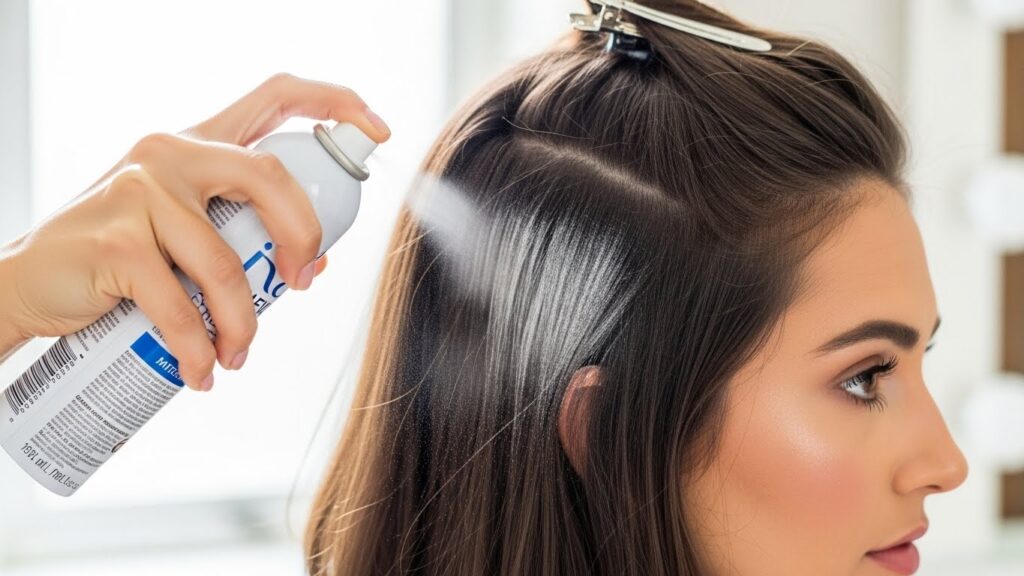
This is the most crucial step most people skip. You wouldn’t apply foundation to only the center of your face, right? Treat your scalp the same way. Use a comb or your fingers to create a horizontal part about two inches back from your hairline. Clip the top section up. This allows you to see and access the roots that are normally hidden. Continue creating sections, especially around the crown and temples where oil tends to gather.
2. The Right Distance & Target
Hold the can 6-10 inches away from your scalp—much closer than you probably think. Aim the nozzle directly at the exposed roots in your section, not the hair shafts. You want to hit the scalp line. A short, targeted burst is better than a long, sweeping spray.
3. Let It Sit (The Patience Payoff)
Do not touch it immediately! This is the second biggest mistake. Dry shampoo needs at least 2-5 minutes to work its magic. The formula needs time to actively absorb the oil and sebum. Use this time to do your makeup, brush your teeth, or pick your outfit. Letting it sit ensures the powders bind to the oil, making the next step effective.
Blending is Everything: Banishing the White Cast
After the product has sat, it’s time to blend. If you have dark hair and see a white residue, don’t panic—you haven’t ruined it. This just means there’s excess powder sitting on the surface.
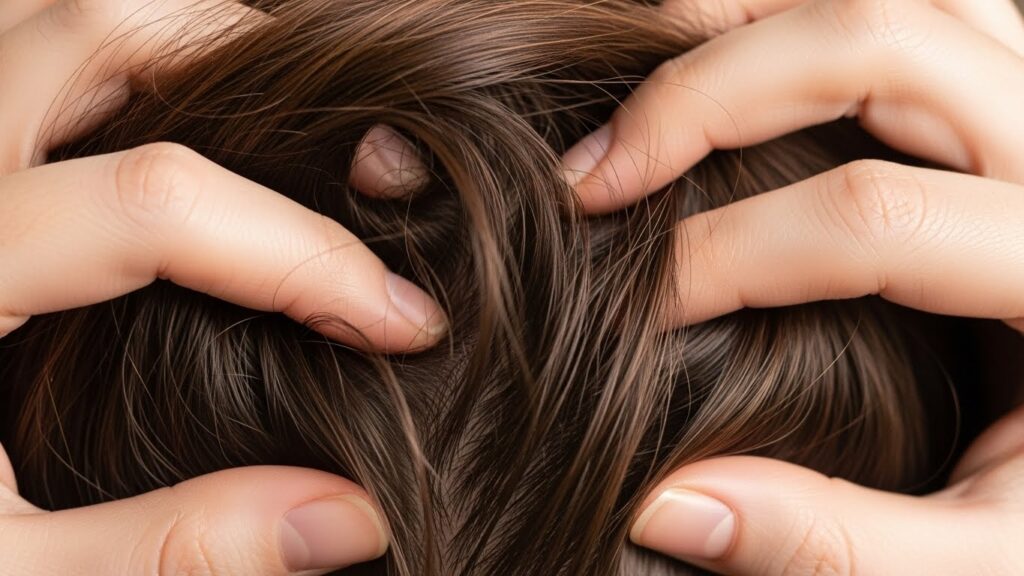
Your best tool is your fingertips, not a brush. Using the pads of your fingers (not nails), vigorously massage the product into your scalp. Use a gentle, circular motion as if you’re washing your hair. This action helps distribute the absorbed oils down the hair shaft, breaks up any product clumps, and warms the powder to make it disappear. For stubborn white spots, a boar bristle brush or a clean makeup brush can be used to gently whisk away excess powder.
Pro Tips for Specific Hair Types & Goals
Once you’ve mastered the basics, tailor your technique to your hair’s needs.
For Fine, Flat Hair: Volume is Key
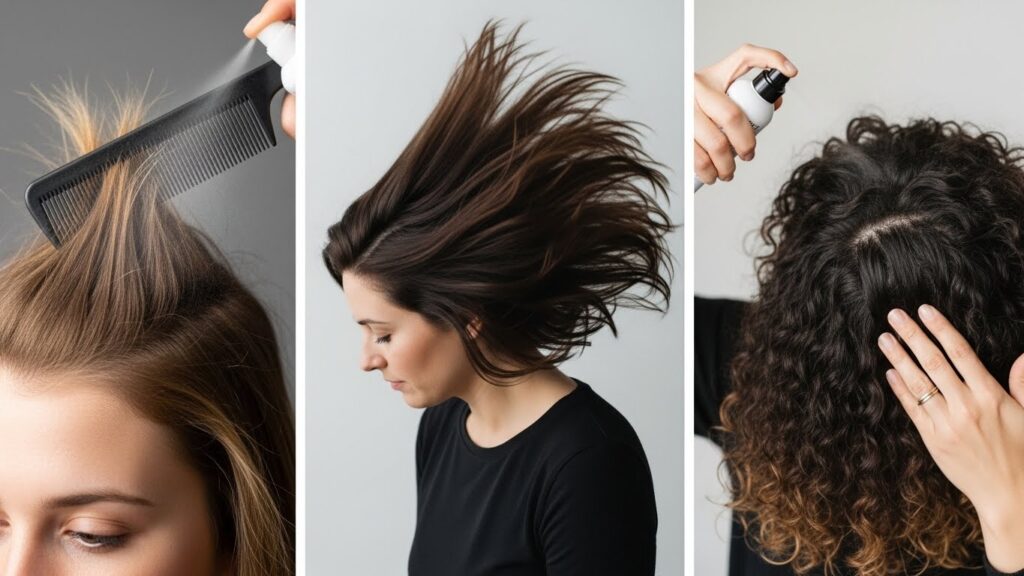
Apply dry shampoo to clean, dry hair the night before. Spray it at the roots before bed, let it sit overnight, and massage it in the morning. This provides incredible lift and texture from the moment you wake up. You can also flip your head upside down during application and blending to boost volume even further.
For Dark or Brunette Hair
Seek out tinted dry shampoos specifically formulated for brunettes. They use darker clays and powders that are truly invisible. If you’re using a traditional formula, the blending step is non-negotiable. Massage thoroughly and consider using a blow dryer on a cool setting for a few seconds to help disperse the product.
For Curly or Textured Hair
Avoid spraying directly onto defined curls, as it can cause dryness and frizz. Focus solely on the scalp and roots. Use your fingers to carefully lift sections and apply at the base. The “pineappling” method (a loose, high ponytail) overnight after application can help preserve curls while absorbing oil.
What You Should NEVER Do With Dry Shampoo
To truly become a dry shampoo master, you must also know the cardinal sins.
Never use it as a replacement for washing your hair for more than 2-3 days in a row. It’s called dry shampoo, not dry conditioner. It absorbs oil but doesn’t cleanse the scalp of dead skin cells, product buildup, and environmental pollutants. Overuse can lead to clogged follicles, irritation, and even hair thinning.
Avoid applying to soaking wet or damp hair. It will create a pasty, impossible-to-blend mess. Your hair must be completely dry. Also, never ignore the “shake well” instruction. The propellant and active ingredients separate, and shaking ensures an even, effective spray.
Choosing the Right Dry Shampoo for You
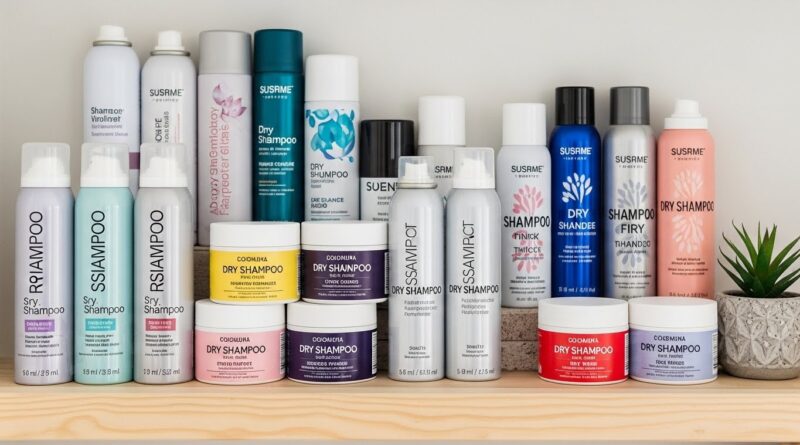
Not all dry shampoos are created equal. For fine hair, look for formulas with words like “volumizing” or “ultra-absorbent.” For thicker or coarser hair, a “texturizing” formula can provide grip and hold. If you have a sensitive scalp, seek out fragrance-free and alcohol-free options. Remember, the best dry shampoo is the one you’ll use correctly.
Embrace the Right Way for Perfect Hair Days
Transforming your dry shampoo routine from a haphazard spray to a deliberate, sectioned application is a game-changer. It’s the difference between hair that looks slightly less greasy but powdery and hair that looks freshly washed, full of body, and incredibly healthy. This method uses less product, is more effective, and extends the time between washes beautifully.
So, the next time you reach for that lifesaving can, remember: section, target the roots, wait, and massage. Ditch the “spray and pray” and start the “section and perfect.” Your hair—and your future self on a busy Wednesday morning—will thank you profusely.