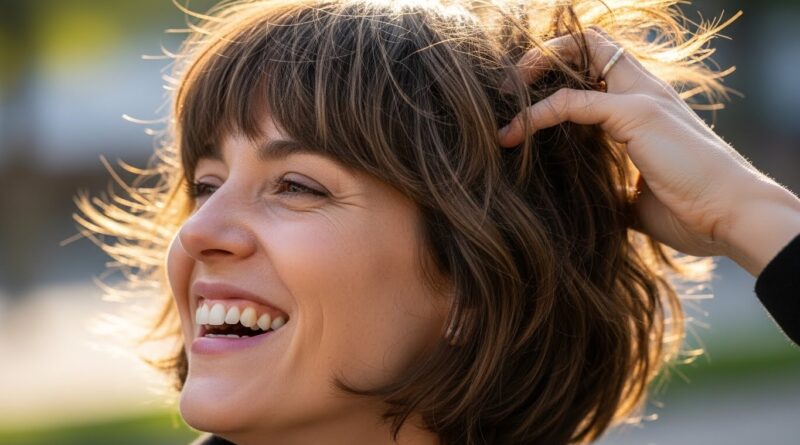
The Shaggy Pixie: Messy Texture That Looks Effortlessly Cool
Remember the classic pixie cut? Sharp, sleek, and perfectly polished? Now, imagine its rebellious, free-spirited younger sister. That’s the shaggy pixie. This isn’t your grandmother’s neat and tidy crop. This is a cut that embraces imperfection, celebrates texture, and radiates a confident, I-woke-up-like-this coolness that is incredibly difficult to fake.
What Exactly is a Shaggy Pixie Cut?
Let’s break it down. At its core, the shaggy pixie combines the short, liberating length of a traditional pixie with the choppy, layered technique of a 70s shag. The result is a dynamic, multi-dimensional cut that is full of life and movement.
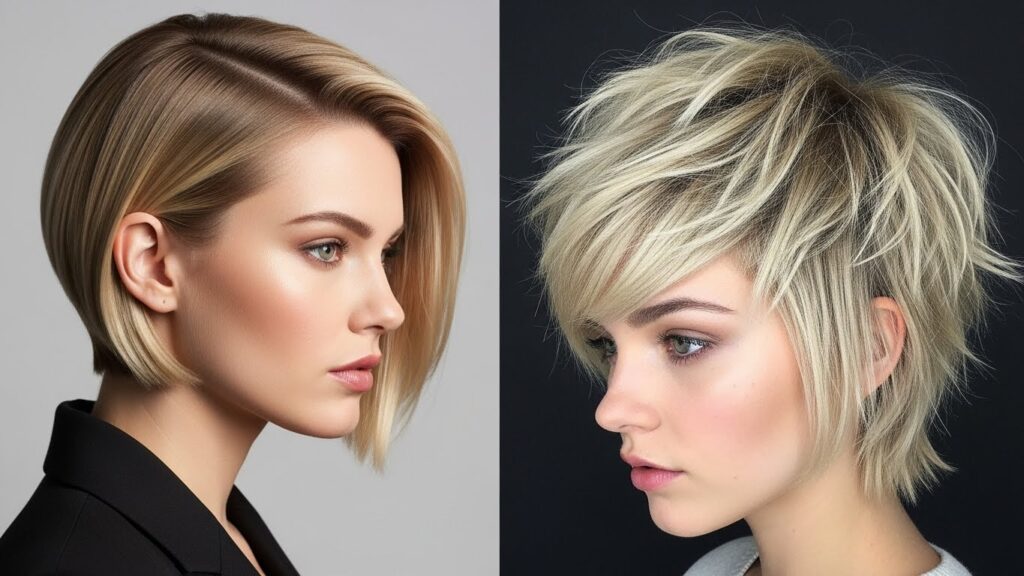
The key differentiator from a classic pixie is the emphasis on texture and separation. Instead of a smooth, uniform shape, a shaggy pixie is deliberately piece-y and uneven. Layers are cut at different lengths to create natural volume and a tousled effect. The ends are often point-cut or razor-cut to enhance this lived-in, slightly undone feel. It’s a cut that looks better as the day goes on, as it settles and moves with you.
Why the Shaggy Pixie is the Ultimate Cool-Girl Haircut
This hairstyle has exploded in popularity for a reason. It’s not just a fleeting trend; it’s a shift in beauty philosophy. Here’s why it’s capturing so many hearts (and heads):
Effortless Vibe: The primary appeal is its seemingly effortless nature. It looks chic without looking like you tried too hard. This nonchalant elegance is the holy grail of modern style.
Low Maintenance, High Impact: While it requires regular trims to maintain its shape, the day-to-day styling is remarkably simple. Forget hours with a blow dryer and round brush. A little product, a quick scrunch, and you’re out the door. It’s the perfect antidote to high-maintenance hair routines.
Adds Volume and Movement: All those layers are a secret weapon for fine or flat hair. They create instant body and lift at the roots, making hair appear thicker and fuller. The cut is designed to move, so it never looks stiff or helmet-like.
Versatile and Expressive: Don’t let its simplicity fool you. The shaggy pixie can be styled in multiple ways. Sweep your fringe to the side, spike it up for an edgier look, or let it fall naturally for a softer feel. It’s a canvas for your personal expression.
Is the Shaggy Pixie Right For You?
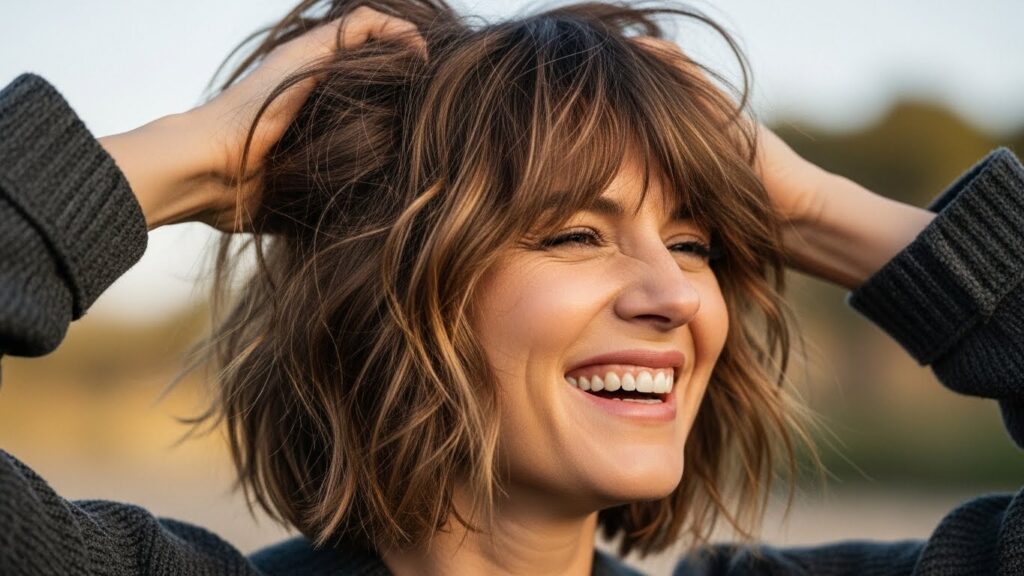
The beauty of the shaggy pixie is its surprising adaptability. While it’s a bold cut, it can be tailored to suit a wide range of face shapes and hair types.
Face Shape Considerations:
Round Faces: Ask your stylist for longer, wispy layers around the crown to add height and elongate your face. Keeping the sides slightly tighter can also create a slimming effect.
Square Faces: Soft, piece-y layers around the jawline can help soften a strong jaw. A side-swept fringe is also a great option.
Oval Faces: You’re in luck! An oval face is the most versatile and can carry almost any variation of the shaggy pixie.
Heart-Shaped Faces: Balance a wider forehead with a fuller, textured fringe and wispy pieces around the temples and cheeks.
Hair Texture:
Fine Hair: This cut is a game-changer for fine hair. The layers remove weight and create the illusion of thickness and volume that fine hair often lacks.
Thick Hair: The shaggy pixie is excellent for managing thick hair, as the layers help to remove bulk and reduce poofiness.
Wavy/Curly Hair: This cut can look absolutely stunning on naturally wavy or curly hair, enhancing the hair’s natural pattern and creating a beautiful, cloud-like texture.
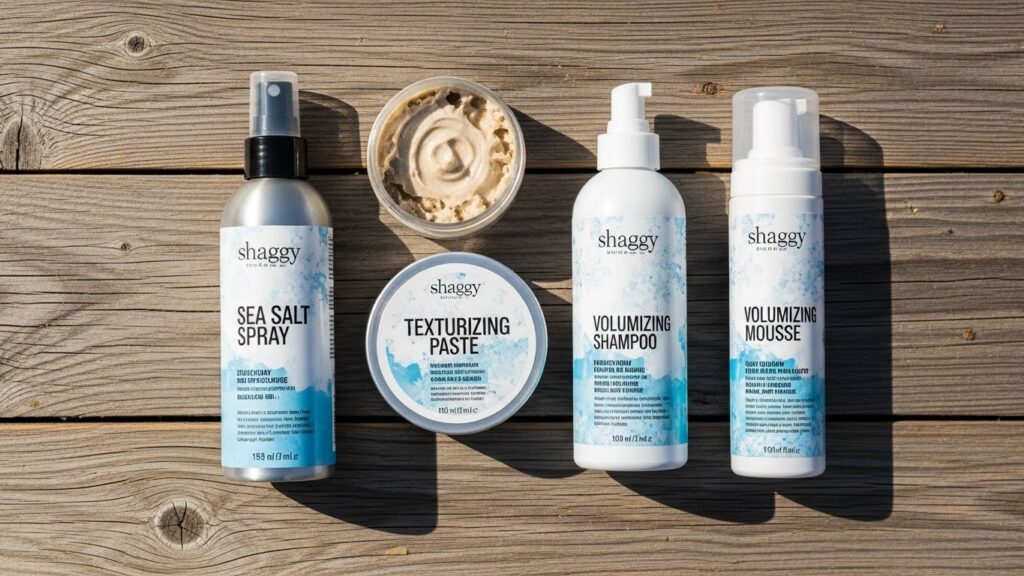
The Essential Styling Kit for a Perfectly Messy ‘Do
Achieving that coveted messy texture is all about the products and technique. Ditch the heavy, slicking gels and embrace products that add separation, grit, and hold without crunch.
Sea Salt Spray: This is your best friend. Spritz onto damp or dry hair to create a beachy, piece-y texture and natural-looking volume. It provides a light hold and a matte finish.
Texturizing Paste or Cream: These are perfect for defining individual pieces and creating that “lived-in” look. Use a tiny amount and rub between your palms before scrunching or twisting small sections of hair. It gives you control without stiffness.
Volumizing Mousse: Applied to damp roots before blow-drying, a good mousse gives your hair a lift that lasts all day, providing a solid foundation for your texture.
Dry Shampoo: A multi-tasking hero. Not only does it absorb oil on day-two or day-three hair, but it also adds incredible texture and grit, making it even easier to style your shaggy pixie.
Your Styling Technique: The goal is to avoid perfection. After applying your product, use your fingers to style—not a brush. Scrunch the ends, twist random pieces, and gently pull at the roots for lift. A diffuser on a low heat and speed setting can enhance natural waves and add volume without blowing your style flat.
Conversation with Your Stylist: How to Ask for a Shaggy Pixie
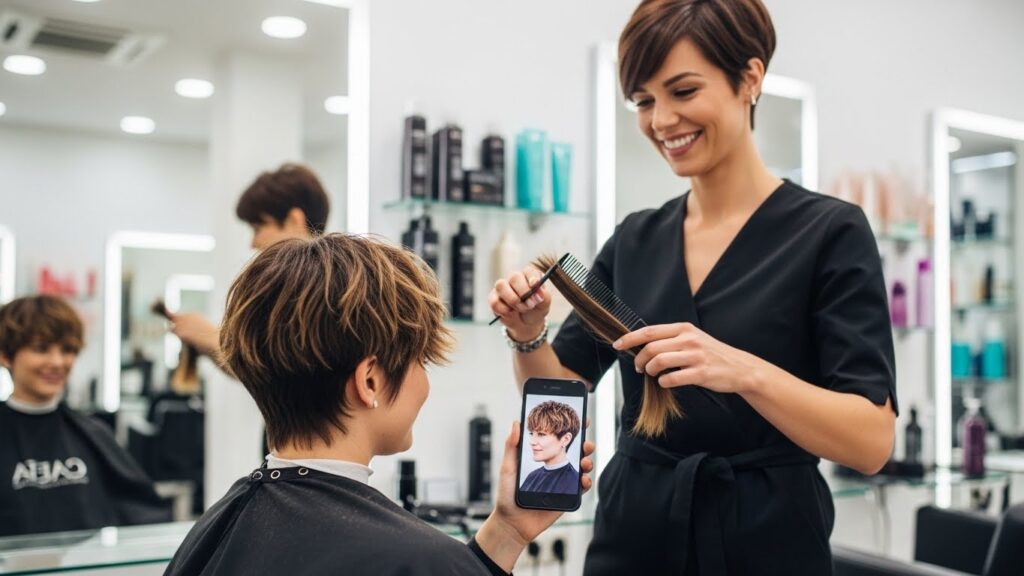
Walking into the salon and just saying “I want a pixie” can lead to disappointment. Communication is key to getting the cut of your dreams. Be specific and use the right vocabulary.
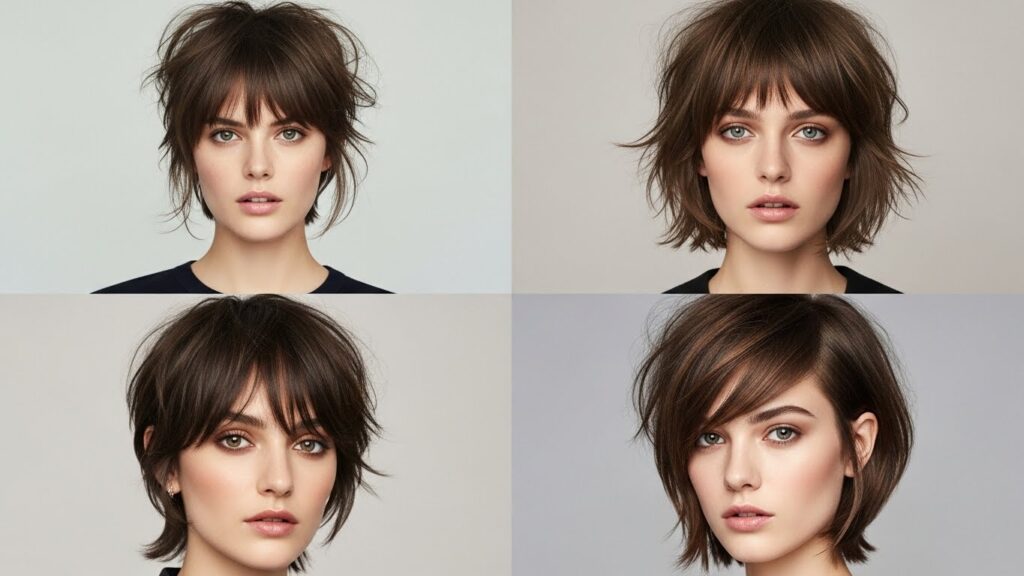
Bring Pictures: A picture is worth a thousand words. Find 2-3 inspiration photos that show the length, texture, and overall vibe you’re after. Note what you like about each one.
Use Key Phrases: Tell your stylist you want a “textured, piece-y pixie with lots of layers.” Emphasize that you don’t want it to look blunt or geometric. You can say things like:
“I’m looking for a low-maintenance, messy look, not a sleek one.”
“I want lots of movement and separation, especially around the face.”
“Can we use point-cutting or razor-cutting to soften the ends and add texture?”
Discuss Your Lifestyle: Be honest about how much time you want to spend styling your hair each day. A good stylist will tailor the cut to your routine, ensuring it’s as low-maintenance as you need it to be.
Beyond the Cut: Owning the Shaggy Pixie Attitude
A haircut this bold is as much about confidence as it is about scissors and product. The shaggy pixie has a long history of being associated with iconic, trailblazing women—from Mia Farrow in the 60s to Jean Seberg and beyond. It’s a cut that announces a certain independence and self-assuredness.
When you chop off your hair, your features become the star of the show. Your eyes, your cheekbones, your smile—they all take center stage. This can be a powerful and liberating experience. It encourages you to play with bold earrings, experiment with dramatic makeup, or simply embrace your natural beauty with renewed confidence.

