The Soft Layer Comeback: Movement Without Losing Length
For years, the haircut conversation for those with long hair was a binary, high-stakes choice: preserve every precious inch of length at all costs, or take the plunge into layers and risk losing the very thing you’ve been patiently growing. The fear was real. One wrong snip could lead to a triangle shape, uncontrollable frizz, or a style that felt more 2005 than modern. But what if there was a third way? A method that gifted your long locks with effortless movement, face-framing beauty, and volume from root to tip, all while keeping the silhouette long and luxurious?

What Exactly Are “Soft Layers”?
To understand the comeback, we must first define the technique. Soft layers are long, graduated layers cut with a focus on blending and seamless transition. Unlike traditional layers that can create distinct, noticeable “steps” in the hair, soft layers are integrated so subtly that the hair still appears as one fluid length from a distance. The point of cutting is not to remove bulk dramatically, but to redistribute weight and create internal architecture.
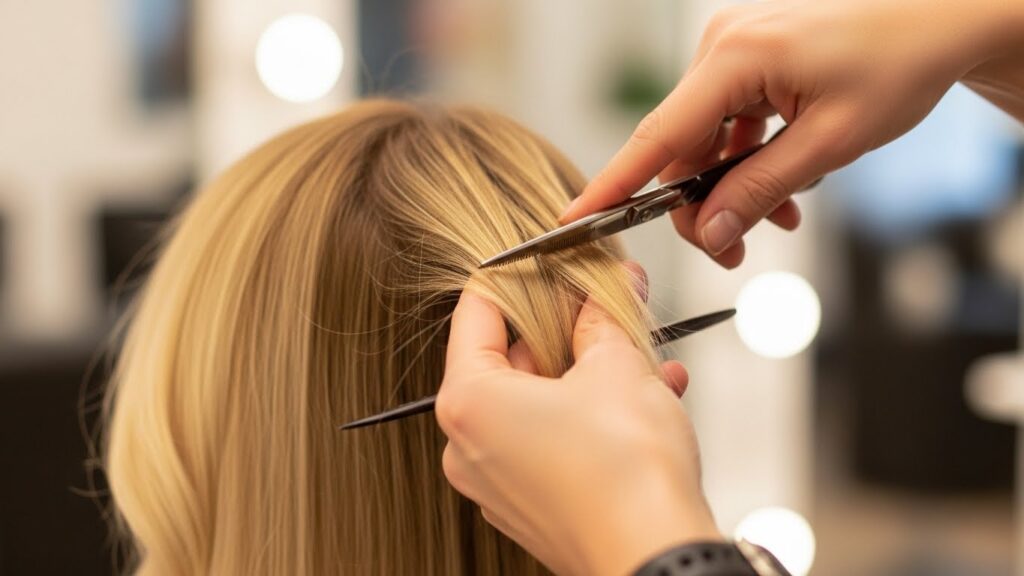
The magic lies in the cutting angle and the point at which the layer begins. A soft layer typically starts much lower—often at the jawline, collarbone, or even lower—avoiding the crown where shorter layers can poof and create that dreaded triangular shape. The hairdresser uses techniques like point cutting or slide cutting to feather the ends, ensuring there are no blunt, heavy lines. The result is hair that maintains its overall length but gains an incredible sense of airiness, swing, and dimension.
The “Why Now?”: The Perfect Storm for a Comeback
Trends are cyclical, but they return with updates that suit the current cultural moment. The soft layer comeback is fueled by several key shifts in how we view and care for our hair.
First, the dominance of “hair health” as a primary concern. After years of heat styling and complex treatments, people are prioritizing the integrity of their strands. Soft layers are inherently healthy-looking; they remove minimal hair, target often-dead ends, and reduce the weight that can cause stress on the roots. They allow for more natural air-drying and require less aggressive styling to look polished.
Second, the demand for low-maintenance, high-impact style. Post-pandemic, the desire for haircuts that look good with minimal effort has skyrocketed. Soft layers deliver exactly that. They create natural volume at the roots as weight is lifted, and the textured ends effortlessly catch the light and create shape without daily round-brushing. This cut thrives on a bit of messiness, making it perfect for real life.
Finally, the rejection of one-dimensional beauty standards. Today’s beauty ideals celebrate individuality and texture—whether your hair is pin-straight, wavy, or curly. The soft layer is uniquely adaptable. It gives straight hair movement, enhances natural waves, and helps define curls without sacrificing their length or shape. It’s a democratizing cut that works for virtually every hair type.
The Transformative Benefits: More Than Just a Trim
So, what can you actually expect when you ask your stylist for soft layers? The benefits are transformative, addressing the most common complaints of long-haired individuals.
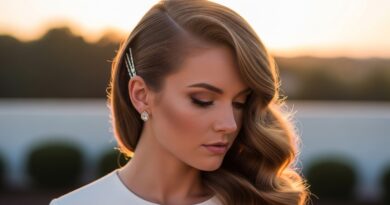
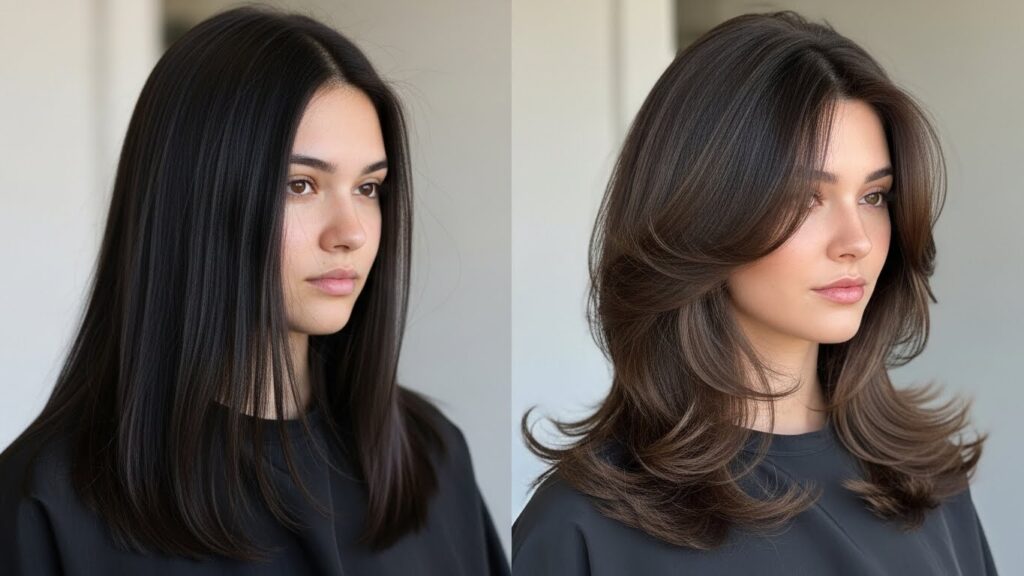
Unparalleled Movement and Swing: This is the hallmark. By removing strategic weight, each strand gains independence. When you walk, turn your head, or even just stand in a breeze, your hair will have a cinematic, flowing quality that blunt cuts simply cannot replicate.
Volume, Volume, Volume: Long hair often falls flat at the crown due to its own weight. Soft layers, especially when started at a thoughtful point, lift that weight away from the scalp, creating natural, lasting volume from the root. You say goodbye to flatness without backcombing or excessive product.
Face-Framing Magic: Without committing to full bangs, soft layers can be expertly placed to frame your face. These wispy, delicate pieces highlight your cheekbones, jawline, and eyes, adding a soft, romantic focus to your features.
Enhanced Texture and Light: Multiple, seamlessly blended lengths mean more surface area for light to reflect off. This creates the illusion of depth, dimension, and a healthier, shinier head of hair. It makes your natural color look more dynamic.
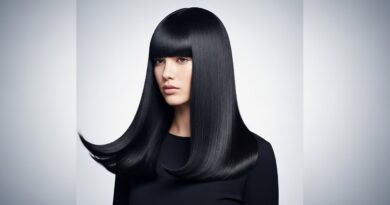
Styling Versatility: With soft layers, your styling options multiply. Wear it sleek and straight for a modern look, or enhance the texture with waves for a beachy, bohemian vibe. The layers provide a built-in structure that makes every style hold better and look more intentional.
Consultation is Key: Talking to Your Stylist
To achieve the perfect soft layer, communication with your hairstylist is non-negotiable. Walking in and simply saying “give me layers” is what leads to haircut regret. Come prepared.
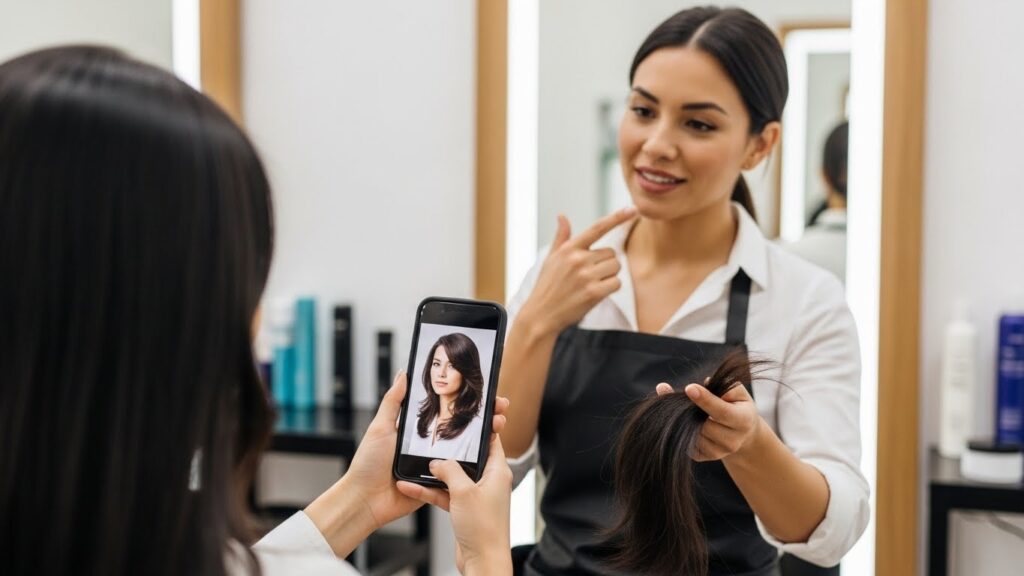
Use clear language: “I’m interested in very soft, long layers that maintain my overall length. I want to remove weight for movement and volume, but I don’t want any choppiness or visible steps in my hair.” Bring visual references—Pinterest and Instagram are full of #softlayer examples. Point out what you like (the seamless blend, the length retention) and, crucially, what you want to avoid (short layers around your face, too much bulk removed).
Discuss your hair type and texture. A skilled stylist will adjust the technique for fine hair (using fewer, more calculated layers to maintain density) versus thick hair (where more layers may be needed to remove bulk and prevent a pyramid shape). This consultation ensures the trend is tailored uniquely to you.
Maintaining the Magic: Care for Your Layered Look
A great cut deserves great care. To keep your soft layers looking their best, a slight shift in your routine may be needed.
Regular Trims are Non-Negotiable: The beauty of soft layers lies in their seamless blend. As they grow out, they can lose definition and start to look ragged. Scheduling a trim every 10-12 weeks will maintain the shape and prevent split ends from traveling up the delicate, textured ends.
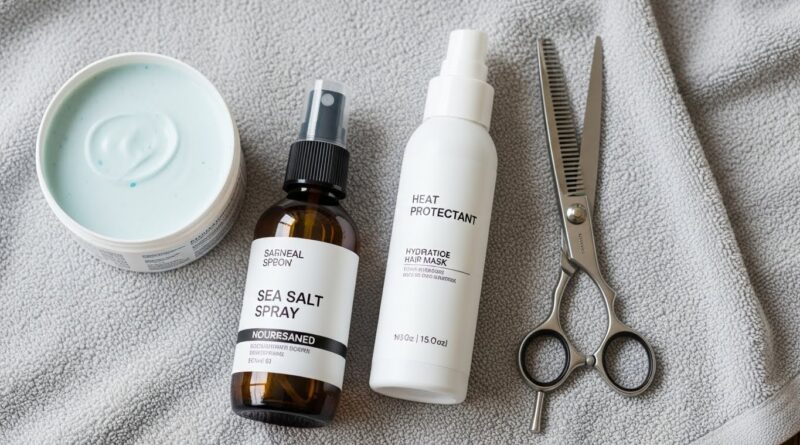
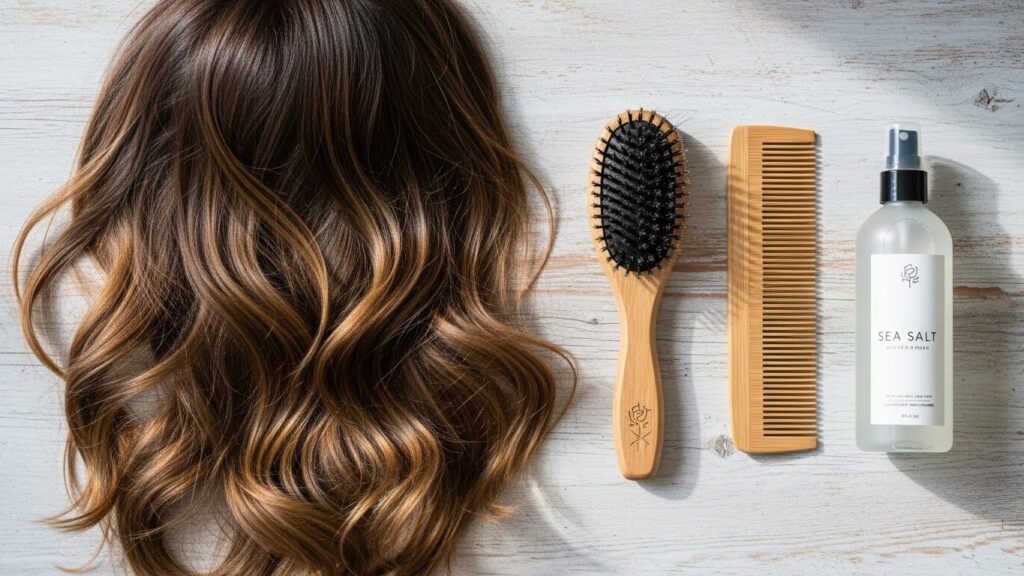
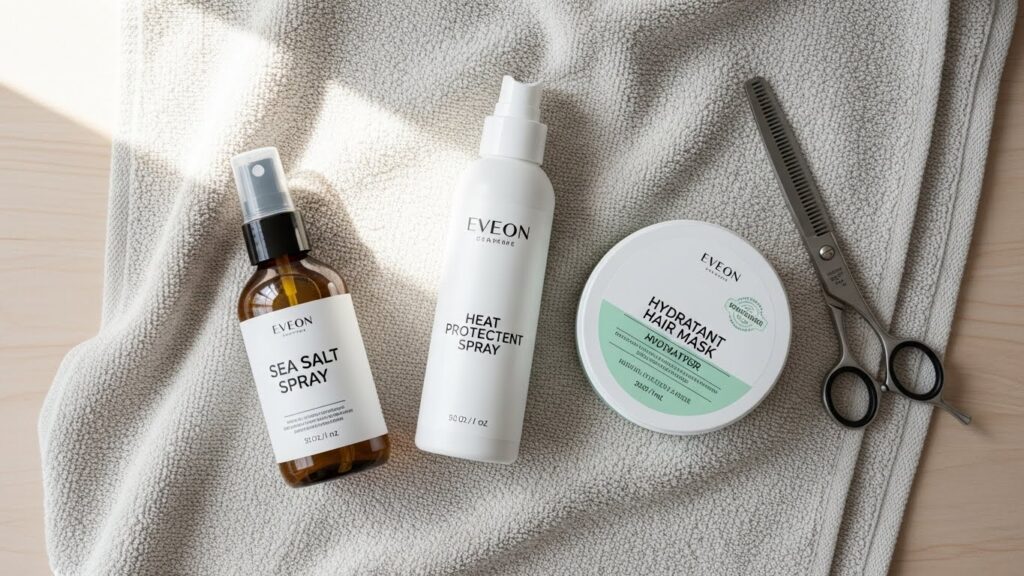
Embrace Texturizing Products (Wisely): A light sea salt spray or a texturizing mist can be your best friend. Apply to damp or dry hair to enhance the separation and piecey-ness of the layers. Avoid heavy oils or creams on the mid-lengths and ends, as they can weigh down the very movement you’ve just achieved.
Protect Those Ends: Your ends are now the star of the show. Incorporate a heat protectant before any styling and consider a weekly hydrating mask focused on the lower half of your hair to prevent dryness and keep the layers looking lush and healthy, not brittle.
The Final Verdict: Is the Soft Layer Comeback for You?
The resurgence of the soft layer is more than a fleeting trend; it’s a response to a modern desire for practicality, health, and understated elegance. It challenges the old notion that long hair must be static, heavy, or high-maintenance. This technique proves you can have it all: the drama of length combined with the vitality of a beautifully shaped cut.
If you’ve been clinging to a blunt cut out of fear, or if you’re growing out a layered cut and feel stuck in an awkward phase, the soft layer offers a brilliant solution. It’s a cut that respects the time invested in growing your hair while acknowledging that style should bring joy and movement to your daily life. It’s not about losing length; it’s about liberating the length you have. So, the next time you’re in the salon chair, consider the soft, strategic snip. Your most dynamic, beautiful, and manageable long hair might just be one conversation away.