The Stockton Bob: Central Valley Modern
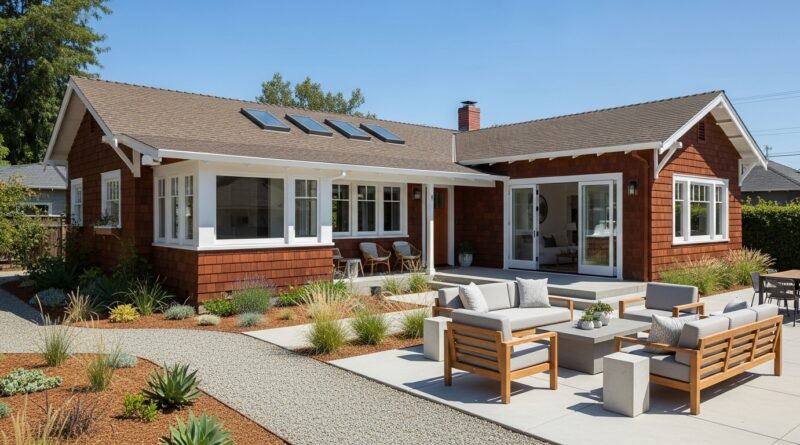
Driving through the sun-drenched grids of Stockton, Modesto, or Fresno, you might spot them. Tucked between sprawling farmhouses and postwar ramblers, these homes stand with a quiet, confident difference. They feature low-slung roofs with dramatic angular cuts, expansive walls of glass facing private courtyards, and a blend of rustic and refined materials. This isn’t a tract home, but it’s not a coastal masterpiece either. This is the “Stockton Bob,” a distinctive and often overlooked strand of Central Valley modernism that speaks to a unique place, time, and way of life.

Roots in the Rich Soil: Influences and Inspirations
The Stockton Bob didn’t emerge in a vacuum. It is a fascinating hybrid, its DNA spliced from several mid-century architectural movements. The clean lines and open plans are pure California Modernism, drawing inspiration from the likes of Joseph Eichler and the Bay Area’s regional style. The dramatic rooflines and use of natural wood echo the Pacific Northwest style, perhaps filtered through Sunset Magazine. Most importantly, it incorporates the straightforward, functional sensibility of agricultural architecture—the machine sheds, barns, and warehouses that define the Valley’s landscape.
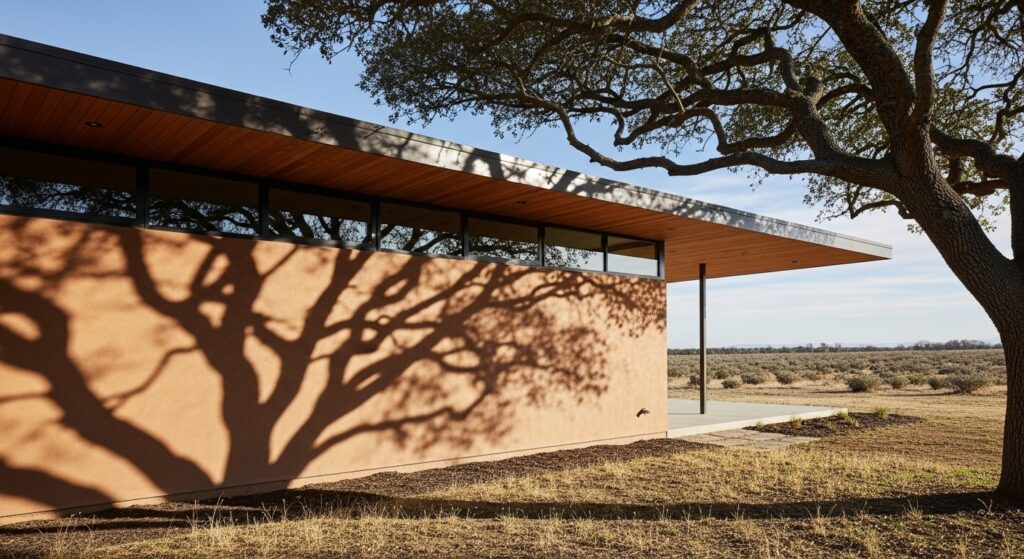
This is architecture that understands its climate. The deep overhangs (often called “brow” roofs) shield walls of windows from the punishing Central Valley summer sun. The frequent use of interior courtyards or enclosed atriums provides private outdoor space sheltered from the wind and dust of surrounding fields. Materials were often chosen for durability and local availability: vertical clear-heart redwood or cedar siding, exposed post-and-beam construction, river rock for fireplaces, and concrete floors that stayed cool.
Signature Features: How to Spot a “Bob”
While each home is unique, several key characteristics define the Stockton Bob style. Look for these elements:
The Asymmetrical “Bob” Roof: This is the hallmark. It’s often a low-pitched gable, but one side is dramatically extended at a different angle or folded, creating a dynamic, sculptural silhouette that breaks from the standard A-frame.
Brow Overhangs & Deep Eaves: The roofs aren’t just for show; they are functional sunscreens. These deep overhangs create shaded outdoor walkways and patios, integrating shadow as a design element.
Massing and Privacy: The street-facing façade is often modest and somewhat closed, with careful window placement. The home’s grandeur is turned inward, toward a secluded backyard or central courtyard, prioritizing family privacy and outdoor living.
Material Mix (Rustic Meets Refined): Smooth, unadorned stucco panels might sit alongside rough-sawn vertical wood siding. A sleek, floor-to-ceiling brick fireplace could be paired with exposed ceiling beams. This mix speaks to both modern tastes and the region’s agricultural identity.
Indoor-Outdoor Connection: Large sliding glass doors, entire walls that open to patios, and interior courtyards blur the line between inside and out, a classic California ideal adapted for the Valley’s specific environment.

More Than a Style: A Cultural Artifact
The Stockton Bob is more than an architectural checklist. It is a physical manifestation of a particular Central Valley prosperity and mindset in the mid-20th century. The clients were frequently self-made, connected to the land (either directly through farming or related industries), and desired a home that reflected their success without being ostentatious. They wanted modernity but not the avant-garde; a home that felt grounded, not floating.
These homes were built for entertaining—with open living areas flowing to patios perfect for barbecues—and for family life. The floor plans were practical, often including features like mudrooms for coming in from the fields, large utility sinks, and spacious kitchens that could handle a large harvest-time crew. They represent a “quiet wealth” that valued craftsmanship, connection to the outdoors, and a distinct sense of place over sheer square footage or ornamental detail.

Preservation and Appreciation in the 21st Century
Today, the Stockton Bob faces a crossroads. Many original homeowners are aging, and their children may not wish to maintain these unique properties. Some have been poorly remodeled, their signature features obscured by vinyl windows or generic upgrades. The Valley’s development pressure often favors demolition for larger, more generic McMansions, erasing this unique architectural heritage.
However, a growing appreciation is also taking root. A new generation of homeowners, architects, and historians is beginning to recognize the value of these homes. They see the sustainable, climate-responsive design principles, the quality of craftsmanship, and the unique historical narrative they tell. Preservation efforts are starting, albeit slowly, with advocates working to document these homes and educate the public about their significance. For design-savvy buyers, a well-preserved “Bob” represents an opportunity to own a slice of regional modernism with soul and authenticity, often at a fraction of the cost of a similar home on the coast.

Finding the Central Valley’s Hidden Modern Gems
If you’re curious to see a Stockton Bob for yourself, your best bet is to explore the older, established neighborhoods of Central Valley cities. Look in the north Stockton areas around Brookside and the Miracle Mile, certain parts of Modesto near Dry Creek, and older affluent pockets of Fresno and Visalia. Drive slowly and look up—the roofline is the dead giveaway.
The Stockton Bob is a testament to the idea that great modern architecture isn’t confined to Palm Springs or Los Angeles. It bloomed in the rich soil of the Central Valley, adapting international style to local conditions and creating something genuinely regional. It’s a style that speaks of pragmatism and pride, of sunshine and shelter, and of a moment when the Valley looked to the future with confidence. It is, in every sense, Central Valley Modern—and it deserves a closer look, and careful preservation, before it becomes just a memory in the rearview mirror.